At Brihadisvara Temple in Thanjavur, a woman in a black sari checks her phone against a wall carved over a thousand years ago. Ancient stone and modern life meet in an ordinary moment inside one of South India’s great temples.
In Chandni Chowk’s crowd, a child on his father’s shoulder looks straight into the camera—an honest, piercing gaze briefly caught in Old Delhi’s flow, impossible to ignore.
In Chidambaram, a monkey pauses among carved temple figures, as if studying the stone faces above. For a moment, the living and ancient share the same quiet space.
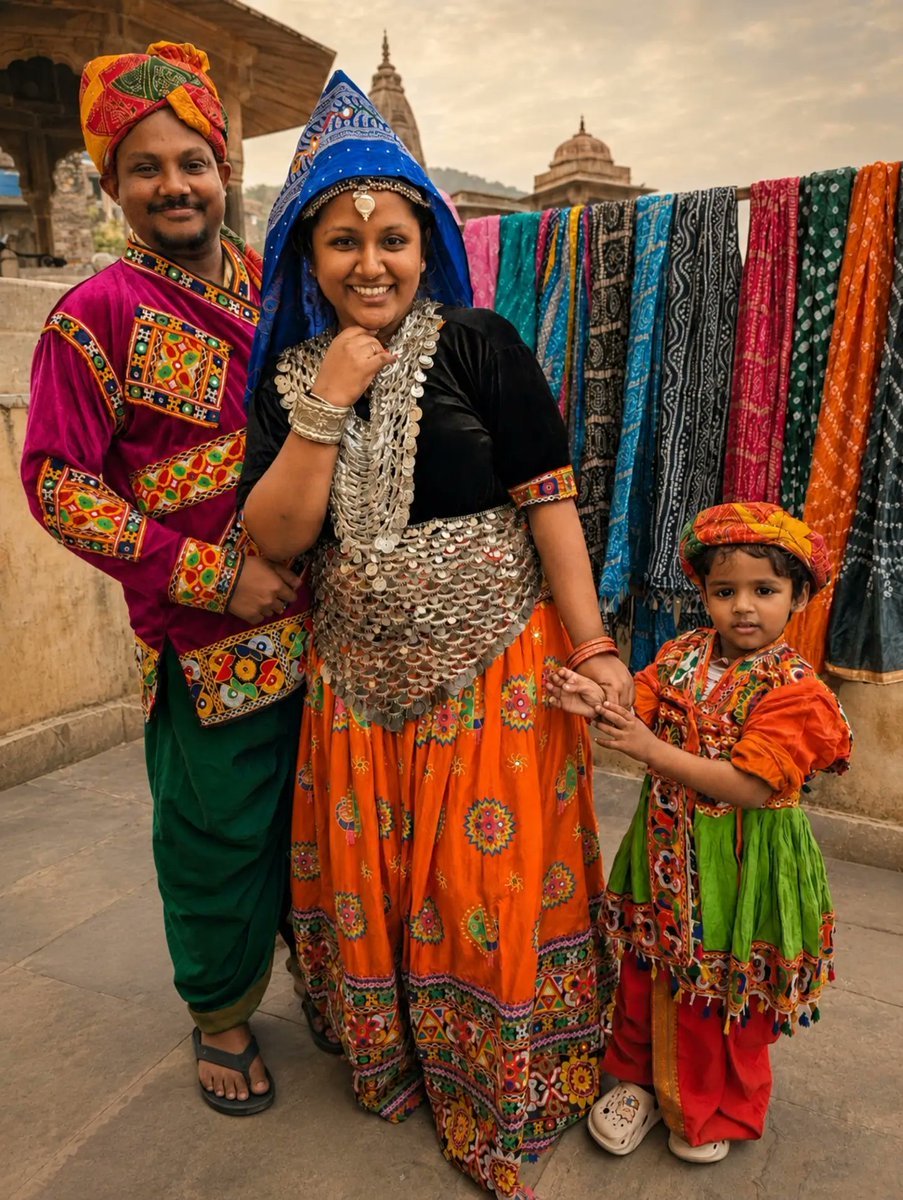
A family in traditional Rajasthani attire poses amid vibrant colors, embroidery, and silver ornaments. In Rajasthan, clothing reflects region, community, and celebration.
On Diwali eve in Varanasi, an elderly woman rests on the stone steps by the Ganges. As the city prepares for light, prayer and celebration, her face tells a lifetime by the river.
At a Delhi street market, a vendor weighs tomatoes among crates of okra, peppers, and bitter melon—a familiar scene of color, trade, and everyday city life.
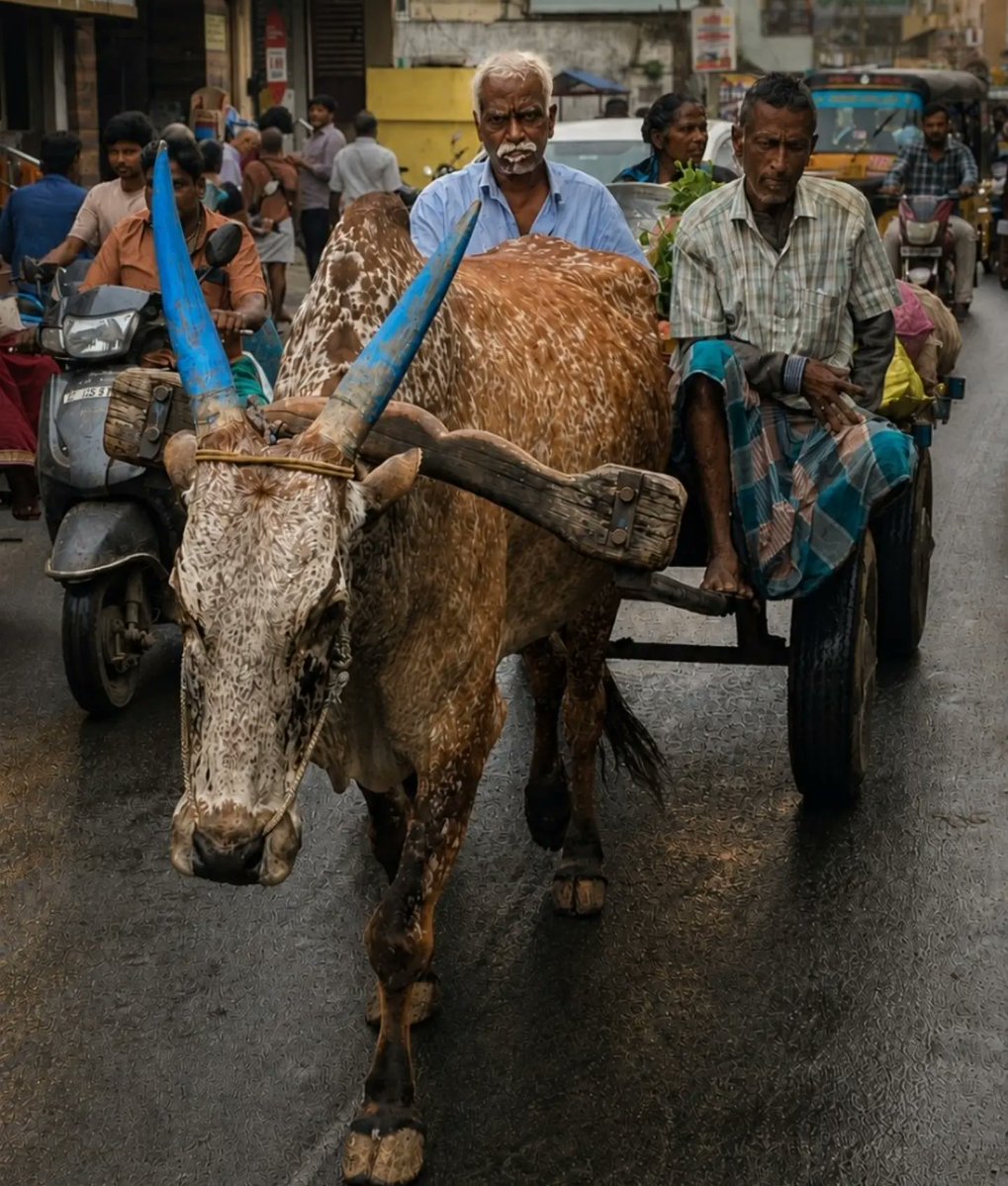
On a rain-darkened street in Tiruvannamalai, an ox cart moves steadily through motorcycles, rickshaws, and city traffic. Old and modern India share the same road, each at its own pace.
Behind the open doors of a small mosque in Main Bazaar, a man prays as Delhi’s noise stays outside. Shoes rest on the steps, and the crowded street gives way to a few metres of silence.