Designed for flexibility and public engagement, the Glasshouse Theater extends the Queensland Performing Arts Centre with a new venue. The building is enclosed by a layered glass façade that controls solar light and heat while preserving transparency...
Architecture once held memory in tangible form. But what changed when that memory shifted into computers?
Files could be duplicated instantly, altered within seconds, and sent across continents. A drawing grows old along with its paper; digital mode...
L’Ile Folie is a contemporary pavilion that reinterprets the architectural folly in Downtown Cary Park. It provides shade for gatherings, events, and everyday activities without closing off views toward the surrounding landscape.
Formed from ultra-t...
Take a closer look at the 20 shortlisted projects for the Student Project Awards, showcasing ambitious ideas that look towards the future.
The shortlist this year includes a wide variety of innovative projects, each offering its own approach to the ...
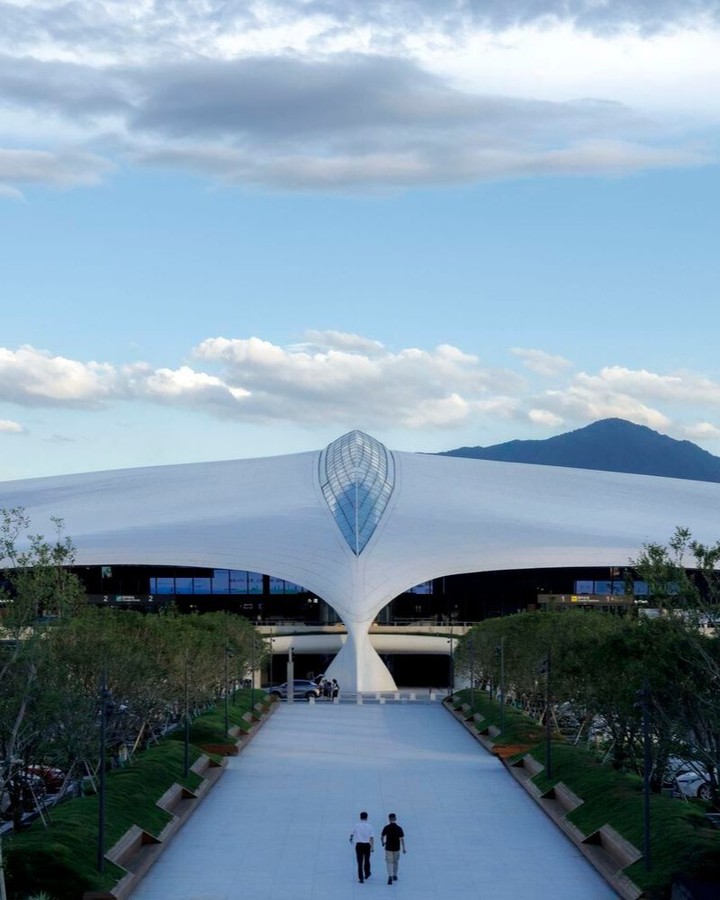
Lishui Airport’s design follows the contours of its mountainous site, shaping the terminal as a compact transportation hub integrated into the surrounding valley landscape. Its sloping form and uninterrupted roof respond to the terrain while ensuring...
The 17th edition of Building of the Year, the world’s largest community-driven architecture award, continues its celebration of projects that reflect the ongoing evolution of architecture.
In this second video, five projects demonstrate how environme...
How do we know when it is time to decide if a building should be demolished?
Many contemporary structures remain in a gray area: they are not old enough to receive protection, but are often judged outdated or non-compliant with today’s standards. Th...
The rise in temperatures is making the limits of current urban models increasingly visible.
In regions around the world, heatwaves reveal how materials, infrastructure, and unequal access to vegetation directly influence the use of public spaces.
S...
Explore Part 2 of this year’s 20 shortlisted projects for the Student Project Awards, featuring bold ideas that are shaping the future.
This second selection presents 10 projects examining coexistence through varied perspectives, contexts, and desig...
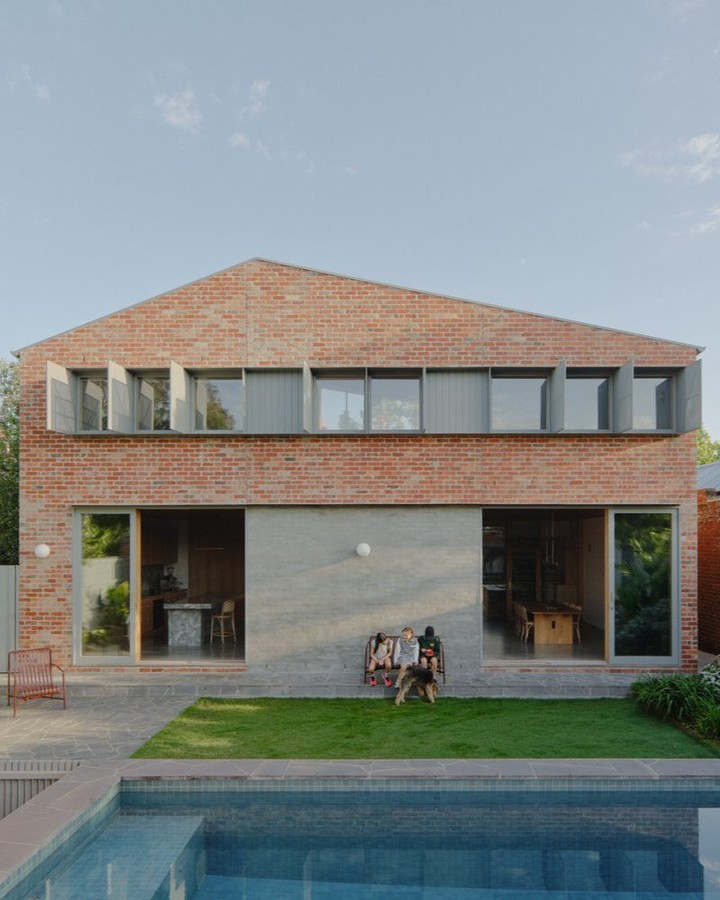
Barkly House pairs its existing structure with a separate brick extension that brings solar access to the living areas and introduces a secondary entrance. Spaces are arranged around a sunken lounge, while the side greenhouse brings winter light into...
With a new building joined directly to the existing one, the New Museum of Contemporary Art expands its capacity. Galleries continue horizontally through both volumes, while an interstitial space adds vertical circulation and places for the public.
...
When does technology begin to shape the land more than the people who live on it?
Along Hong Kong’s borderlands, AI data centers, high-tech laboratories, and logistical hubs rise alongside tidal ponds, wetlands, and long-established villages. The re...
In Riverhouse, domestic life is arranged across a compact footprint with a balance of environmental performance and spatial flexibility. A sloped roof gives the interiors varied ceiling heights and forms a double-height living area oriented toward th...
Lake Views organizes residential units and commercial spaces within a series of sloped volumes that respond to the site’s topography and lakefront condition. The geometry ensures that all apartments are oriented toward views of the lake, city, or sur...
Tashkent’s architectural landscape reflects a layered history shaped by Silk Road influences, Soviet-era planning, and contemporary innovation. As the capital of Uzbekistan, the city presents a dynamic interplay between tradition and modernization, w...
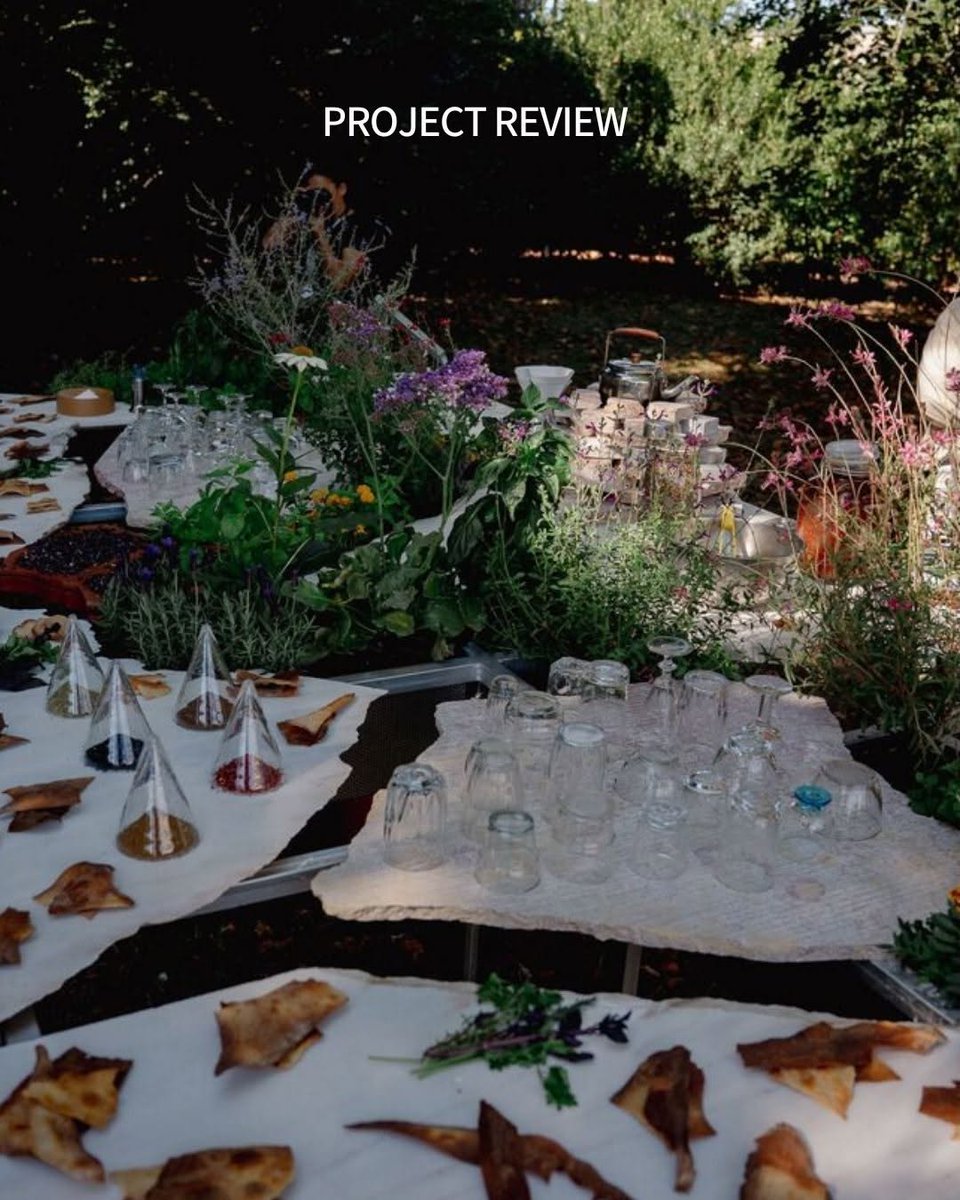
This week's projects review is Live Multispecies Kitchen by Francisca Sottomayor + @
Images by José Guilherme Marques
Learn more about this project in the link in bio 🔗
When did housing stop being a place to live and become an asset to trade?
Across cities, the crisis is no longer just about how much we build, but who gets to access what already exists. Rising demand, speculation, and tourism pressures are reshapin...