A plan of the Mullah's fortifications at Taleh (Taleex), first published in The Geographical Journal [1931].
To the east of the Silsilat (chain) fortification are the tombs of Abdullah Hassan (father of Muhammad Abdullah Hassan), Sultan Nur Ahmed Aman of the Habar Yunis, a tomb of a Habar Je'lo man, and tombs of Hawiye notables; further to the east is the isolated tomb of Hassan's mother.
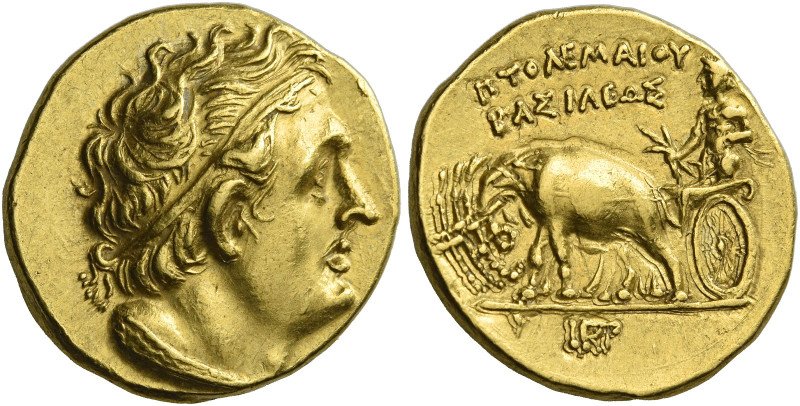
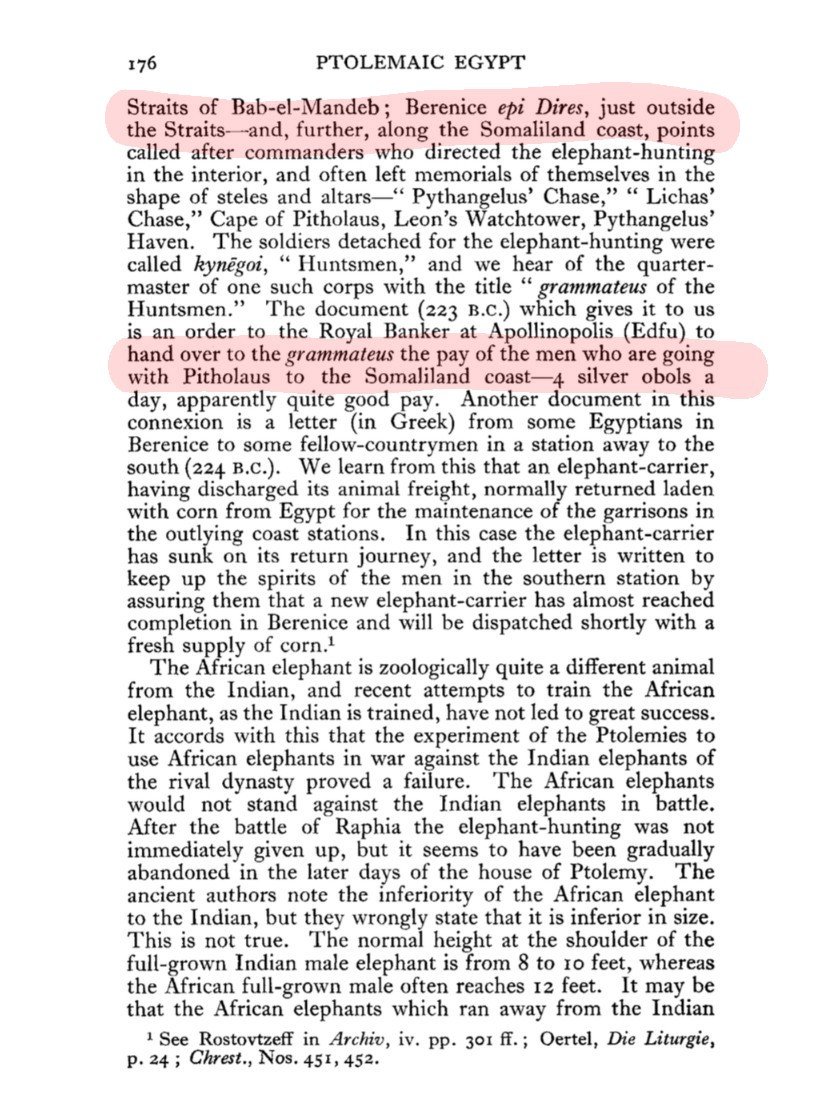
The Hellenic-Egyptian Ptolemaic Dynasty procured elephants from the interior of present-day Somaliland over 2,000 years ago. The beasts were carried in specialised ships called 'Elephantegoi' (elephant-carriers), and were sent to Berenike in Upper Egypt.
The first image shows a gold stater coin issued under Ptolemy I Soter, the first king and founder of the Ptolemaic Dynasty of Egypt. The reverse shows a quadriga drawn by four elephants, driven by Alexander the Great.
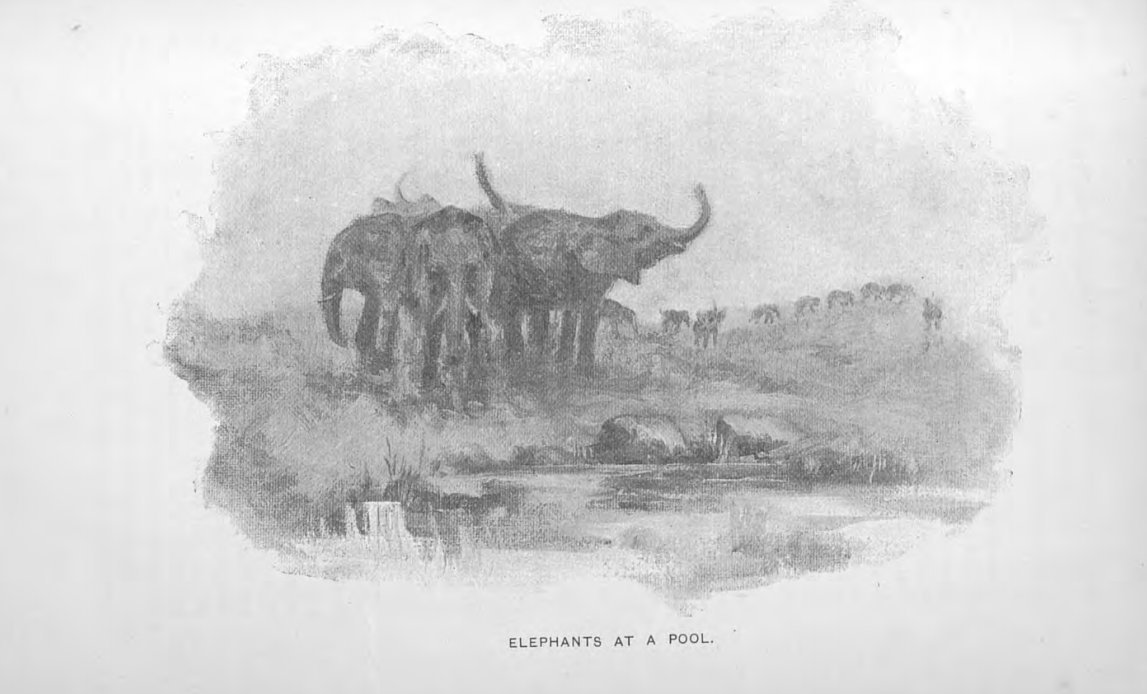
The second image depicts a sketch of elephants congregating around a pool and was first published in Seventeen Trips Through Somaliland. The author, Swayne, notes that in 1884 elephants were 'plentiful' in the Golis and Wagar mountains, and that in the colder months they descended from the high mountains and followed the seasonal streams downward towards the edge of the maritime mountains where they fed on creepers and aloe plants.
While sadly elephants are now extinct in Somaliland, there are still place names that preserve the presence of elephants in Somaliland such as Tog Marodi Jeh (Tog Maroodi Jeex), a seasonal river that flows through the capital Hargeisa, and Dhagah Marodi (Dhagax Maroodi), an ancient rock art site located near Gabiley.
However, According to the 6th century Arab Christian poet, ‘Adi ibn Zayd (c.550AD-600AD), Barbarian (Somali) troops were still in Sana’a during the Persian siege of the city in 570 AD, After which Axumite rule in South Arabia came to an abrupt end. In his poem, As recorded by Ibn Hisham in his Al Sirah Al Nabawiyyah, ‘Adi and the general population of Yemen rejoice the end of the Ethiopian-Somali occupation, Depicting the expulsion of the occupying army by Sayf Dhi Yazan as a restoration, and showing a scene where his followers shout curses and insults at the retreating Axumite-Barbarian soldiers. The 12th century Andalusian Scholar, Abd Al Rahman Al-Suhayli explains in his book al-Rawd al-Unuf that the Axumites (Ethiopians) and Barbars (Somalis) are both Hamites who descend from Ham.
Somali soldiers during the Axumite invasion of Yemen [518-525]
In the 6th century Greek text “Martyrdom of Arethas”, Set during the During the Axumite invasion of Himyar, A large army of 15,000 Barbars (Somalis) from Somaliland was sent to invade the Himyarite rebels in Hadhramaut. The fate of this army is left ambiguous in the text.
Ottoman cartography and regional exonyms in the Horn of Africa [1872]
Dated 1289 AH, this late 19th-century Ottoman map records the northern region of the Somali peninsula under the designation "ايذور"(Iydoor/ldoor). The name “Idoor” was a term derived from the Somali word for trade and commerce, And historically functioned as a prominent regional and colonial exonym for the Isaaq, highlighting their dominant historical position as the primary merchants and traders managing the coastal and interior commerce of the territory.
Somaliland in the 1950s
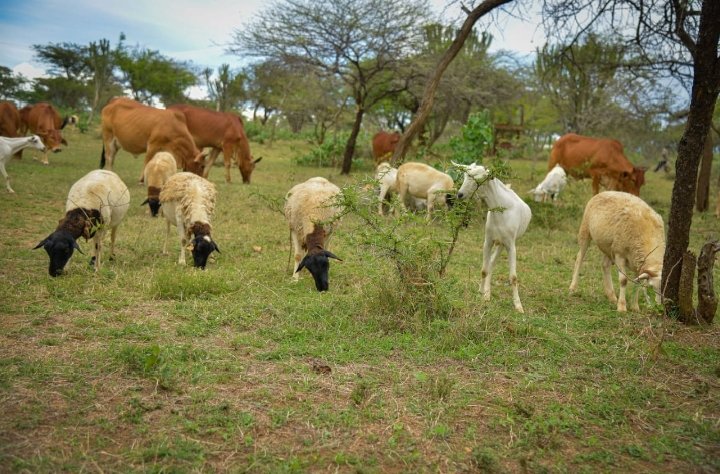
Scenes from the 1959 Somaliland Parliamentary Elections, Held in Hargeisa and other major cities across Somaliland. Citizens are voting in both urban and rural areas, In voting houses aswell as under the shade of Acacia Trees as was common among the people of Somaliland when electing sultans and other traditional leaders.
The election led to a landslide victory for the moderate National United Front led by Michael Mariano of the Habr Je’lo tribe, defeating the main opposition party of the Somali National League, Under Mohamed Haji Ibrahim Egal. [1959]
A sketch of warrior poet Husein Hasan (Eidagale Garhajis) and his trusted steed Mangalool being pursued by a lioness [1896].
After one of his successful raids, Husein’s horse Mangalool collapsed from fatigue in the midst of a dry year. To save him, Husein rushed his looted camels to a well, then slaughtered them periodically along the 20 mile return journey to provide Mangalool with regular water.
Husein stated that he would rather sacrifice 100 camels, viewing it as a small price to pay, as a recovered Mangalool would eventually help him raid many more.
In the 19th century, the majority of Somali traders who frequented Aden belonged to the wider Isaaq clan.
The Habr Awal composed the bulk of these merchants, completing four voyages to Aden during the trading season, where they tended to hire a house in Aden and were accompanied by their own servants. They procured most of their goods from Harar and its environs, which included coffee, saffron, ivory, and feathers.
Garhajis traders also frequented Aden regularly; however, they procured most of their goods from the Ogaden interior, which included feathers, myrrh, gum, livestock, and ghee.
The Soviet embassy in Mogadishu in the Somali republic was rented from Jirde Hussein, one of the wealthiest merchants in the Somali peninsula. When the Soviets were exiled after the Ogaden war, Jirde converted the building to an orphanage for Mogadishu Children
رحمه الله تعال��
Yusuf Ahmed (Habr Yunis) father of Suleiman Yusuf and Mohamed Yusuf nicknamed “Al habashi” served as Manager of the Bank of Abyssinia Harar Branch [1911]
Late 19th century photograph of El Darad (Then known as Ain Tarad), The seat of Muhammad Abdi Liban. The town was known for its large fortress, Built in 1826 by Muhammad himself, And is somewhat visible in the background [1893]
Geri Koombe chief Garad Adan requests his Emir Haji Sharmarke’s assistance to construct a fort a few miles from Harar. The Garad wished to assist Sharmarke in diverting Harar’s trade from Berbera to Zeyla using his Geri Koombe tribesmen [1848]
In response, The NUFRRH was set up The delegation of four representatives from Somaliland traveled to London and New York to raise the issue with the British Parliament and the United Nations. Their pressure pushed Britain to consider buying the land back, but this was rejected
Somalilanders protesing against the Hawd cession [1954]
In 1954, the British handed over the Haud and Reserved Area of southern Somaliland to Ethiopia under the Hawd Agreement. This sparked major protests across the country, as people vehemently opposed losing their lands
18th century Kachchhi-Gujarati navigation manuscript chart of the Southern Red Sea and Gulf of Aden entrance depicting Zeyla, Berbera, and Cape Guardafui submitted to the held at the Royal Geographical Society Institute of British Geographers in London in 1823
Higher quality image of جميعة الاتحاد الصومال الإسلامي the Somali Islamic Union Club in Aden founded by Haji Farah alongside Palestinian leaders [1939]
British explorer William Cornwallis noted that Haji Sharmarke had strong influence across the entirety of the Afars, With the Afars of Tadjoura paying him an annual tribute of around 1,200–1,600 German thalers [1841]
Sharmarke’s rule over the Afar [1840s]
In 1841, A French expedition under Arnaud-Michel d’Abbadie tried to land on the Danakil Coast and reach Harar, but was halted in Tadjoura by Sharmarke, They were confronted and then forced back to Yemen
A ship containing slaves from Abyssinia belonging to Haji Sharmarke captained by his Omani Nakhuda en route to Basra 🇮🇶 was seized by the British Honourable Company Vessels of War, enforcing their ban on the slave trade on the Red Sea [1848]


![Archives_SL's tweet photo. A plan of the Mullah's fortifications at Taleh (Taleex), first published in The Geographical Journal [1931].
To the east of the Silsilat (chain) fortification are the tombs of Abdullah Hassan (father of Muhammad Abdullah Hassan), Sultan Nur Ahmed Aman of the Habar Yunis, a tomb of a Habar Je'lo man, and tombs of Hawiye notables; further to the east is the isolated tomb of Hassan's mother.](https://pbs.twimg.com/media/HPZEotGWAAAePTe.jpg)
![Archives_SL's tweet photo. A plan of the Mullah's fortifications at Taleh (Taleex), first published in The Geographical Journal [1931].
To the east of the Silsilat (chain) fortification are the tombs of Abdullah Hassan (father of Muhammad Abdullah Hassan), Sultan Nur Ahmed Aman of the Habar Yunis, a tomb of a Habar Je'lo man, and tombs of Hawiye notables; further to the east is the isolated tomb of Hassan's mother.](https://pbs.twimg.com/media/HPZEob_XMAAHm4Q.jpg)


![Archives_SL's tweet photo. Somali soldiers during the Axumite invasion of Yemen [518-525]
In the 6th century Greek text “Martyrdom of Arethas”, Set during the During the Axumite invasion of Himyar, A large army of 15,000 Barbars (Somalis) from Somaliland was sent to invade the Himyarite rebels in Hadhramaut. The fate of this army is left ambiguous in the text.](https://pbs.twimg.com/media/HOloyM-XcAAlw2i.jpg)
![Archives_SL's tweet photo. Somali soldiers during the Axumite invasion of Yemen [518-525]
In the 6th century Greek text “Martyrdom of Arethas”, Set during the During the Axumite invasion of Himyar, A large army of 15,000 Barbars (Somalis) from Somaliland was sent to invade the Himyarite rebels in Hadhramaut. The fate of this army is left ambiguous in the text.](https://pbs.twimg.com/media/HOloyM-WAAELxwB.jpg)
![Archives_SL's tweet photo. Somali soldiers during the Axumite invasion of Yemen [518-525]
In the 6th century Greek text “Martyrdom of Arethas”, Set during the During the Axumite invasion of Himyar, A large army of 15,000 Barbars (Somalis) from Somaliland was sent to invade the Himyarite rebels in Hadhramaut. The fate of this army is left ambiguous in the text.](https://pbs.twimg.com/media/HOloyM9W8AAQkFq.jpg)


![Archives_SL's tweet photo. Ottoman cartography and regional exonyms in the Horn of Africa [1872]
Dated 1289 AH, this late 19th-century Ottoman map records the northern region of the Somali peninsula under the designation "ايذور"(Iydoor/ldoor). The name “Idoor” was a term derived from the Somali word for trade and commerce, And historically functioned as a prominent regional and colonial exonym for the Isaaq, highlighting their dominant historical position as the primary merchants and traders managing the coastal and interior commerce of the territory.](https://pbs.twimg.com/media/HNM7owaWIAAnsPd.jpg)
![Archives_SL's tweet photo. Ottoman cartography and regional exonyms in the Horn of Africa [1872]
Dated 1289 AH, this late 19th-century Ottoman map records the northern region of the Somali peninsula under the designation "ايذور"(Iydoor/ldoor). The name “Idoor” was a term derived from the Somali word for trade and commerce, And historically functioned as a prominent regional and colonial exonym for the Isaaq, highlighting their dominant historical position as the primary merchants and traders managing the coastal and interior commerce of the territory.](https://pbs.twimg.com/media/HNM7owZXgAAqSyd.jpg)



![Archives_SL's tweet photo. Yusuf Ahmed (Habr Yunis) father of Suleiman Yusuf and Mohamed Yusuf nicknamed “Al habashi” served as Manager of the Bank of Abyssinia Harar Branch [1911] https://t.co/S8mYhUTysN](https://pbs.twimg.com/media/HGdHGkuWMAAi9F0.jpg)
![Archives_SL's tweet photo. Late 19th century photograph of El Darad (Then known as Ain Tarad), The seat of Muhammad Abdi Liban. The town was known for its large fortress, Built in 1826 by Muhammad himself, And is somewhat visible in the background [1893] https://t.co/y6nhiZP4mX](https://pbs.twimg.com/media/HGNs3mvWkAA5sjR.jpg)
![Archives_SL's tweet photo. Late 19th century photograph of El Darad (Then known as Ain Tarad), The seat of Muhammad Abdi Liban. The town was known for its large fortress, Built in 1826 by Muhammad himself, And is somewhat visible in the background [1893] https://t.co/y6nhiZP4mX](https://pbs.twimg.com/media/HGNs3mvWIAAfoa7.jpg)


![Archives_SL's tweet photo. Somalilanders protesing against the Hawd cession [1954]
In 1954, the British handed over the Haud and Reserved Area of southern Somaliland to Ethiopia under the Hawd Agreement. This sparked major protests across the country, as people vehemently opposed losing their lands https://t.co/UcuvV61Nwn](https://pbs.twimg.com/media/HFzr40LWYAAzutN.jpg)
![Archives_SL's tweet photo. Somalilanders protesing against the Hawd cession [1954]
In 1954, the British handed over the Haud and Reserved Area of southern Somaliland to Ethiopia under the Hawd Agreement. This sparked major protests across the country, as people vehemently opposed losing their lands https://t.co/UcuvV61Nwn](https://pbs.twimg.com/media/HFzr40JXQAA2hg8.jpg)
![Archives_SL's tweet photo. Somalilanders protesing against the Hawd cession [1954]
In 1954, the British handed over the Haud and Reserved Area of southern Somaliland to Ethiopia under the Hawd Agreement. This sparked major protests across the country, as people vehemently opposed losing their lands https://t.co/UcuvV61Nwn](https://pbs.twimg.com/media/HFzr40IW0AAUavk.jpg)
![Archives_SL's tweet photo. British explorer William Cornwallis noted that Haji Sharmarke had strong influence across the entirety of the Afars, With the Afars of Tadjoura paying him an annual tribute of around 1,200–1,600 German thalers [1841] https://t.co/wey4NbdBuz](https://pbs.twimg.com/media/HFBh0OiWcAA4wWr.jpg)
![Archives_SL's tweet photo. Sharmarke’s rule over the Afar [1840s]
In 1841, A French expedition under Arnaud-Michel d’Abbadie tried to land on the Danakil Coast and reach Harar, but was halted in Tadjoura by Sharmarke, They were confronted and then forced back to Yemen https://t.co/1vHXdrganA](https://pbs.twimg.com/media/HFBhhMqbQAEV6Lp.jpg)
![Archives_SL's tweet photo. Sharmarke’s rule over the Afar [1840s]
In 1841, A French expedition under Arnaud-Michel d’Abbadie tried to land on the Danakil Coast and reach Harar, but was halted in Tadjoura by Sharmarke, They were confronted and then forced back to Yemen https://t.co/1vHXdrganA](https://pbs.twimg.com/media/HFBhhMhbMAAsref.jpg)
![Archives_SL's tweet photo. Sharmarke’s rule over the Afar [1840s]
In 1841, A French expedition under Arnaud-Michel d’Abbadie tried to land on the Danakil Coast and reach Harar, but was halted in Tadjoura by Sharmarke, They were confronted and then forced back to Yemen https://t.co/1vHXdrganA](https://pbs.twimg.com/media/HFBhhMPWwAATb0W.jpg)






![Archives_SL's tweet photo. A plan of the Mullah's fortifications at Taleh (Taleex), first published in The Geographical Journal [1931].
To the east of the Silsilat (chain) fortification are the tombs of Abdullah Hassan (father of Muhammad Abdullah Hassan), Sultan Nur Ahmed Aman of the Habar Yunis, a tomb of a Habar Je'lo man, and tombs of Hawiye notables; further to the east is the isolated tomb of Hassan's mother.](https://pbs.twimg.com/media/HPZEo_iWkAAcR11.jpg)

![Archives_SL's tweet photo. Somali soldiers during the Axumite invasion of Yemen [518-525]
In the 6th century Greek text “Martyrdom of Arethas”, Set during the During the Axumite invasion of Himyar, A large army of 15,000 Barbars (Somalis) from Somaliland was sent to invade the Himyarite rebels in Hadhramaut. The fate of this army is left ambiguous in the text.](https://pbs.twimg.com/media/HOloyM_XoAALba-.jpg)
![Archives_SL's tweet photo. Ottoman cartography and regional exonyms in the Horn of Africa [1872]
Dated 1289 AH, this late 19th-century Ottoman map records the northern region of the Somali peninsula under the designation "ايذور"(Iydoor/ldoor). The name “Idoor” was a term derived from the Somali word for trade and commerce, And historically functioned as a prominent regional and colonial exonym for the Isaaq, highlighting their dominant historical position as the primary merchants and traders managing the coastal and interior commerce of the territory.](https://pbs.twimg.com/media/HNM7owaWgAAdYOG.jpg)
![Archives_SL's tweet photo. A sketch of warrior poet Husein Hasan (Eidagale Garhajis) and his trusted steed Mangalool being pursued by a lioness [1896].
After one of his successful raids, Husein’s horse Mangalool collapsed from fatigue in the midst of a dry year. To save him, Husein rushed his looted camels to a well, then slaughtered them periodically along the 20 mile return journey to provide Mangalool with regular water.
Husein stated that he would rather sacrifice 100 camels, viewing it as a small price to pay, as a recovered Mangalool would eventually help him raid many more.](https://pbs.twimg.com/media/HHTr5gLXcAATnBI.jpg)

![Archives_SL's tweet photo. Yusuf Ahmed (Habr Yunis) father of Suleiman Yusuf and Mohamed Yusuf nicknamed “Al habashi” served as Manager of the Bank of Abyssinia Harar Branch [1911] https://t.co/S8mYhUTysN](https://pbs.twimg.com/media/HGdHGluXEAAzJxZ.jpg)
![Archives_SL's tweet photo. Late 19th century photograph of El Darad (Then known as Ain Tarad), The seat of Muhammad Abdi Liban. The town was known for its large fortress, Built in 1826 by Muhammad himself, And is somewhat visible in the background [1893] https://t.co/y6nhiZP4mX](https://pbs.twimg.com/media/HGNs3mwWoAAQJmr.jpg)
![Archives_SL's tweet photo. Geri Koombe chief Garad Adan requests his Emir Haji Sharmarke’s assistance to construct a fort a few miles from Harar. The Garad wished to assist Sharmarke in diverting Harar’s trade from Berbera to Zeyla using his Geri Koombe tribesmen [1848] https://t.co/VxhtagqAzx](https://pbs.twimg.com/media/HF4vu68XgAA5tqz.jpg)

![Archives_SL's tweet photo. Somalilanders protesing against the Hawd cession [1954]
In 1954, the British handed over the Haud and Reserved Area of southern Somaliland to Ethiopia under the Hawd Agreement. This sparked major protests across the country, as people vehemently opposed losing their lands https://t.co/UcuvV61Nwn](https://pbs.twimg.com/media/HFzr40OXkAAt1Yo.jpg)

![Archives_SL's tweet photo. Higher quality image of جميعة الاتحاد الصومال الإسلامي the Somali Islamic Union Club in Aden founded by Haji Farah alongside Palestinian leaders [1939] https://t.co/rVVFtVQ59D](https://pbs.twimg.com/media/HFpG5iCakAIzQYp.jpg)
![Archives_SL's tweet photo. British explorer William Cornwallis noted that Haji Sharmarke had strong influence across the entirety of the Afars, With the Afars of Tadjoura paying him an annual tribute of around 1,200–1,600 German thalers [1841] https://t.co/wey4NbdBuz](https://pbs.twimg.com/media/HFBh0PCaYAEqb2X.jpg)
![Archives_SL's tweet photo. Sharmarke’s rule over the Afar [1840s]
In 1841, A French expedition under Arnaud-Michel d’Abbadie tried to land on the Danakil Coast and reach Harar, but was halted in Tadjoura by Sharmarke, They were confronted and then forced back to Yemen https://t.co/1vHXdrganA](https://pbs.twimg.com/media/HFBhhMzbcAAzLXw.jpg)
![Archives_SL's tweet photo. A ship containing slaves from Abyssinia belonging to Haji Sharmarke captained by his Omani Nakhuda en route to Basra 🇮🇶 was seized by the British Honourable Company Vessels of War, enforcing their ban on the slave trade on the Red Sea [1848] https://t.co/tXDeNU9x1P](https://pbs.twimg.com/media/HE69opCWQAACz4x.jpg)


