EPPO webinar ‘Emerald ash borer (Agrilus planipennis) in the EPPO region: preparedness of countries for its further spread’
Online (Zoom), 5th December 2024, 10.00 – 13.00 (CET)
⏰ Register by November 15th
https://t.co/h5HyEJ1tK7
#HappeningNow
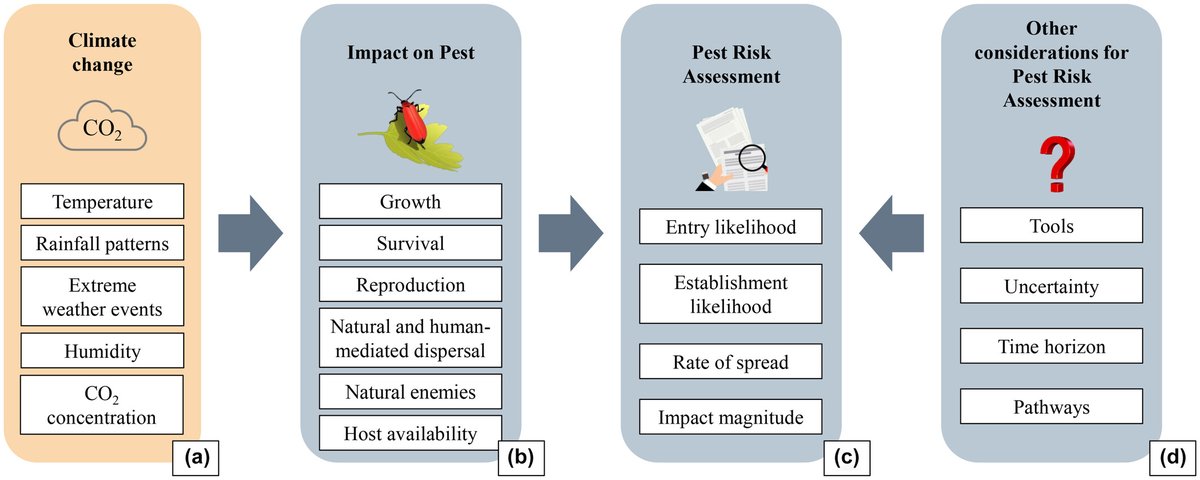
Join us for the second webinar in the #IPPC series on Climate Change & Phytosanitary Measures. Today's topic: Risk Assessment. Discussions on how climate change impacts plant pests and the need for innovative risk assessment frameworks.
🔗 Register here: https://t.co/v1encf0C79
#PlantHealth 🌱
📢 "Climate change is driving pests to spread faster, threatening global food security." – Arop Deng, OIC Secretary, @ippcnews.
Join our Webinar series on how climate change impacts plant health and what we can do about it! https://t.co/bgxe1UC1fq
#PlantHealth 🌱
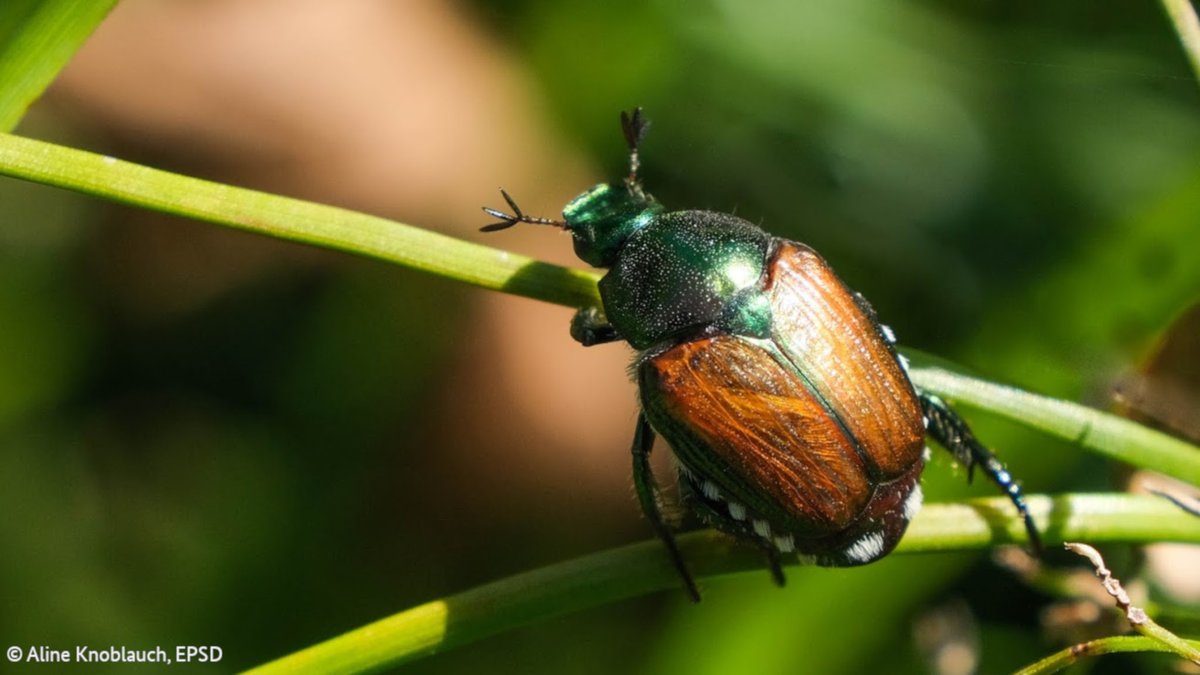
Have you seen this pest?
It's crucial to report sightings of this invasive species so that it can be contained.
It is currently present in part of Italy and Switzerland.
https://t.co/UDPU9sK0XZ
#planthealth
Der #Japankäfer ist sehr gefräßig – und damit eine Gefahr für #Landwirtschaft & Gartenbau. Er kam vermutlich als „blinder Passagier“ nach Europa. In der 🇨🇭 nahe der deutschen Grenze wurde erstmals eine größere Kolonie entdeckt. Damit steigt das Risiko einer Einschleppung nach 🇩🇪.
The paper from Rosace et al. 'Including climate change in pest risk assessment: Current practices and perspectives for future implementation' is now Open Access in the EPPO Bulletin. It provides detailed guidance for those considering this new challenge.
https://t.co/MqhtHiHHlB
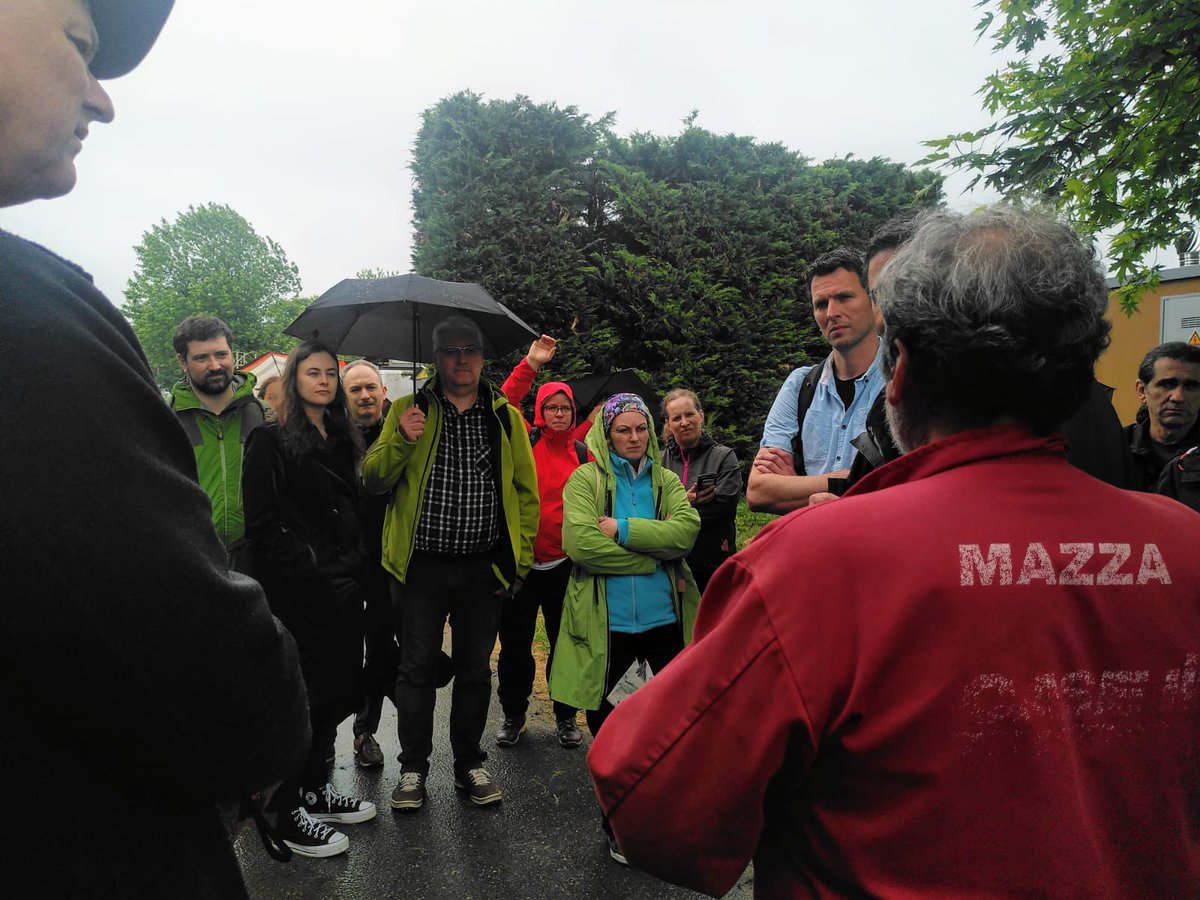
Today the EFSA Plant Pest Surveillance Network did a technical visit to the Rodolfi factory. Then, the Emilia-Romagna regional plant protection service presented the delimiting survey strategy in the Vicofertile region for Ralstonia pseudosolanacearum #Ralstonia#PlantHealth
In their open access paper in the EPPO Bulletin, Eyre et al. report on 'International collaboration to assess and manage the impacts of climate change on plant health in the framework of the International Plant Protection Convention.' https://t.co/FExCctbwWW
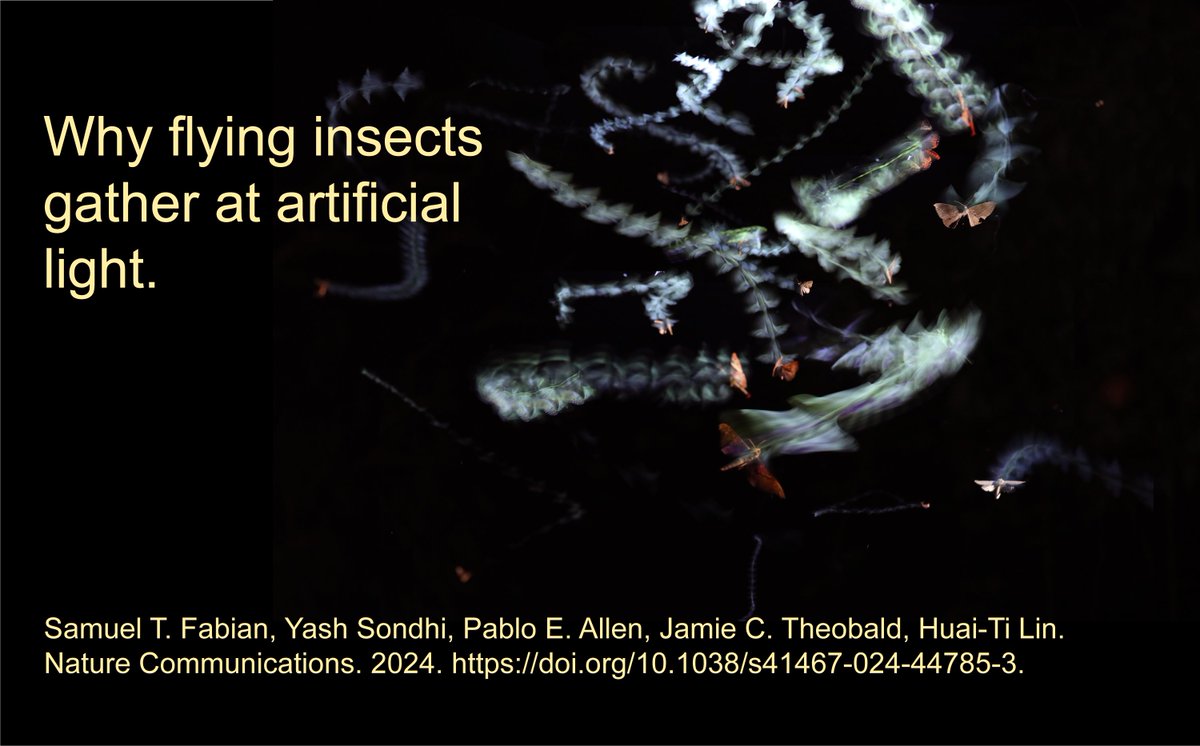
NEW PAPER: Ever wondered why insects fly in all sorts of crazy patterns around lights at night? So did we! We set about recording flying insects to work out what's going on. I'll summarise what we found in this 🧵. Spoiler: We don't think they confuse lights with the moon.
✨🦋 Have you ever taken a closer look at moths and noticed their beauty?
Check out this fantastic slow-motion video of 15 different moth species flapping their wings. 🦋✨
🎥 @DrAdrianSmith
Find out which part of Europe is infested by the Japanese beetle on our updated map! 🪲🗺️
From official bulletins, including 2022, at local scale.
➡️ Interactive map: https://t.co/wNvw8HZFnO
➡️ Data & R script: https://t.co/A3PTD6rgUQ
#Popilliajaponica#opendata@IPMPopillia
Please RT! We have an open #PostdoctoralResearcher position in ecology and biogeography in our lab @BioGeoMacro@uniGoettingen. 3 + 3 yrs.
All details are here: https://t.co/s4inaN2VXy
Deadline: 04.07.2023. Earliest starting date: 01.10.2023
DM or email me with questions.
Am heutigen internationalen #TagDerPflanzengesundheit (#IDPH) beenden wir unsere Serie von Schaderreger-Porträts mit einem ebenso hübschen wie gefährlichen Quarantäneschadorganismus: dem #Japankäfer (Popillia japonica). 📜 (1/7) #PlantHealthDay
Sind Sie zurzeit oft im Garten? 🌳
Womöglich könnten Sie dem #Japankäfer begegnen. Vorsicht: Der Schädling ist eine Gefahr für unsere #Pflanzen in der #Landwirtschaft und #Umwelt. Sichtungen sollten daher gemeldet werden.
Mehr dazu 👉 https://t.co/X6pROcnbGV
#PlantHealthDay