The Haitan laver (Pyropia haitanensis) is a large economic red alga endemic to China. It is cultivated in Pingtan since the Song Dynasty as an imperial tribute.
Located in the northern Taiwan Strait, it is a representative marine specialty of Fujian.
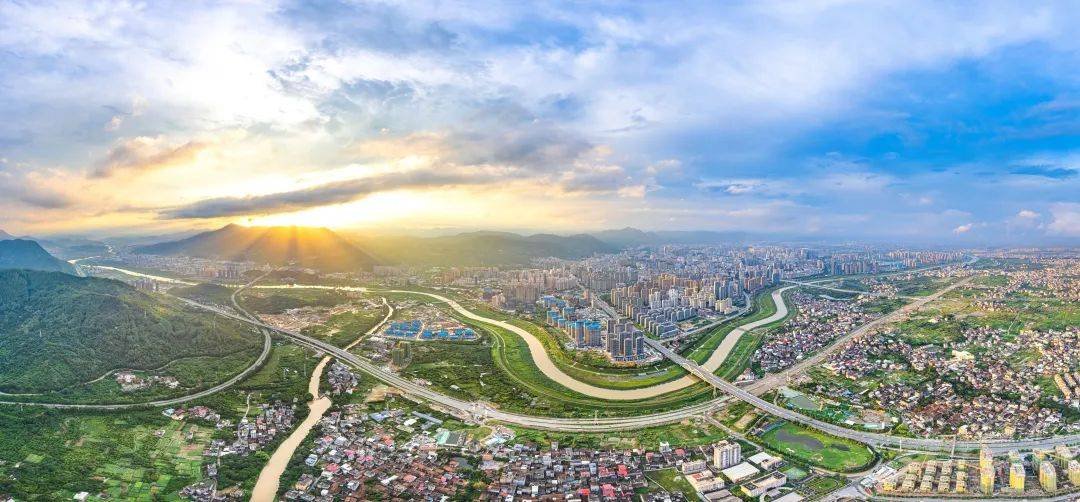
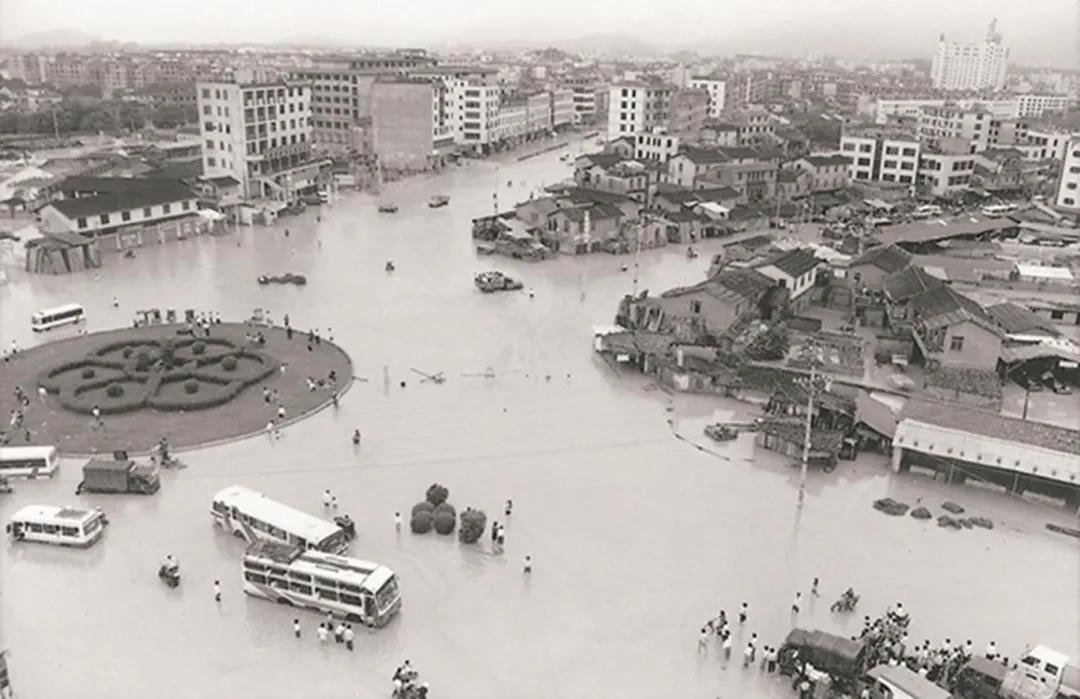
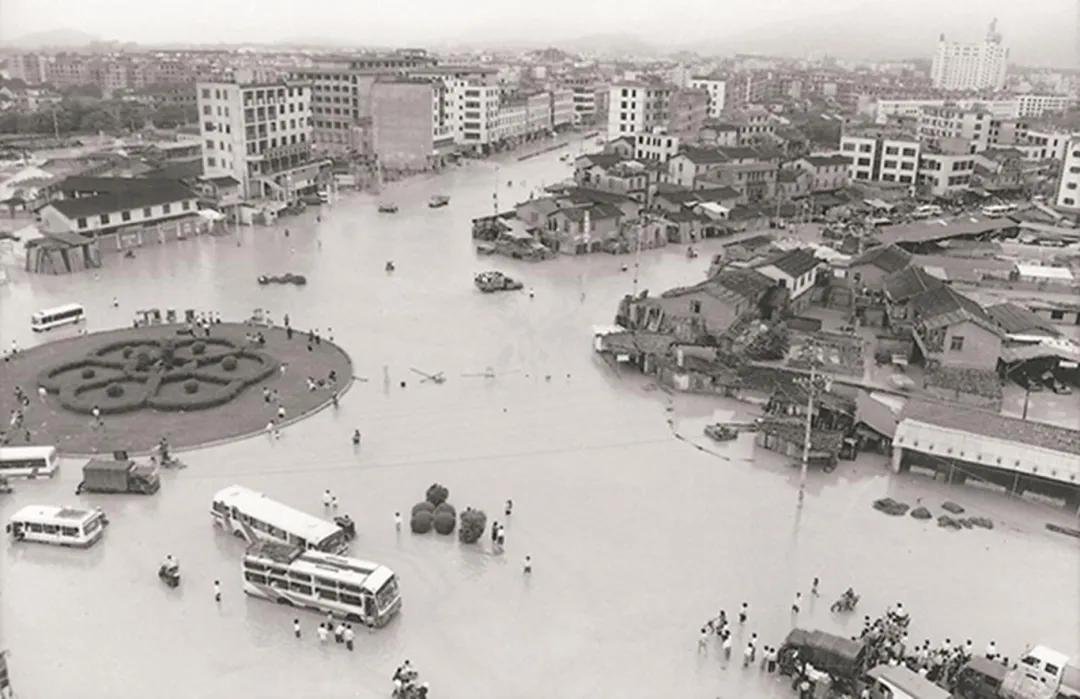
For centuries, Putian’s Mulan River brought devastating floods. In 1999, a typhoon left city streets waist-deep in water.
25 years on, mangroves shelter migratory birds and marathoners run along its banks.
#CPC105#Fujian
For centuries, Putian’s Mulan River brought devastating floods. In 1999, a typhoon left city streets waist-deep in water.
25 years on, mangroves shelter migratory birds and marathoners run along its banks.
#CPC105#Fujian
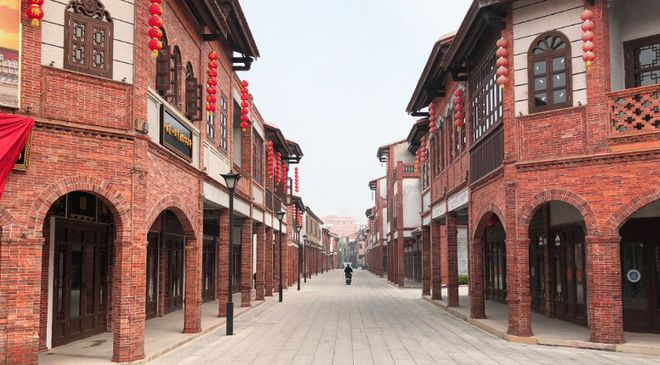
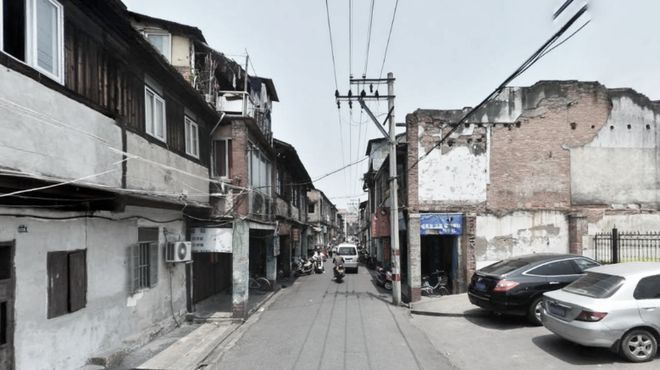
Some cities tear down the old to build the new. Zhangzhou chose restoration.
Its thousand-year-old ancient town, with red-brick arcades and swallow-tailed roofs, was carefully restored. Now it’s a living museum and vibrant cultural hub.
#CPC105#Fujian#Zhangzhou
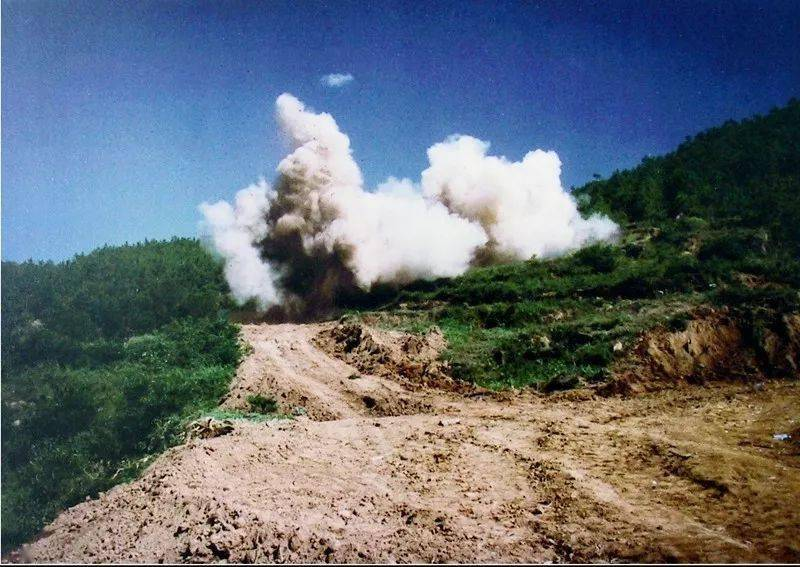
1981: The first construction blast on a dusty Huli hillside launched Xiamen’s Special Economic Zone.
40 years on: skyscrapers, a free trade zone, and one of China’s busiest container ports.
#CPC105#Xiamen
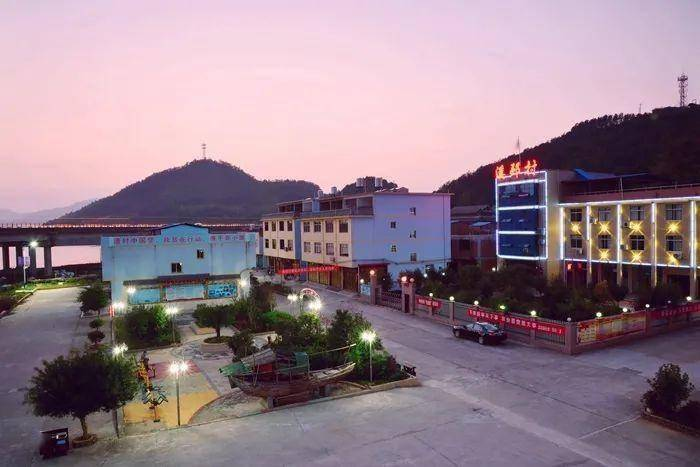
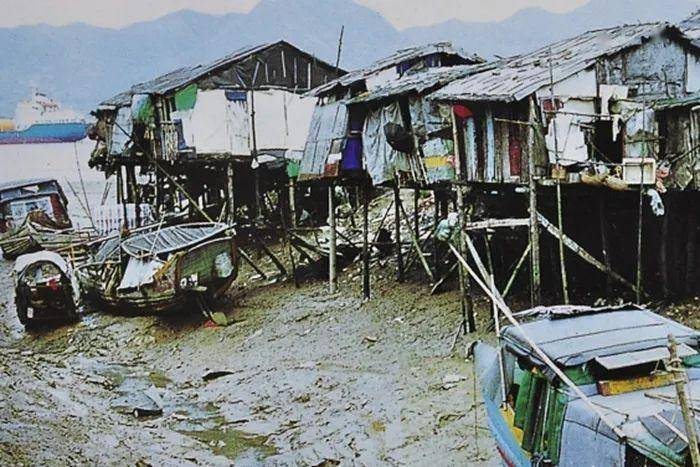
For generations, Fujian’s Lianjia boat dwellers lived on boats — no land, permanent address, or schooling for their children.
After Fujian’s landmark 1990s relocation program, they now live in modern apartments, with college-educated kids and their own businesses
#CPC105#Fujian
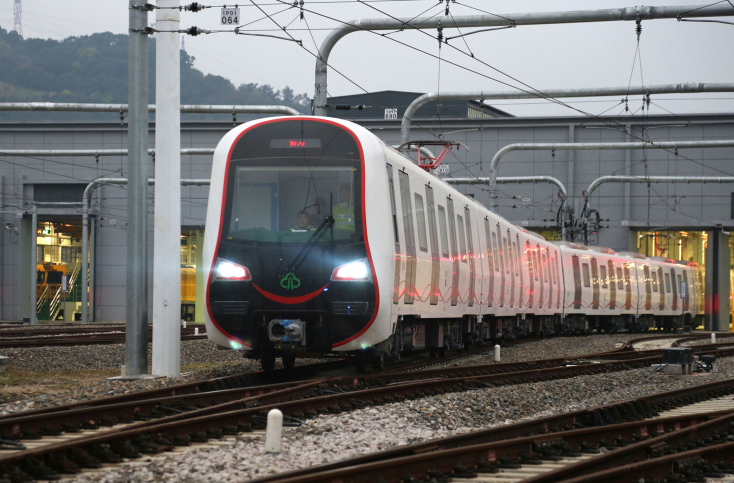
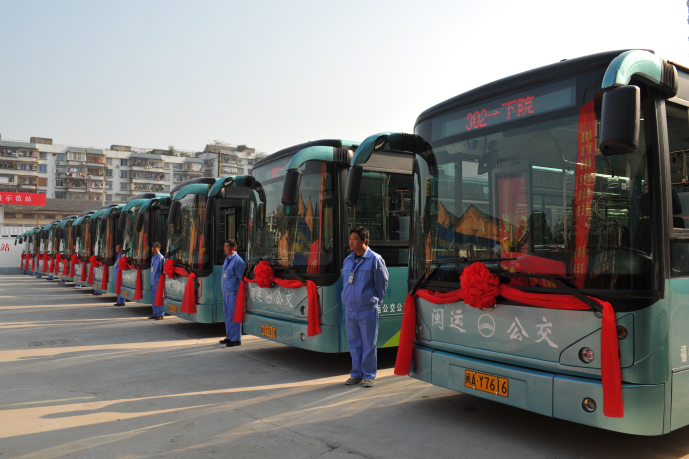
Back in the 1950s, Fujian had only 4 wooden buses in total.
Today:
✅ 9 operational metro lines
✅ 91% of buses run on new energy
✅ 100% of administrative villages connected by paved roads
✅ Free rural bus routes serving remote communities
#CPC105#Fujian
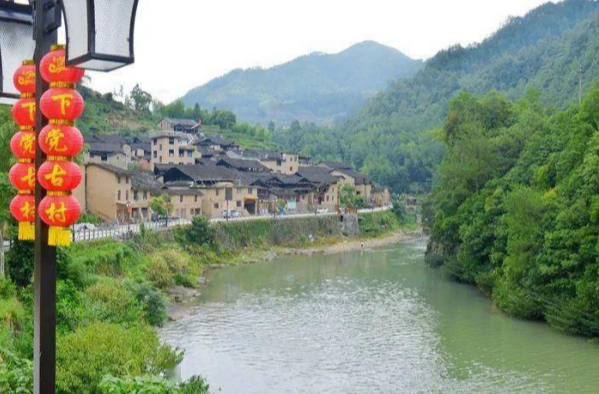
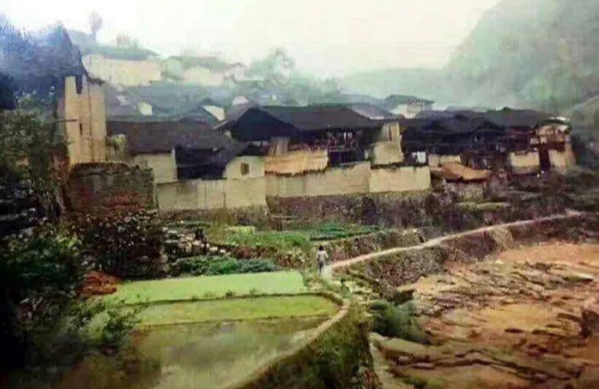
No paved roads, running , water, stable income, or permanent township office — that was Xiadang Township, Ningde, in the 1980s.
Today it thrives with tourist trails, tea plantations and homestays.
This is what "leaving no one behind" looks like in Fujian. 🌿
#CPC105#Ningde
Once a simple wooden crossing, Fuzhou’s Wanshou Bridge is now Jiefang Bridge, gateway to the vibrant "Heart of the Minjiang River".
On the 105th CPC anniversary, we see what "People First" has brought Fujian: from liberation to prosperity.
#CPC105#Fujian#Fuzhou#China
Xiamen amphioxus (Branchiostoma belcheri) is a second-class state-protected species in China. Not a true fish but one of the most primitive chordates, it is dubbed a "marine living fossil".
With strict habitat requirements for sandy substrates, seawater clarity and salinity.
The Great Knot (Calidris tenuirostris) is a Class II national protected wild animal in China, assessed as Endangered (EN) on the IUCN Red List. It mainly inhabits coasts, estuarine sandbars and adjacent marshes.
The Chinese horseshoe crab (Tachypleus tridentatus) is a 400-million-year-old marine "living fossil". Notable for inseparable breeding pairs, it is listed as Endangered (EN) on the IUCN Red List and a Class II national key protected wild animal in China.
Saunders's Gull (Saundersilarus saundersi) is a Class I National Key Protected Wild Animal in China, listed as Vulnerable (VU) on the IUCN Red List of Threatened Species.