Hidden in Plain Sight is a collaboration between @QMUL, @QMUL_HSS,@theUL, @MAACambridge, @NLWales, and other leading libraries. We’re using cutting-edge technology at Cambridge University Library to reveal the hidden stories of ancient books.
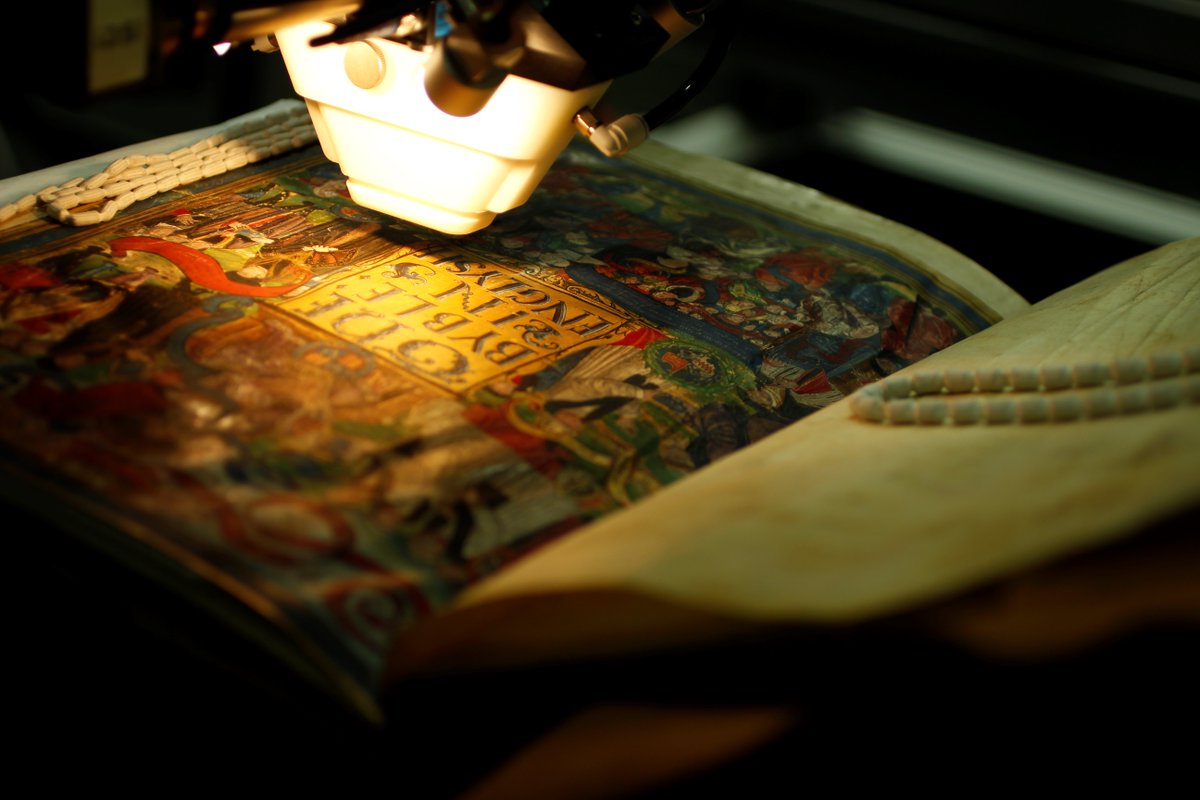
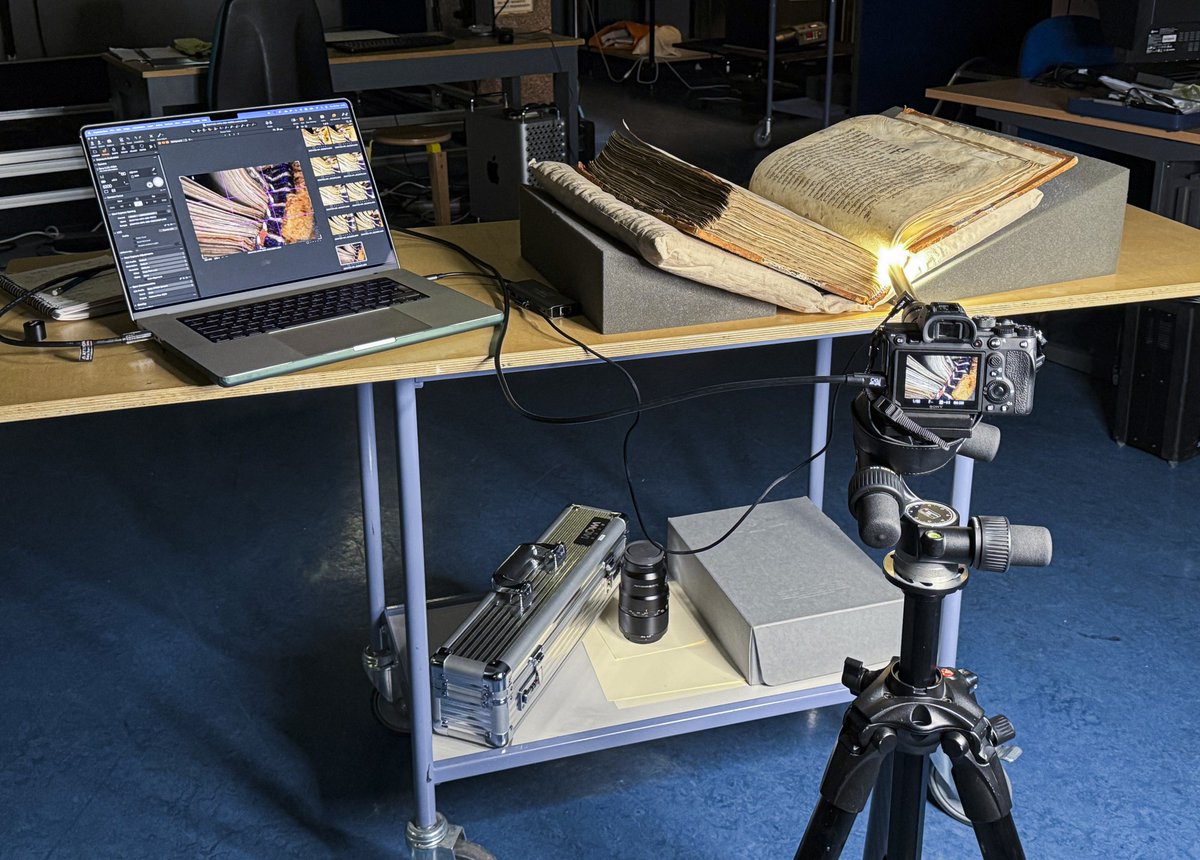
As part of the @HiPS_Project, Amélie Deblauwe, an imaging specialist at the Cambridge University Library's Cultural Heritage Imaging Laboratory (CHIL), is using macro photography to reveal details of the binding of a 15th-C Jewish prayer book (MS Add.662).
#HiddenInPlainSight
🚨 We're Hiring! 🚨 We're looking for a Research Project Coordinator to join our team! 📊 Interested? Apply here: https://t.co/eAxOSP8B59... Feel free to share and spread the word! #JobOpening#Hiring#ResearchJobs
Kicking off a new phase in the project! In the coming months, we’ll explore MSS from various libraries, focusing on different types of erasures. Featured MSS: @theUL Add.15.25, @FitzMuseum_UK MS 3-1967, @UoLLibrary MS 15, @TrinCollLibCam MS B.10.15, @ParkerLibCCCC MS 394.
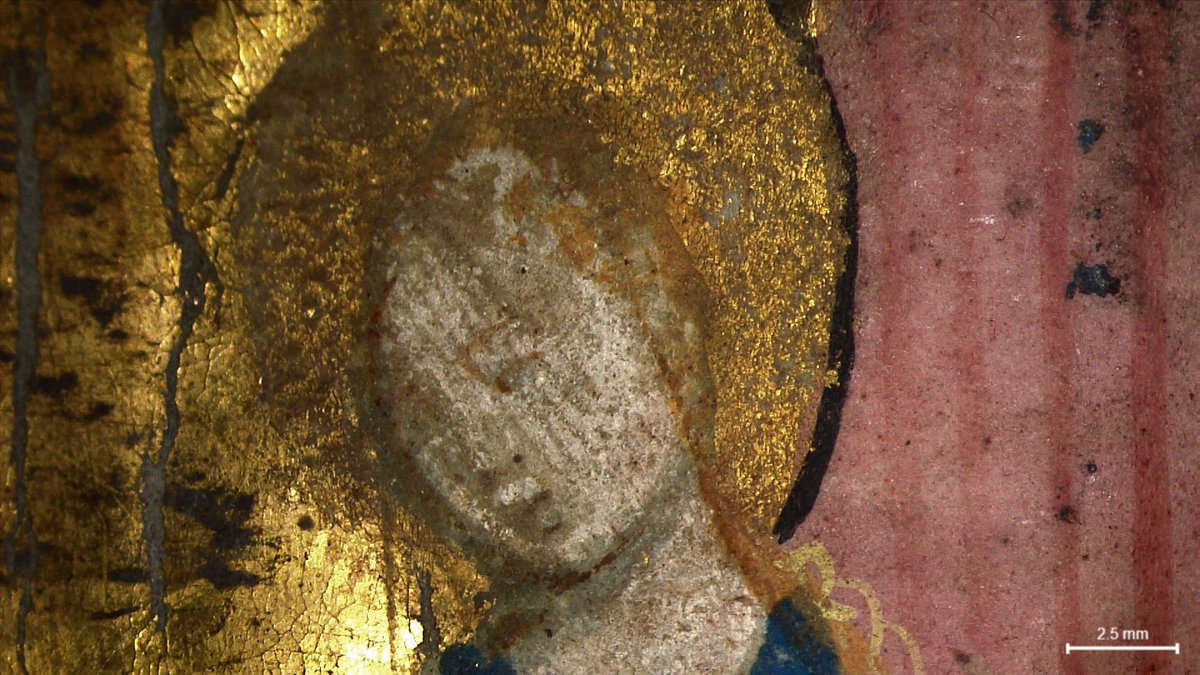
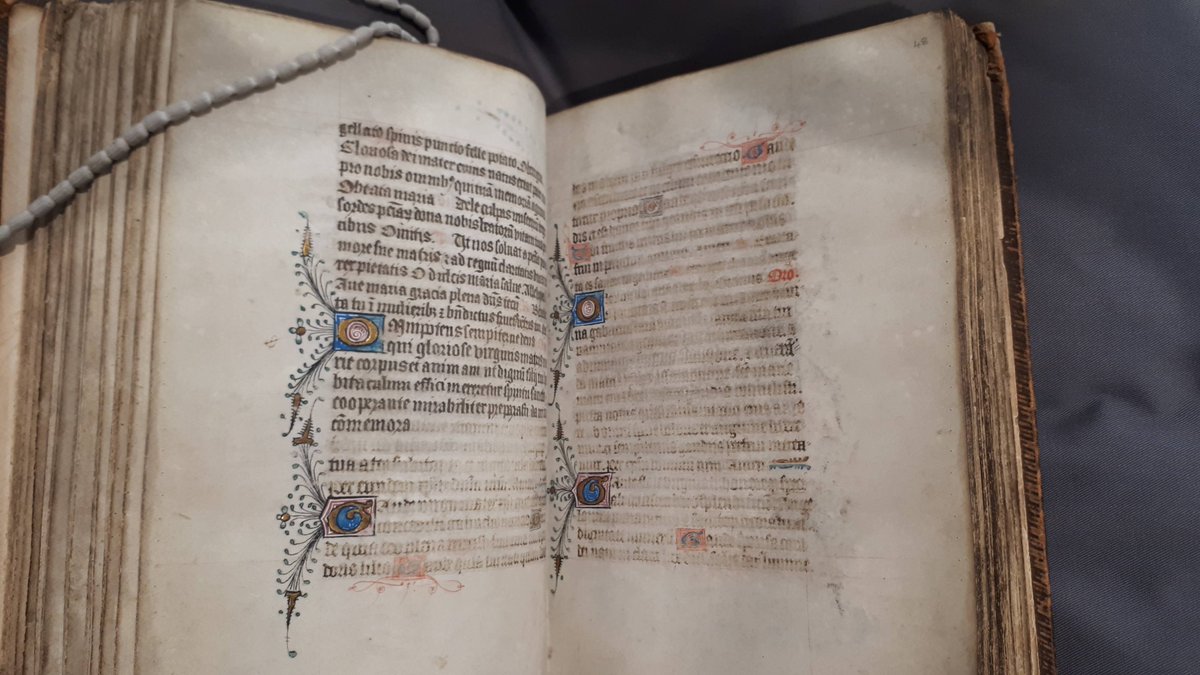
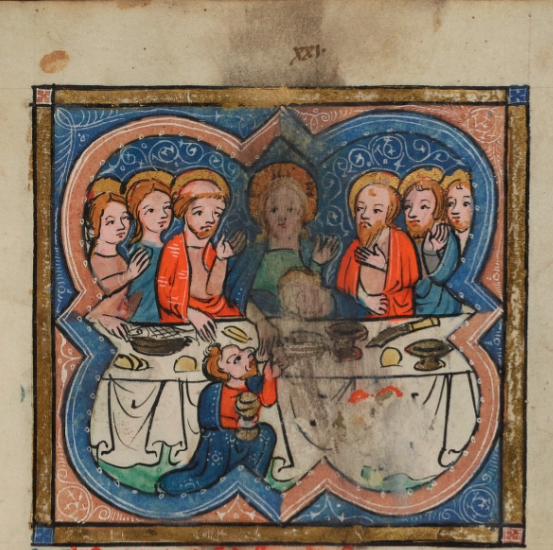
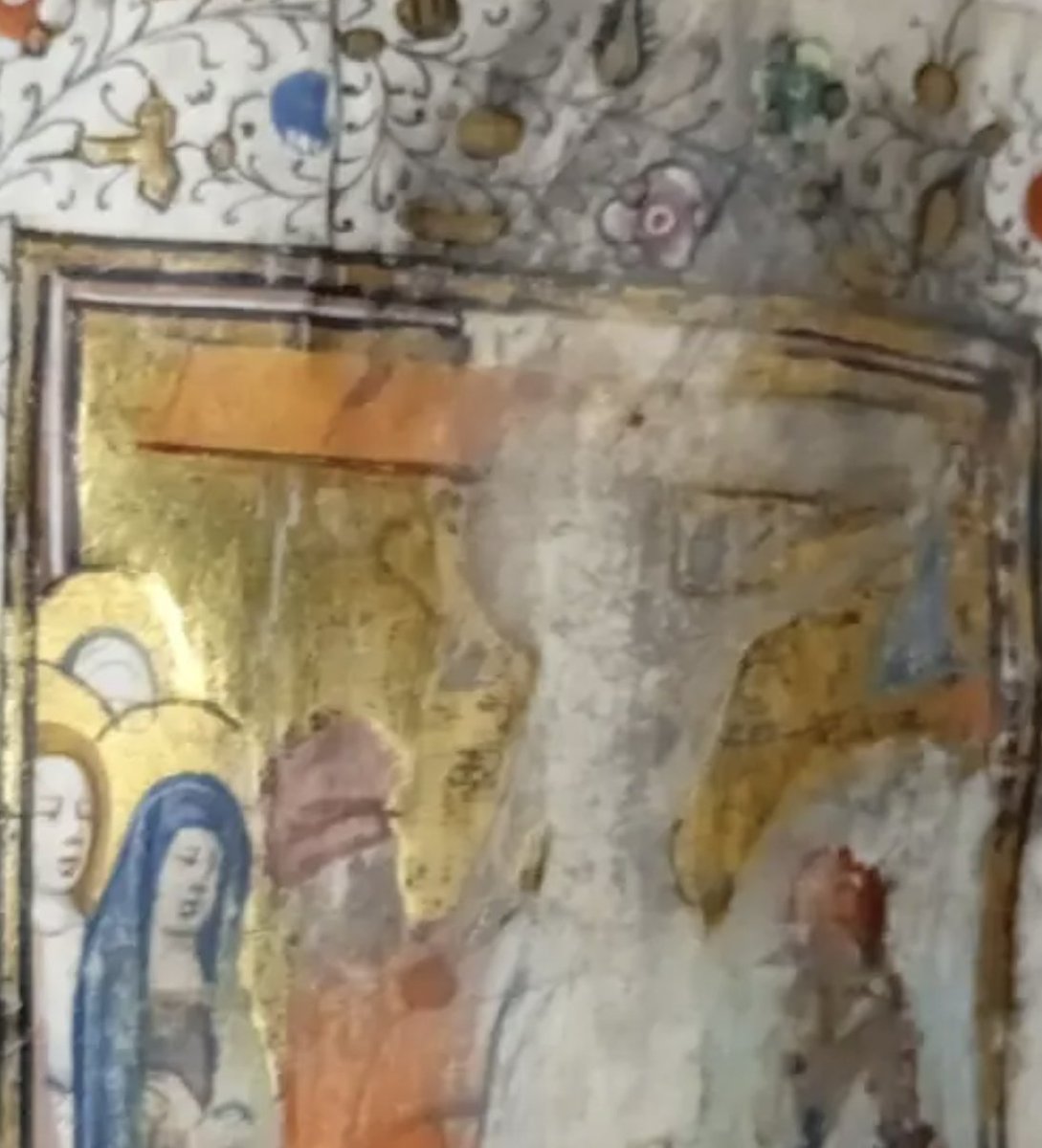
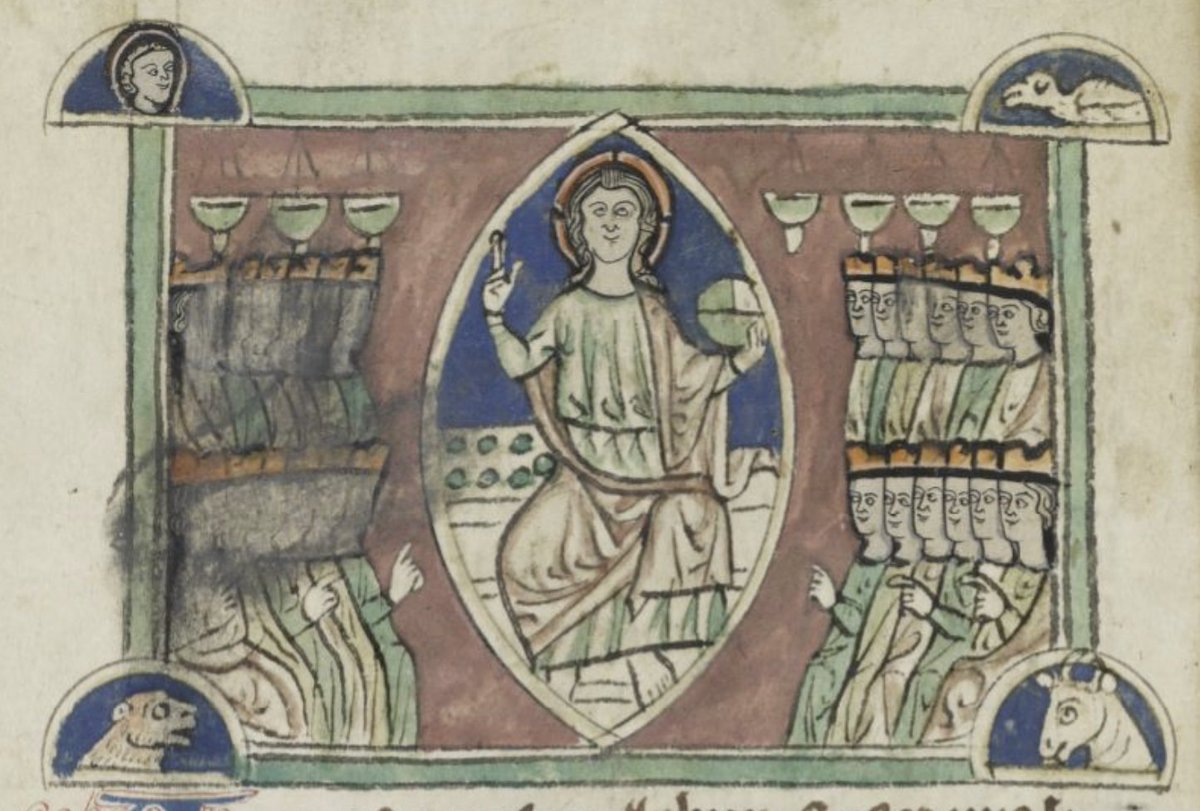
@theUL@FitzMuseum_UK@UoLLibrary@TrinCollLibCam@ParkerLibCCCC Dd.15.25 @CUL is a Latin 15th-c Book of Hours 'Secundum Consuetudinem Anglie’, made in Flanders. Partial erasures target the faces of Mary, Jesus, and Roman soldiers. Microscopy is the first step in distinguishing between devotional and intentional erasures. #MedievalManuscripts
David Mills [@QMUL] visited the Cultural Heritage Imaging Lab @theUL today for an OCT (Optical Coherence Tomography) session. We’re investigating the unique black material used to conceal several hymns in a 15th-century Jewish liturgical codex, CUL Add.662. #HebrewManuscripts
@QMUL@MAACambridge@SOAS Samane Sabzekar, History PhD student @QMUL, researches Islamic illustrated manuscripts. Her master’s explored text-image dynamics in Persian manuscripts. Now @HiPS_Project, she focuses on occult sciences in Islamic lands, with a special interest in amulets and talismans.
Meet the team! Over the next few weeks, we’ll introduce our brilliant members from @theUL, @QMUL, @NHM_London, @FitzMuseum_UK, and @MAACambridge, all united for @HiPS_Project. Pictured here with our esteemed Advisory Board at the annual meeting. Stay tuned!
@QMUL Dr. Ayesha Fuentes, objects conservator and postdoc @MAACambridge, specializes in Asian material religion. With a PhD from @SOAS, she’s now exploring the use and transformation of fabric-printed texts in Himalayan Buddhist traditions as part of the HiPS project. #MaterialCulture
🕵️♂️ @CUL MS Add.662, a 15th-century Ashkenazi Mahzor, has many Piyutim obscured by a waxy substance. However, one gloss shaped like a Magen David is partially visible after our MSI and XRF analyses. Can anyone help decipher the text beneath?
Unveiling the hidden secrets in ancient books using heritage science tech 🔬
The @HiPS_Project project has been enabled by the @UKRI_News@ahrcpress World Class Labs programme. Find out more about this work's impact in AHRC’s latest blog post: https://t.co/yLYoM5RoOW
@QMUL_HSS
@HiPS_Project@UKRI_News@ahrcpress@QMUL_HSS Investment into the @theUL's Cultural Heritage Imaging Laboratory, has allowed the @HiPS_Project team to access a variety of innovative technologies to explore how sacred books were used, modified and venerated. Discover some of the technologies in this thread...
@HiPS_Project@UKRI_News@ahrcpress@QMUL_HSS One of the first techniques used by the @HiPS_Project was microscopy. Analysis of a 15th Century Book of Hours (CUL Dd.15.25) revealed damage marks created by an as yet unknown tool.
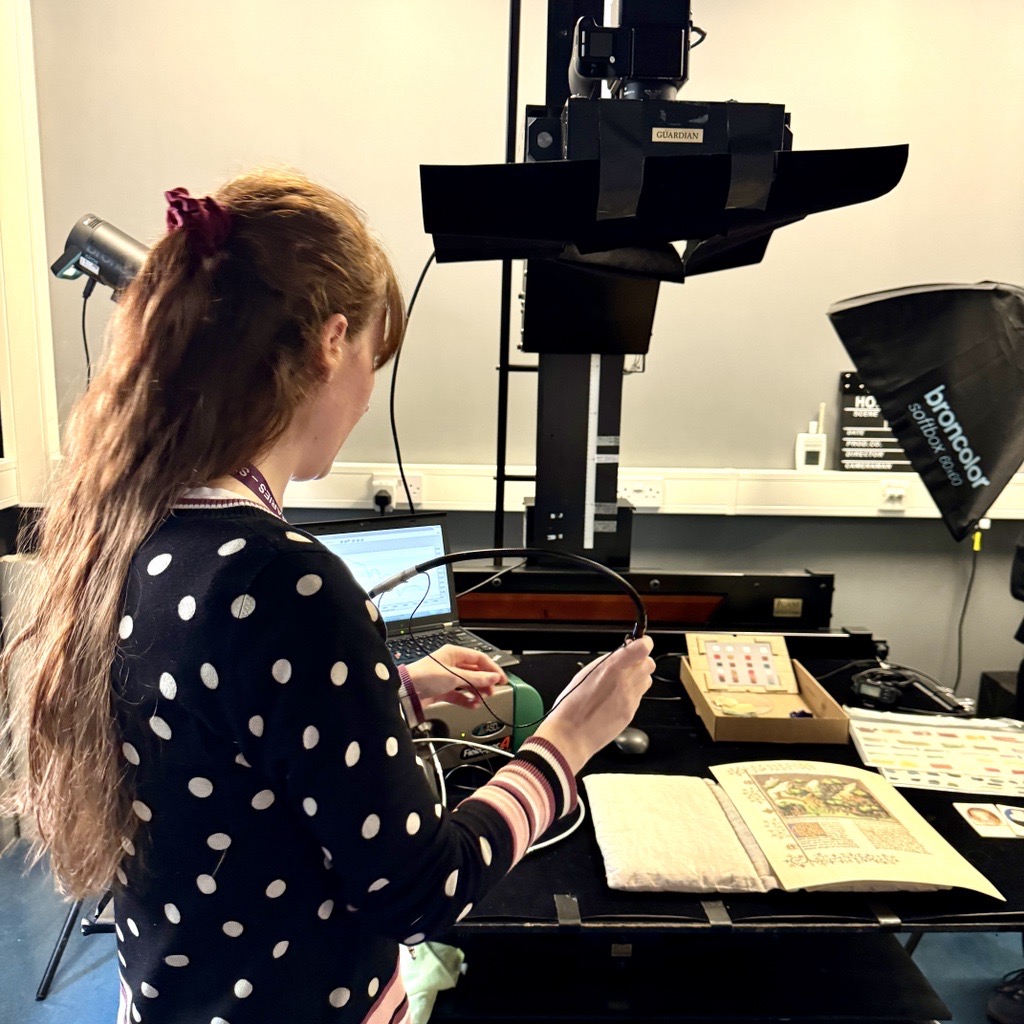
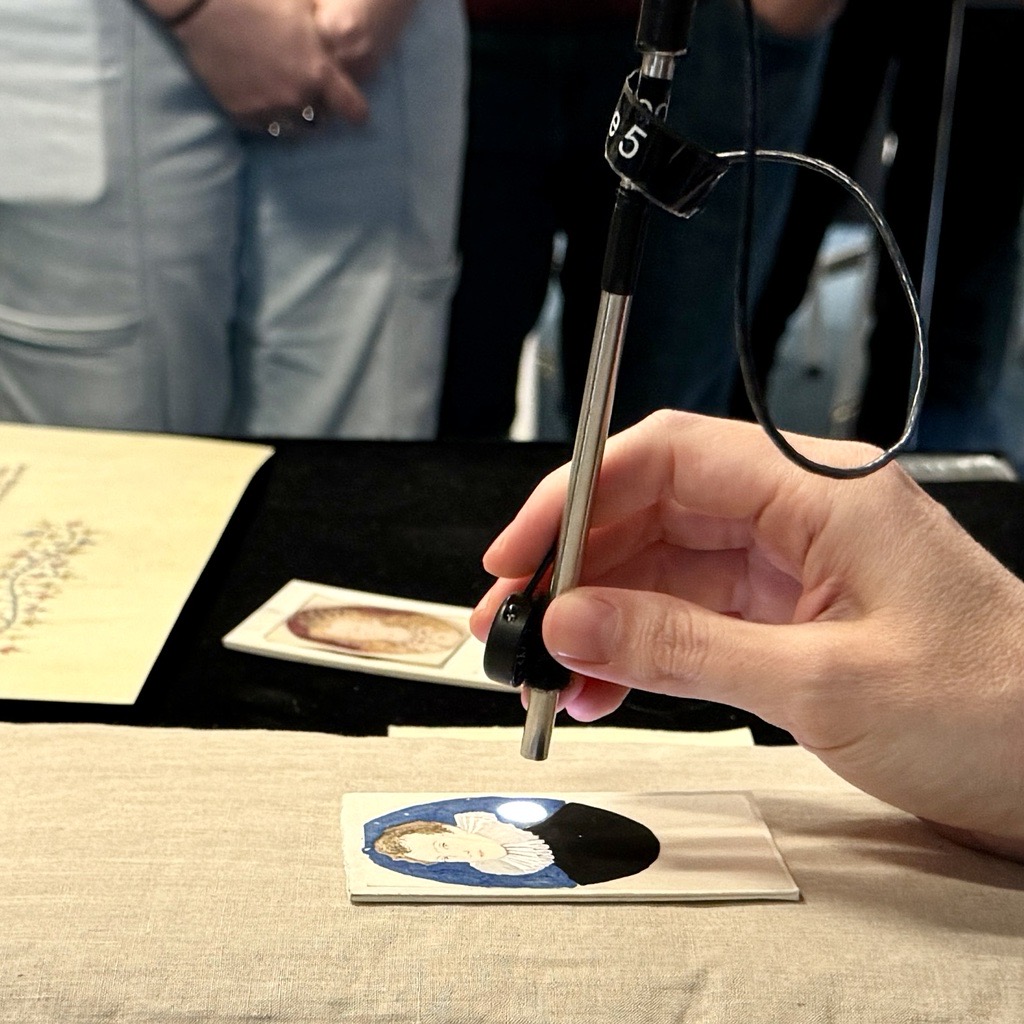
@HiPS_Project@UKRI_News@ahrcpress@QMUL_HSS Another example of a technique being used in the @HiPS_Project is Fiber Optic Reflectance Spectroscopy (FORS). This is a non-invasive technique to identify pigments and dyes. Here is @theUL’s first Heritage Scientist, Flavia Fiorillo demonstrating how it’s done!




![HiPS_Project's tweet photo. David Mills [@QMUL] visited the Cultural Heritage Imaging Lab @theUL today for an OCT (Optical Coherence Tomography) session. We’re investigating the unique black material used to conceal several hymns in a 15th-century Jewish liturgical codex, CUL Add.662. #HebrewManuscripts https://t.co/zXqmcPeiT7](https://pbs.twimg.com/media/GcW7UF5WEAEAzY_.jpg)
![HiPS_Project's tweet photo. David Mills [@QMUL] visited the Cultural Heritage Imaging Lab @theUL today for an OCT (Optical Coherence Tomography) session. We’re investigating the unique black material used to conceal several hymns in a 15th-century Jewish liturgical codex, CUL Add.662. #HebrewManuscripts https://t.co/zXqmcPeiT7](https://pbs.twimg.com/media/GcW7BGGXYAAi9Ks.jpg)








![HiPS_Project's tweet photo. David Mills [@QMUL] visited the Cultural Heritage Imaging Lab @theUL today for an OCT (Optical Coherence Tomography) session. We’re investigating the unique black material used to conceal several hymns in a 15th-century Jewish liturgical codex, CUL Add.662. #HebrewManuscripts https://t.co/zXqmcPeiT7](https://pbs.twimg.com/media/GcW75gmWkAA7U2V.jpg)