I've been hearing a lot about this common concern: "Are kids getting too many vaccines?"
It's a fair question. I'm a parent too. And as an infectious diseases physician who directs an antibiotic stewardship program, a big part of my job is stopping unnecessary medications. I'm a minimalist by nature - both personally and professionally.
But here's what most people don't realize:
A shocking fact in vaccine science: Kids today are exposed to FEWER antigens from vaccines than children in 1900 - when there was literally ONE vaccine (smallpox).
In 1986, kids received about 10 shots protecting against 7 diseases. Those vaccines exposed them to over 3,000 antigens - the pieces of viruses or bacteria (like proteins or sugars) that teach the immune system to recognize and respond to real infections.
Today's schedule includes more injections - about 50 by age 18 - but the total number of antigens is just ~150. That's a 95% reduction in antigen exposure, thanks to modern acellular and conjugate vaccine designs.
The data over 18 years (Offit et al., Pediatrics 2002):
🔹1900: 1 vaccine (smallpox) = ~200 antigens
🔹1986: ~10 vaccines = 3,000+ antigens + 3mg aluminum
🔹2025: ~50 vaccines = ~150 antigens + 5-6mg aluminum
As for aluminum adjuvant - a compound added to help trigger a stronger immune response - children today receive about 5–6 mg total over the full vaccine schedule, up from ~3 mg in 1986. That's a modest increase over 18 years. For perspective, infants ingest ~7–10 mg of aluminum just in their first six months from breast milk or formula.
So yes, there are more shots. But the actual antigen exposure is dramatically lower than it was in 1986 - or even 1900. Modern vaccines stripped out thousands of extra proteins while adding protection against Hib meningitis, pneumococcal sepsis, chickenpox complications, liver cancer, HPV cancers, and more.
TL;DR: Modern vaccines do far more with less. That's progress. Let's not go backwards.
@BradSpellberg@mtosterholm@ReporterGoodman@HelenBranswell@thekibosch@ENirenberg@AliSMV7@atrupar@alejodiaz81@zacroBID@ThePharmFox@DhandAbhay
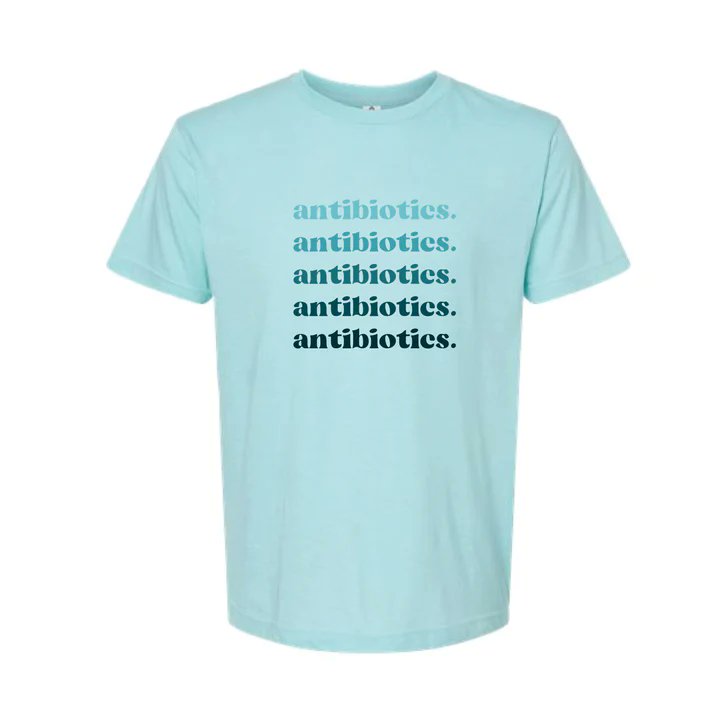
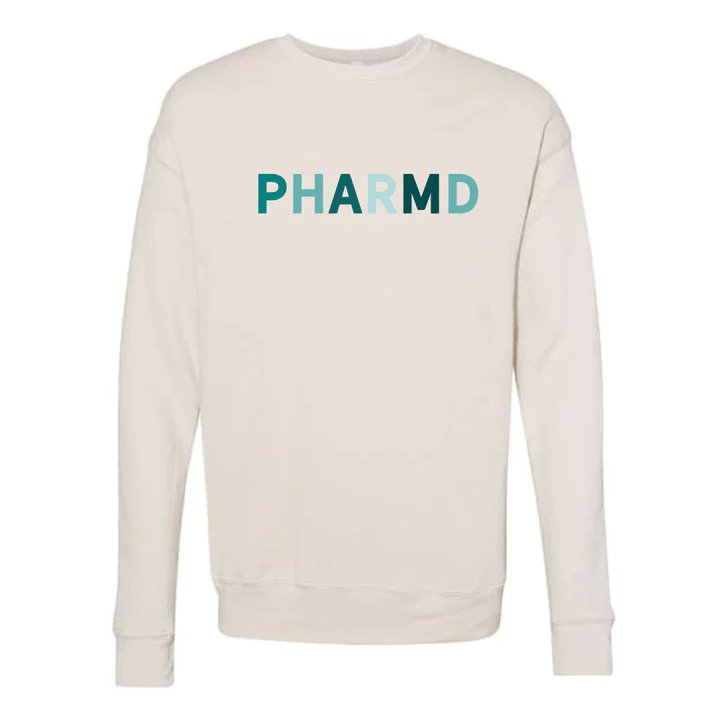
ID friends! 🧫🦠😃 I've collaborated with Ink and Thread to make ID/antimicrobial stewardship themed shirts and sweatshirts plus a PharmD one. Here are some examples! Link: https://t.co/8oXXBY952g
Share with your ID friends! #IDtwitter#IDXposts
Its scary!!
Another Step Towards Pan-β-Lactam Resistance?
The first clinical case of US patient harboring an NDM-Producing E.coli Clinical Isolate Exhibiting Resistance to Cefiderocol and Ceftazidime-Avibactam + Aztreonam combo @SimnerLab@OFIDJournal
https://t.co/YmtQloPlJf
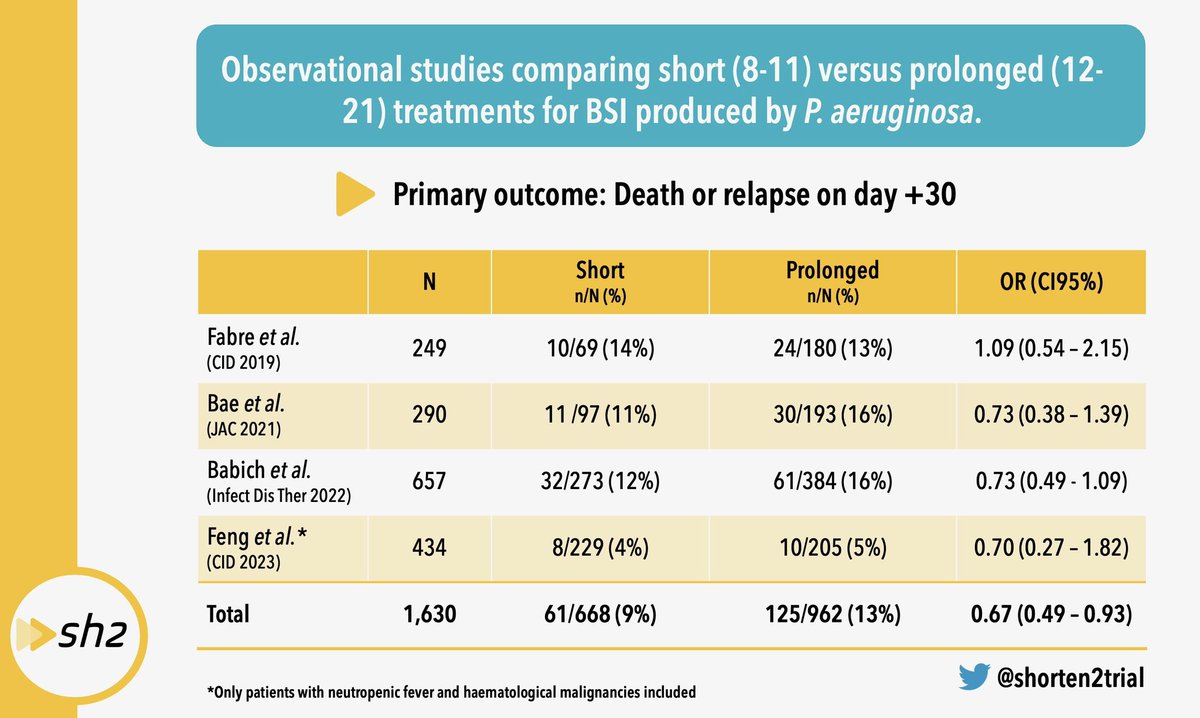
4 large observational studies supporting the efficacy of shorter courses for Pseudomonas aeruginosa BSIs !
Ongoing RCT(s):
@shorten2trial
7 Vs 14-days of treatment for
Pseudomonas aeruginosa BSI
Will the #BALANCE trial address this question?
Others?
H/t @shorten2trial#idxposts
UMMC's Antimicrobial Stewardship Program is going purple for U.S. Antibiotic Awareness Week! We've kicked off our celebrations early with some fun activities around campus 🧵#USAAW23#AntimicrobialResistance#IDTwitter
#MicroRounds (Day 977): "day at the beach"
For a lab to conclusively detect beta-lactamase in Staphylococcus spp. this is the zone-edge test (aka "sandy beach test").
Around a penicillin disk a sharp ("cliff"): beta-lac(+). A fuzzy edge ("beach"): (-)
#ASMClinMicro#IDTwitter