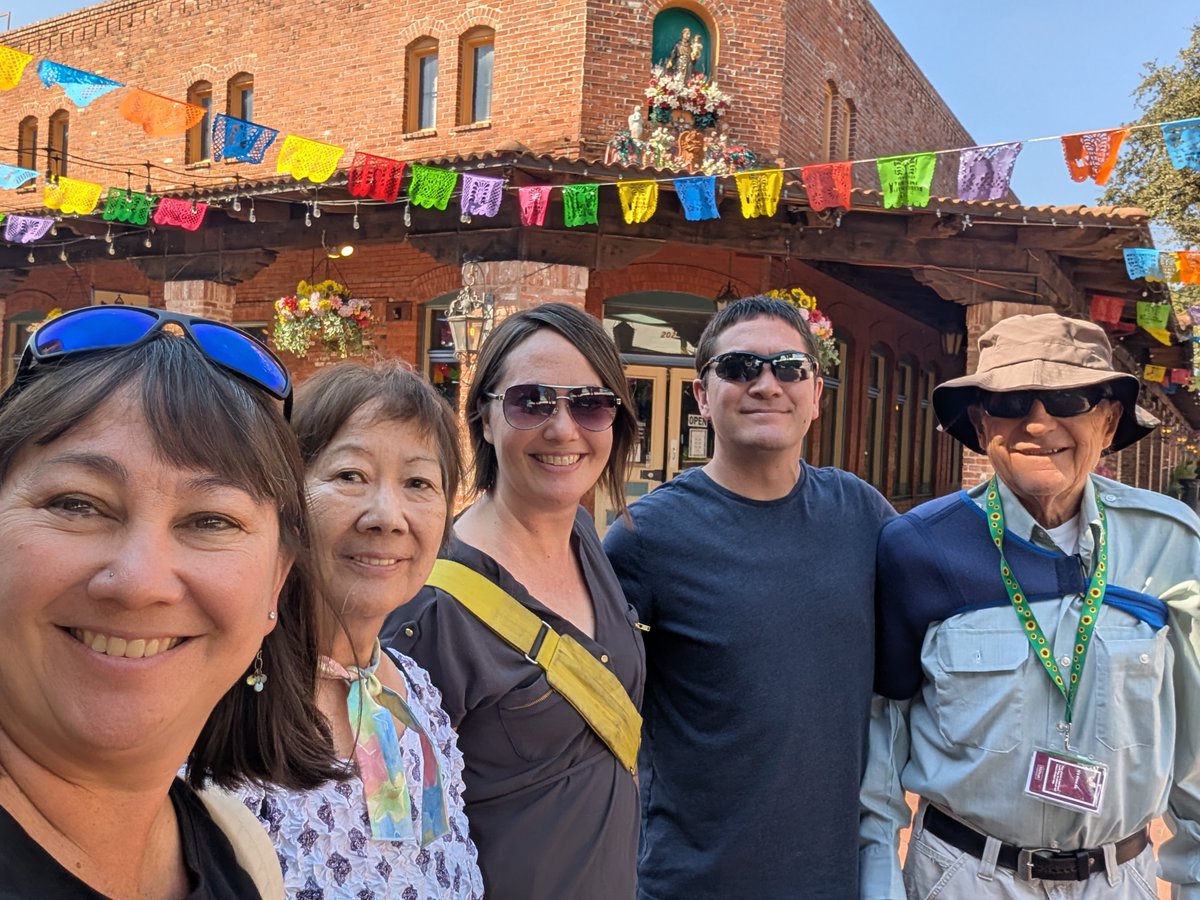
Dan Sakura did a great job preparing members of the Japanese American Confinement Sites Consortium for their April fly-in to meet with members of Congress and the Interior Department to seek support for vital programs.
https://t.co/v8NXzGGWsx
Before World War II, Frank Emi owned a grocery store in Los Angeles. He lost it when he was forced into Heart Mountain. In camp he was a leader of the Fair Play Committee. He's featured in our new exhibit about draft resisters opening May 17. https://t.co/3UsuSyBzgf
Our educator workshop program involves four other confinement sites from the Rocky Mountain area. We'll be traveling around the country teaching educators about this pivotal part of American history that's increasingly relevant today.
https://t.co/8VicRim6FX
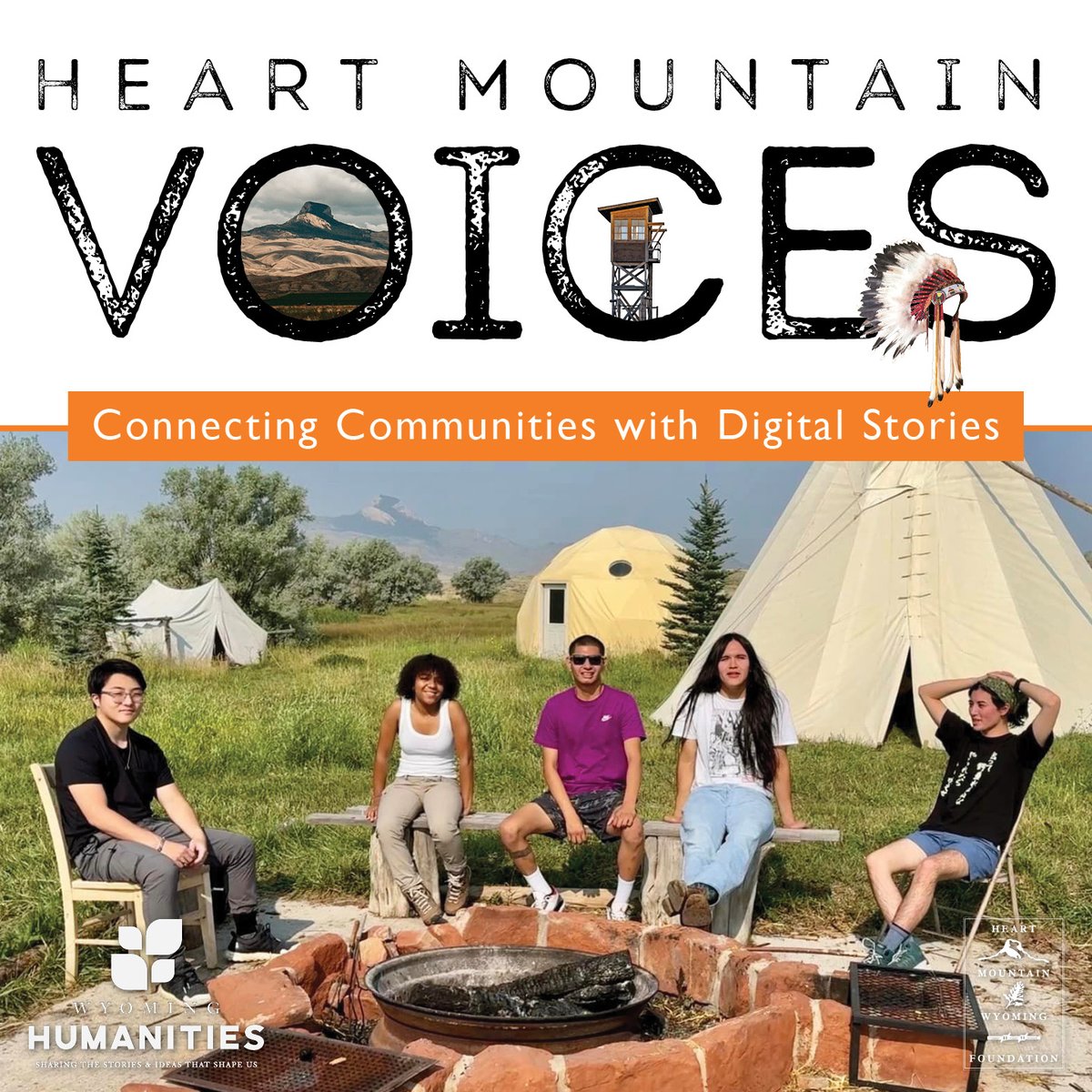
Join us at 5:30 p.m., Thursday, April 23 at the Little Big Horn Tribal College Cultural Building in Crow Agency, MT, for a showing of Heart Mountain Voices, a video showing the relationships of Apsaalooke and Japanese American young people to Heart Mountain.
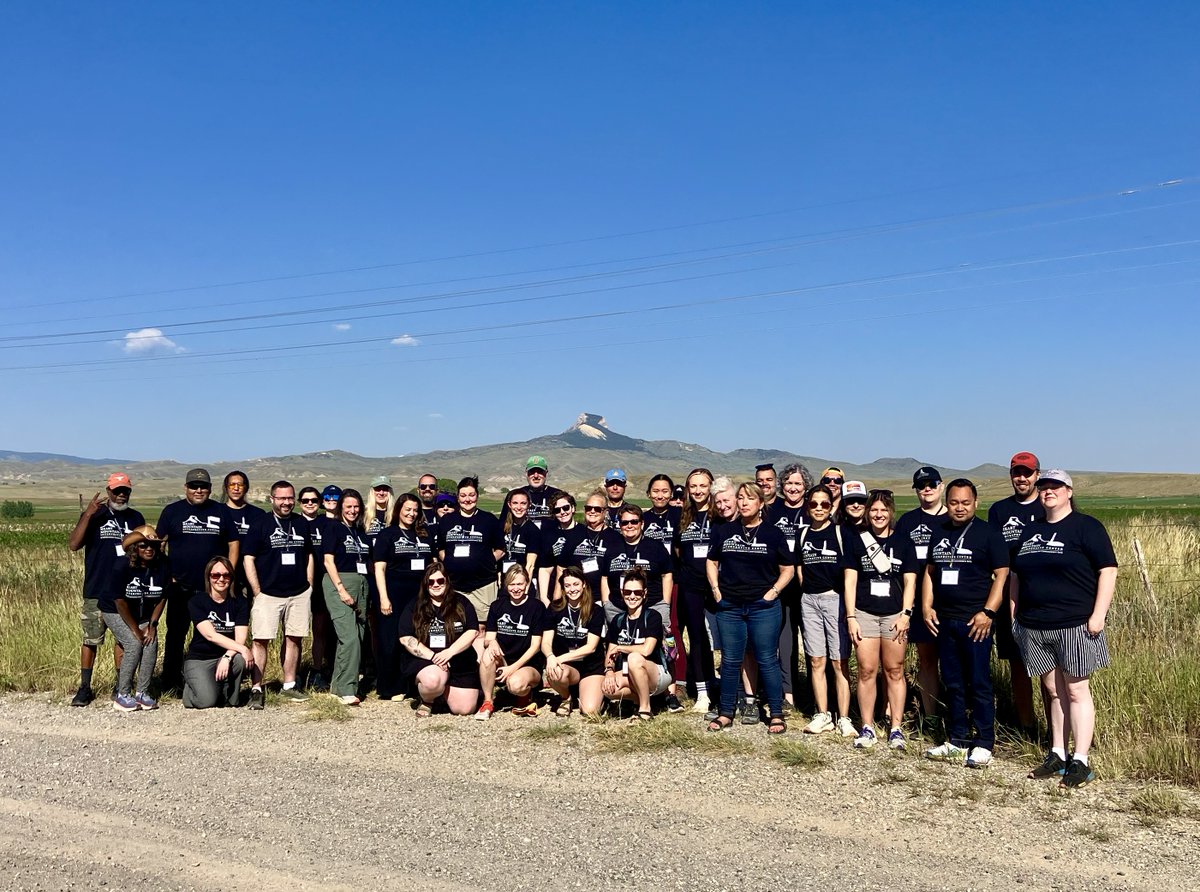
Our success in running educator workshops, including the group pictured here from 2024, helped us win support for five years' worth of workshops starting two months from now. We'll assemble a group of 30 educators from 17 states from Maine to California. We can't wait!
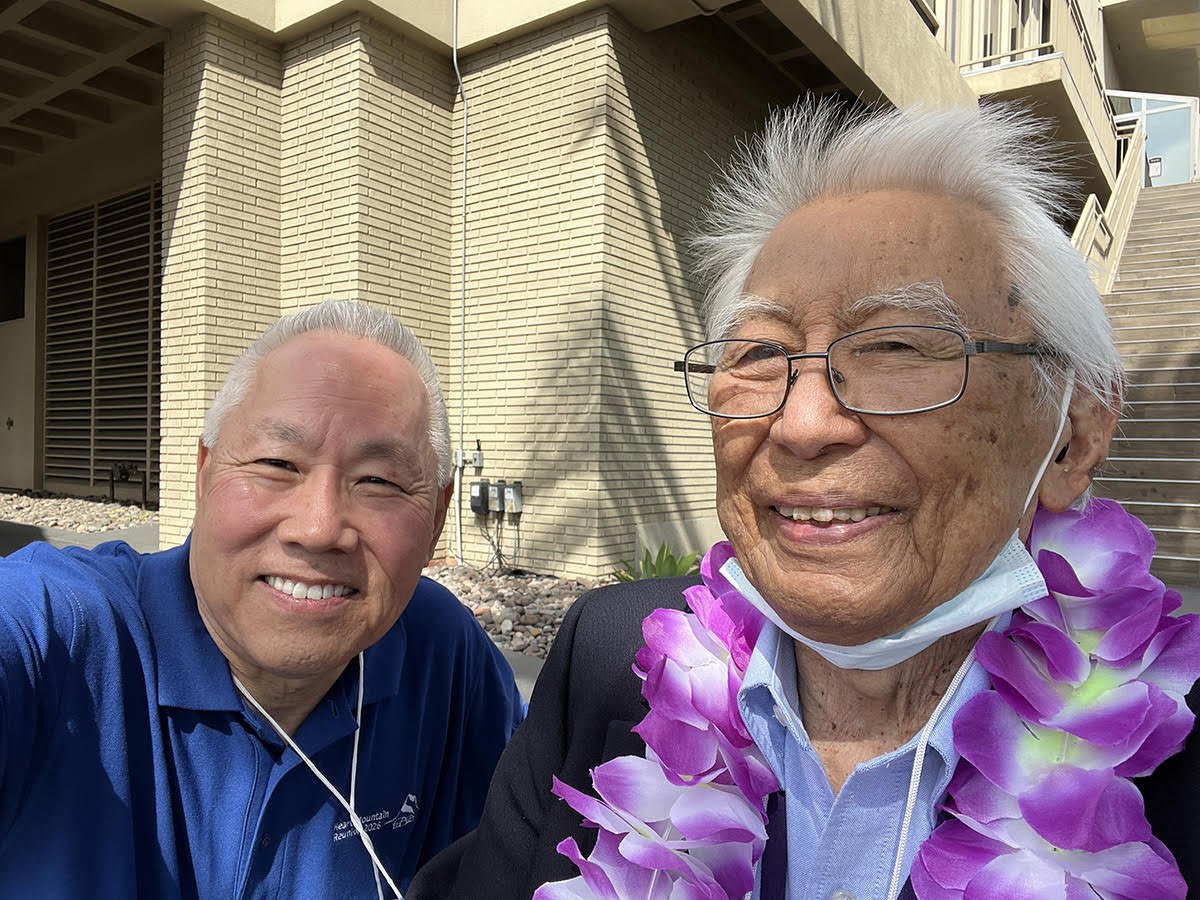
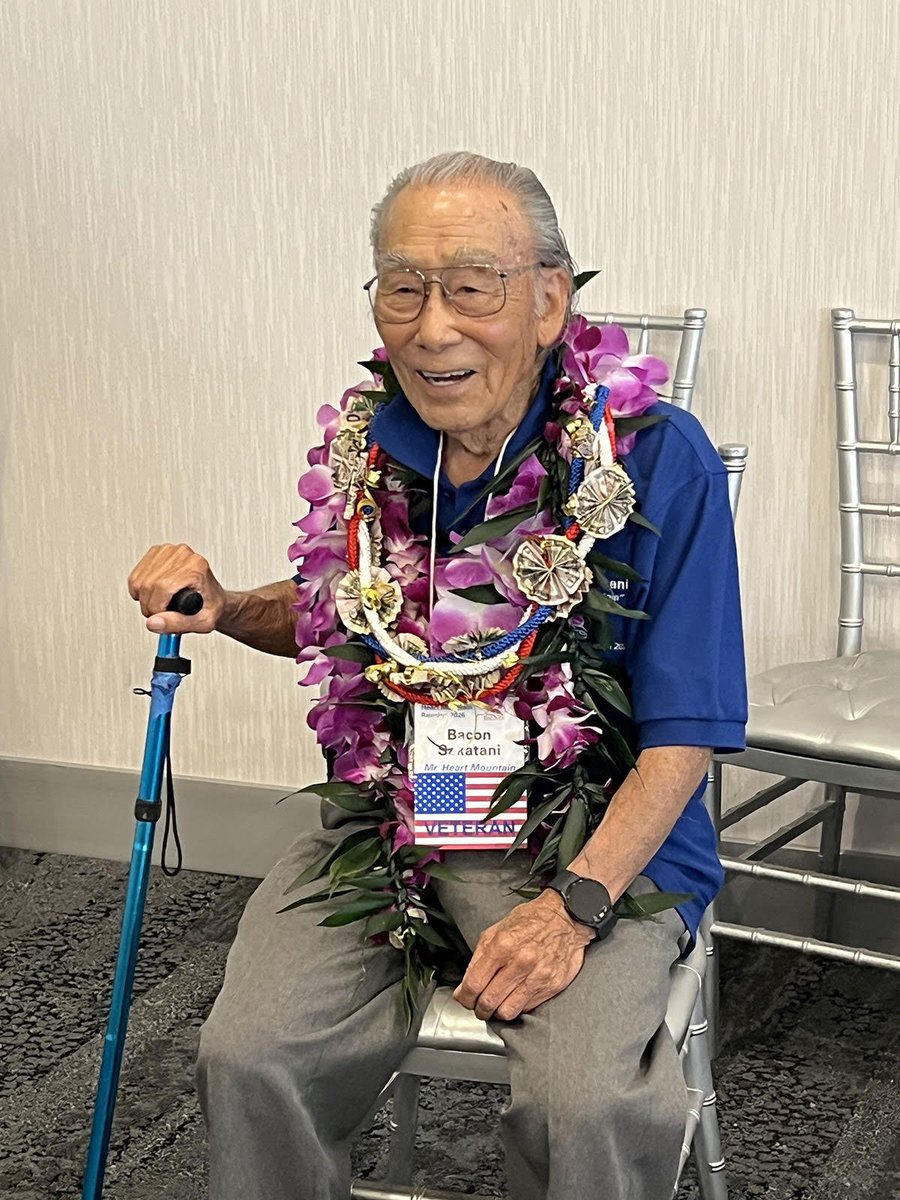
Bacon Sakatani and Takashi Hoshizaki helped create the Heart Mountain Wyoming Foundation and make the site where they were incarcerated during World War II into a museum. They were in Los Angeles for a recent reunion of incarcerees. They were joined by David Fujioka.
We've joined with our partner organizations from Colorado, Idaho, Montana and Utah for a series of teacher workshops about the Japanese American incarceration. @HiguchiJD and Eric Muller tell Isabel Spartz of KTVQ why these workshops matter.
https://t.co/Sfs7fjZ3lq
We convened five Japanese American confinement site organizations at Heart Mountain last weekend to develop our plans for three years of public events and educator workshops designed to share the history of the Japanese American incarceration. @HiguchiJD explains why.
The administration's proposed elimination of funding for the Japanese American Confinement Sites program will hurt places like Heart Mountain, Topaz, Minidoka, Manzanar and other organizations trying to tell this history. We're working to reverse it.
https://t.co/rDQl4oNRGe
Sam Mihara was nine when he and his family were incarcerated at Heart Mountain, where his father went blind and his grandfather died of mistreated cancer. He knows what it means to have your rights stripped because of hysteria.
https://t.co/2zKpFNbLQ4
Join Executive Director Aura Sunada Newlin and shakuhachi flute maestro Michael Chikuzen Gould at the Lakewood, Ohio, Public Library tomorrow for two events. Cleveland was a refuge for Japanese Americans during World War II. See more details here:
https://t.co/i1t2T0uJK2
Miyo Koba was a teenager when she and her family were forced from their home in Toppenish, WA, and incarcerated at Heart Mountain. She spent most of the rest of her 101 years in Moses Lake, WA.
https://t.co/F9NkEZ7BmW
Thanks to @MellonFdn, we were able to build the Mineta-Simpson Institute, which is dedicated to amplifying the examples set by Norman Mineta and Alan Simpson in public service. They first met behind the barbed wire at Heart Mountain.
https://t.co/7XhAuXsvpf
We welcome the help of Wyoming’s senators and the @BLMNational in getting the historic hospital building land turned over to @HeartMountainWY.
https://t.co/K9fTM92h2A
We agree with @worldatlas: Cody is an overlooked gem of the Rockies. Come visit us and see the rest of Cody, too, such as the @centerofthewest and historic Irma Hotel.
https://t.co/UlEIkVyZkn
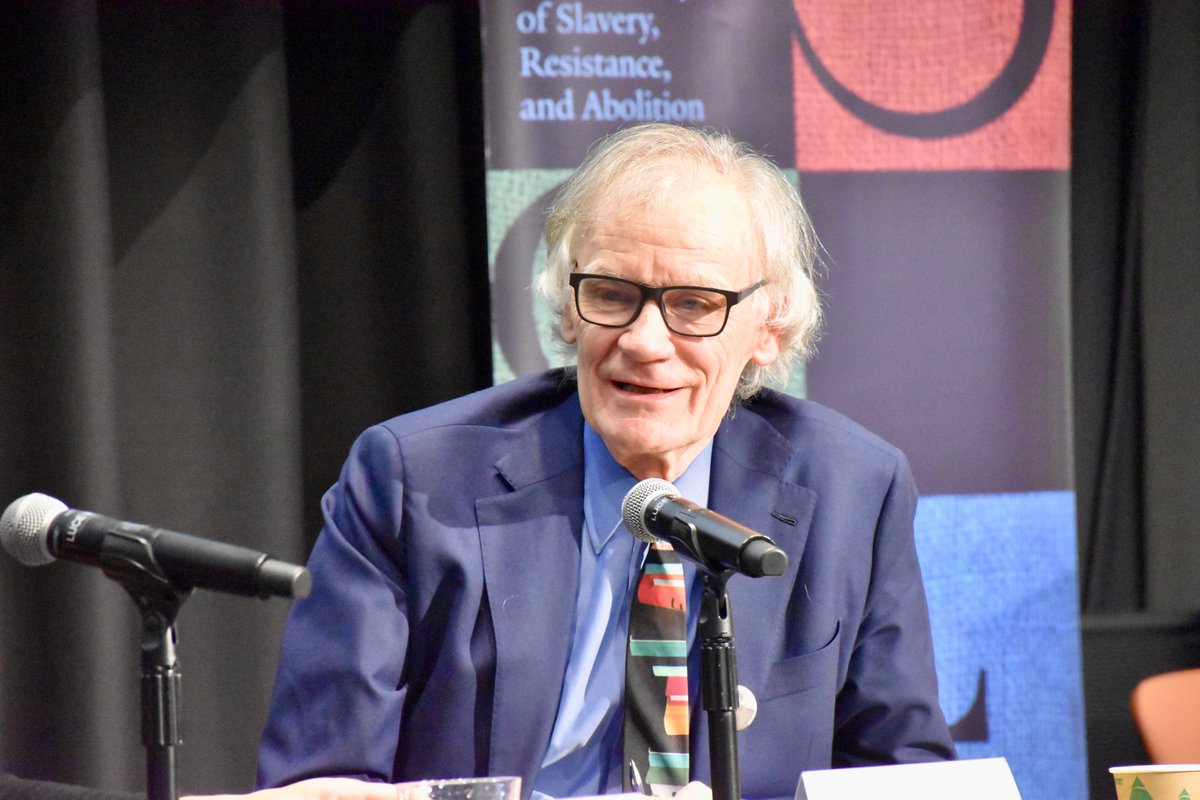
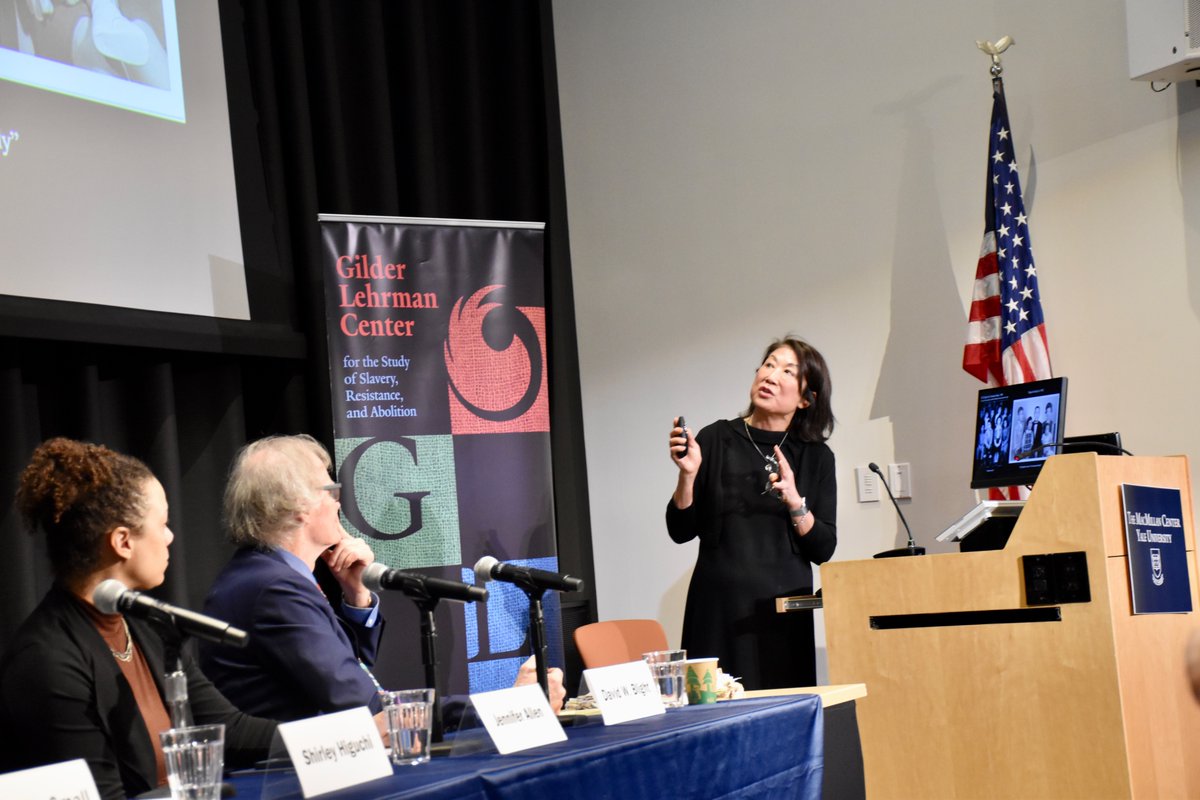
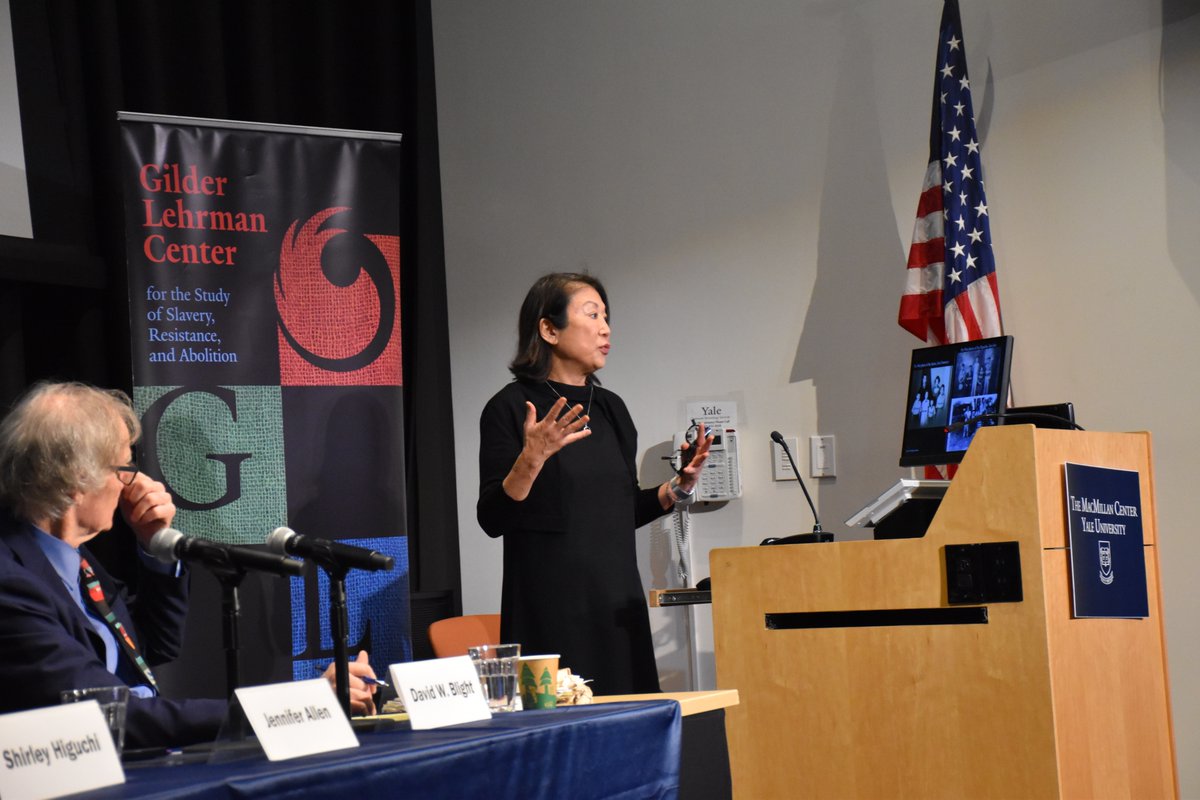
We need to keep telling our stories and working with others, regardless of their partisan affiliations, in order to fulfill our mission, Board Chair Shirley Ann Higuchi told the Public History in Authoritarian Times symposium at Yale University Saturday.
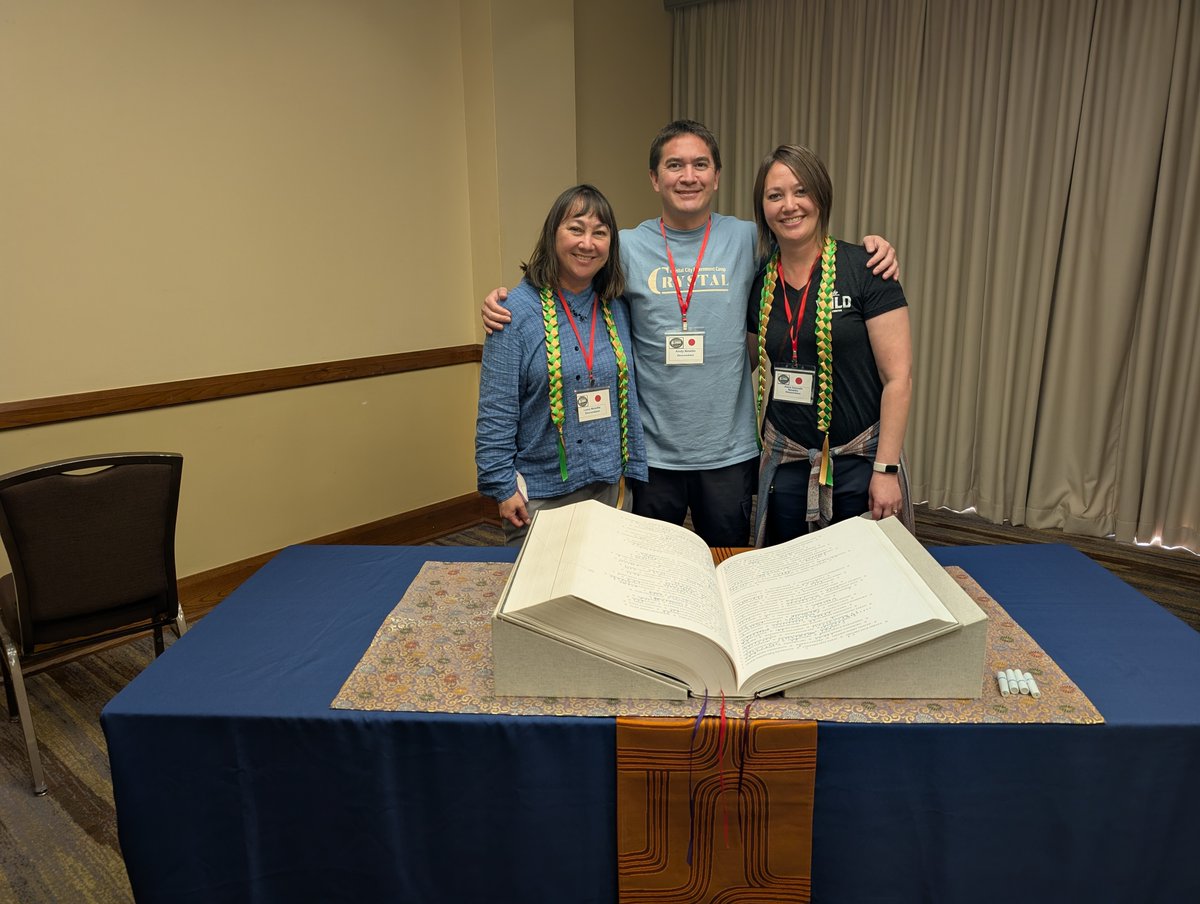
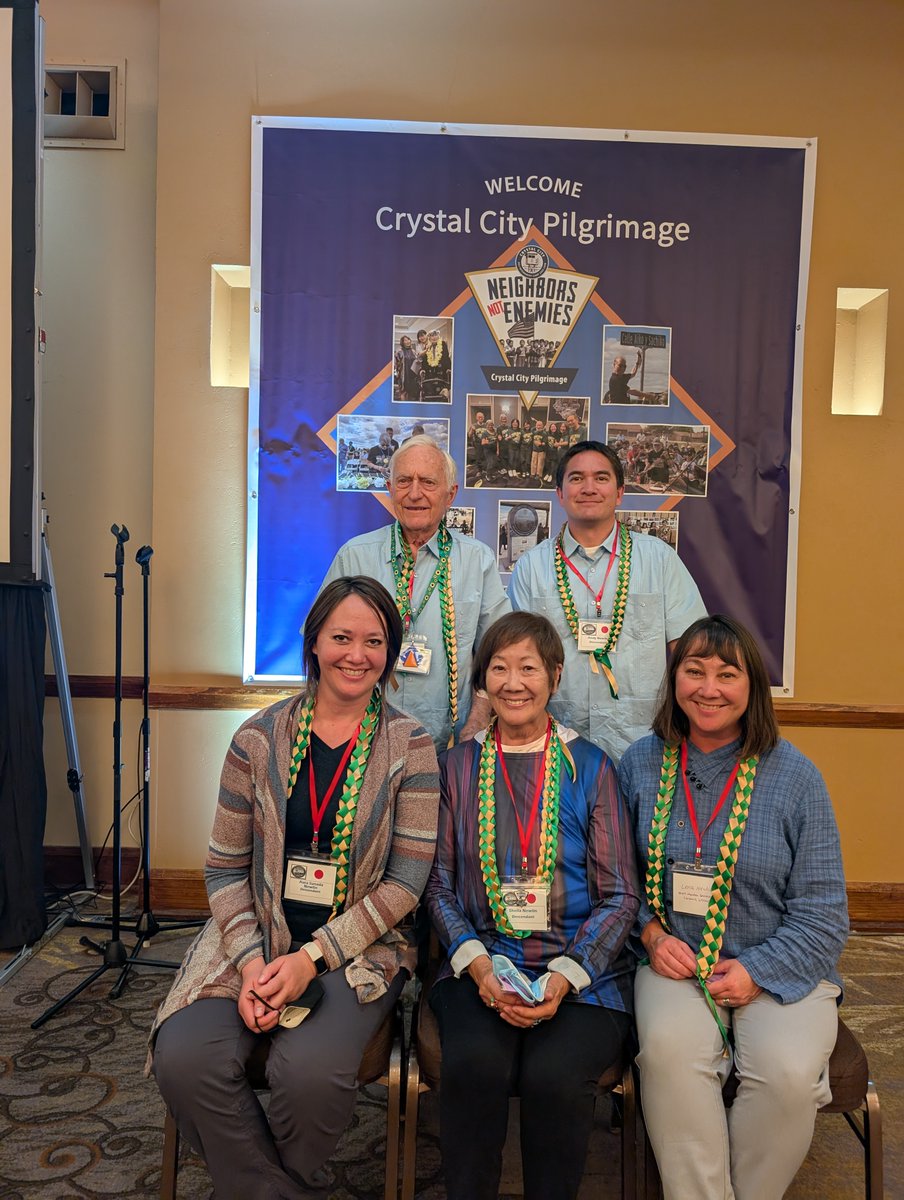
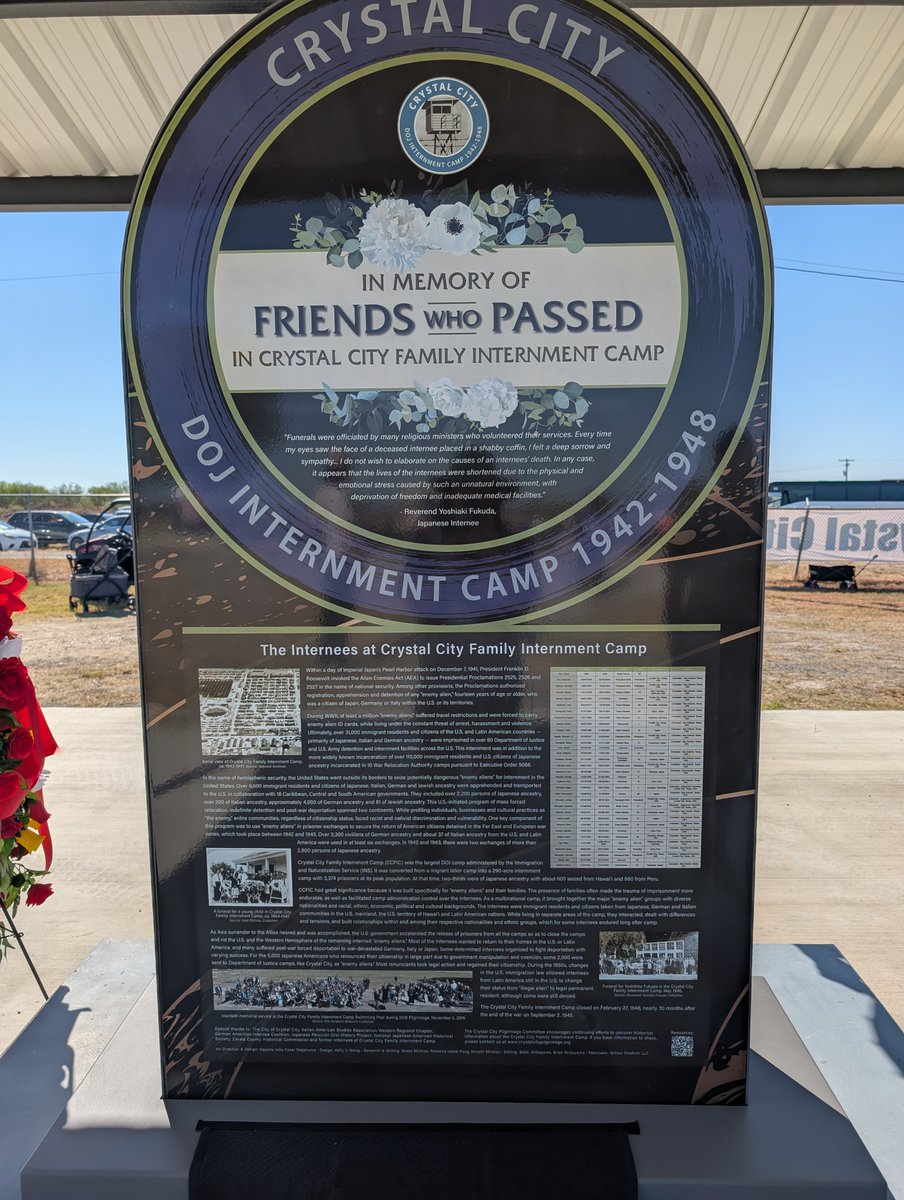
Congratulations to the Crystal City Pilgrimage Committee on a successful pilgrimage! Executive Director Aura Sunada Newlin and her family attended to honor those who were imprisoned there and to learn more about Japanese Latin American incarceration.
Next year, we'll lead Educators in Exchange: Bridging US-Japan Education on Japanese American Incarceration with Japanese universities and museums thanks to a grant from The Henri and Tomoye Takahashi Charitable Foundation and led by Sybil Kawano and Haruka Takaku.