The #skin, as the body's largest immune organ, functions as a critical #barrier between host tissues and the external environment. #Disruption of this interface - whether by environmental pollutants, pathogens, or physical damage - triggers alarmin release and downstream activation of type 2 immune responses. In atopic dermatitis, barrier dysfunction is compounded by cutaneous microbial dysbiosis, characterized by reduced microbial diversity and Staphylococcus aureus dominance. This dysbiotic state drives local recruitment of T cells, dendritic cells, and macrophages, perpetuating a self-reinforcing cycle of inflammation, pruritus, and progressive barrier degradation.
In this issue, Czarnowicki et al. comprehensively review the mechanisms and clinical implications in atopic dermatitis and psoriasis, contrasting their divergent immune pathways. Yamamura and Dahabreh et al. investigate OX40/OX40L axis in promoting Th2 effector activity and impairing regulatory T cell function in atopic dermatitis. Skoog and Yang et al. integrate methylome, transcriptome, and microbiome analyses in atopic dermatitis, revealing widespread epigenomic remodeling and identifying Rho GTPase-linked immune-epithelial crosstalk. Gluud et al. demonstrate that Staphylococcus aureus superantigens augment epithelial skin barrier damage in cutaneous T cell lymphoma through T cell-driven, JAK-dependent downregulation of structural barrier proteins, identifying a vicious cycle with potential relevance to other inflammatory skin diseases including atopic dermatitis. Yamamura et al. investigate lipid mediators that modulate cytokine production involved in Th skewing in atopic dermatitis. Preis et al. identify reduced cord blood regulatory B10 cells as an early immune predictor of atopic dermatitis. Li et al. demonstrate that short-term sodium dodecyl sulfate exposure causes skin barrier disruption with distinct molecular signatures, and that antioxidants N-acetylcysteine and nicotinamide effectively mitigate surfactant-induced damage and accelerate barrier recovery. Fukushima-Nomura and Kawasaki et al. present IL-22 and IL-18 as potential longitudinal blood biomarkers for monitoring disease activity in dupilumab-treated atopic dermatitis. Ni and Nanan report that despite similar clinical outcomes, White and Asian patients with atopic dermatitis show distinct baseline immune signaling profiles. Suhrkamp, Heidland and Saft et al. show a functional specific IgE and Th2 response toward Malassezia spp. in atopic dermatitis with head and neck dermatitis. Thormann and Arms et al. retrospectively characterize adverse reactions in patients with atopic dermatitis patients treated with biologics and JAK inhibitors, classifying them according to underlying immunologic mechanisms. Gómez-Olarte et al. investigate the link between maternal polyphenol markers in late pregnancy and the lifetime prevalence of atopic dermatitis, food sensitization, wheezing, and bronchitis. Hayashi et al. analyze fecal microbiota composition and lipid mediator profiles in dogs with concurrent canine atopic dermatitis and adverse food reaction.
Tsuang et al. use electrical impedance spectroscopy to show that impaired neonatal skin barrier function is associated with atopic dermatitis development in the first year of life in infants at high risk for allergic disease. Bieber and Lauffer discuss the concept of therapeutic speed in atopic dermatitis, contrasting fast-acting agents such as JAK inhibitors with slower, potentially disease-modifying therapies targeting the OX40-OX40L axis.
Simon and Fleur's new paper is out in The Lancet Respiratory Medicine!
ORACLE2 pooled 6,500+ asthma patients from 22 RCTs.
🧪 Blood eosinophils + FeNO = key predictors of asthma attacks
💨 Reversibility = lower risk?
Open access: https://t.co/BZs1fgUAgx
#asthma#ORACLE2
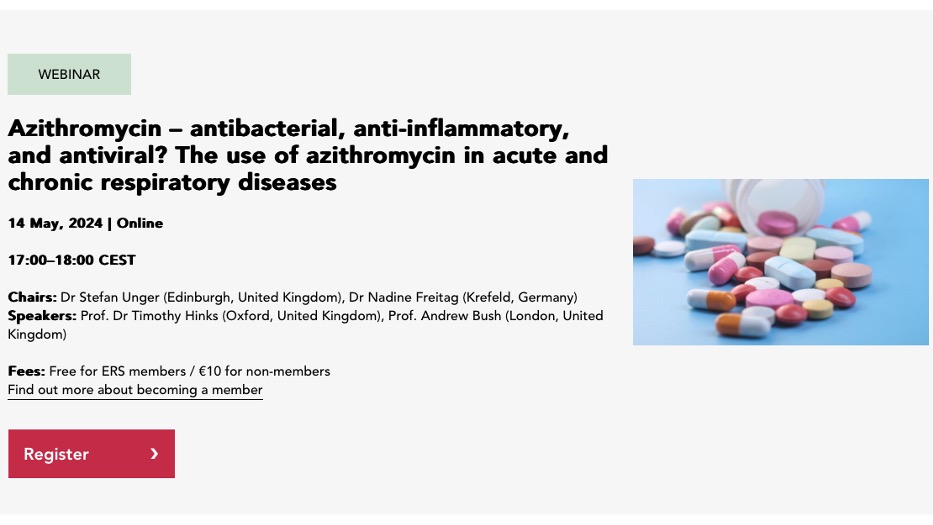
The 'Dream Combo' in #EosinophilicAsthma: for those on #asthma biologics with persistent mucopurulent cough additional long term, low dose azithromycin is highly effective. Gabriel's findings from @OxfordBRC out today in https://t.co/6FszDJ4zsj
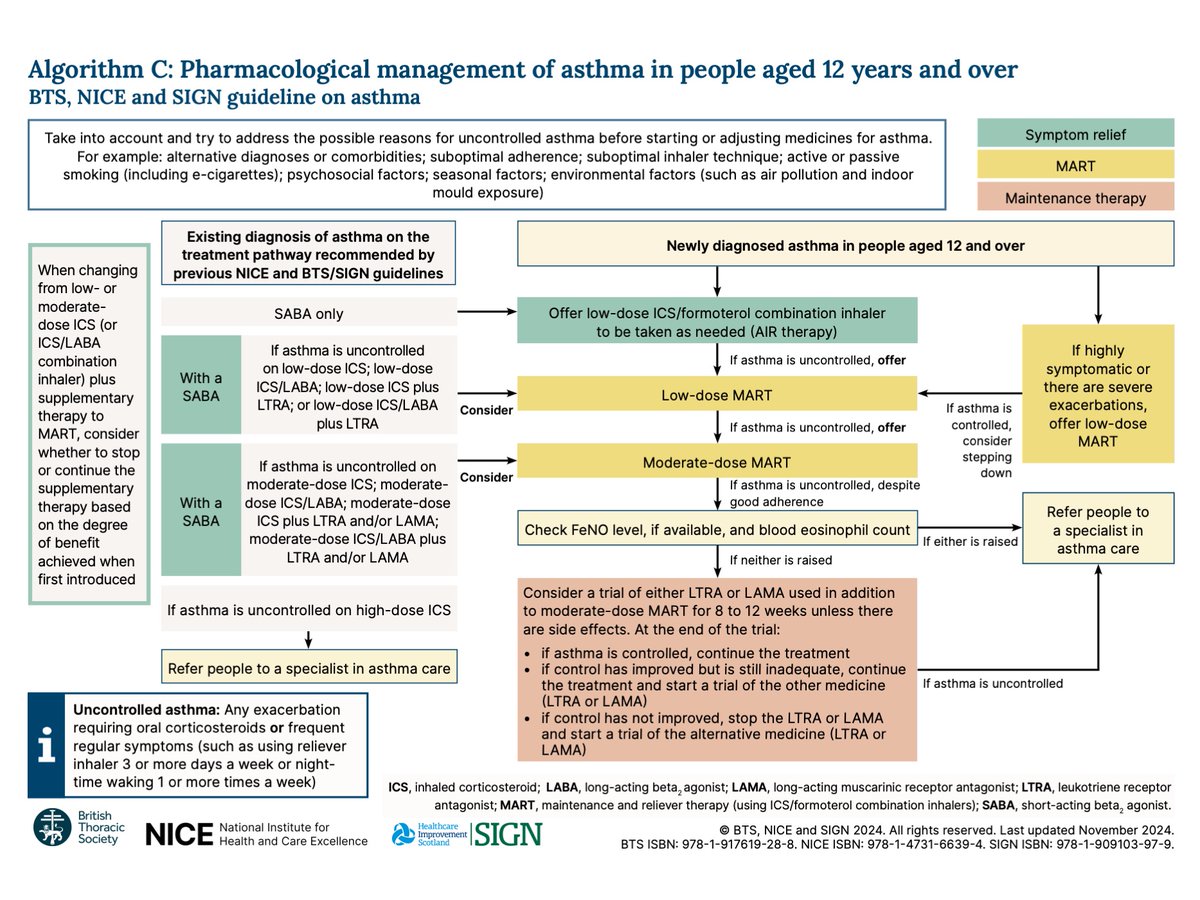
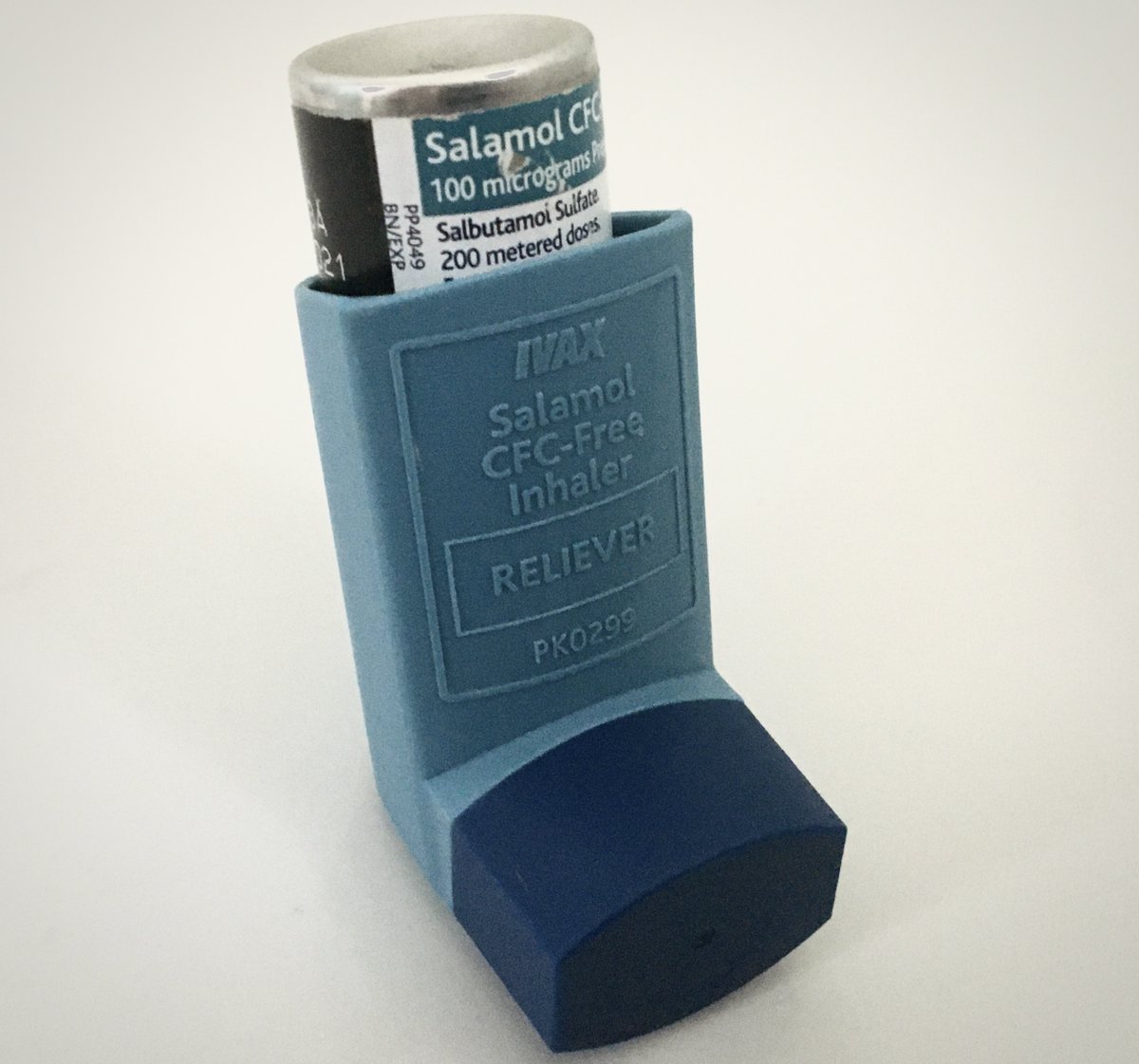
The new NICE/BTS/SIGN #Asthma guidelines are superb. A collaborative approach. A focus on using blood eos and FeNO at initial presentation and finally the long-overdue end to salbutamol. Read it and use it now https://t.co/hSCD1xVVGB
Wonderful to see Imran Howell from @OxfordBRC announced this year's BTS Young Investigator Award winner for delivering the BOOST trialin #asthma. Well deserved! #RespIsBest
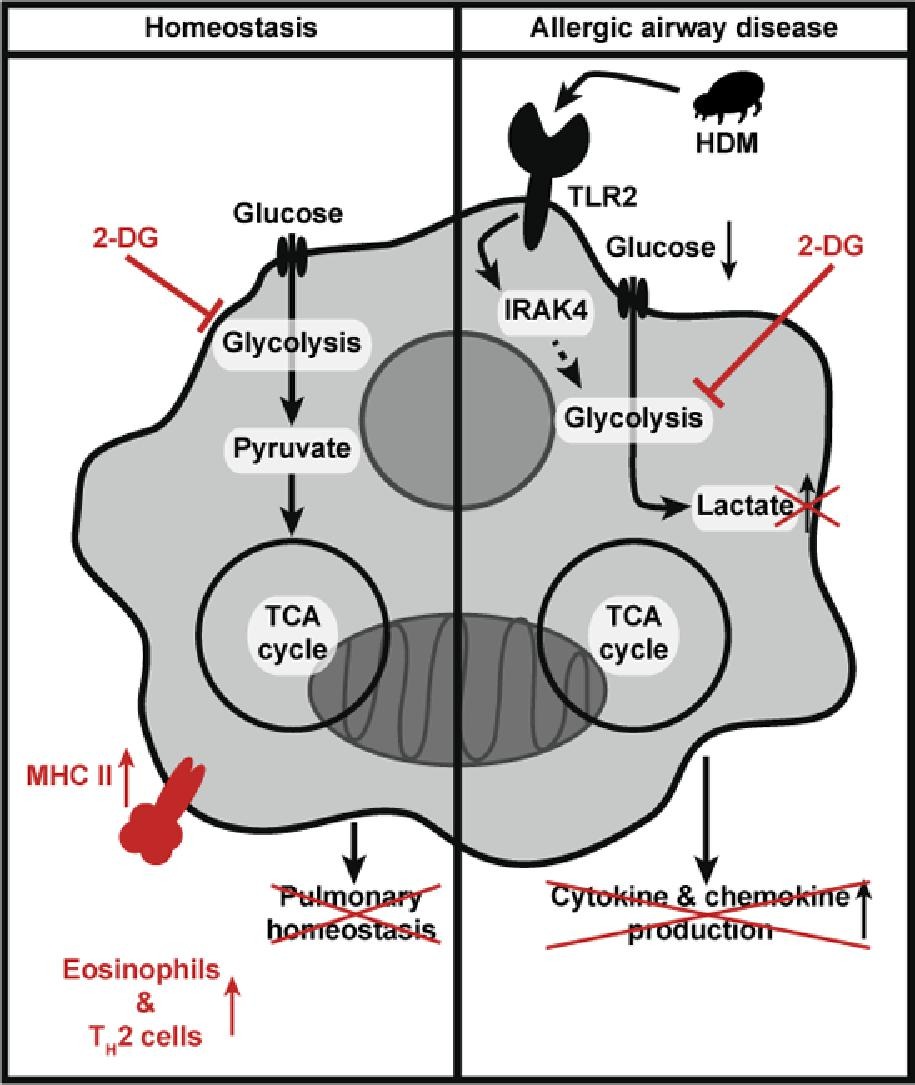
Out today https://t.co/UI1Zr4iD5P our collaborator Adam Byrne shows airway macrophage glycolysis controls lung homeostasis and responses to aeroallergens. Exposure to house dust allergen drove glycolysis in alveolar macrophages; inhibiting this altered inflammation, via TLR2.
When exacerbations of severe #asthma occur despite being on type 2 biologics, what residual inflammation remains? In our latest paper from @OxfordBRC we show prednisolone caused broad down regulation of type 2 pathways in pts on mepolizumab.
Full report: https://t.co/I2HDJJw32M
Our new species-level study from @OxfordBRC shows severe #asthma microbiome is dominated by H. influenzae, M. catarrhalis and S. pneumoniae, driving
neutrophilic inflammation, airway proteases and disrupting regulatory immune responses:
https://t.co/CBB7t1PCSt
Today is #WorldAsthmaDay. @ALUK_research are showcasing why understanding your asthma triggers is so important to condition management. Visit the @asthmalunguk website to find out more. https://t.co/PdW2uuMnVp
A 2 minute summary of our unexpected finding from @NDMOxford of tonic type 2 signalling in the airway mucosa in health. https://t.co/7CNNfhFpjz funded by @asthmalunguk
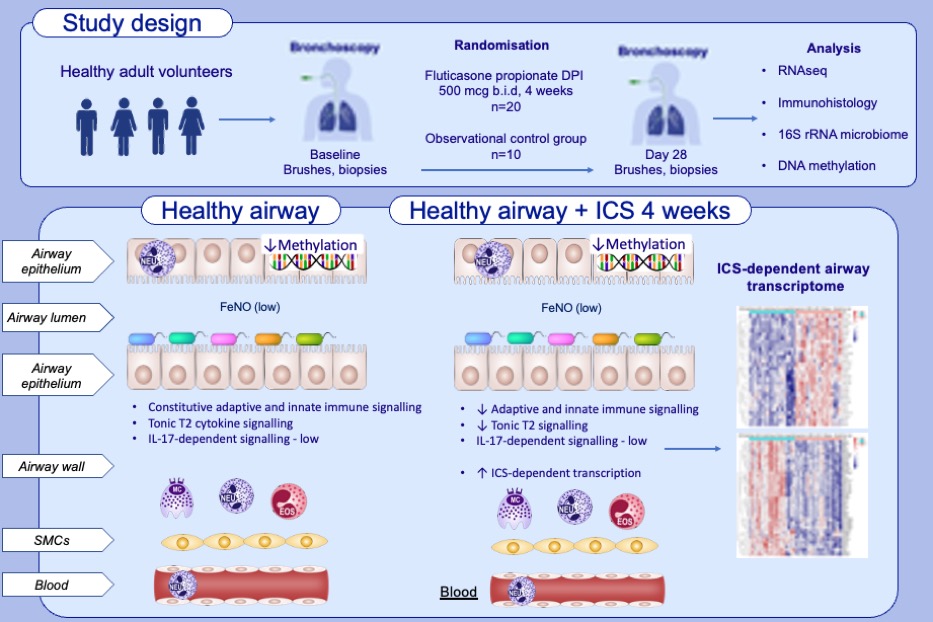
Out today: an unexpected discovery from our Leicester/Oxford healthy volunteer bronchoscopy study. In health there is constitutive type 2 signalling within the airway mucosa, which is exquisitely sensitive to ICS. Read it now in https://t.co/U6EakwFsn9
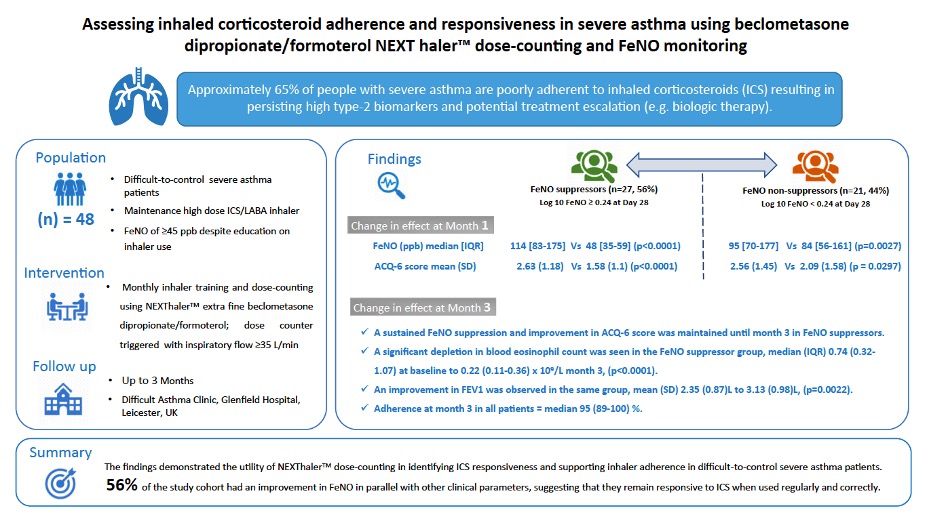
How can we help the 2/3 of people with a high FeNO who aren't using their inhalers adequately? As Fostair NEXThaler counter only triggers at an adequate inspiratory flow rate, the Leicester group have used dose counting with FeNO to detect non adherence. https://t.co/dPhVMEQbb1
In a murine model of sterile lung injury we found MAIT cells enhance defence against sterile lung injury by fostering cDC1-driven anti-fibrotic pathways. Read more about this #research from @NDMOxford on bioRxiv today https://t.co/CdQESU4A39
Fantastic few days at #BTSWinter2023 ! Wonderful science as always. Huge privilege to present my PhD work. Thanks to @asthmalunguk @BTSrespiratory @HinksLab
A problem confounding nearly every transcriptomic or histology study in asthma is the steroid effect. So what happens when ICS are given to healthy people? Find out at https://t.co/ylXXhF4MUa including an unexpected discovery - homeostatic type 2 signalling in health!
The public are invited to a webinar hosted by @NIHRCRN_tvsm to ask questions of University of Oxford expert Prof Tim Hinks about the latest research into asthma
📅 Wednesday 17 May
🕛 7pm to 8pm.
Read more and sign up: https://t.co/HnrOMqPh7N
#asthma#asthmaresearch
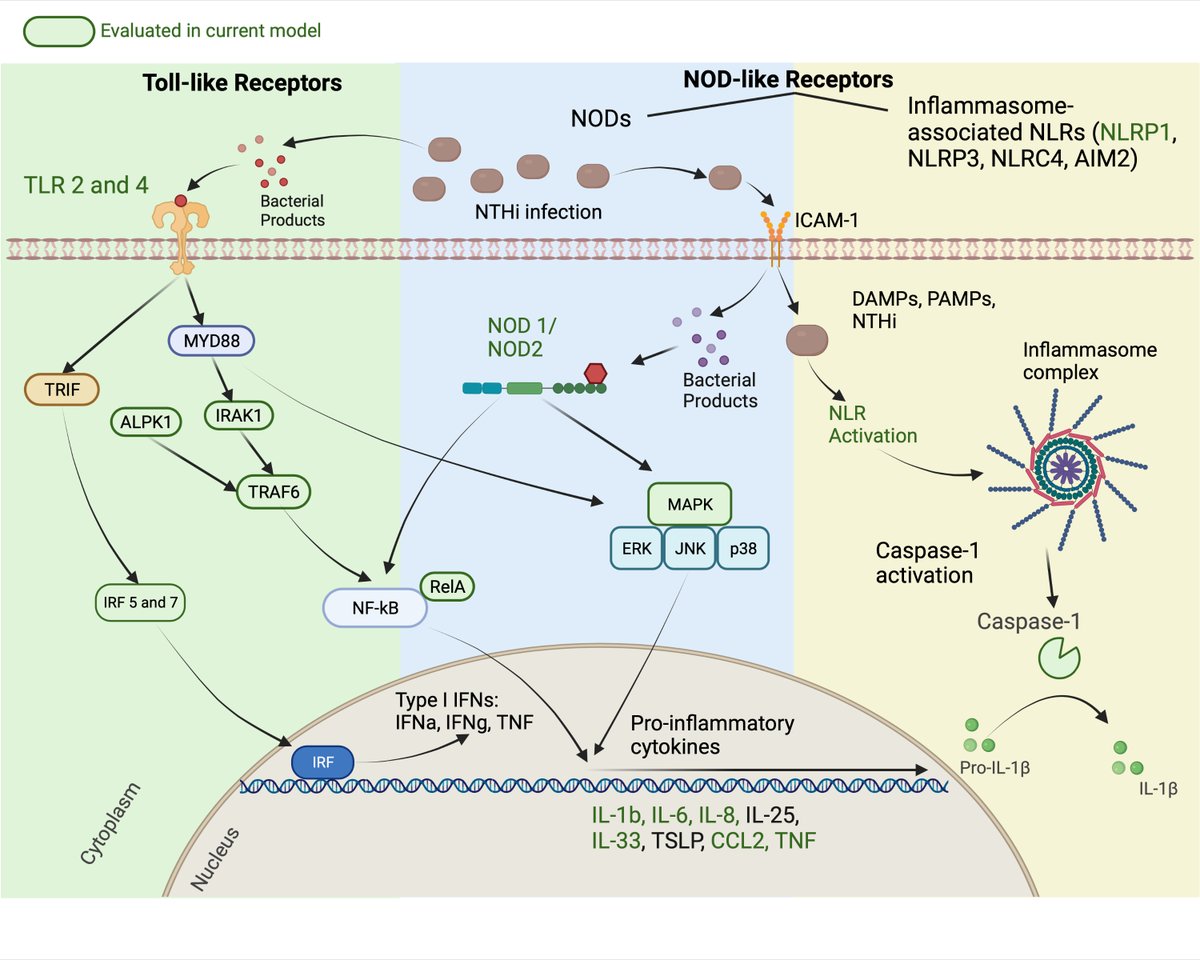
Out today, NTHi is internalised by primary bronchial epithelial cells. It activates innate responses including CXCL8, IL-1β, IL-6 and TNF, independently of invasion, with more activation in nasal than bronchial cells, despite NTHi being a nasal commensal. https://t.co/x2sxZZyO59