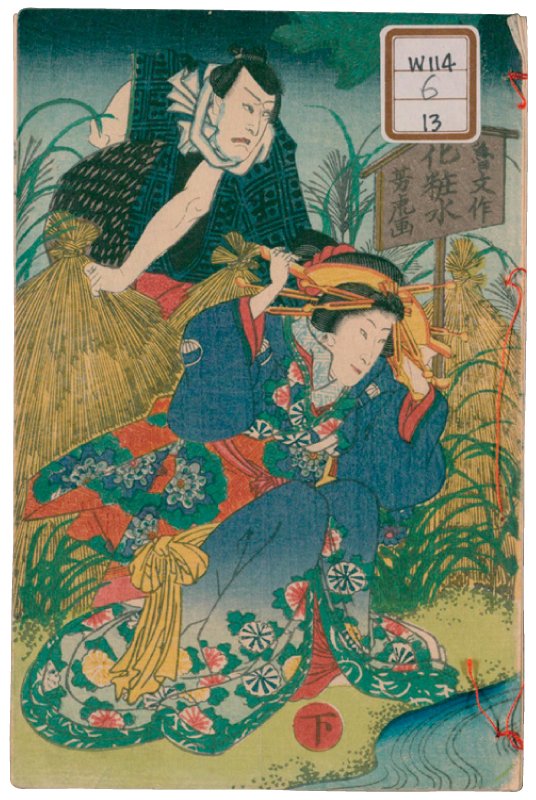
Series of #nishikie depicting products from various regions of Japan. This piece depicts #grape cultivation in #Yamanashi Prefecture. It is said that, in Yamanashi, grape cultivation began about 1300 years ago. #ndldigital https://t.co/I8A6r3tFi4
Soaking in a hot spring to relax the mind and body?this is a truly well-known aspect of Japanese culture. The exhibition The World of Hot Springs Spread from Books presents a fascinating look at Japan’s hot springs via the NDL’s collections. #ndldigital
https://t.co/cowShX9vja
🆕 Shirohige’s Cream Puff Factory Kichijoji - The Famous Totoro Cream Puffs in Tokyo
Read the article with its pictures ➡️ https://t.co/1yw7BOkKcO
[New post on Kanpai #Japan]
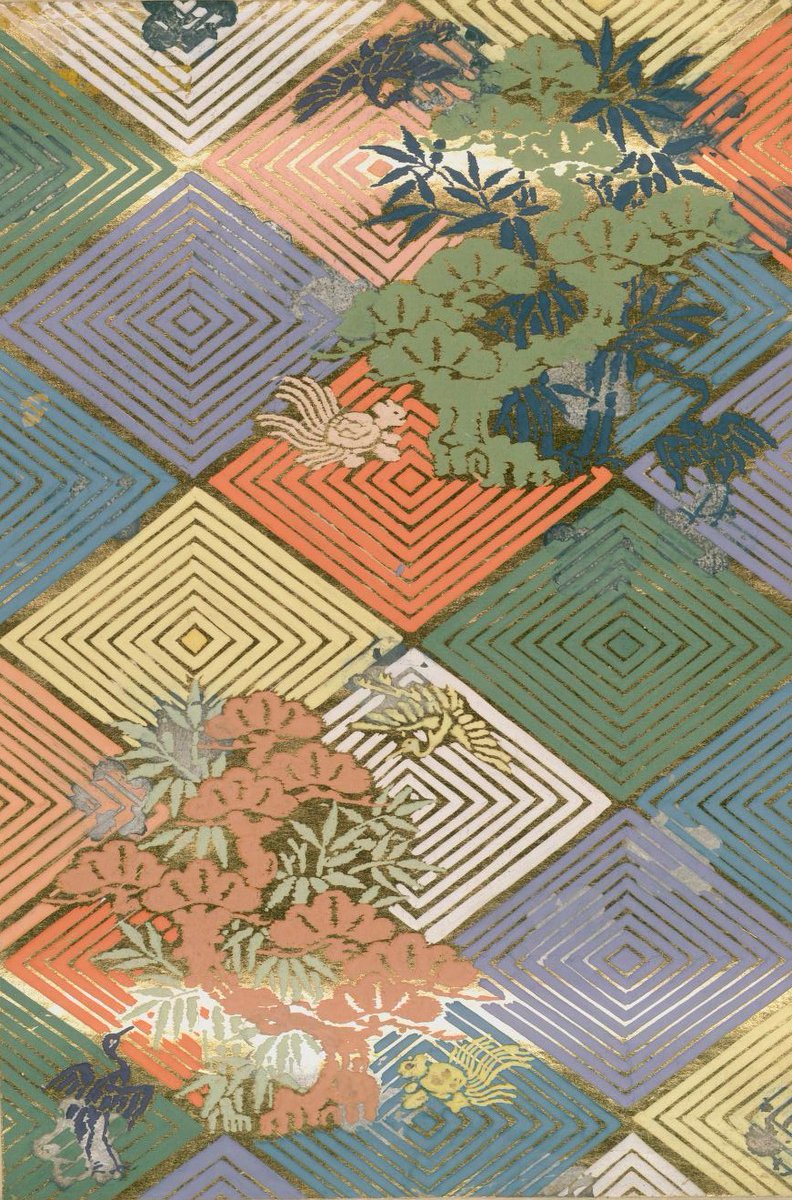
From collections of beautiful Japanese #TextileDesigns. These are only some of them, so look and find your favorite one in the National Diet Library Digital Collections: https://t.co/0qM8MAl4xh
#ndldigital
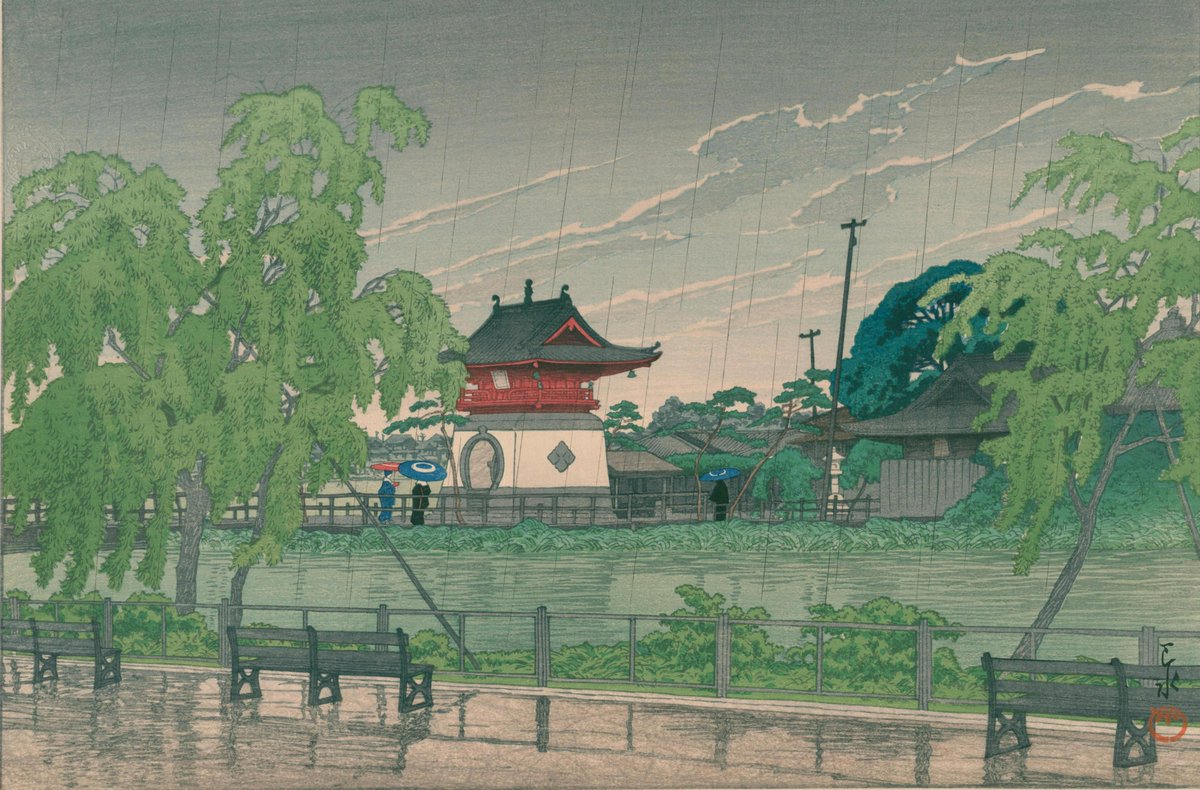
KAWASE Hasui (1883-1957) depicted Shinobazu Pond in Ueno. Lotus plants thriving around the red Bentendo temple is a well-known summer scene in Tokyo. #ndldigital
https://t.co/GEOllwCoM4
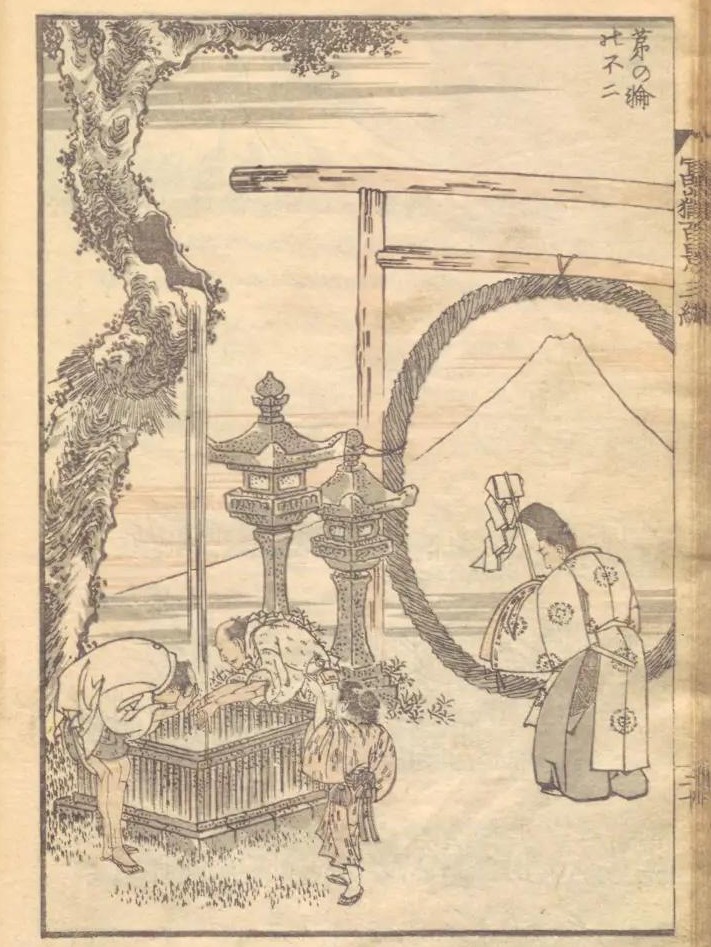
Sometime around the end of June, you might see a chinowa at Shinto shrines throughout Japan. The chinowa is a large ring made of cogongrass, and passing through it is said to bring good health for the rest of the year. #ndldigital
https://t.co/i0vD34YXop
This depiction of Shinobazu Pond in Ueno Park is by Kobayashi Kiyochika (1847?1915). In summer, the pond is filled with beautiful lotus flowers. Now the International Library of Children's Literature, National Diet Library is in Ueno Park. #ndldigital
https://t.co/uhstRL8dvt
What kind of an image forms in your mind when you hear the phrase "Japanese Garden"? Read this article. #ndldigital#ndlnewsletter
https://t.co/QkJBNpGX1P
Hydrangea is a common flower in Japan during the rainy season. This is a work by #UTAGAWAHiroshige, a famous #ukiyoe artist. Don't you think this collaboration with a kingfisher is amazing? #ndldigital
https://t.co/DURgO12rxQ
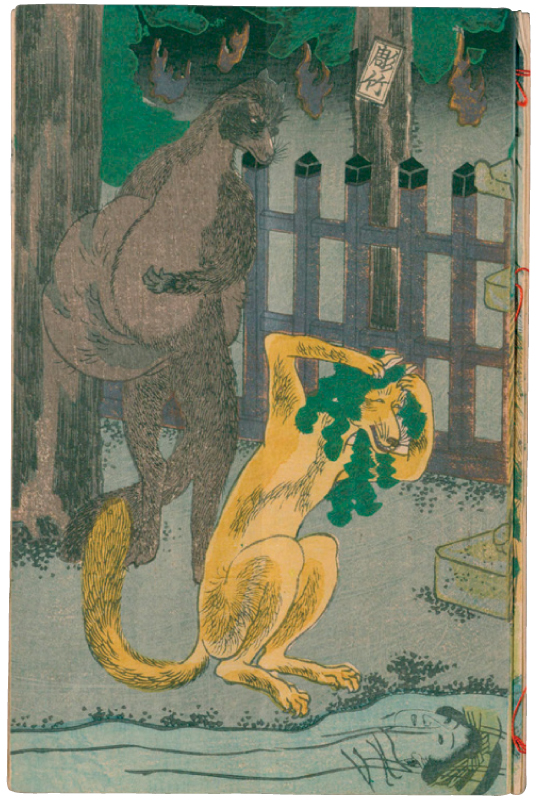
This book from the Edo period includes illustrations of men and women in colorful costumes. But when you turn the page, you'll find that they are actually kitsune (foxes) and tanuki (raccoon dogs) disguised as humans. #ndldigital#ndlnewsletter
https://t.co/moOQ4pNrLi
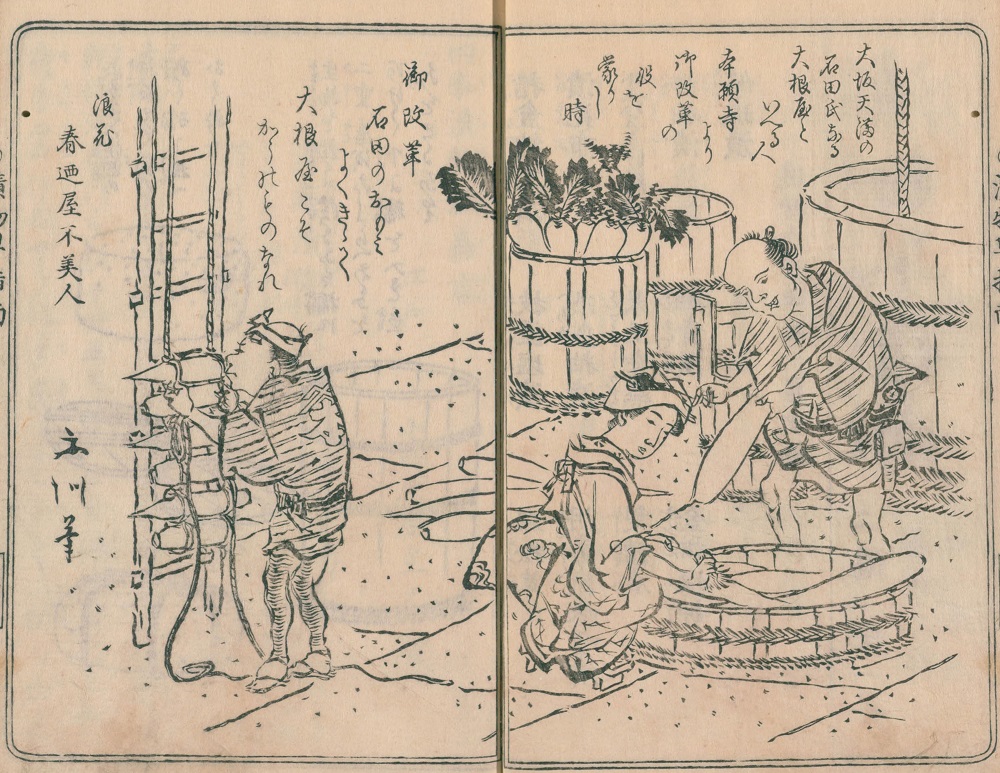
Have you ever tried #Tsukemono, Japanese pickled vegetables? This book, published in 1836, introduces how to pickle a variety of tsukemono with illustrations. #ndldigital
https://t.co/MoSjTL9Gow
Grab your Keeper outfit, brush off your wellies and get ready to 'Build A Wilder World'!
Planet Zoo 2 is coming to PC, Xbox Series X|S & PlayStation 5 on October 13! 🐦 🐟
Soar to great heights with flying birds, prepare your diving suits as fully-aquatic species make a splash, and take your conservation efforts beyond your zoo in brand-new Wildlife Reserves!
Pre-order now: https://t.co/3j1QG4YJgW
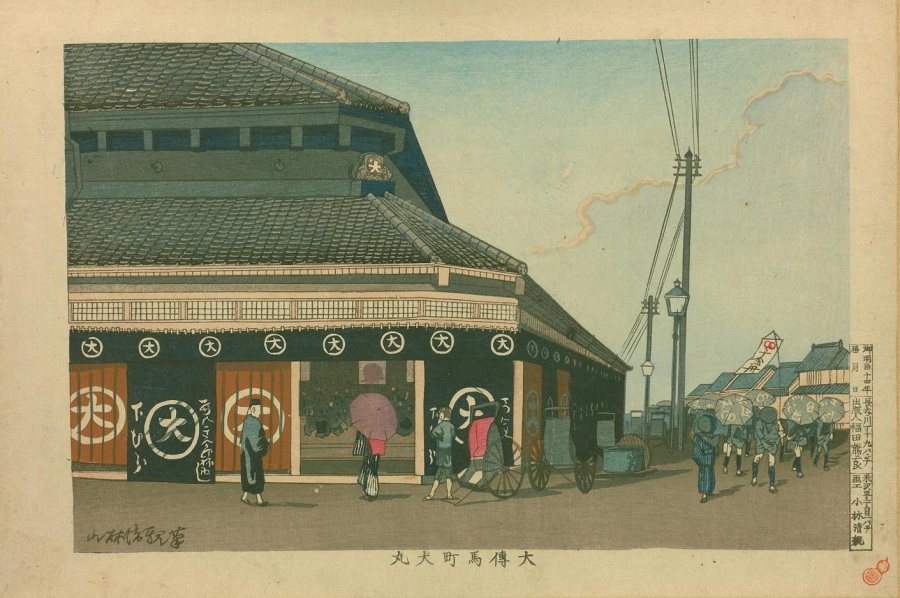
Kobayashi Kiyochika depicted Daimaru Gofukuten (a kimono store) in Odenmacho, Tokyo, in 1881, which is now known as Daimaru Matsuzakaya Department Store. #ndldigital
https://t.co/X3frZzbwi5
Picture book on the history of the Meiji period. From the restoration of imperial rule (Taisei Hokan) at Edo Castle to the construction of Meiji Shrine. Published in 1923. #ndldigital
https://t.co/LkCWI5ihHM
An imaginary train by Tsukioka Yoshitoshi, painted in 1871, a year before the opening of Japan's first railroad between Shimbashi and Yokohama. Of course, he had never actually seen a train and painted it from his imagination. #ndldigital
https://t.co/4GV2GMe2W0