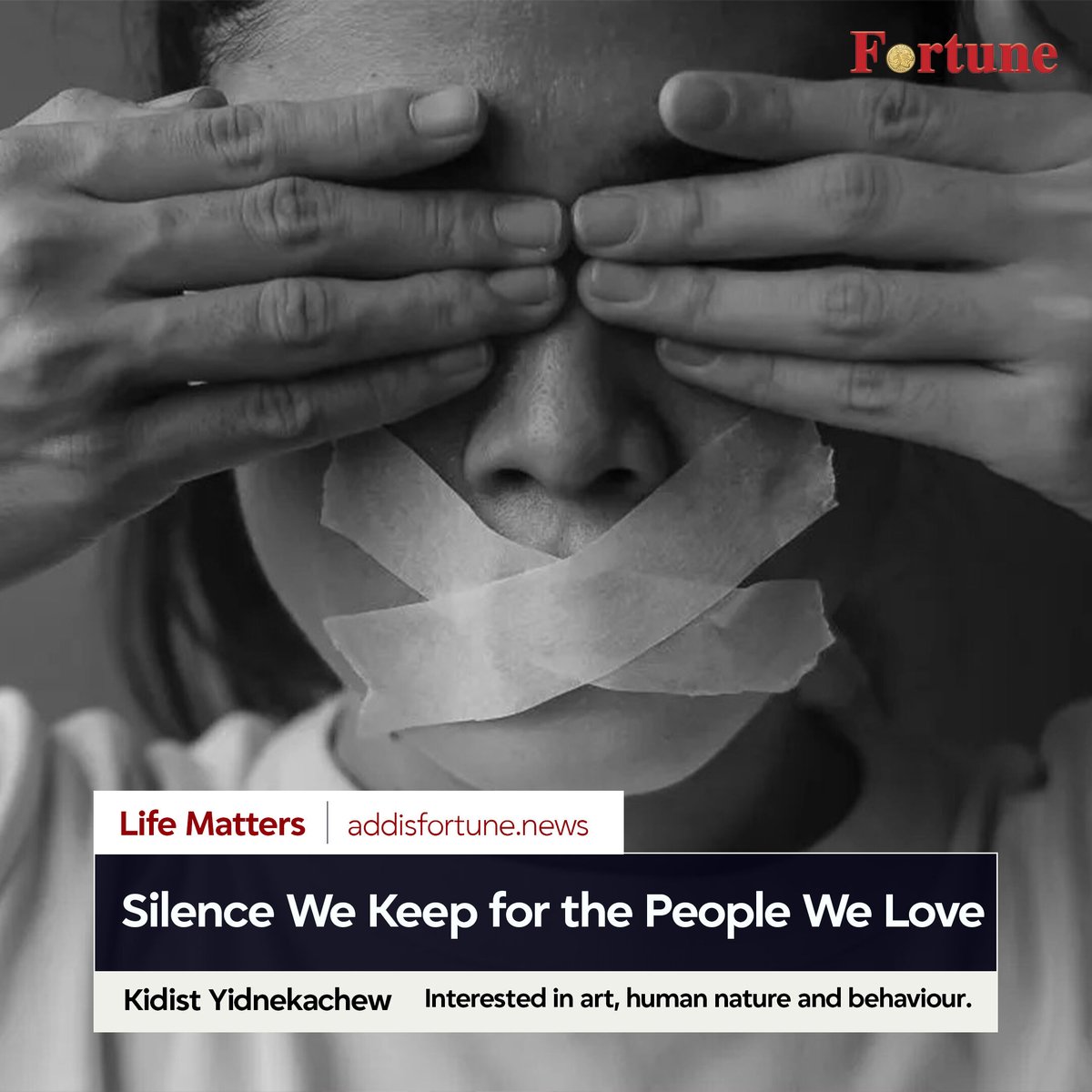
𝗞𝗜𝗗𝗜𝗦𝗧 𝗬𝗜𝗗𝗡𝗘𝗞𝗔𝗖𝗛𝗘𝗪: The freedom of saying what needs saying the moment an injustice happens, looking a loved one in the eye and saying, "You are wrong for doing this." #Relationships#Confrontation#Silence
Read more - https://t.co/FZbbuXJnpn
🌎𝐓𝐡𝐞 𝐅𝐮𝐭𝐮𝐫𝐞 𝐨𝐟 𝐂𝐚𝐫𝐝𝐢𝐨𝐯𝐚𝐬𝐜𝐮𝐥𝐚𝐫 𝐇𝐞𝐚𝐥𝐭𝐡 𝐟𝐨𝐫 𝐀𝐟𝐫𝐢𝐜𝐚
🫀52% of Ethiopians now die from non-communicable diseases and 37% of all deaths are cardiovascular. Not malaria. Not TB. Not HIV. Heart attack and stroke are the crisis of today.
This is why 𝐇𝐞𝐚𝐫𝐭 𝐀𝐭𝐭𝐚𝐜𝐤 𝐄𝐭𝐡𝐢𝐨𝐩𝐢𝐚 exists, bringing volunteer cardiac teams, life-saving surgeries, and hands-on training to Ethiopia, mission after mission, since 2024.
And it's why we're building toward something bigger: 𝐈𝐍𝐓𝐈𝐌𝐀 𝐇𝐞𝐚𝐥𝐭𝐡𝐜𝐚𝐫𝐞 𝐂𝐢𝐭𝐲; an independent initiative for a permanent, world-class cardiovascular hospital in Ethiopia, so lifesaving heart care is never a plane ride away.
Two organizations, one shared vision: a healthier tomorrow starts with understanding today.
𝐒𝐮𝐩𝐩𝐨𝐫𝐭 𝐭𝐡𝐞 𝐦𝐢𝐬𝐬𝐢𝐨𝐧 → https://t.co/m1sgXYbsMc
Follow INTIMA:
Twitter — https://t.co/bgPzNZDUY4
YouTube — https://t.co/2bc7sLoYzt
LinkedIn — https://t.co/PF2n59IlPJ
#HeartAttackEthiopia #INTIMA #HopeForEthiopia #5ForALife #CardiovascularHealth #GivingBack
@TTelila l @drmerid l @FMoHealth l @flyethiopian l @INTIMAInternat
#AddisAbaba ,
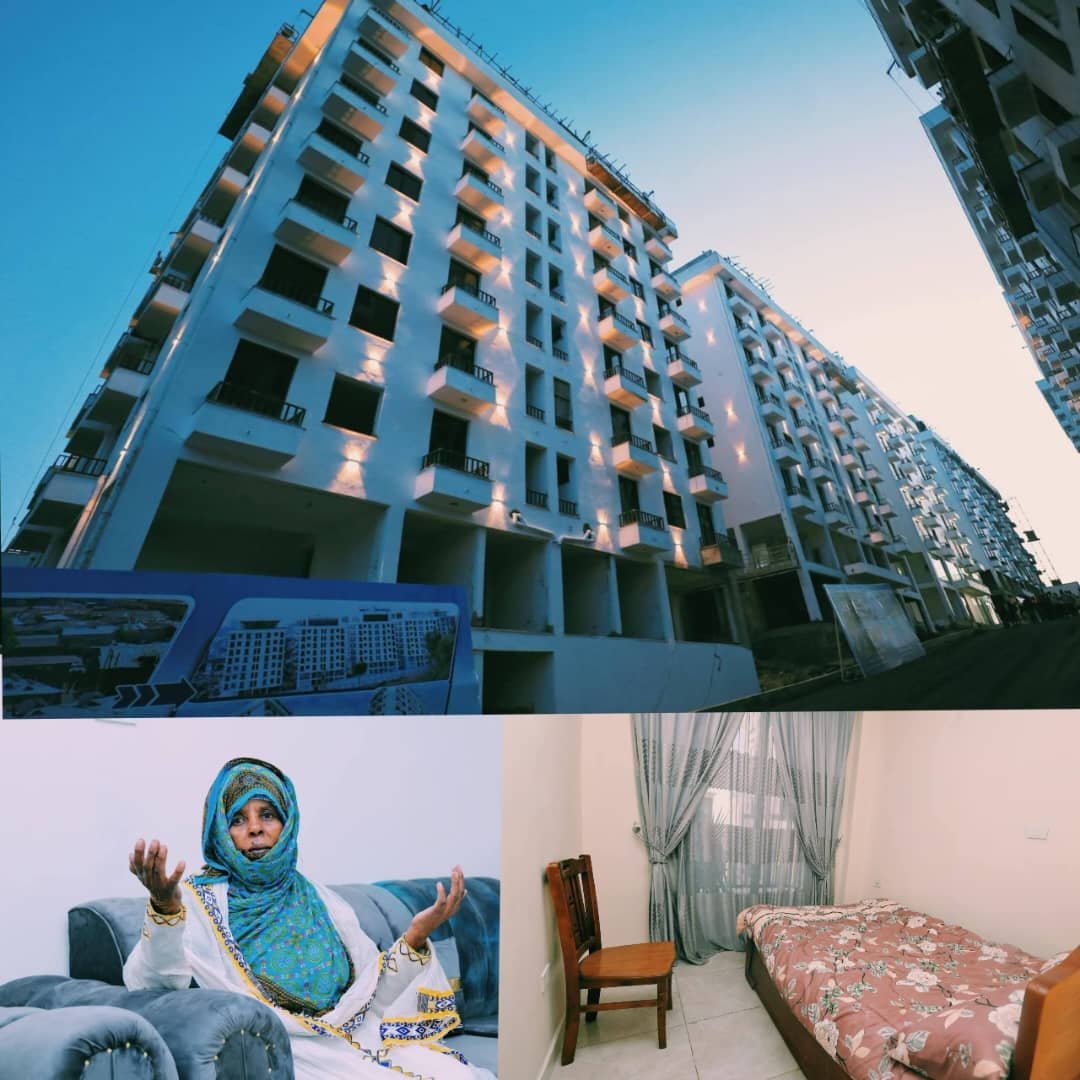
"Ketel Tera" has been transformed into a clean, green, and dignified community for its residents.
Within just four months, 960 new homes were constructed, allowing residents who were temporarily relocated during construction to return to their community and begin a new chapter in better homes.
Once marked by overcrowding, poor living conditions, and a tragic fire, Ketel Tera is now a safer, cleaner, and more dignified place to live.
May God bless #Ethiopia and its people.
TPLF/FANO/OLF may think they'll march into Addis; they won't. PM Abiy may think he'll eliminate these groups militarily; he won't. National reconciliation will not come through a gun-only through goodwill and hard negotiations. It's time for Ethiopia to move past these troubles.
The Identity Paradox: Ethiopia’s Challenge in Social and Political Imagination
Perhaps Ethiopia’s deepest political problem is not that we have too many identities, but that we have never fully figured out how those identities can belong to the same political community.
Ethiopia is a country of layered identities; ethnic, linguistic, religious, regional, historical, and civic. Yet we have often tried to force these identities into a hierarchy: one identity must dominate, another must retreat; one narrative must define the country, while another is treated as a threat to it.
In this sense, Ethiopia suffers from something very close to what can be described as “multiple identity disorder”, a crisis in how a society imagines itself: as one political community while carrying multiple, deeply rooted identities that do not always recognize one another as belonging to the same whole.
But multiple identities are not the problem. Our inability to accommodate them is.
An Ethiopian can be Oromo and Ethiopian, Amhara and Ethiopian, Tigrayan and Ethiopian, Somali and Ethiopian, Sidama and Ethiopian, and simultaneously African, Muslim or Christian, a member of a particular region, community, or cultural tradition. These identities do not have to cancel one another out. They can overlap. They can coexist. They can even enrich one another.
The real question, therefore, is not: “Which identity should prevail?” It is: “What kind of political community allows different identities to belong without requiring any of them to disappear?”
Ethiopia does not need a manufactured homogeneity. Nor can it afford a politics in which every particular identity becomes a competing political absolute.
What we need is a shared civic identity strong enough to accommodate difference and inclusive enough to command belonging.
That means moving from unity through uniformity to unity without uniformity.
An Ethiopia where difference is not equated with disloyalty. Where diversity is not mistaken for fragmentation. Ethiopia where citizenship does not require the abandonment of heritage. And where Oromo, Amhara, Tigrayan, Somali, Sidama, and other identities do not have to disappear for an Ethiopian identity to exist.
The task is not to choose between our identities. The task is to build an Ethiopia in which our many identities can belong to one political community.
That may be the real challenge of Ethiopia’s political imagination, I believe.
Já se inscreveu para o #CPHIA2026?
Em novembro, Adis Abeba reunirá líderes da saúde pública, cientistas, profissionais de saúde, inovadores, jovens e parceiros de toda a África e de outras partes do mundo.
Serão cinco dias para nos encontrarmos, partilharmos experiências e contribuirmos para construir o futuro da segurança e da soberania sanitária de África.
📅 23–27 de novembro de 2026
📍 Adis Abeba, Etiópia
Inscreva-se agora: https://t.co/C2850qoxL5
África está pronta. E você?
#AfricaIsReady #AfricaCDC