If you are interested in volunteering, but are unable to attend the Orientation session, please let us know by emailing [email protected] or leaving a message at (252)794-3140. Hope to see you out there!
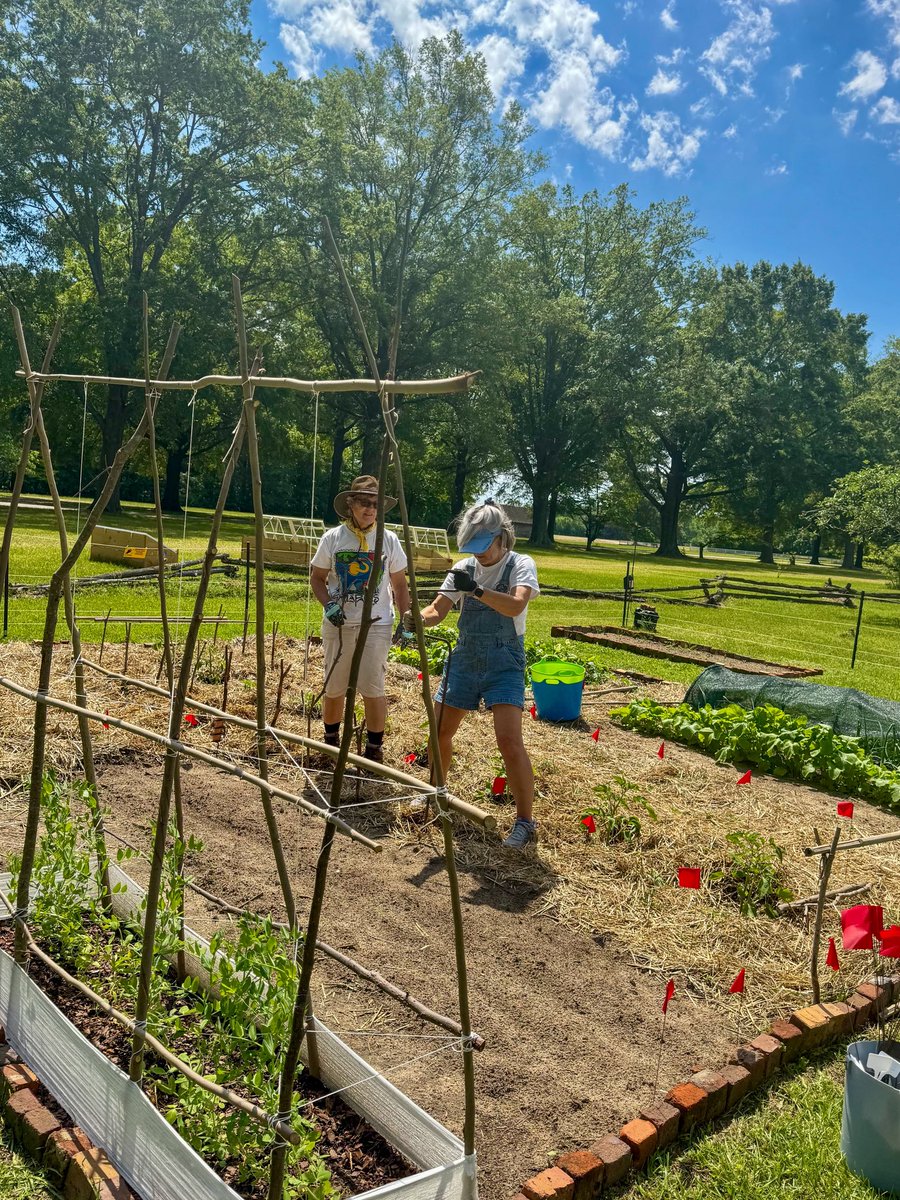
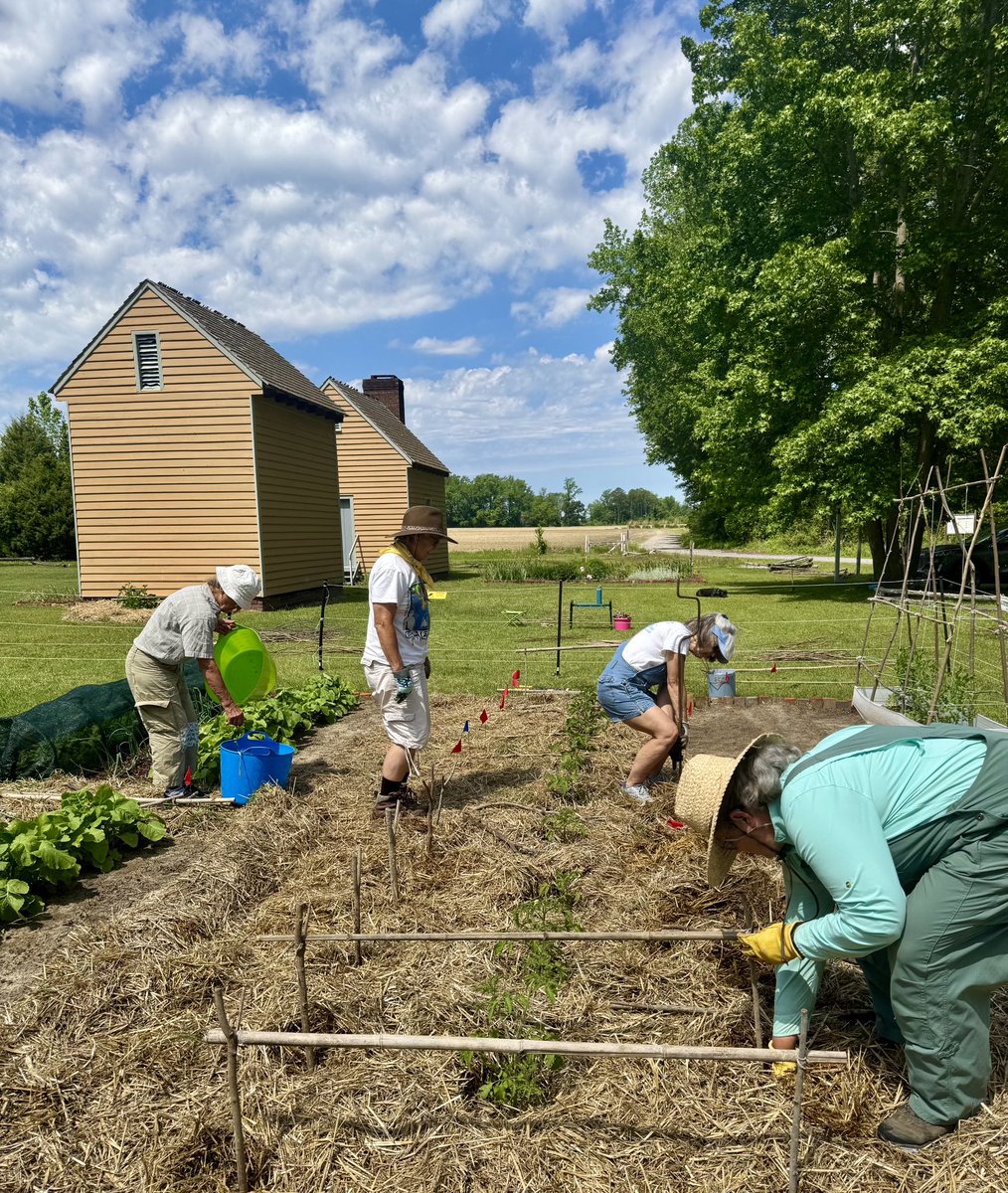
You are cordially invited to a Welcome and Orientation for Historic Hope Garden Volunteers. If you’ve always wanted to know more about how to grow and care for your own gardens or wanted to learn more about Colonial or Federal Period historic gardening this is the place for you!!
Following the Orientation there will be a hands-on learning opportunity for grapevine pruning on the Historic Hope Muscadine Grapes for those who wish to stay and participate. Please bring loppers, hand pruners and gloves.
It is an environmental helper growing on decaying wood and returning nutrients to the soil, which not especially good news for our Fiber Beds, but it is lovely!
This beautiful, vivid fungus growing out of the wood used to form our raised Fiber Beds is a Fan-shaped Jelly Fungus, Dacrymyces spathularia. It is characterized by vibrant yellow-orange gelatinous fruiting bodies. Also known as Sweet Osmanthus Ear or guihua er in Chinese culture
t’s National Pollinator Week!
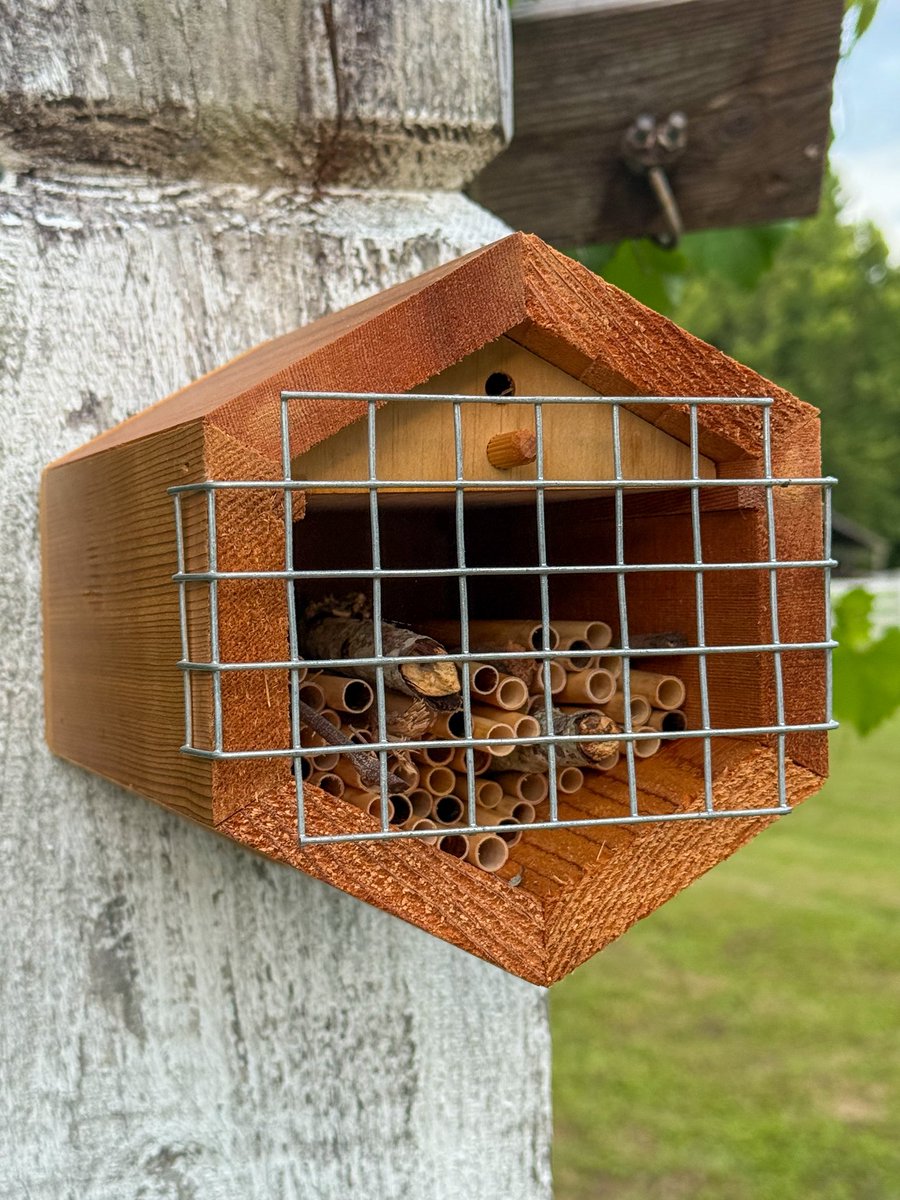
Historic Hope is developing a new program supporting our native pollinators. Pollinators play a vital role in our ecosystems, economies and agriculture. Around 75% of all flowering plants rely on animals to pollinate them. Over 200,000 species, the.
majority of which are insects, work as pollinators. Most bees native to the US are solitary bees, which are not territorial and are nonaggressive. To support our native pollinators and our flowering plants we will be installing bee housing for
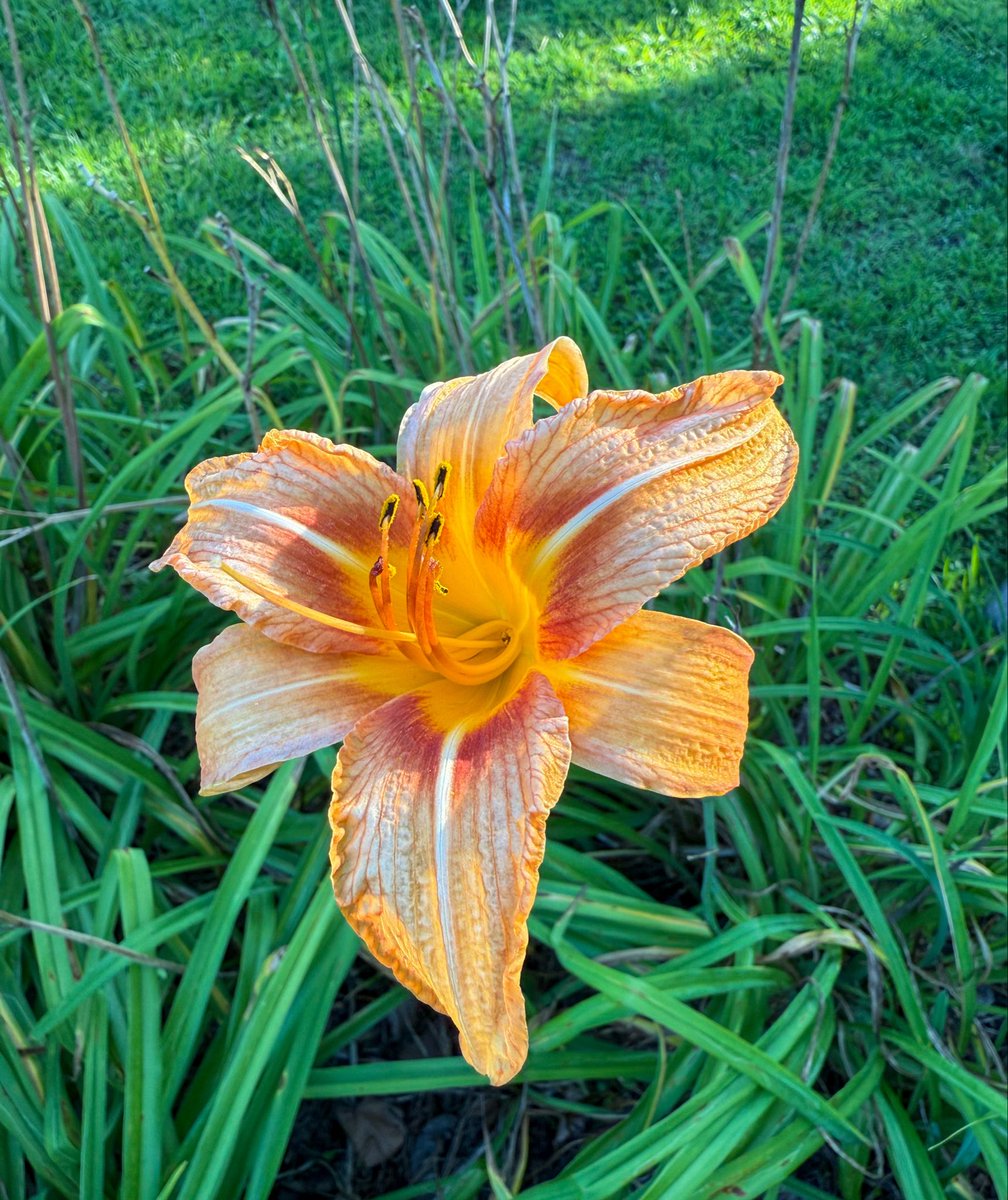
Some of the flowers that feed Hope’s native pollinators. Yarrow gives nectar to the birds and bees, but historically it was used as a medicinal herb to ease toothache and migraine, placed in wounds to stop bleeding and to make snuff, which gives it its other name: sneeze-wort!
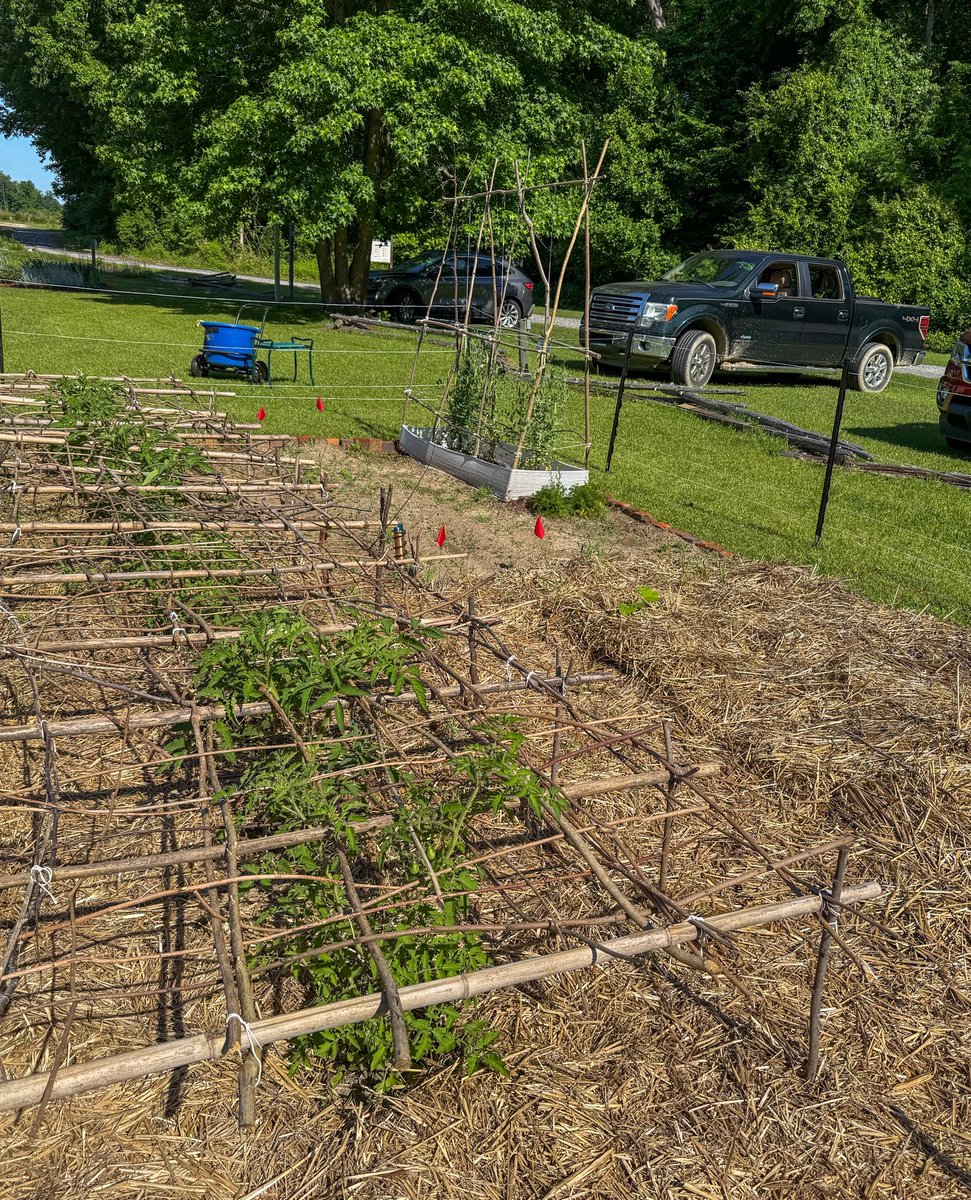
This year’s All Blue Potatoes are finally bursting out of the soil. We were over a month late getting them in the ground due to a severe fire ant infestation and were beginning to despair that they would ever come up. But here they come, lovely blue leaves reaching to the sky.
shape of the bite(s) and the fact that the perpetrator would need to climb the pole in order to reach the soap unless they were 2-3 feet tall. Of course skunks have been known to eat Irish Spring too. Now as to why either of them wants to eat Irish Spring soap…..
The answer is: We don’t actually know. Your guess is as good as ours or possibly better, but apparently opossums are known to be attracted to soap especially Irish Spring. In consulting a wildlife specialist the most probable culprit appears to be an opossum due to the size and