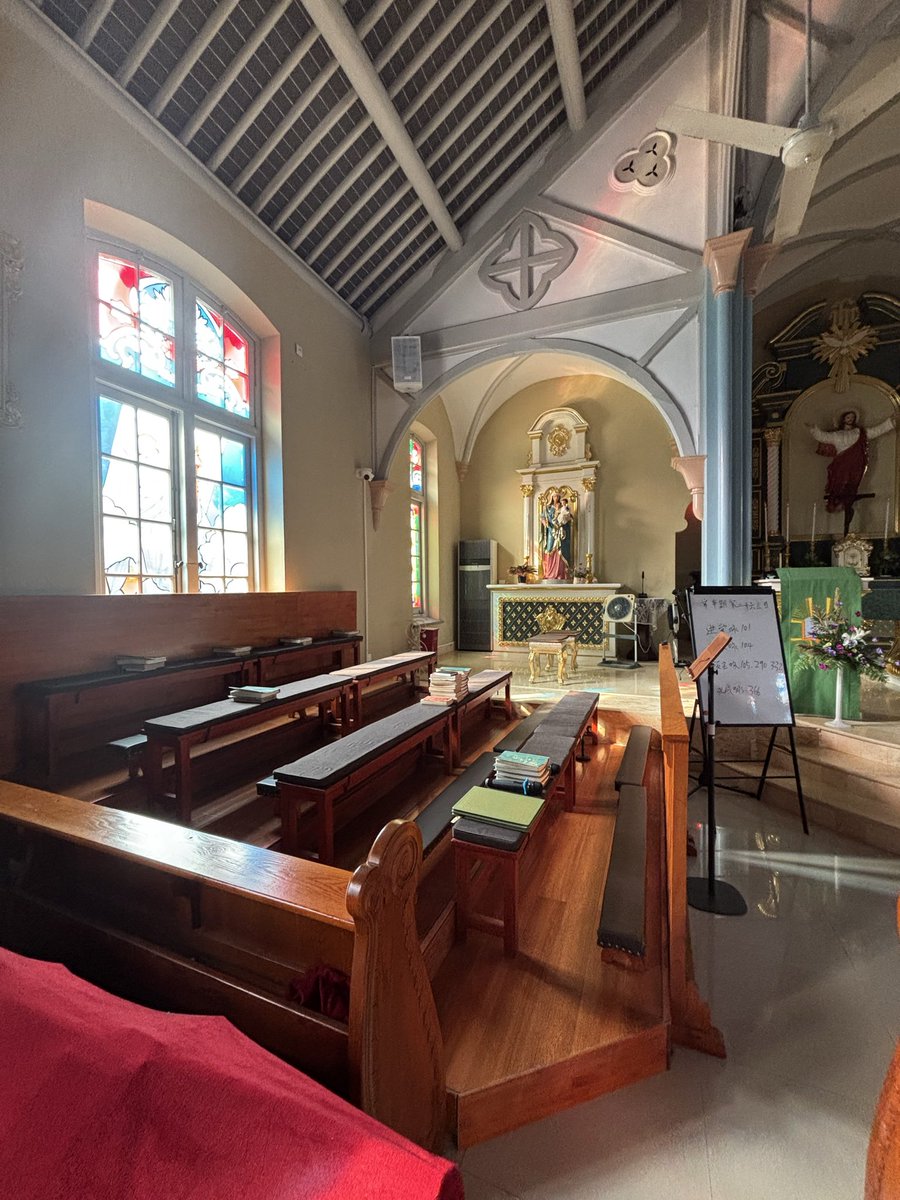
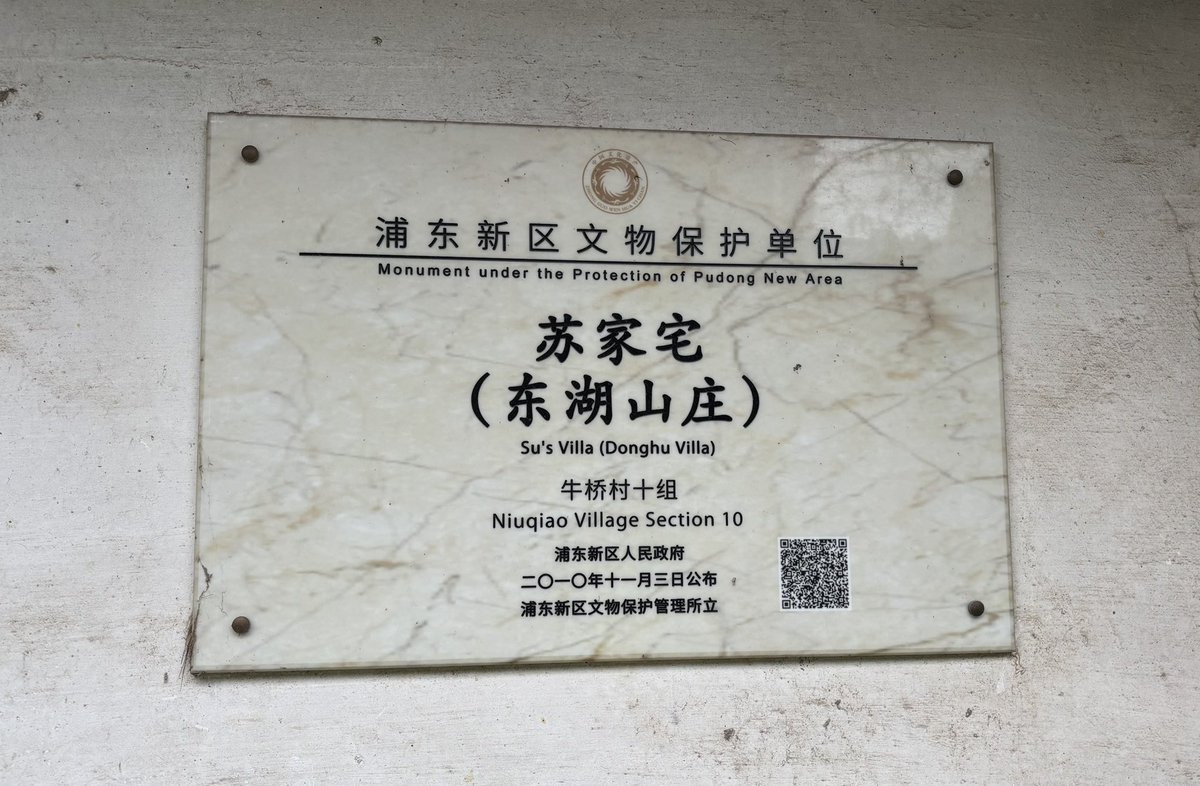
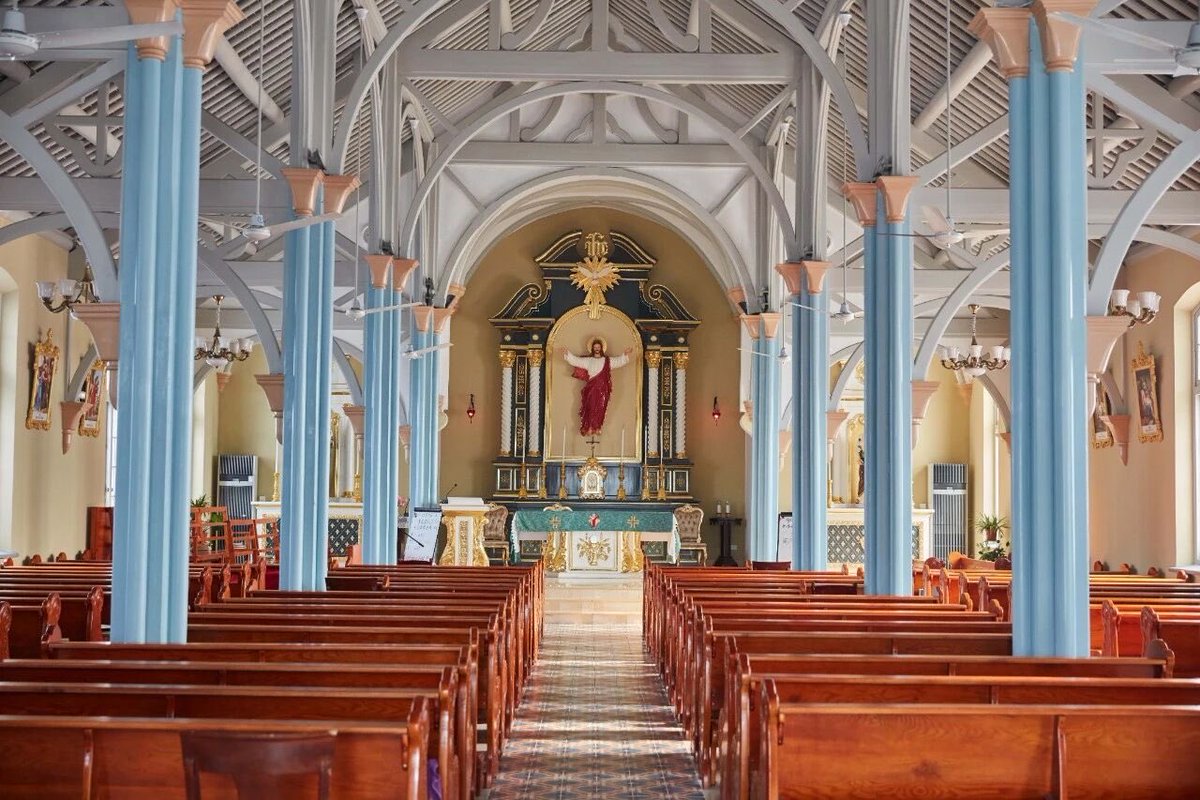
The reopening ceremony of the church was held on June 6, 2000. On November 3, 2010, the church was designated as a protected cultural property by the Pudong authorities.
Some of the photos are from: https://t.co/maqxar5IL8
Ming Dynasty defense fortifications, a Dutch Jesuit priest, and a Qing Dynasty bell all play a part in what may be one of the more under appreciated—and least visited—churches in Shanghai.
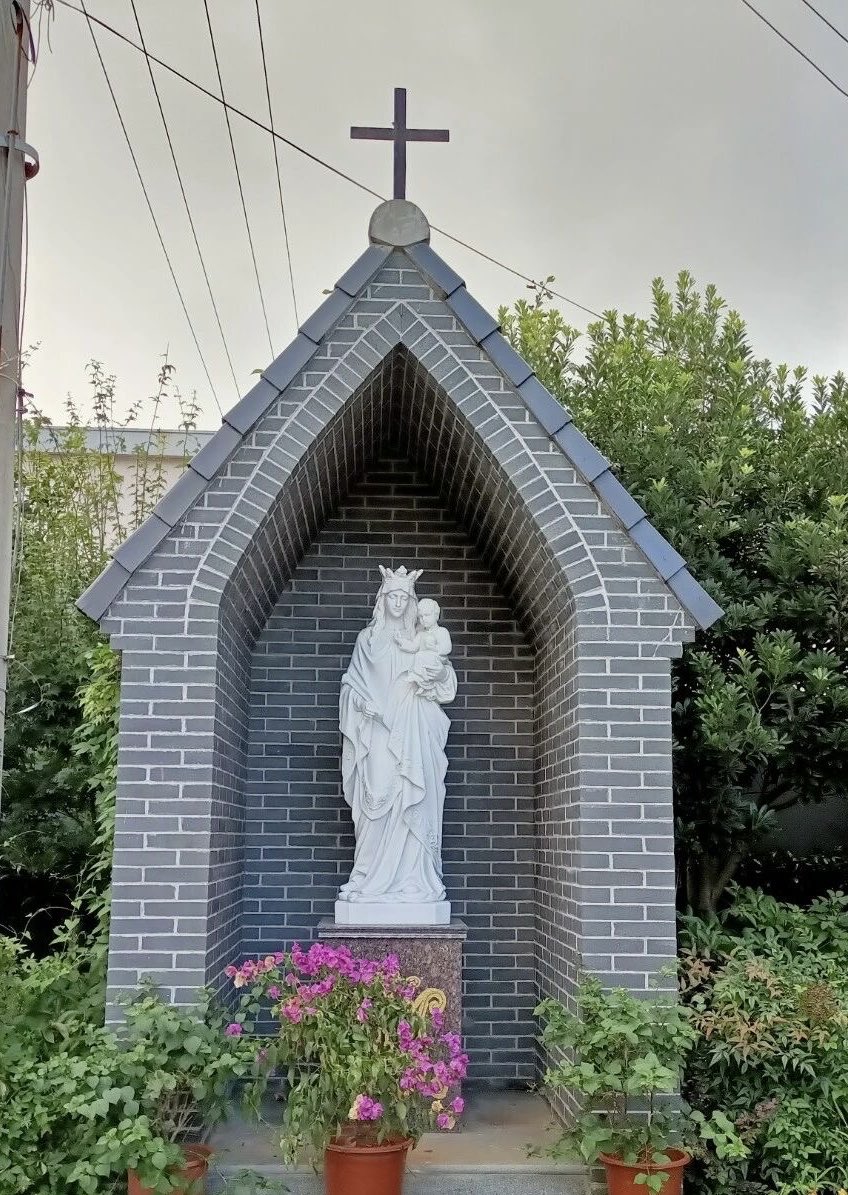
The bell tower was rebuilt in a Gothic style, different from the original. The bell is a Qing Dynasty bronze bell brought by foreign missionaries. Funding for a Marian pavilion (圣母亭) was donated by a Chinese-American.
Moving content to Substack.
Here’s the story of Ming dynasty scholar and official Lu Shen (陆深).
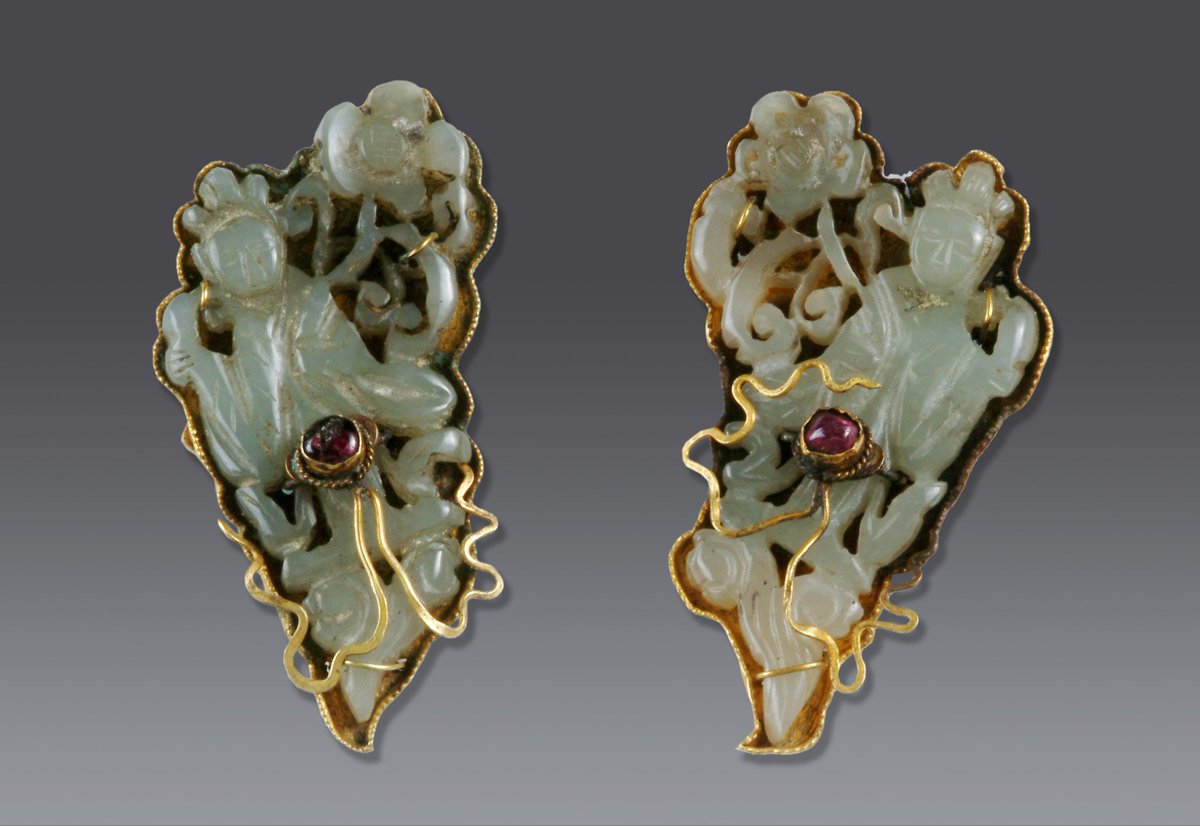
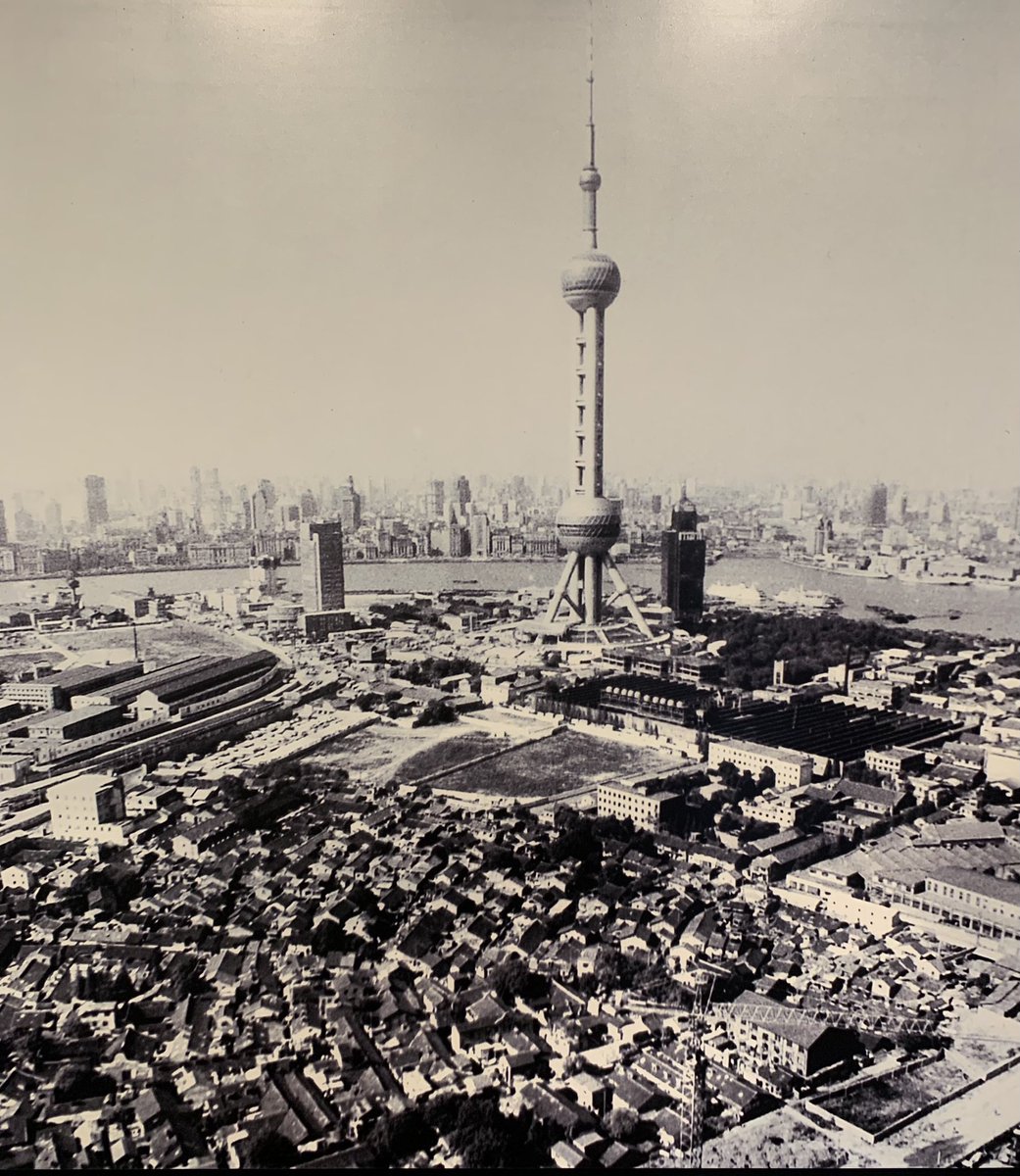
Shanghai’s financial center of Lujiazui is named after his family, and many of their art treasures are held in Shanghai Museum.
https://t.co/vU4DmX0V2f
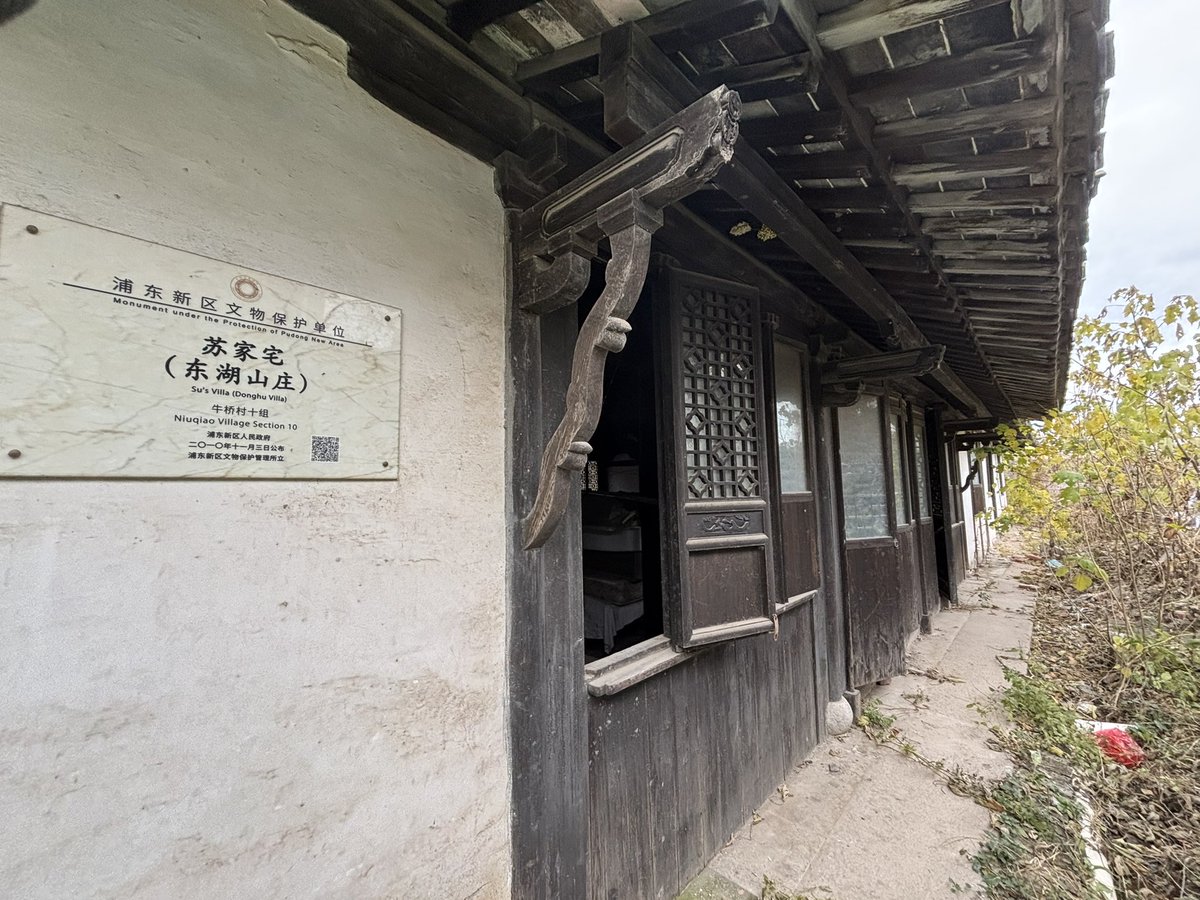
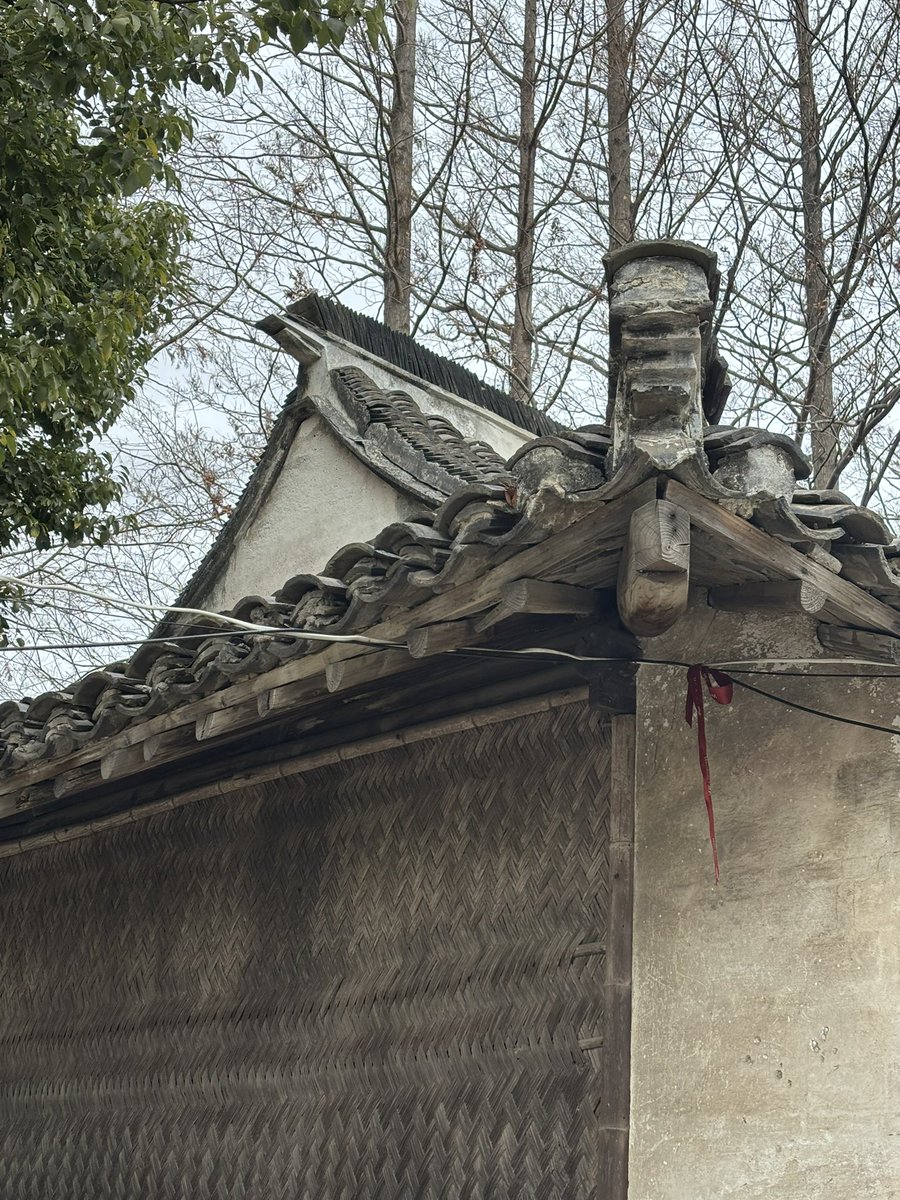
Su’s family home in Niuqiao Village has been protected by Pudong authorities since 2001. The house was completed in 1723 and expanded by Su Juxian.
The house is located about 1.2 km east of East Zhoupu Station on Line 16.
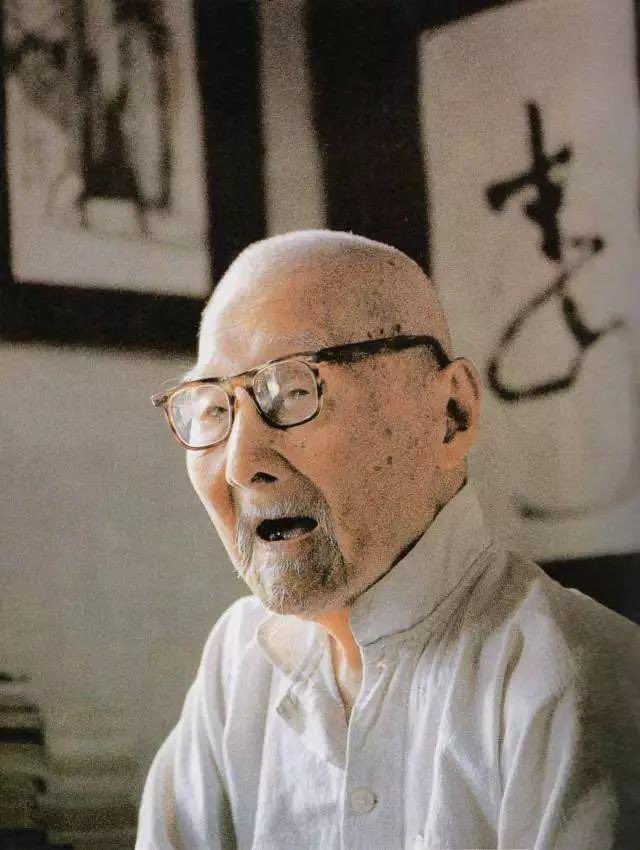
When Pudong’s Su Juxian (苏局仙) passed away on December 30, 1991, a tradition of 1,300 years ended.
Su was the last scholar of the Qing dynasty, the last living holder of an imperial examination degree.
His eight secrets to a long life were an open mind, optimistic thinking, mild temperament, moderate tastes, physical exercise, monitoring heat and cold, adequate sleep, and proper nutrition. His four evils to avoid: smoking, worrying, laziness, and obesity.