What can declassified diplomacy teach the next generation of historians? Essays in SHAFR's Passport spotlight #FRUS as an essential classroom tool. See what @SHAFRhistorians are saying.
https://t.co/ntffQ1UpLY
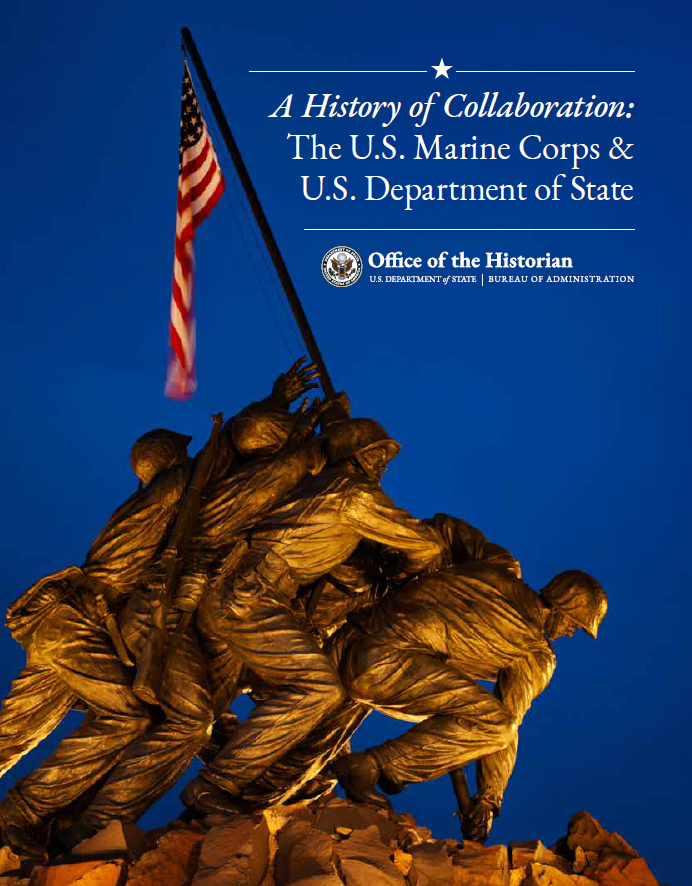
Since 1948, Marine Security Guards have protected America's diplomats, embassies, and classified information worldwide. This #VeteransDay, we honor every Marine who stood that watch, and those who gave their lives in that service. Semper Fidelis.
https://t.co/npX6P2fLe5
On the @USMC’s 251st birthday, we remember the Marines who closed out the U.S. Embassy in Saigon. In 1975, the embassy’s Marine Security Guards requested to be the “last out of Vietnam.” After ensuring that no U.S. citizen under Chief of Mission authority was abandoned and that no classified material fell into enemy hands, eleven Marines boarded the final helicopter. The last American to board was Master Sergeant Juan J. Valdez. https://t.co/4kr3nVA13w
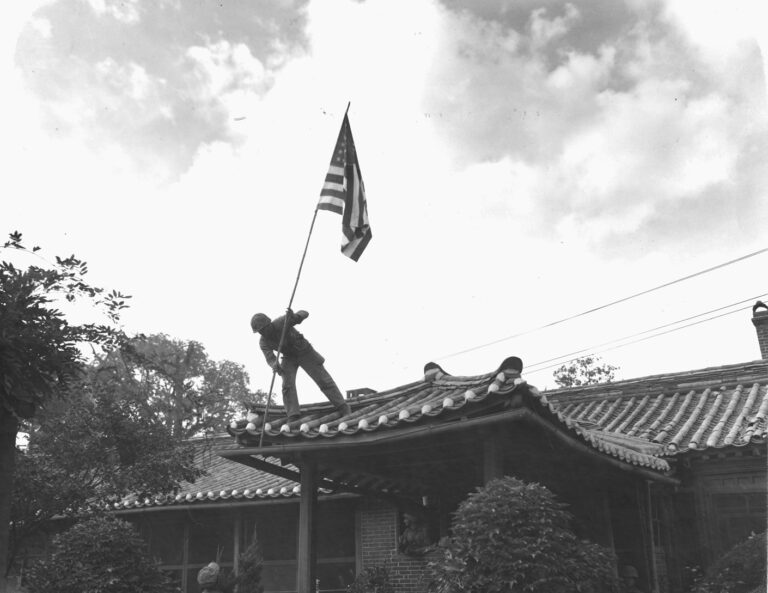
June 25, 1950: North Korea invades South Korea. Seoul's 20 embassy Marines work 60+ hours straight, evacuating Americans and destroying code machines. All 20 get out. Three months later, Marines retaking the city raise the flag over the U.S. consulate.
https://t.co/npX6P2gj3D
World War I: The @StateDept asks for Marines as diplomatic couriers. Armed Marines in civilian clothes escort every sack of diplomatic and confidential dispatches between the U.S. and American missions across Europe.
https://t.co/npX6P2fLe5
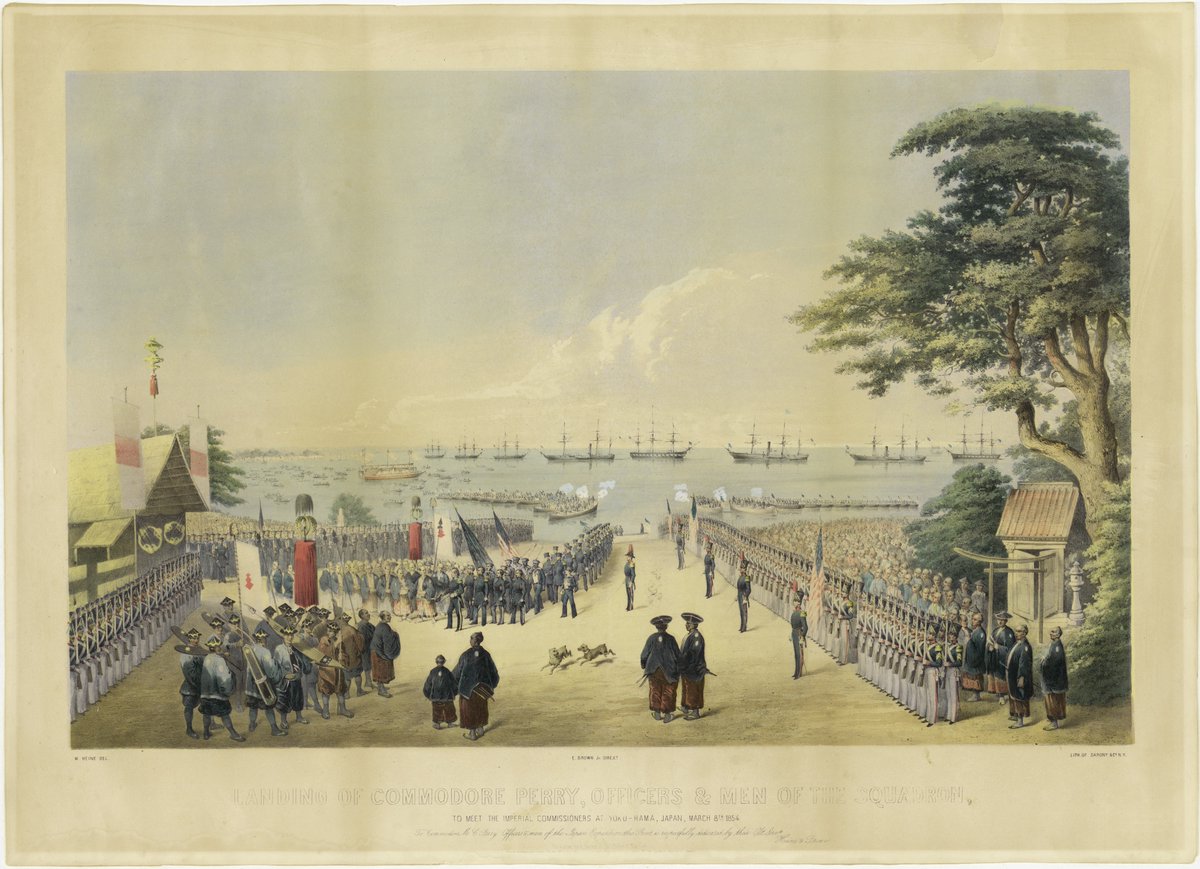
Before Commodore Perry's mission to open relations with Japan, Marines rehearsed their drill on the U.S. Capitol lawn. In 1854, they performed it for Japan's commissioners, who praised their "soldierly air." Japan's reply: a troupe of sumo wrestlers.
https://t.co/npX6P2fLe5
1778: Diplomat John Adams sails to forge a French alliance. When the Boston meets a heavily armed British ship, Adams is ordered below deck. When it surrenders, the captain finds him with the Marines, musket in hand: "I ought to do my share of fighting."
https://t.co/npX6P2gj3D
No permanent allies. No permanent enemies. Only permanent interests. President George Washington’s Sept. 19, 1796, Farewell Address, published in newspapers across the country, made the case for American independence above all else in foreign affairs. Washington promoted the idea that the United States should not have permanent allies or enemies on the international stage, only permanent interests, with the goal of preserving American independence.
#USHistory #ForeignPolicy
Since 1775, Marines and U.S. diplomats have served side by side, from protecting envoys at sea to guarding embassies worldwide. As George Shultz, Marine veteran and Secretary of State, put it: "Strength and diplomacy go together. They need each other."
https://t.co/npX6P2fLe5
What did the U.S. urgently need in 1795? Access to the Mississippi River. Thomas Pinckney delivered — negotiating the Treaty of San Lorenzo with the Spanish Government. On Oct. 27, 1795, the U.S. and Spain signed Pinckney’s Treaty — securing American navigation rights on the Mississippi River, codifying commercial relations, and resolving bitter territorial disputes that had shadowed the young republic.
#USHistory #ForeignPolicy #Diplomacy
After peace with Britain had been established and independence secured, the United States began to extend its territory westward, bringing it into conflict with native Indian tribes. Gen. Anthony Wayne — soldier turned diplomat — negotiated the Treaty of Greenville in 1795 to end hostilities and open the land around the Great Lakes region for U.S. settlement.
#USHistory #Diplomacy
What do you do when you need your top diplomat fast? In 1794, George Washington tapped Supreme Court Chief Justice John Jay as special envoy to Britain to negotiate an agreement for U.S. maritime rights and trade. Jay’s Treaty signified a new era of U.S. diplomacy, where Britain’s relations with its former colonies would reflect their new status as a sovereign nation.
#DiplomaticHistory #USHistory #ForeignPolicy
On April 22, 1793, President George Washington issued the Proclamation of Neutrality — refusing to take sides as Britain and France went to war. One of the most consequential — and controversial — decisions of the founding era.
#USHistory#ForeignPolicy#Diplomacy
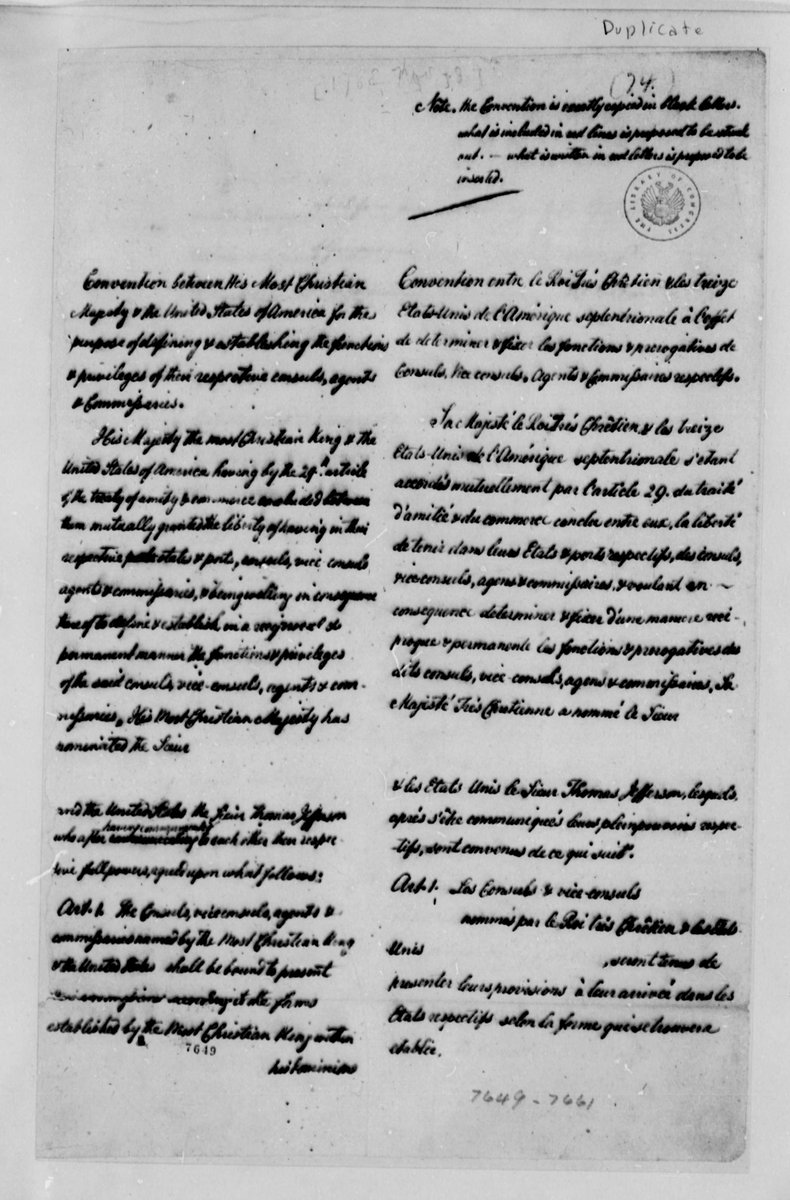
In 1788: Before he was Secretary of State, Thomas Jefferson helped shape U.S. consular work — negotiating a convention with France that defined consul roles still familiar 235+ years later.
#USHistory#ForeignPolicy#Diplomacy
Morocco was one of the first nations to recognize U.S. independence. In 1786, diplomat Thomas Barclay negotiated a Treaty of Peace & Friendship — cementing one of America’s oldest and most enduring diplomatic relationships.
#USHistory#Diplomacy
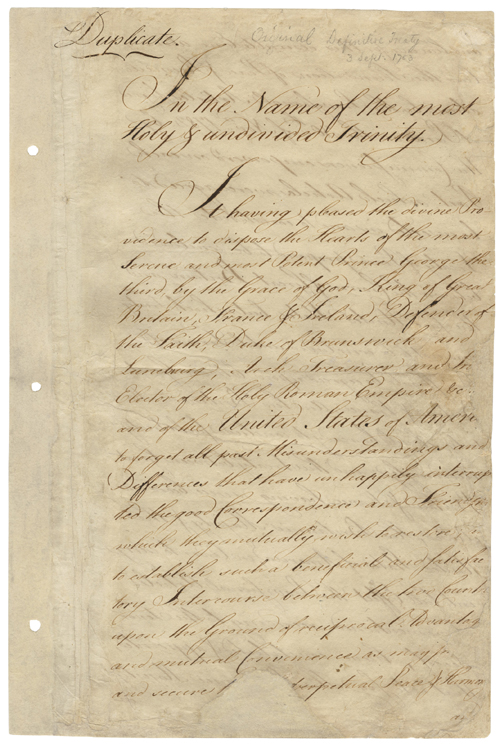
What ended the Revolutionary War? A treaty signed in Paris in 1783 by three American diplomats — John Adams, Benjamin Franklin & John Jay — and British MP David Hartley. It secured independence from Britain, freedom for POWs & addressed the fate of British loyalists in the new nation.
On September 17, 1778, the United States signed the Treaty with the Delawares — also known as the Treaty of Fort Pitt — with the Delaware (Lenape) Nation. The agreement permitted U.S. military operations against the British in Mid-Atlantic regions inhabited by the Lenape, marking a significant moment in early American diplomacy.
#USHistory #Diplomacy
Also on February 6, 1778, U.S. diplomats Benjamin Franklin, Silas Deane, and Arthur Lee signed the Treaty of Alliance with France in Paris — uniting both nations in “common cause” against Britain. The agreement governed not only military operations but also the terms of eventual peace negotiations.
#USHistory #Diplomacy
On February 6, 1778, U.S. diplomats Benjamin Franklin, Silas Deane, and Arthur Lee signed the Treaty of Amity and Commerce in Paris with France — formally recognizing the United States as an independent nation and establishing a framework for bilateral trade.
#USHistory #Diplomacy
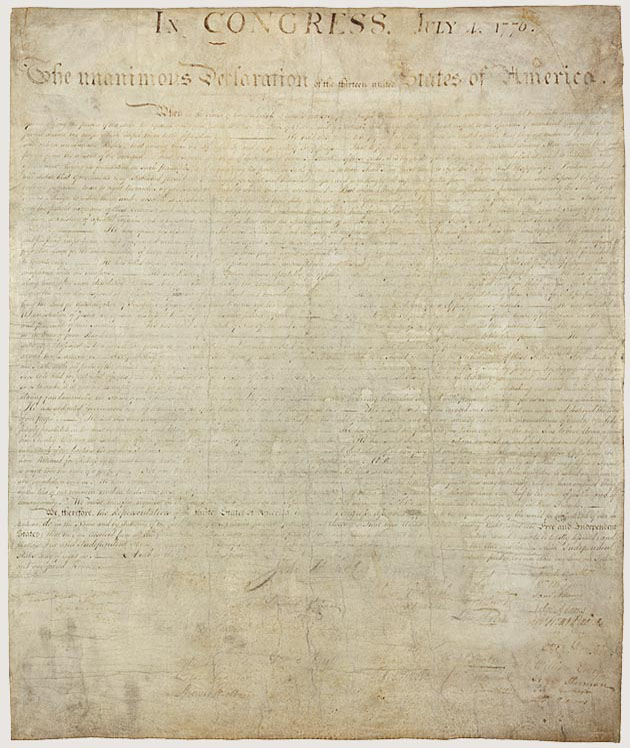
Did you know? The Declaration of Independence wasn’t just America’s founding document — it was also the new nation’s first statement of foreign policy principles. By declaring independence, the signers asserted the United States’ right to conduct its own diplomacy and international trade.
#USHistory #ForeignPolicy #Diplomacy