Organic azides: from Peter Griess' 1864 discovery of Phenyl azide by the reaction of ammonia & phenyldiazonium.
They power airbags, enable click chemistry, & more.
Griess also discovered diazotization reactions of arylamines.
[https://t.co/QuivsWlMxS] 💥 #chemistry#chemtwitter
In 1983, D. Dess and J.C. Martin published their groundbreaking work on the Dess-Martin periodinane (DMP), transforming the landscape of alcohol oxidation in organic synthesis with its mild and selective approach. #chemtwitter
Org. Chem. 1983, 48, 22, 4155–4156.
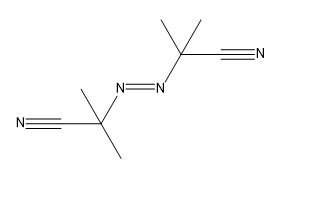
Did you know? AIBN was discovered by Thiele & Heuser🇩🇪 in 1896, but its use as a radical polymerization initiator was first reported in "German plastics practice" in the 1940s.
AIBN's consistent initiating rate made it a popular choice for kinetic studies. #Polymer#chemtwitter
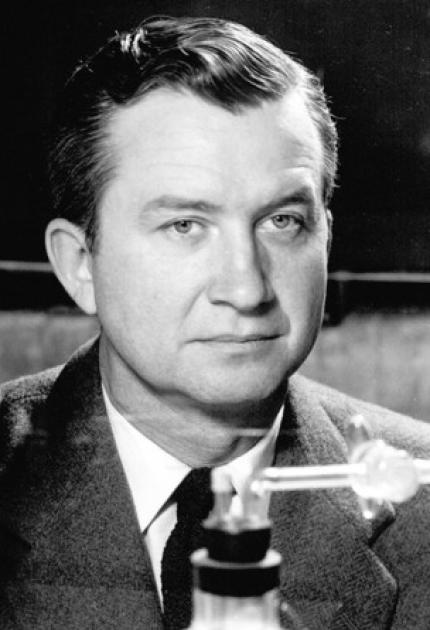
In 1955, John Sheehan🇺🇲 first reported the use of dicyclohexylcarbodiimide (DCC) as a coupling reagent for the synthesis of peptides.
#chemtwitter
Sheehan achieved the synthesis of penicillin V in 1957, one of the most challenging chemistry problems at that time.
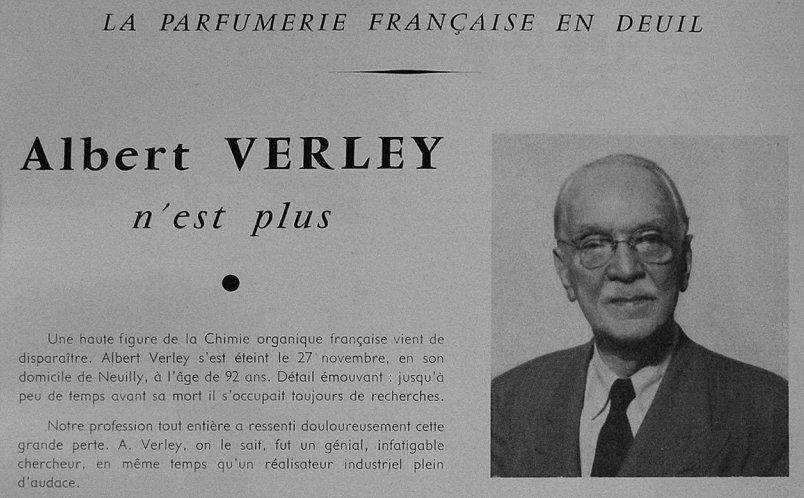
DMF, a polar solvent loved by some, hated by others. First produced in 1893 by French chemist Albert Verley, by distilling dimethylamine hydrochloride and potassium formate. Verley also patented a method for vanillin synthesis from isoeugenol and ozone in 1895 #Chemistry
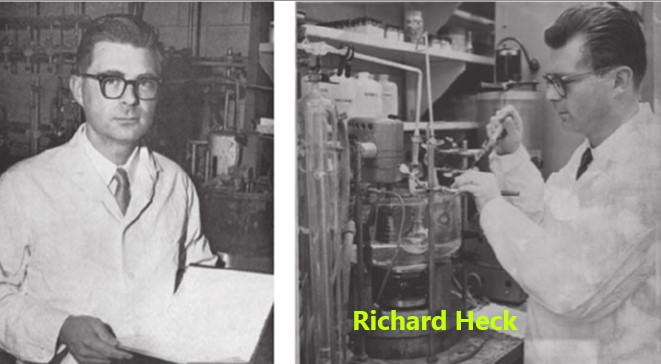
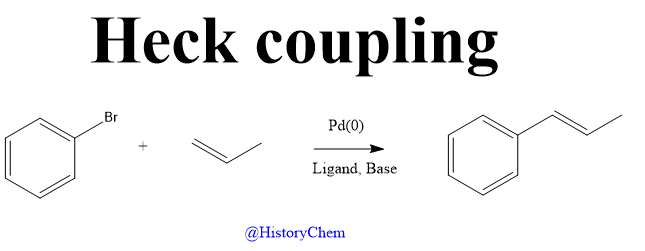
The use of Pd(0)/(II) catalysts can be traced back to 1971 when T. Mizoroki 🇯🇵 used PdCl2 for coupling iodobenzene and styrene. In 1972 Richard Heck 🇺🇲 found that 0.01 equiv. of Pd(OAc) under solvent-free conditions worked for the coupling of halides and olefinic compounds.
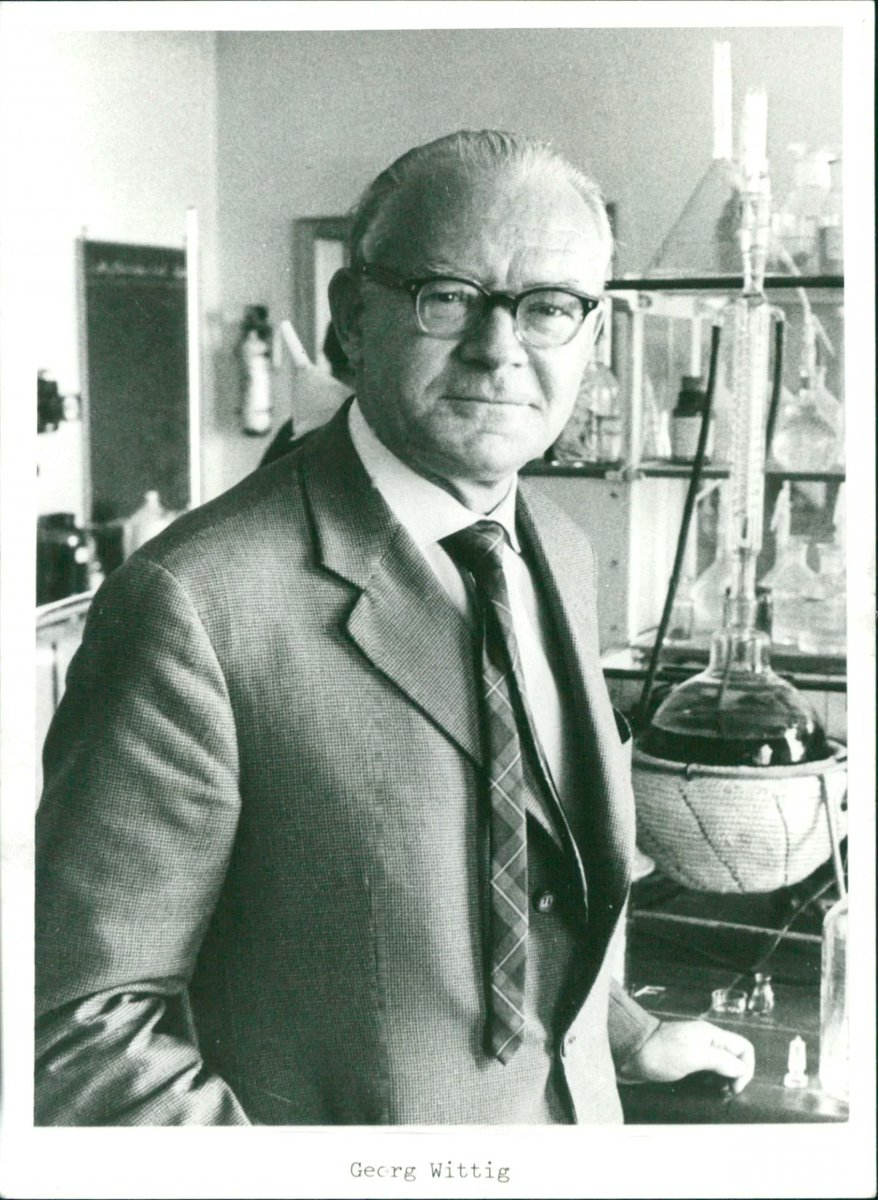
1954 - The Wittig Reaction -🎖️ 1979
🇩🇪George Wittig and Ulrich Schöllkopf reported the conversion of aldehydes and ketones to alkenes when reacting with ylides. The reaction shows a strong driving force as the phosphine oxide is formed.
https://t.co/IWbVurVs1W
The first 1,3-dipolar cycloaddition was carried out by E. Buchner in Munich 🇩🇪 1888. Buchner was exploring the reactivity of unsaturated carboxylic acid esters (dimethyl fumaric acid) with methyl diazoacetate, being the last one the first diazoalkane ever reported by T. Curtius.
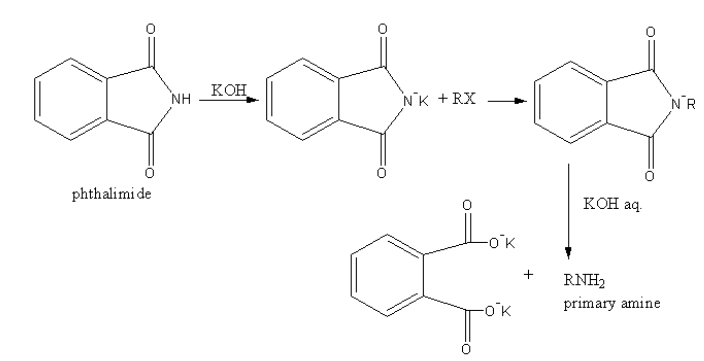
In 1887 Sigmund Gabriel 🇩🇪 reported a method for the alkylation of phthalimide with primary alkyl halides. Further hydrolysis with strong acids or bases yields the free amine.
In 1926 Ing. Mask optimized the procedure by using hydrazinolysis to get the free amine.
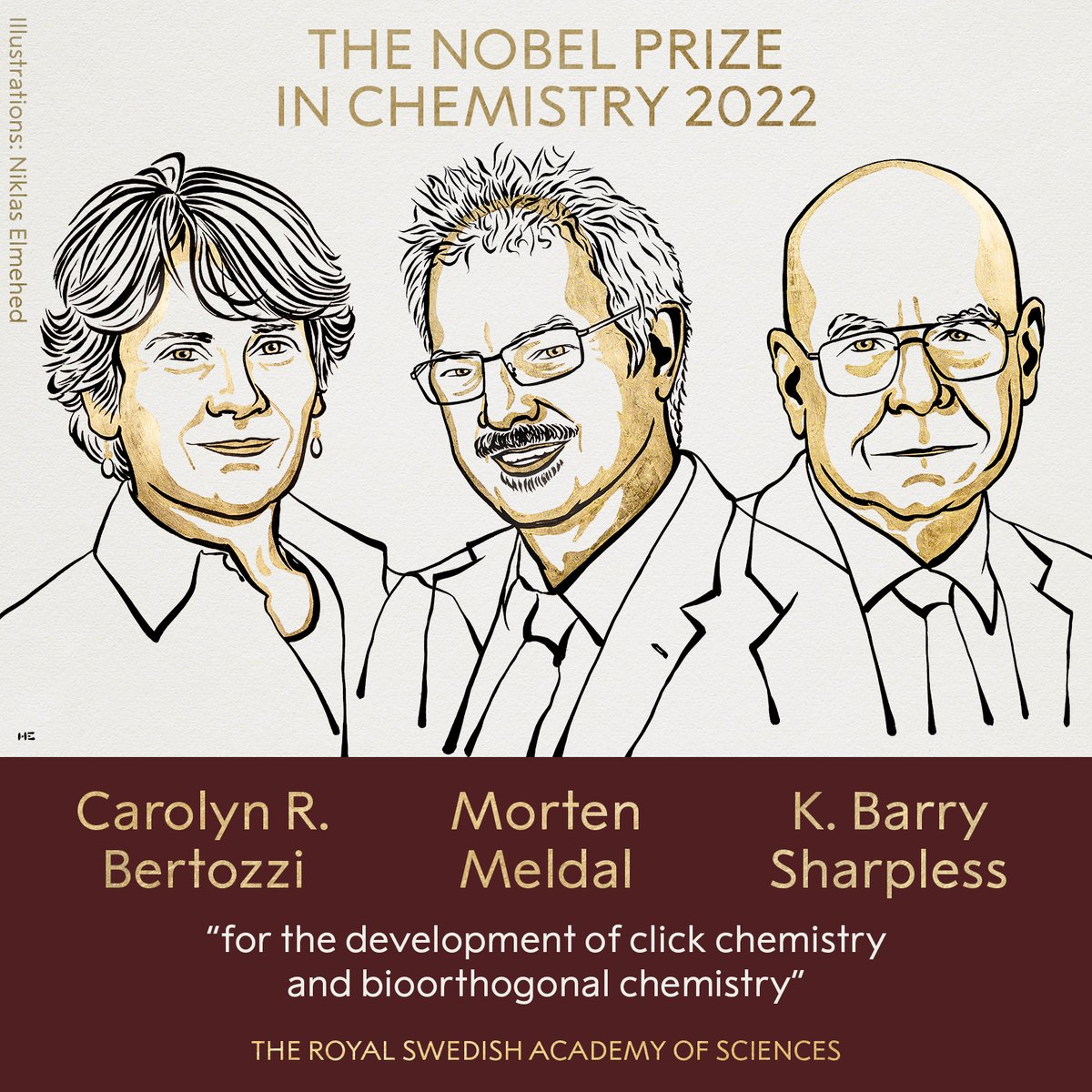
BREAKING NEWS:
The Royal Swedish Academy of Sciences has decided to award the 2022 #NobelPrize in Chemistry to Carolyn R. Bertozzi, Morten Meldal and K. Barry Sharpless “for the development of click chemistry and bioorthogonal chemistry.”
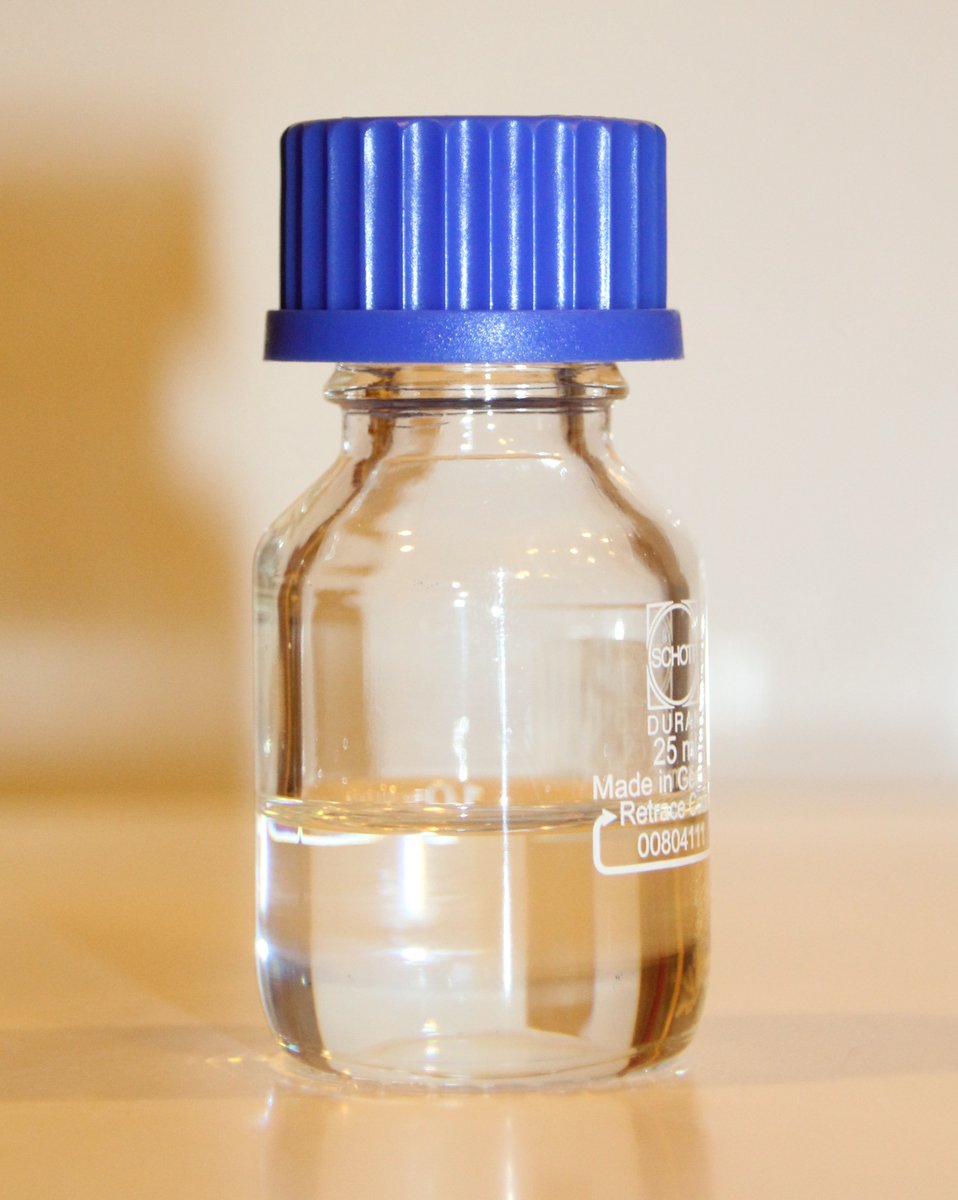
Pyridine #chemistry
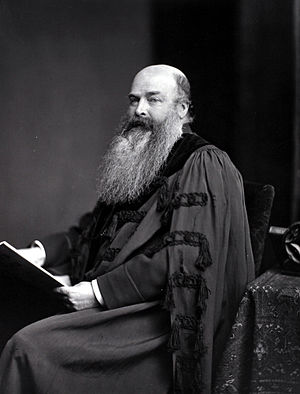
The first isolation was reported in 1849 by the Scottish chemist 🏴T. Anderson. Like previously in alchemy tradition, he isolated pyridine from heated mixtures of animal bones.
Currently, 20,000 tons per year worldwide are produced #ChemTwitter
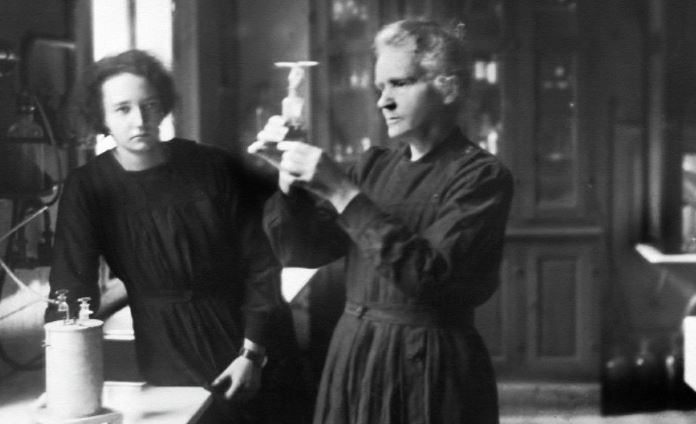
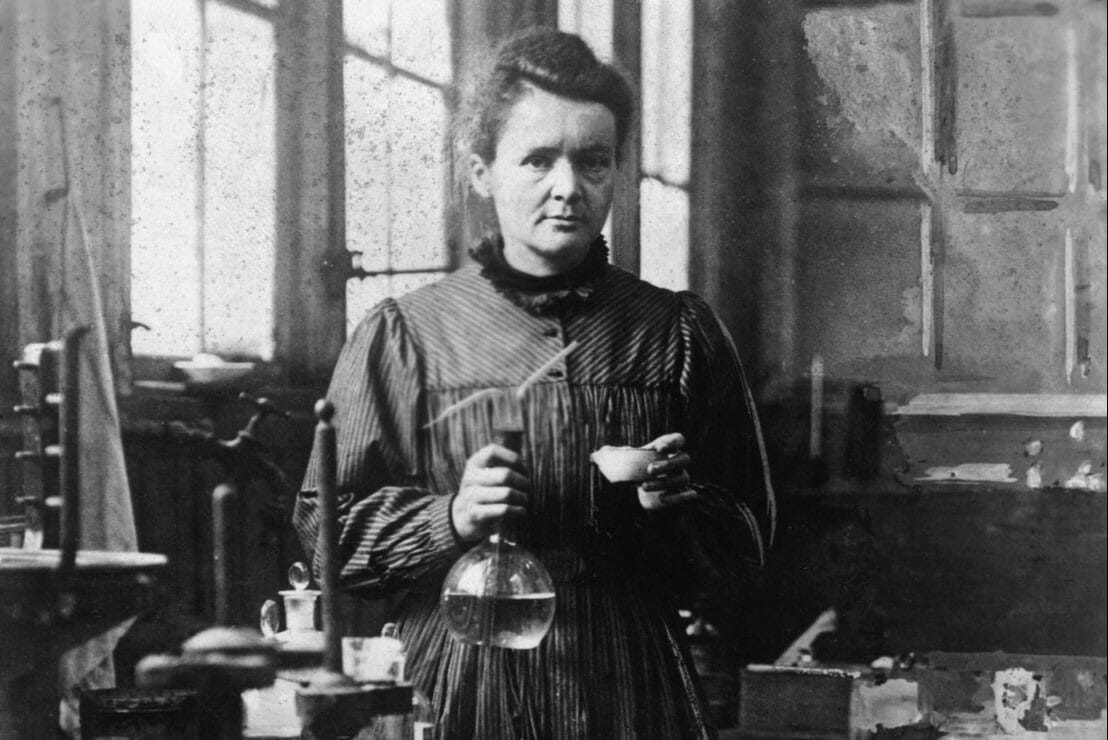
Marie Sklodowska-Curie
"After all, science is essentially international, and it's only through lack of historical sense that national qualities have been attributed to it"
#chemtwitter#chemistry
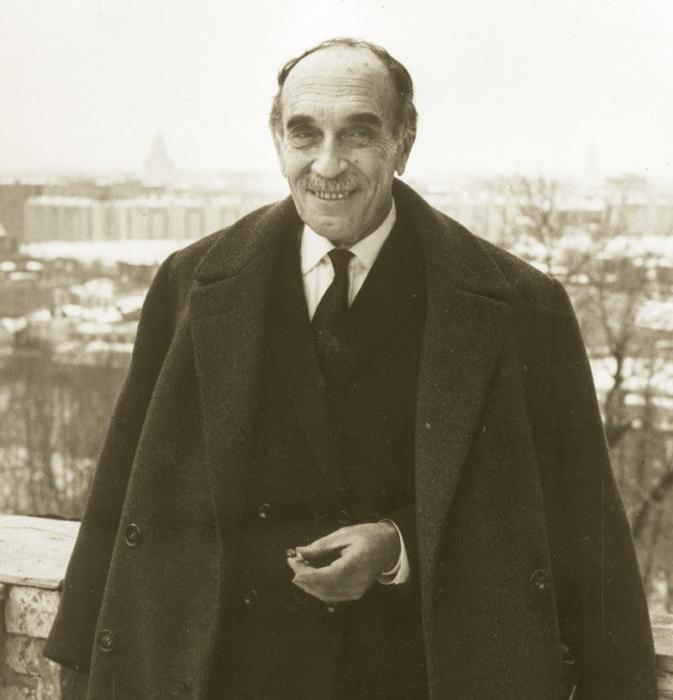
Nikolay Semenov USSR (now Russia)
Nobel Prize in #Chemistry 1956
Field of study : #ChemicalKinetics
"During chemical reactions, atoms and molecules regroup and form new constellations. A chain reaction can occur. Explosions and fire are examples of chain reactions" #chemtwitter
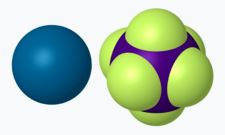
1962 - The first nobel gas compound #inorgchem
N. Bartlett 🏴🇨🇦 reported the synthesis of Xenon hexafluoroplatinate. A mixture of Xenon with platinum hexafluoride yielded a yellow precipitated #chemistry
This led to subsequent discoveries of noble gas compounds. #chemtwitter
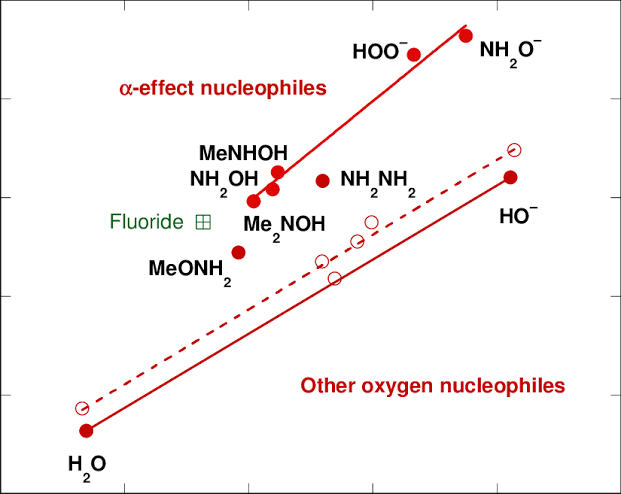
1960 the α-effect (increased nucleophilicity) #inorgchem#orgchem
W. Jencks and co-workers reported that nucleophiles bearing a lone pair electron adjacent to the nucleophilic atom displayed enhanced reactivity than expected to their pKa in acyl transfer reactions
#chemtwitter
1869 - The Markovnikov´s rule #orgchem
V. Markovnikov 🇷🇺 described an empirical rule for electrophilic addition to alkenes. Hydrogen is added to the Carbon with the most hydrogens and the X- is added to the C with the least hydrogens. #Chemtwitter#chemistry









![HistoryChem's tweet photo. Organic azides: from Peter Griess' 1864 discovery of Phenyl azide by the reaction of ammonia & phenyldiazonium.
They power airbags, enable click chemistry, & more.
Griess also discovered diazotization reactions of arylamines.
[https://t.co/QuivsWlMxS] 💥 #chemistry #chemtwitter https://t.co/AGfW3XeOeA](https://pbs.twimg.com/media/GXCPWnAXYAAS_fx.jpg)