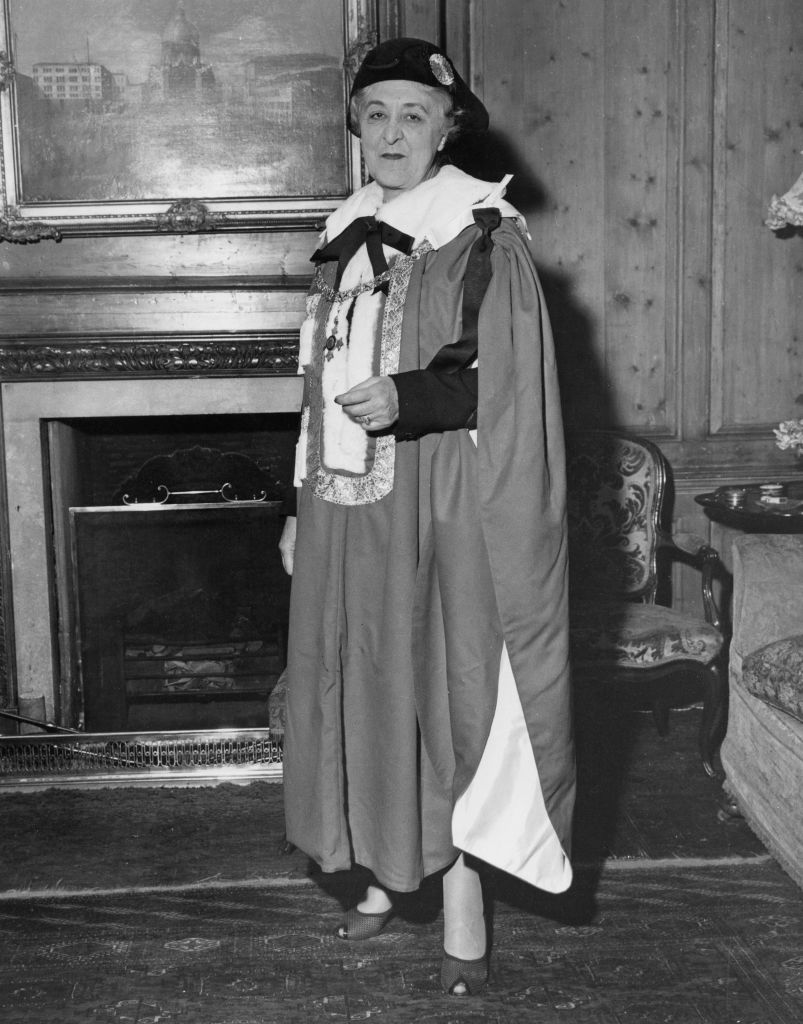
#OnThisDay in 1958, Stella Isaacs, Baroness Swanborough and Marchioness of Reading, became the first woman to take her seat in the House of Lords. During the Second World War she had founded the Women's Voluntary Service.
📸 Getty
On the podcast | Andrew Kenrick unravels the amazing life of Juba – from a two-year-old Roman captive in 46BC, to ruling an African kingdom, married to Cleopatra's daughter
🎧 Listen now on the HistoryExtra app, or wherever you get your podcasts
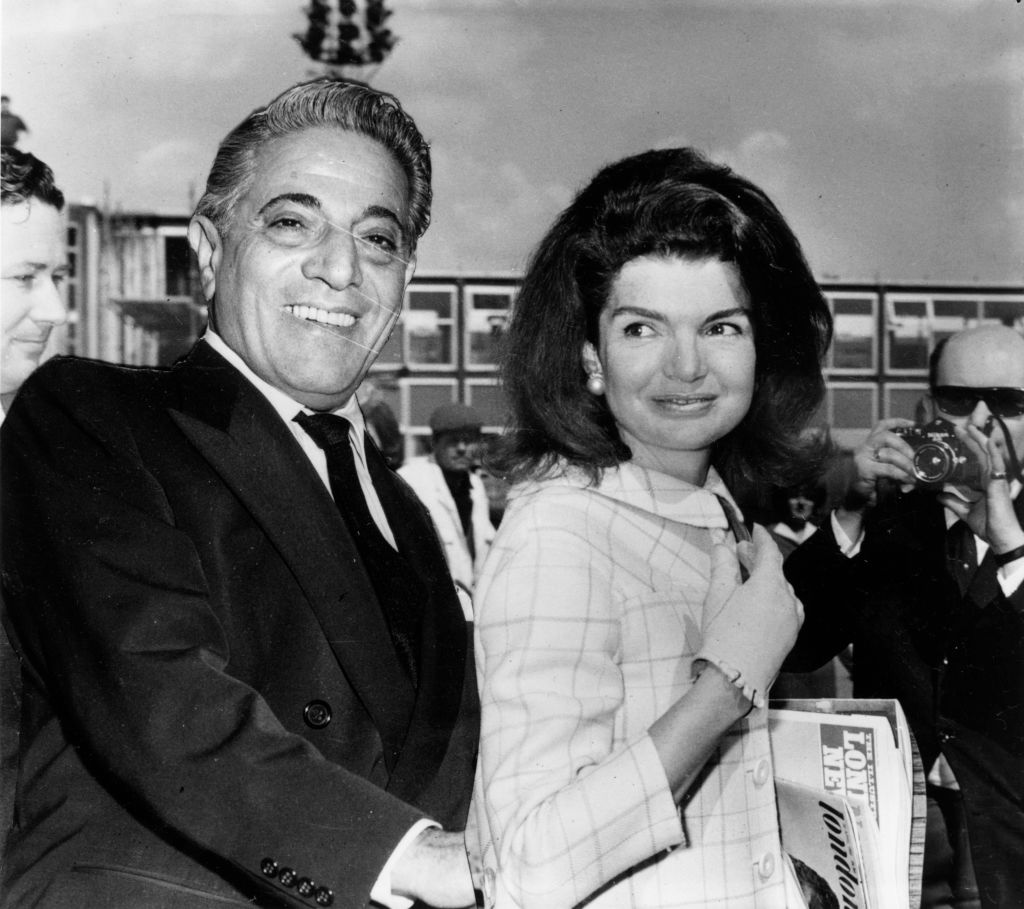
#OnThisDay in 1968, Jacqueline Kennedy, widow of the murdered US president John F Kennedy, astounded the world by marrying the Greek shipping tycoon Aristotle Onassis.
📸 Getty
On the podcast | Toby Green takes us to the west African port of Cacheu in the mid 17th century and reveals why one of its leading figures caught the attention of the Portuguese Inquisition
🎧 Listen now on the HistoryExtra app, or wherever you get your podcasts
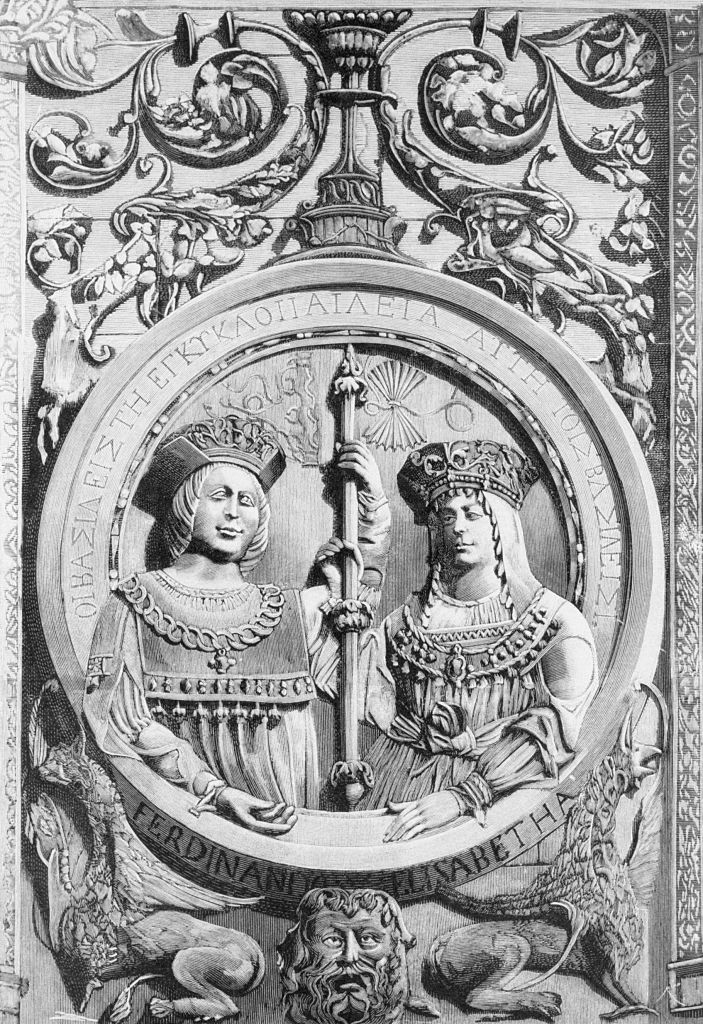
#OnThisDay in 1469, Isabella I of Castile and Ferdinand II of Aragon married, creating united Spain. The ceremony took place roughly a week after they had met, and the royal couple even produced a (forged) papal bull for the event – because they were so closely related.
📸 Getty
#OnThisDay in 1922, the British Broadcasting Company was founded by a group of leading wireless manufacturers. It was funded by a 10-shilling licence fee and made its first broadcast in November from the Marconi studio in The Strand, London.
📸 Getty
On the podcast | Erin Maglaque explores the history of the female body – from 'nidgeting' to the supposed effects of a woman's imagination on her unborn child
🎧 Listen now on the HistoryExtra app, or wherever you get your podcasts
#OnThisDay 1793, The French Revolution claimed one of its most famous victims: Marie Antoinette. On the way up to the guillotine, she accidentally trod on the toe of her executioner, Henri Sanson. Moments later, he would raise her severed head to the crowd.
📸 Getty
On the podcast | Judith S Lewis explores the role of the country house during the Second World War
🎧 Listen now on the HistoryExtra app, or wherever you get your podcasts
#OnThisDay in 1941, BBC Nine O'Clock News listeners heard a mystery voice attempting to pass acerbic comments on the news items being read. Newsreader Alvar Lidell carried on as usual but eventually announced: "It is the voice of the enemy" – a German propagandist.
📸 Getty
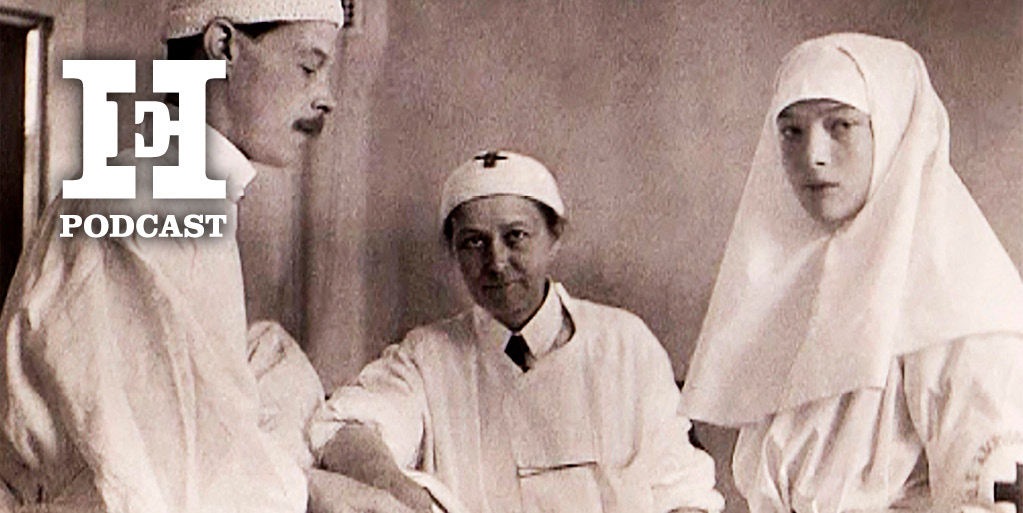
On the podcast | Biographer Miranda Seymour uncovers the extraordinary life of Vera Gedroits, a pioneering female surgeon whose achievements were erased from history
🎧 Listen now on the HistoryExtra app, or wherever you get your podcasts
#OnThisDay in 1908, the Suffragettes tried to storm the House of Commons in a 'rush' protest. According to the press, 60,000 people got involved, but only one woman made it to the Commons chamber: Margaret Travers Symons.
📸 Getty
On the podcast | Linford D Fisher chronicles the stories of Native American people taken from their homes and enslaved across centuries of US history
🎧 Listen now on the HistoryExtra app, or wherever you get your podcasts
#OnThisDay in 1960, Soviet premier Nikita Khrushchev caused uproar at the United Nations General Assembly when he used his shoe to bang on his desk. He did so in protest after the Philippine delegate accused the USSR of imperialism in Eastern Europe.
📸 Getty
#OnThisDay in 1982, the wreck of the Tudor warship 'Mary Rose' was raised from the sea bed off Spithead. It had been King Henry VIII's prized warship, but had sunk during the Battle of Solent in 1545.
📸 Getty
On the podcast | Rae Gillibrand reveals the surprisingly enlightened attitudes to disability in pre-modern England
🎧 Listen now on the HistoryExtra app, or wherever you get your podcasts
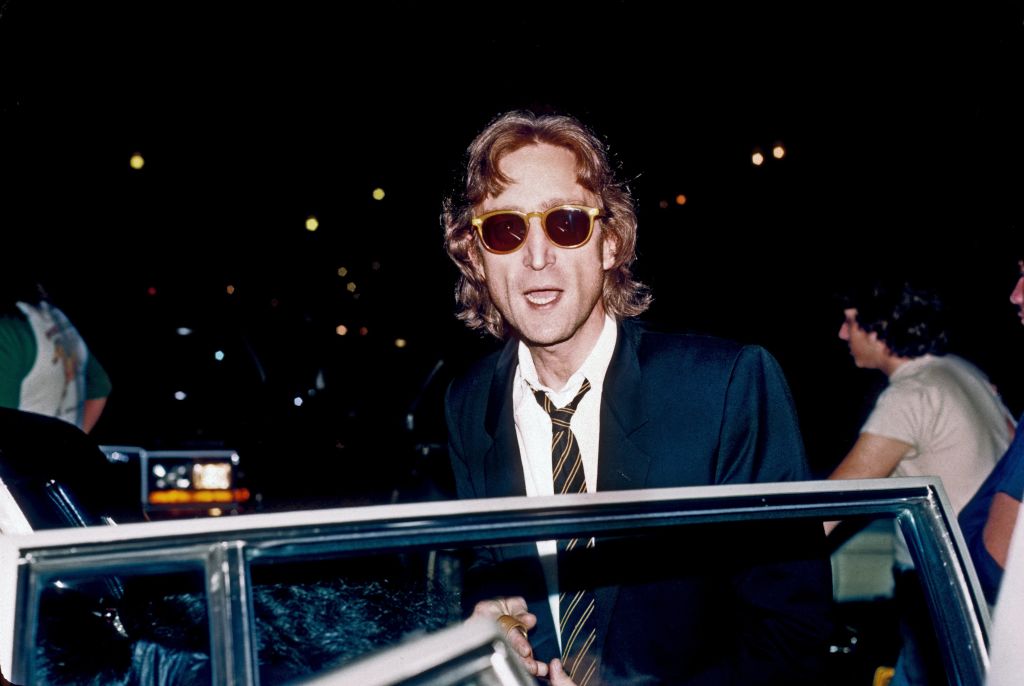
#OnThisDay in 1940, musician John Lennon was born in Oxford Street Maternity Hospital, during a German air raid. The only child of merchant seaman Alfred Lennon and cinema usher Julia, John saw little of his father and was chiefly brought up by his aunt, Mimi.
📸 Getty
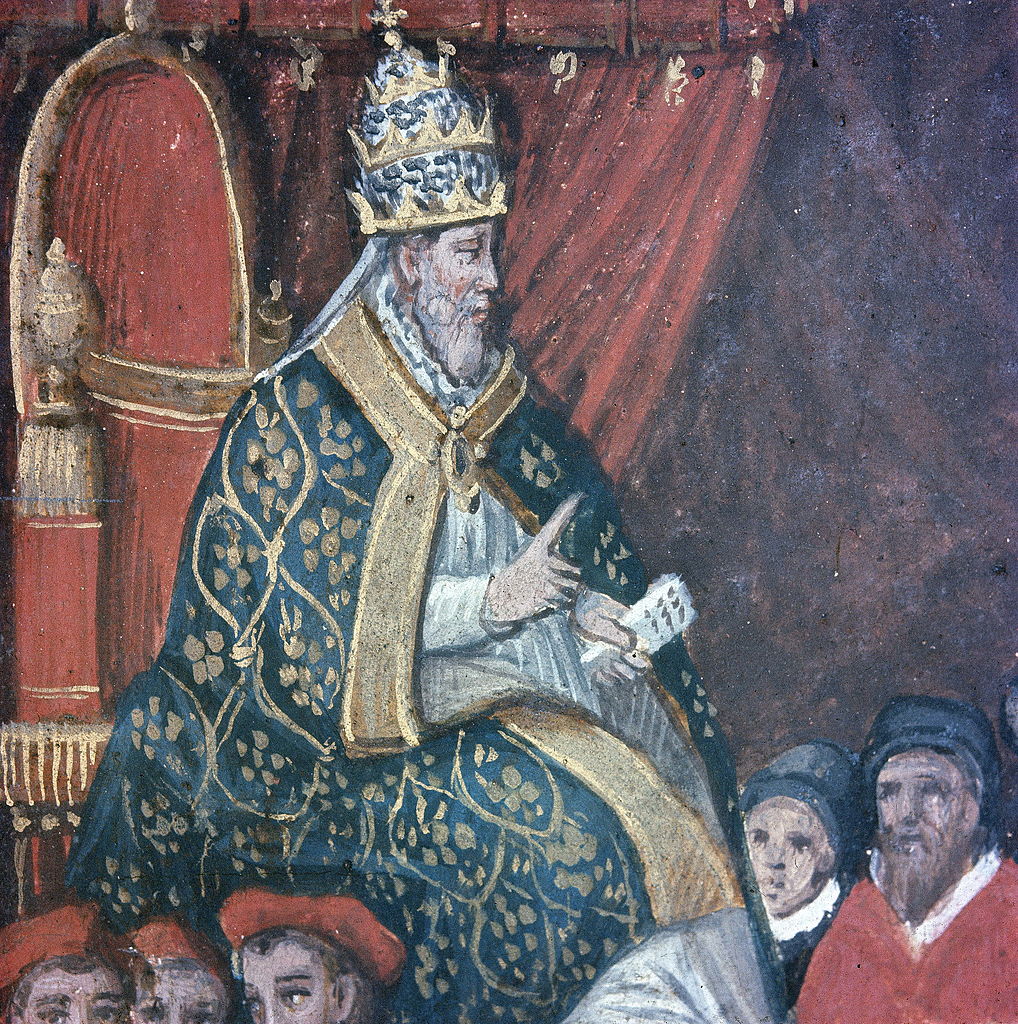
In Italy, Spain, Portugal and Poland, #ThisDay in 1582 never existed. Due to the implementation of Pope Gregory XIII’s controversial new calendar, 10 days were skipped to fix a miscalculation in the old Julian calendar, which had caused a drift in the solar year.
📸 Getty
On the podcast | Eric T Jennings explores the piracy, espionage and cut-throat capitalism that have shaped the history of vanilla
🎧 Listen now on the HistoryExtra app, or wherever you get your podcasts