3.6 billion years ago: the Eoarchean - the first era of the Archean Eon of the geologic record for which the Earth has a solid crust - ends.
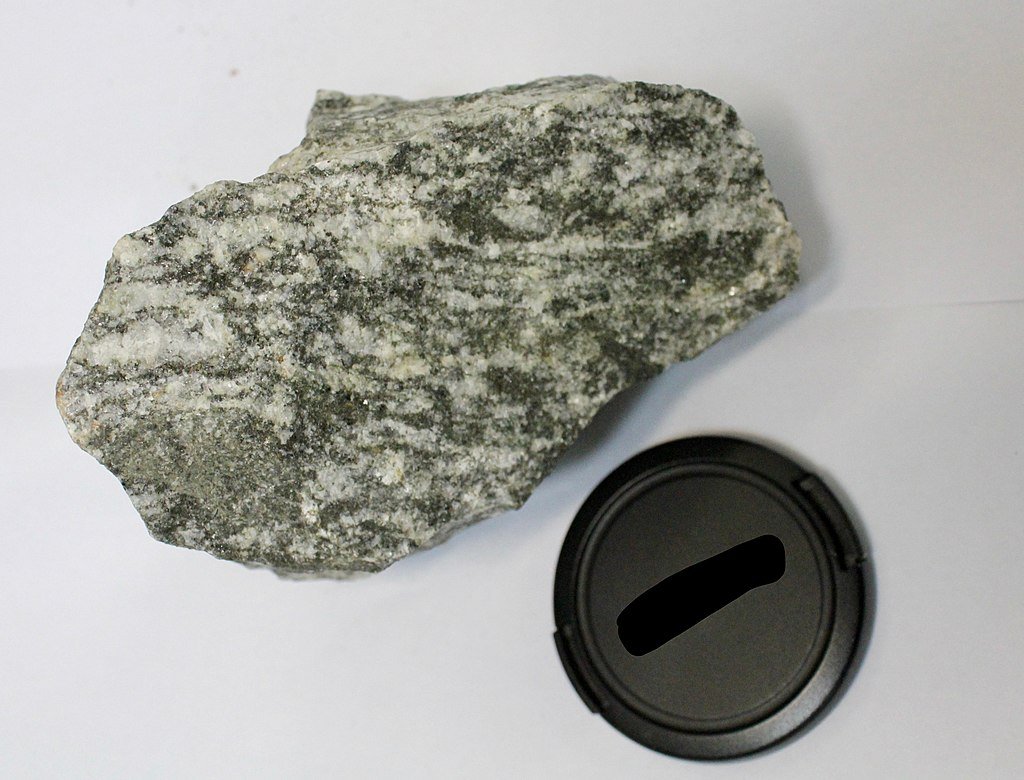
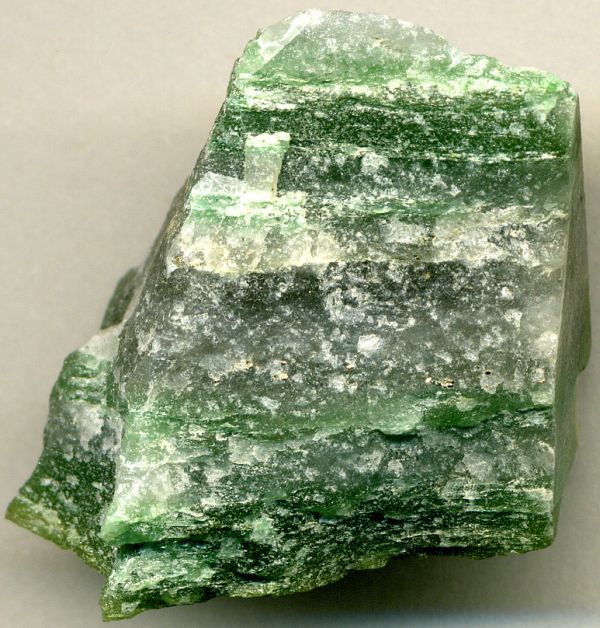
Eoarchaean Greenlandite specimen (fuchsite-quartz gneiss) from Nuup Kangerlua, Greenland:
https://t.co/ZQb6k8VNx8
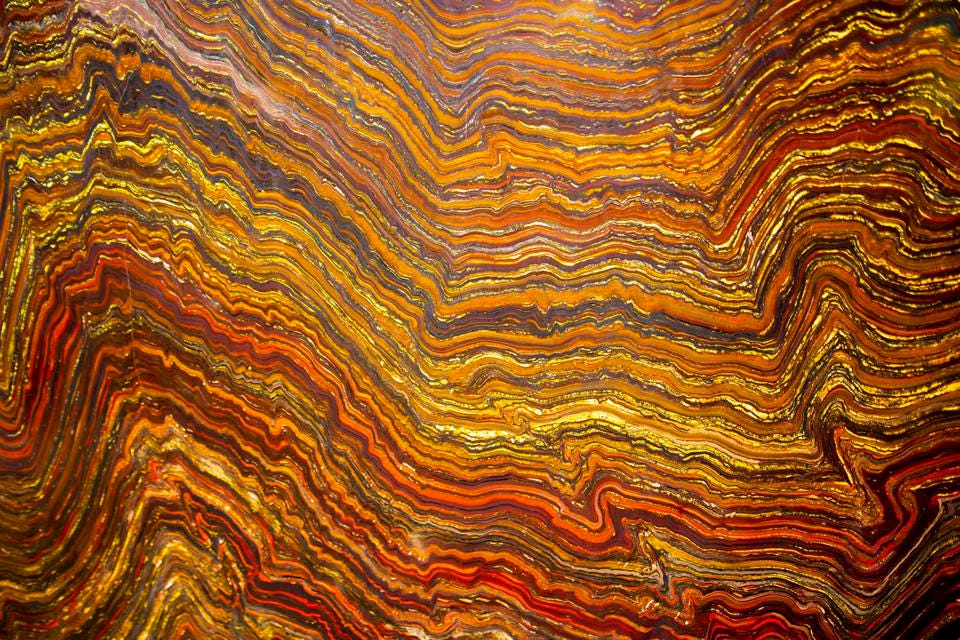
3.6 billion years ago: Some of the oldest rocks on Earth are found in the Pilbara desert in northwestern Australia 🌏
These colorful iron-rich rocks formed before the presence of atmospheric oxygen - & maybe life itself 🦠
https://t.co/VtGTR9LlTs
#openaccess paper: Evolution of Continents and the Earth System.
The record of Earth evolution is preserved in the continental rock archive, but is incomplete and our knowledge of it decreases with increasing age and depth of preservation.
https://t.co/CmNdafEQmM
3.9 billion years ago: The last large asteroids impact on Earth. Plate tectonics & erosion will erase most traces of this "heavy bombardment" - Vredefort Crater is among the oldest traces of an impact with 2 billion years ☄️
https://t.co/Fpk9WHwqpA
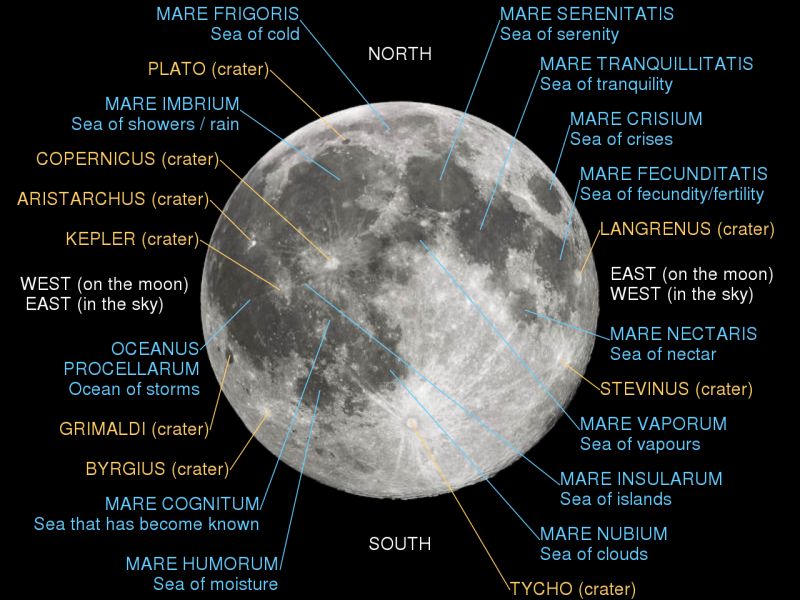
3.9 - 3.2 billion years ago: The lunar maria, the dark regions of the Moon, were formed when the lunar basins were filled by basalt 🌋🌚
https://t.co/8afxQJm9sn
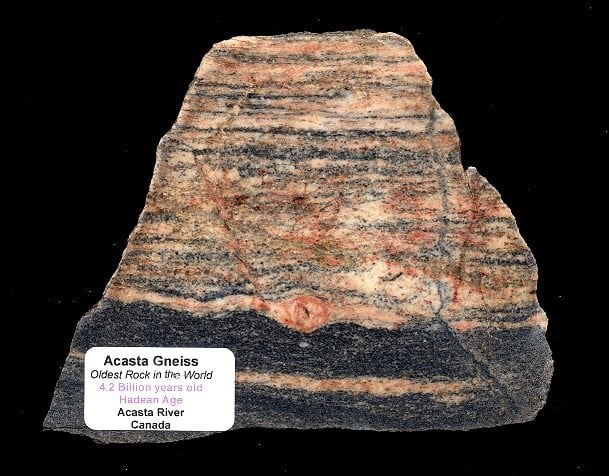
4.03-3.92 billion years ago: tonalite-trondhjemite-granodiorite intrusions (today felsic parts of the Acasta gneiss) into the Canadian shield suggests the existence of an active continental margin where subducting plates partially melt 🌋
https://t.co/YhT1pjcynv
4 billion years ago: With the first dated rocks known, the Hadean, the hell eon of Earth, ends, and the Archean begins, lasting until 2.5 billion years ago 🪨
https://t.co/qRE7olXOfe
~4 billion years ago: The Acasta Gneiss - a tonalite gneiss in the Slave craton in Northwest Territories, Canada - includes some of the oldest known rocks and remains of continental crust on the planet Earth 🪨
https://t.co/ESN9pGxewJ
4.2(?) billion years ago: Minerals typical for intrusive igneous rocks, like zircon, formed by partial melting of subducting plates & (supposed) remains of spreading oceanic crust preserved in the Nuvvuagittuq Greenstone Belt, suggest plate tectonics already active on early Earth
~4.2 billion years ago: Tiny diamonds found as inclusions in zircon grains from the Jack Hills, Australia - dating themselves to over 4.3 billion years - were believed to be evidence of crystallization from Earth's mantle
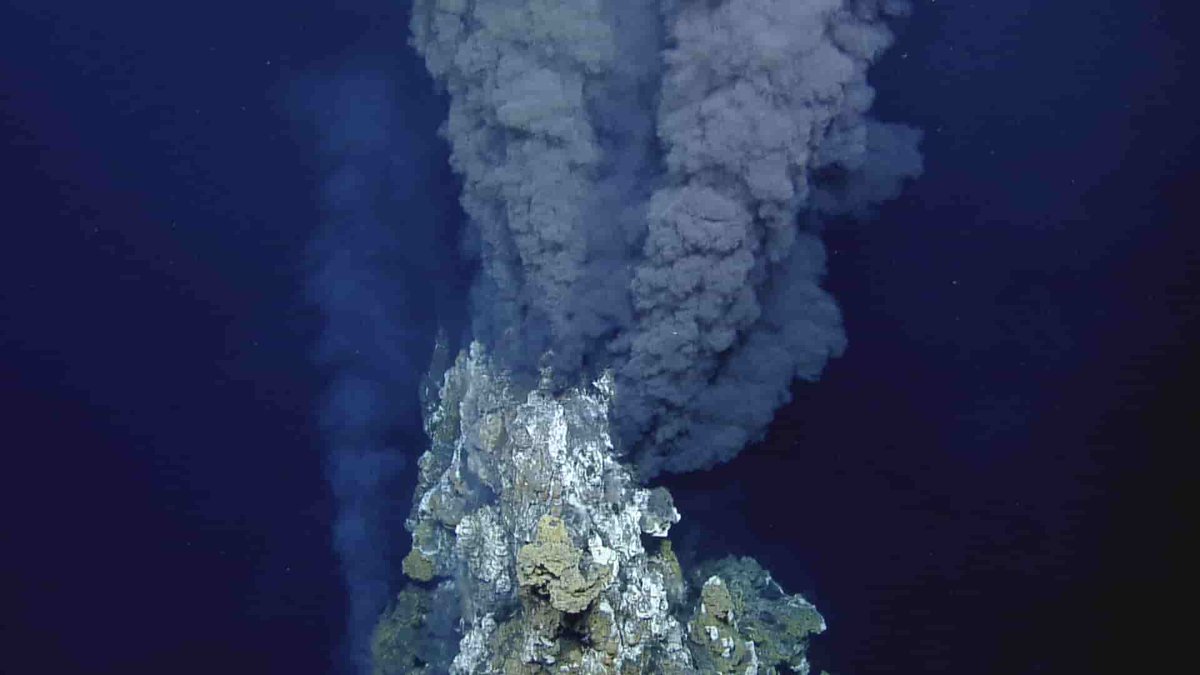
In fissures believed to be traces of hydrothermal vents strange iron & carbon concretions can be found. The remains of microbes? The first lifeforms? 🌋🦠
📷 Babcock (2009): Visualizing Earth History/Wikipedia/O'NEIL et al. (2008):Hadean Mafic Crust
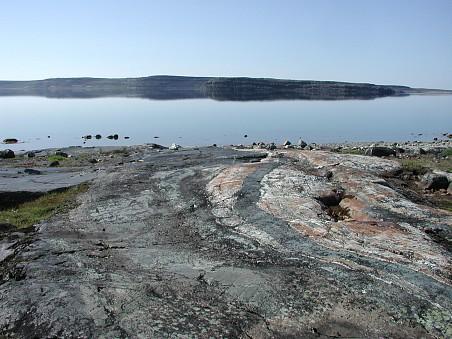
4.3(?) billion years ago: Some age estimates put the Nuvvuagittuq Greenstone Belt in Quebec, Canada, at far over 4 billion years. If so, it contains the oldest examples of sheeted dikes & pillow basalts of a spreading zone in a basaltic oceanic crust 🌋
~4.32 billion years ago: A lunar breccia-clast found by chance during the Apollo 14 mission in 1971 could be a fragment of a terrestrial meteorite, potentially making it the oldest known rock from Earth 🪨
https://t.co/So8OXxLw2c
4.38 billion years ago: Oldest known terrestrial material is a Zircon crystal found in the Jack Hills, Australia 💎
Isotopic signatures preserved in this crystals suggest that -at least temporally- liquid water existed on the still steaming hot Earth🌚💦
https://t.co/GGGHuRsHoQ
4.4 billion years ago: Onset of Earth's magnetic field?
The oldest reliable determination of the terrestrial magnetic field is 3.45 billion years old, but based on models some believe it is possible that convection currents inside Earth already were strong enough to generate🧲
January 7 is Old-Rock-Day 🪨
The Acasta Gneiss -a tonalite gneiss found in the Slave Craton, Canada- includes some of the oldest known rocks of continental crust on Earth, dated at approximately 4.03 billion years, with Earth being 4.5 billion years old.
https://t.co/wgyW3A3nDB