1) Pratihara Dynasty, 10th Century CE, Bhopal Museum:
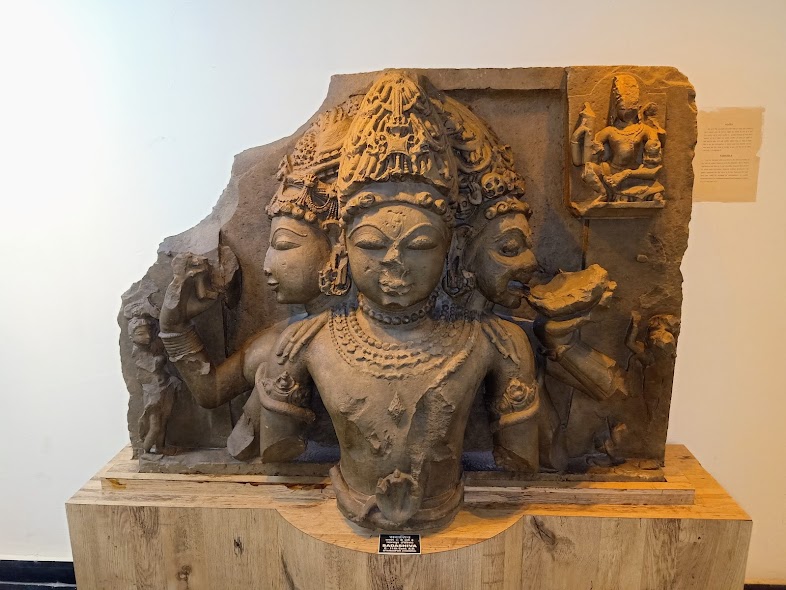
The Bhopal Museum houses an extraordinary sculpture that stands out among its collection: a portrayal of Sadashiva, a form of Lord Shiva. Sadashiva represents the trinity of Shiva as the creator, preserver, and destroyer.
Not sure if Jinnah was gay, but he most certainly ws a paedophile; statutory rape as 45-yr old man with his friend's 16-yr old daughter. https://t.co/8nz30qi566
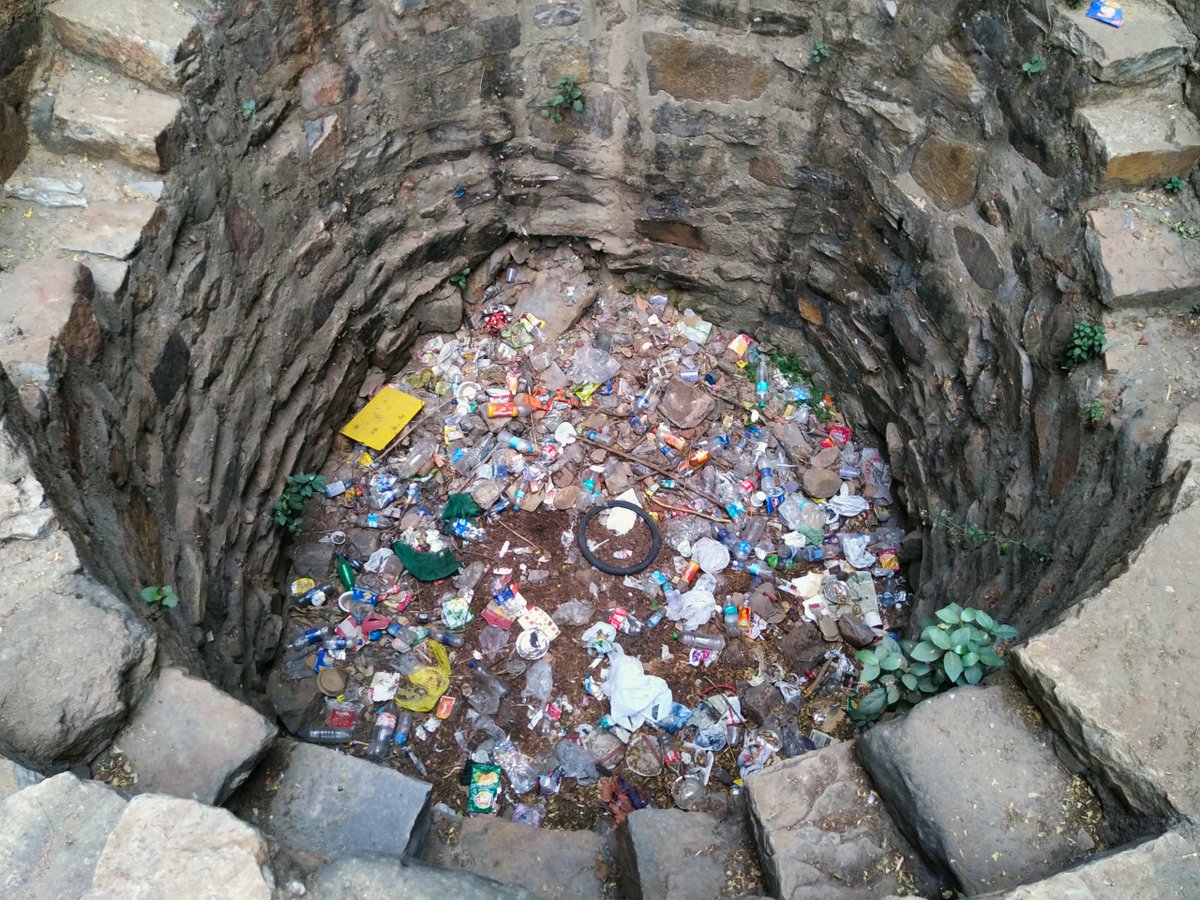
The Baoli at Wazirpur ka Gumbad Delhi was once neglected and became a garbage dump. The structure is similar to other baolis build before Islamic invasion and was source of water for many villages.
Govt of India seeks to rejuvenate this ancient site under Mission Amritsarovar.
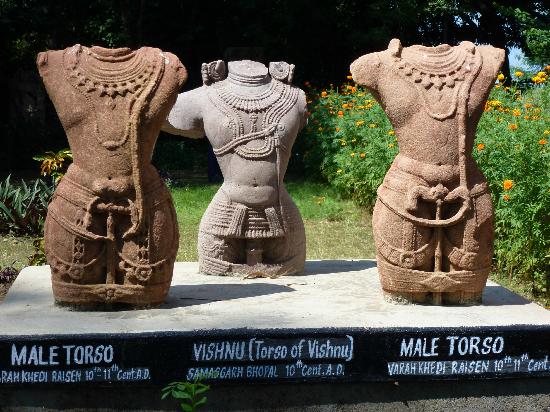
As we can see, the main part of the body is the torso, which is without a head. Similarly, in these 3 idols, the middle idol represents Lord Vishnu, and the heads of all 3 are not on the torso. The condition of these idols itself is indicative of the brutality of the invaders.
{8} Shesha: Shesha, also known as Ananta Shesha a serpent with many heads, said to uphold the universe. Shesha serves as the couch & canopy of Lord Vishnu during his cosmic rest. The sculpture includes a depiction of Shesha, emphasizing its role in supporting the cosmic order.
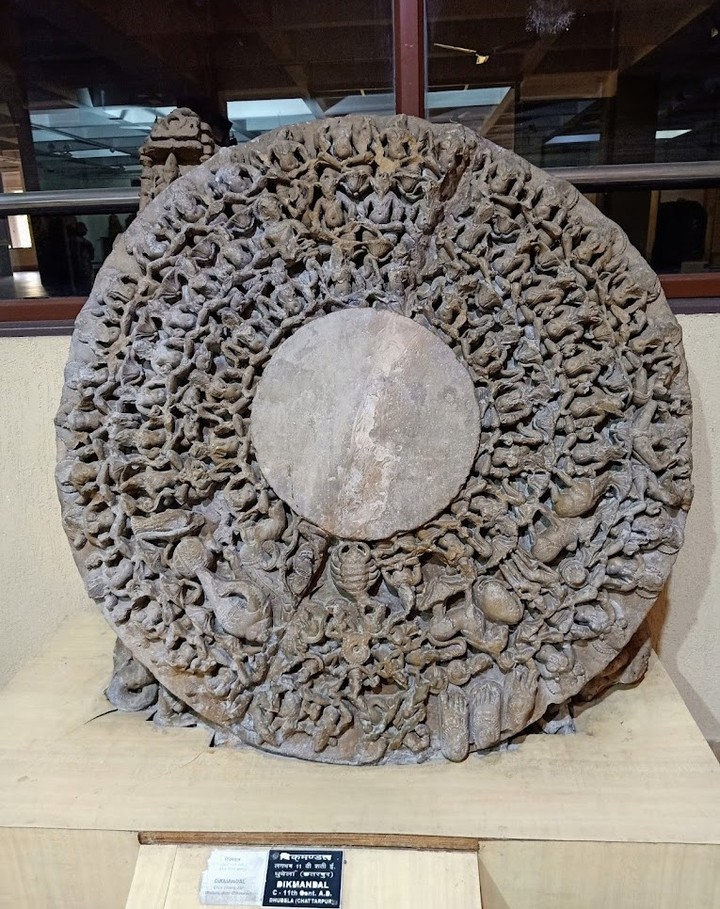
{1} Dikmandal 11th Century A.D Dhubela , Chhatarpur ( M.P).
In this sculpture of the Dikmandala - the whole world has been envisioned. Surya is represented in the middle, surrounded by navgraha, the 12 zodiacs, and 27 prominent stars, as well as the Tridev & the serpent Shesha.
{7} Trinity of Hinduism: The trinity of Hinduism—Brahma, Vishnu, and Shiva—who represent the cycle of creation, preservation, and destruction, respectively.
@breath_punctual It's very easy to prove anyone wrong but nowadays twitterati is proving wrong to the degree holder archaeologist do the zoom and see clearly it was written that this sculpture is sadashiva and sadashiva has many forms.
9) In line with the tradition of magnificent Indian sculptures, this figure embodies profound philosophical concepts, inviting contemplation and introspection.
@ReclaimTemples@chitrapadhi@temples_reclaim@Swamy39
1) Pratihara Dynasty, 10th Century CE, Bhopal Museum:
The Bhopal Museum houses an extraordinary sculpture that stands out among its collection: a portrayal of Sadashiva, a form of Lord Shiva. Sadashiva represents the trinity of Shiva as the creator, preserver, and destroyer.
8) Yet, a yogi maintains control over these desires. Thus, this figure exemplifies not only the prevalent processes in the universe but also human psychology. It represents both the microcosm and macrocosm of existence.