"I’d this shelling in view simply as a demonstration to arouse interest among the Indian population".
... Captain Karl F M von Müller, Commander of German Cruiser Emden, Bombardment of Madras, Sep 22 1914.
Soon "Emden" entered the Tamil dictionary to describe powerful & wicked.
Almost fifty years later; in 1956, the same type of IED (book bomb) was used again.
This time Israeli intelligence in its first targeted assassination to kill Egyptian Army Col Mustafa Hafez in Gaza & Lt Col Salah Mustafa in Jordan.
Natan Rotberg made the bombs. Both succeeded.
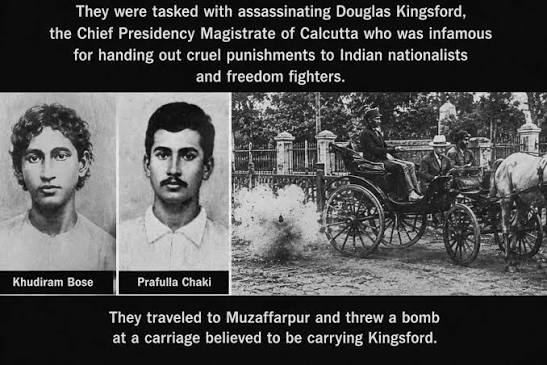
1908; IED made of book rigged with explosives was first used by Indian revolutionary Hemchandra Das Kanungo to kill British Magistrate Douglas Kingsford. Kingsford didn't open the book & survived.
Khudiram Bose later used bomb made by Kanungo to kill Kingsford but killed others.
Hemchandra Kanungo learned bomb making in Paris in 1907 from a mysterious Russian named PhD (later identified as Nicholas Safranski).
He met Pandurang Bapat there. Later they smuggled the bomb making manual to India. Kanungo was influenced by Savarkar also whom he met in London.
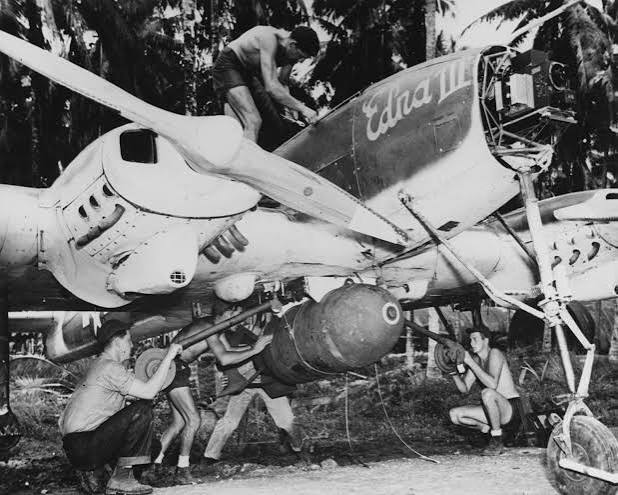
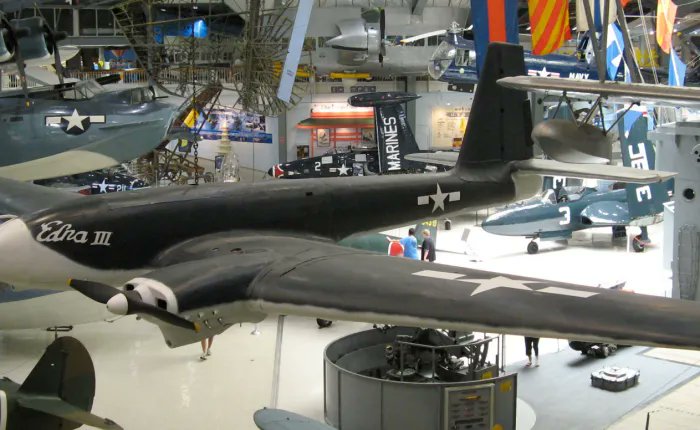
Despite modest successes, in Oct-1944, the TDR-1s were grounded as the victims of military politics, & skepticism about the technology. The operational unit STAG was also disbanded. Today, the last remaining TDR-1 hangs at the National Naval Aviation Museum in Pensacola, Florida.
Four TDR-1 drones flew 55 miles, each carrying a 2000 lb bomb to strike AA battery on a beached merchant ship. Only one drone hit the target directly destroying it.
This marked the first kamikaze drone strike carried out by US Navy on Sep 27, 1944 against Japan in Bougainville.
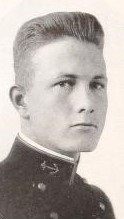
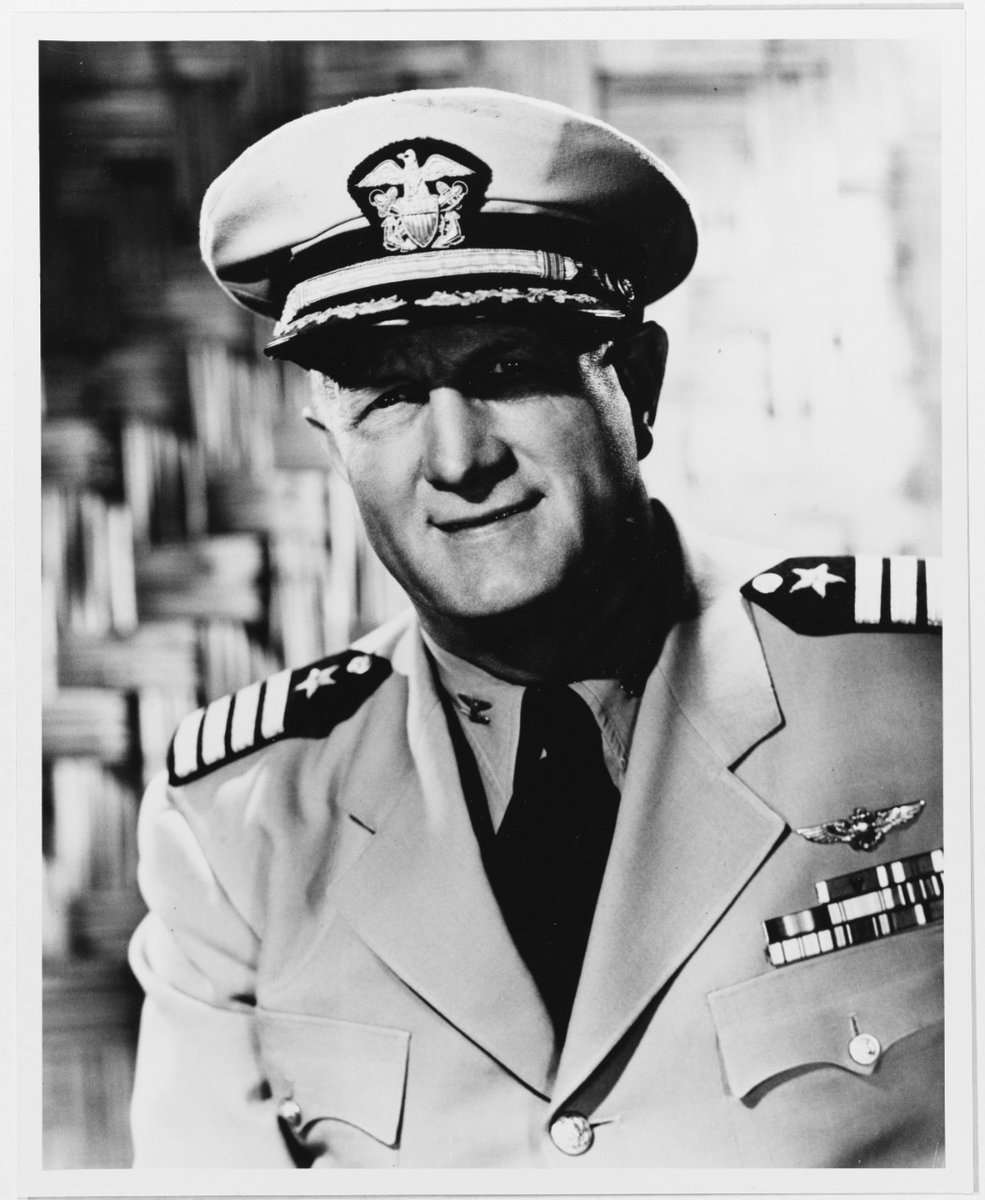
Pioneered by US Navy Officer Delmar Fahrney; TBM Avenger Torpedo Bomber has accompanied the TDR-1 drone. It used live images from a nose-mounted camera beamed to an RCA TV screen in the Avenger’s rear cockpit turning the drone into a camera-guided radio controlled weapon.
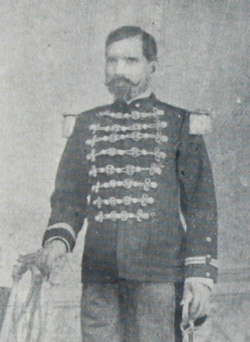
He’s the first Bengali to work in circuses of England & Germany, first to perform in Argentina, Brazil with his own big cats.
And the only Indian to join Brazilian army to distinguish himself in Brazil’s 1893-94 Naval Mutiny & rose to the rank of captain.
He’s Suresh Biswas.
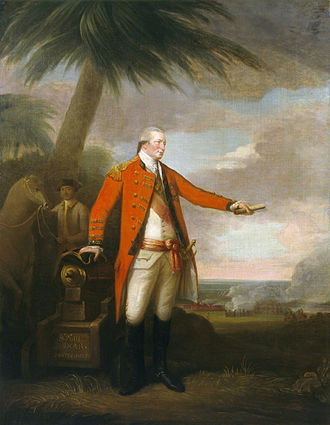
He's uniquely credited for his surrender to both George Washington & Napoleon Bonaparte. At Yorktown in 1781, at Toulon in 1793.
Washington later became the first US President & Napoleon became the Emperor of the French.
He's British General Charles O'Hara.
While the Company ruled the ports in India; the Marathas formed the cartel with China’s own “Foreign Devil”; the Portuguese. It funneled Malwa opium from Daman to Macao.
The battle for control of this lucrative drug trade became a key fault line for the Third Anglo-Maratha War.
The Third Anglo-Maratha war wasn't just about empire & territory. It’s also about the opium trade & the fortunes it generated.
Follow the money; the politics & the ultimate military conflict between the British & the Marathas become much clearer.
The story is fascinating ..
Early 19th century; the East India Company built a vast monopoly of opium trade from cultivation in Bengal, Bihar & channeling it into China.
Yet the British monopoly of opium trade in China faced a formidable challenger in India; the Marathas & their Malwa opium, the finest.
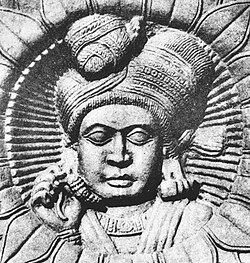
Brihadratha Maurya, the first Indian King & the last Mauryan Emperor was assassinated during a military parade led by his General Pushyamitra Shunga.
This is the earliest historically documented case of a military coup d’état in India.
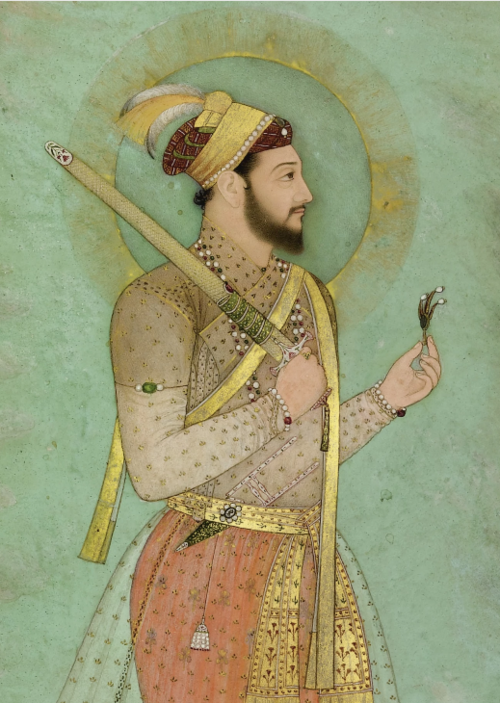
Jaswant Singh was soundly defeated by the alliance of Aurangzeb & Murad. Aurangzeb emerged as the champion of this war.
Historian Jadunath Sarkar said “Dharmat became the omen of his future success in the opinion of his followers & of the people at large throughout the empire”.
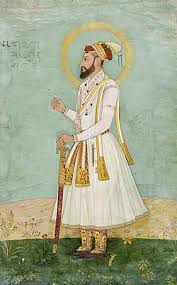
1658, Dharmat, Mughal War of Succession; Maharaja Jaswant Singh of Marwar led imperial forces on behalf of Prince Dara Shikoh & Emperor Shah Jahan against the alliance of Aurangzeb & Murad.
Maharaja purposely allowed the Mughal Princes to link up only to defeat them together.
Jaswant Singh wanted to defeat both the opposing Princes together to establish Rajput supremacy & assert his own political authority.
But unseasoned in combat; Maharaja made many errors, chose wrong ground, failed to unify his troops & misjudged Aurangzeb’s military brilliance.
Shuja-ud-Daula’s myopic alliances were self-defeating.
His siding with Abdali over the Marathas brought him isolation, subordination while his alliance with the Mughals & Nawab of Bengal at Buxar cost him his autonomy to the British.
1761 Panipat; Awadh's Nawab, Shuja-ud-Daula joined the jihad of Afghan Monarch Ahmad Shah Abdali against the Hindu Marathas.
Marathas lost.
Shuja however gained nothing important strategically to risk Maratha hostility. In-fact being Shia, he's mistreated in Abdali's war camp.
1764 Buxar; Shuja-ud-Daula joined the alliance of Mughals & the Nawab of Bengal against the British East India Company.
His alliance lost against the British. With far reaching strategic impact; Shuja has lost his autonomy & a part of his kingdom.
He conquered more territory than any other military commander in history.
Marshal Tukhachevsky built Soviet Deep Battle theory based on his strategies.
Legends like Rommel, Patton were his avid readers.
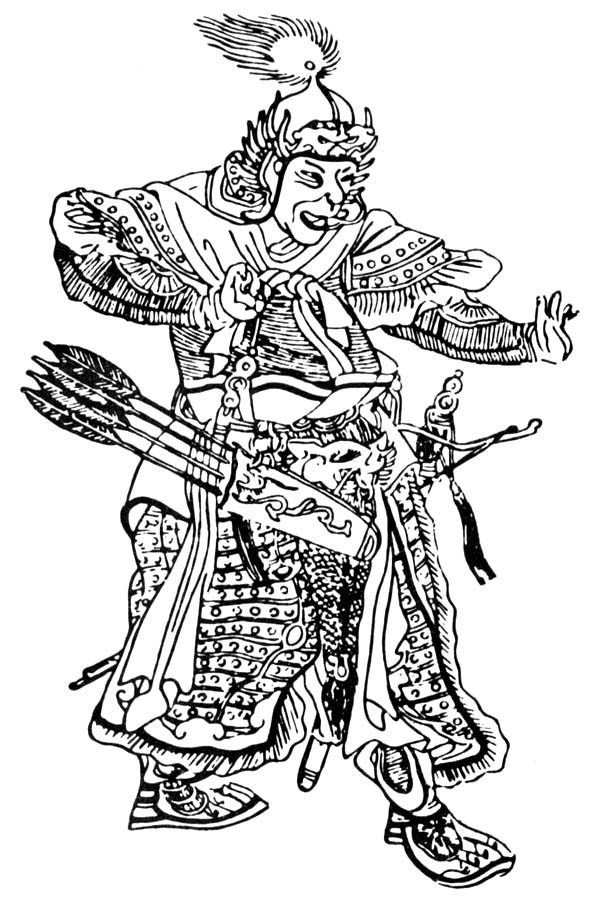
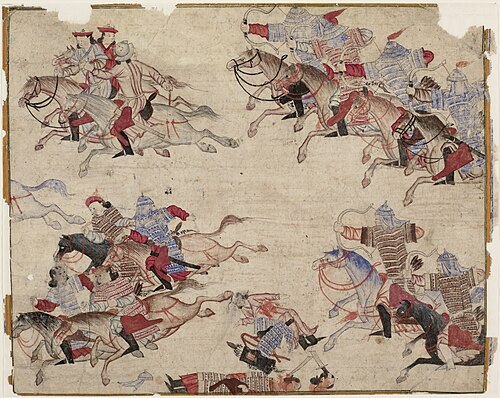
He’s General Subutai; the greatest Mongol commander of Genghis Khan.