Always note the reaction of a correctly chosen key level; and demand key levels to always behave similarly.
Otherwise you ditch them and wait for another one.
@maskedTraderSPX What types are they?
What time do they happen?
What is the logic behind them?
How to trade them?
How to anticipate them correctly?
Many aspects to one model.
it varies per range
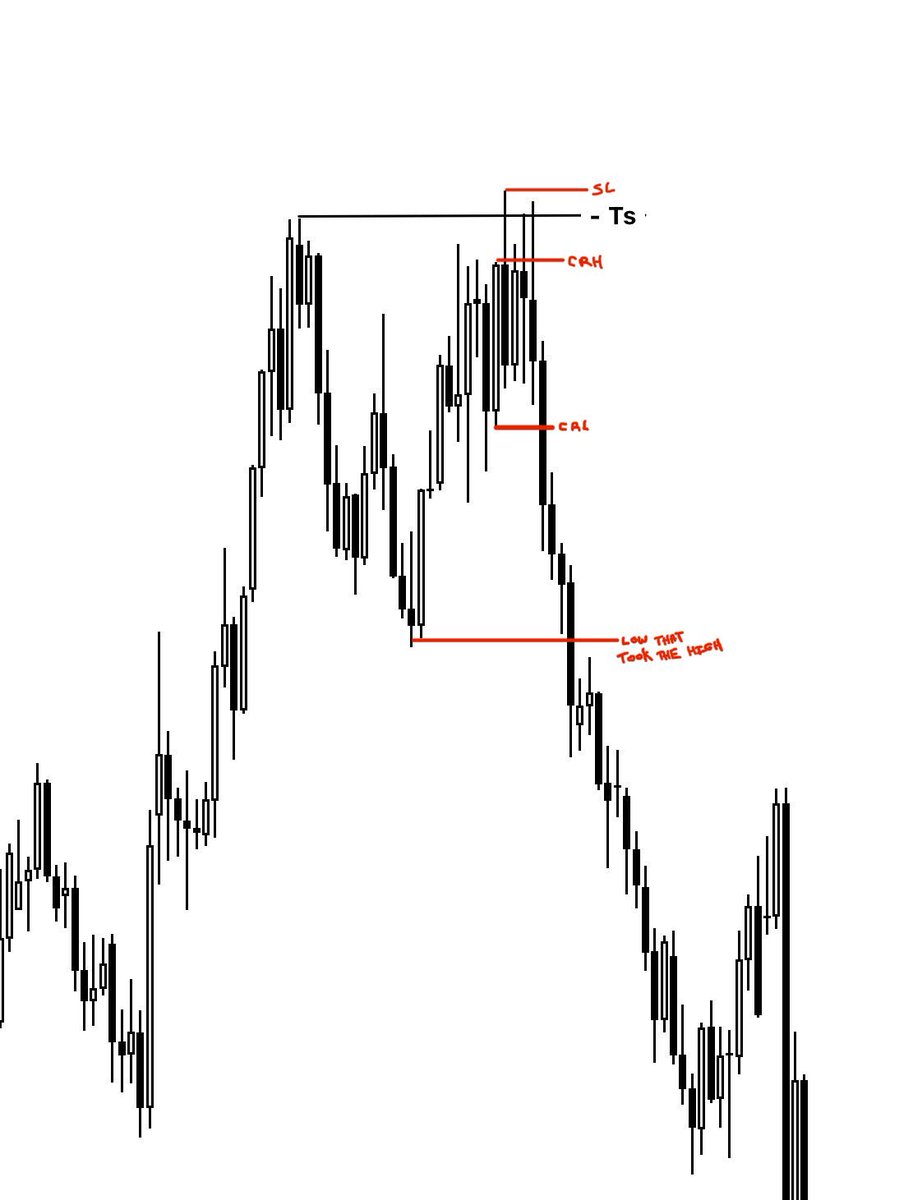
After the +Ts if we reject the high that broke the low = possible OTE
if we reject and chop around the 50% =possible +Ts in the 50%
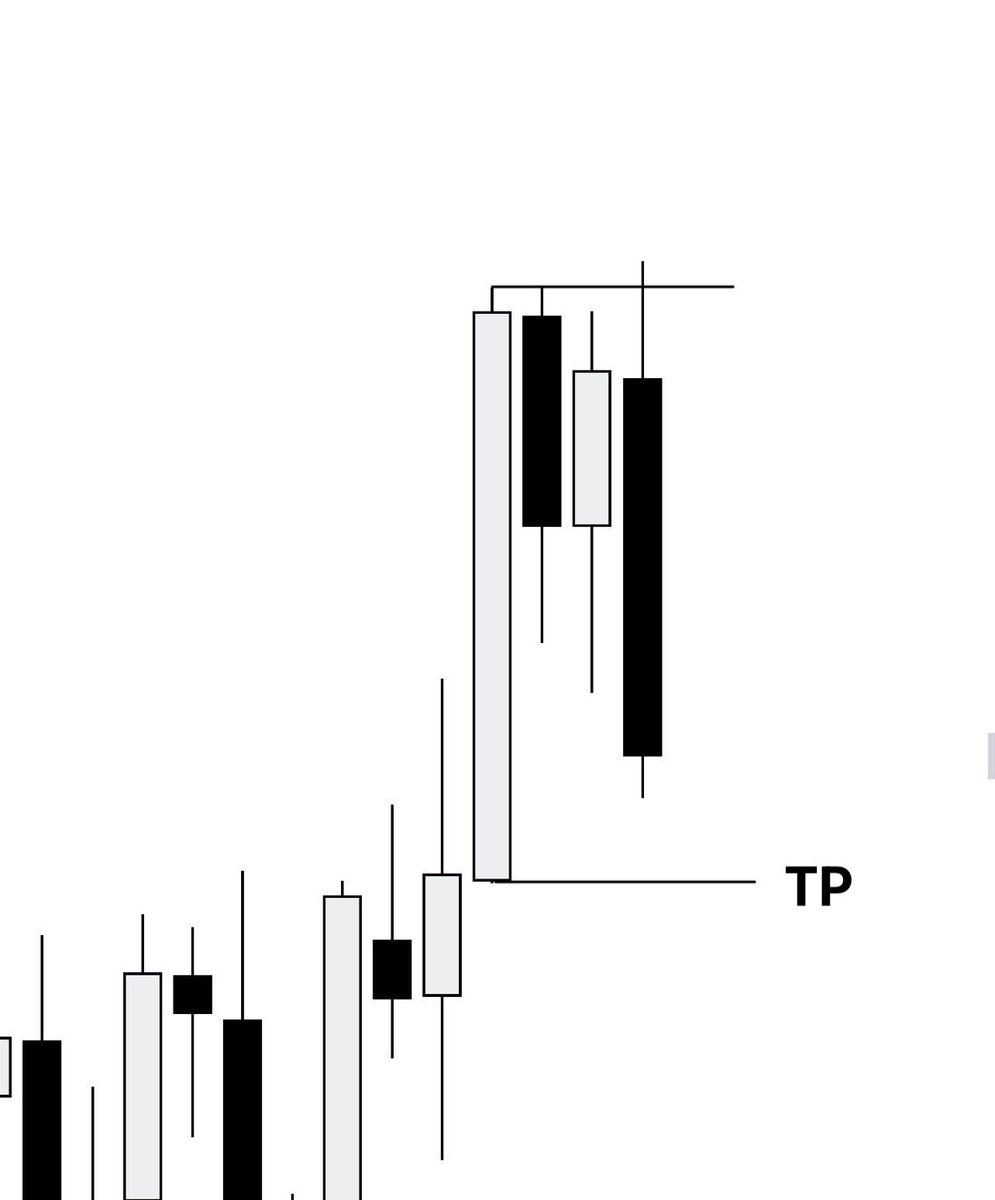
If we’re about to hit target and reject the opposing rejection block or Orderblock right under our target = possible KOD
All that matters is we keep buying dumps below lows until target is hit
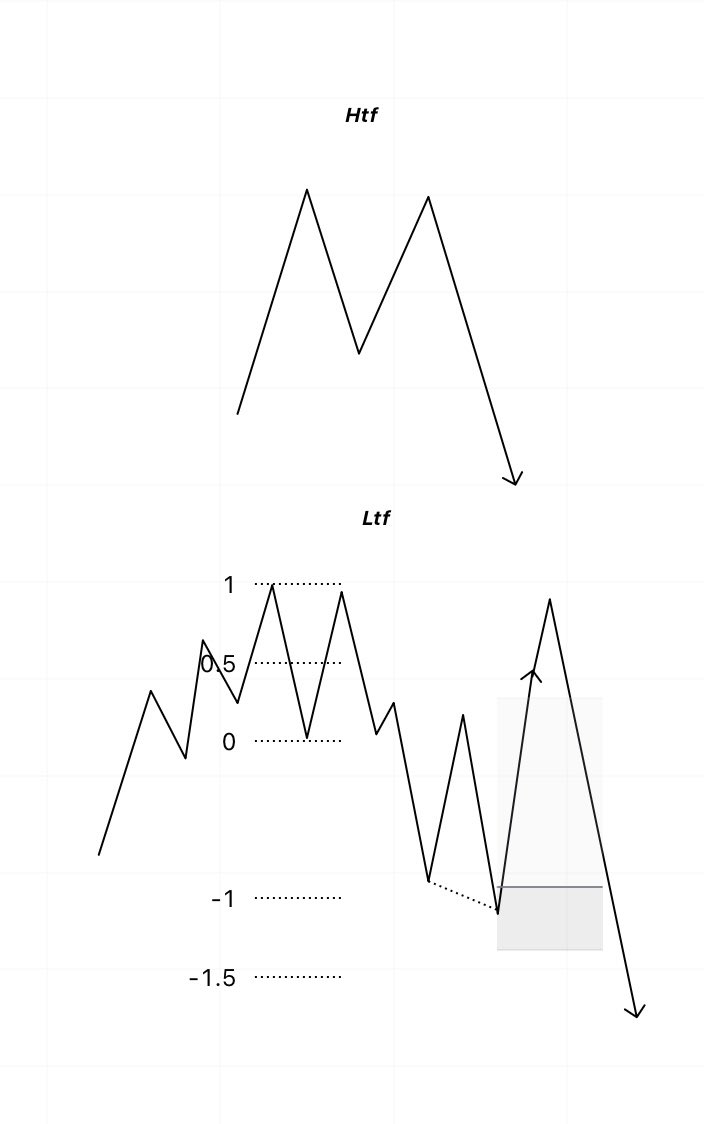
The HTF price action will play a role into the lower timeframe action.
In a trending quarter, there will be less retracements.
In a ranging quarter, there will be less large moves and more chop.
The ability to identify the difference between the two is crucial.
(3/x)
@ghostedsoup Broken beyond the 50% and LTF displacement has occurred and HTF closures has occurred
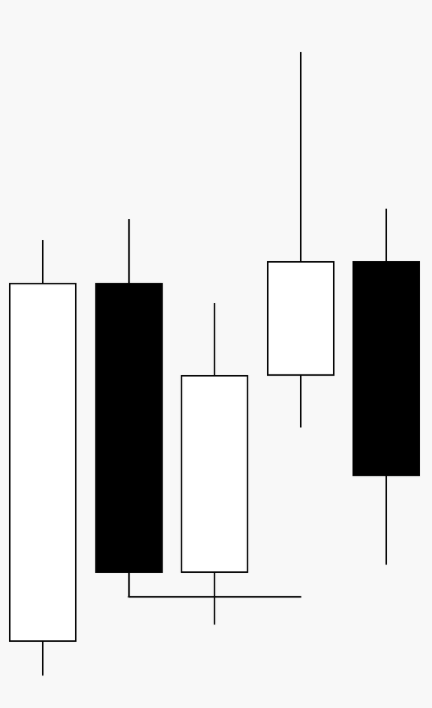
normally the key level will cause a reaction and price will either chop / retrace in that failing key level for another opportunity or just push through it like butter
@aunicity@loading3333i@Romeotpt Hi Auni,
The reason we don't go short targeting that low is because orderflow is bullish and that low has been Ts so it is unlikely to be revisited.
Is this correct ?