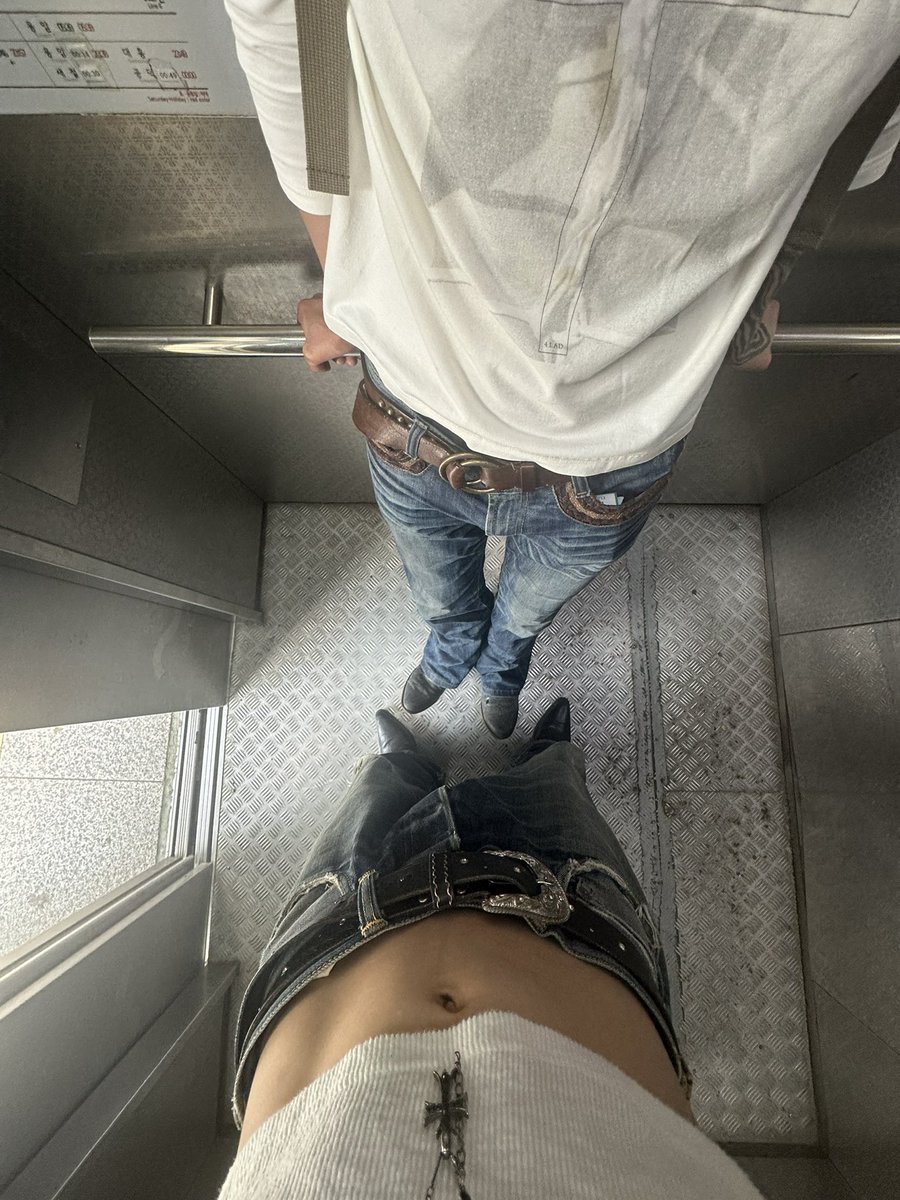
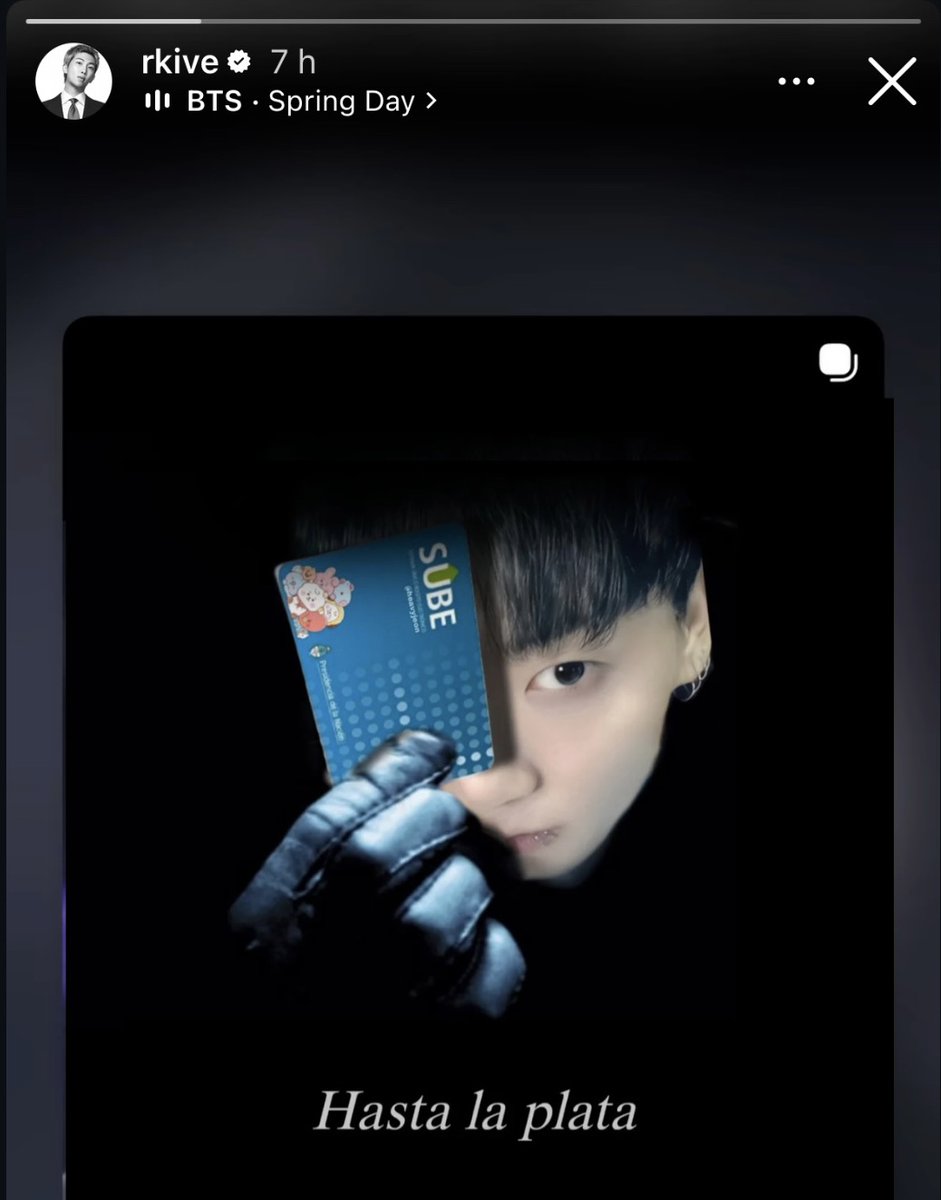
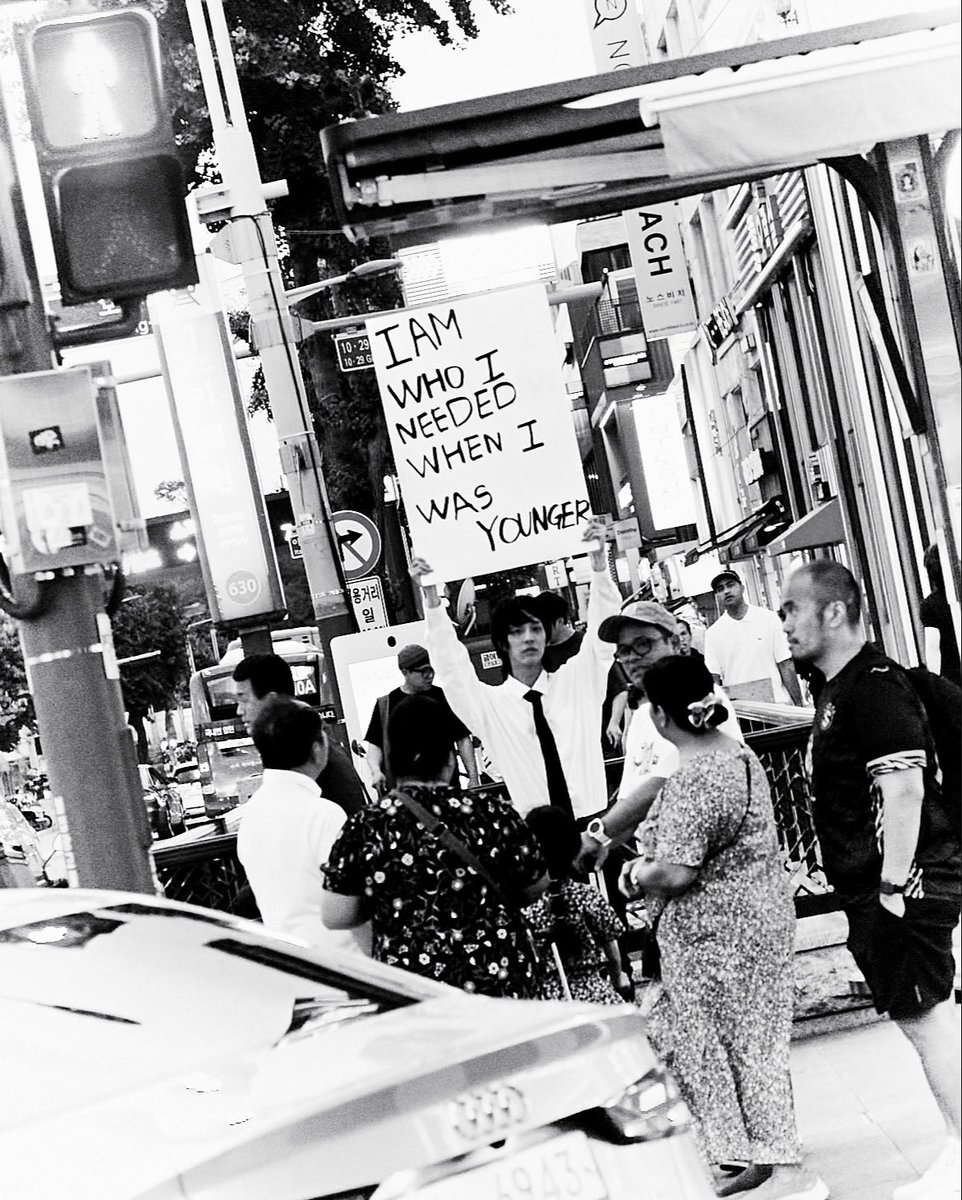
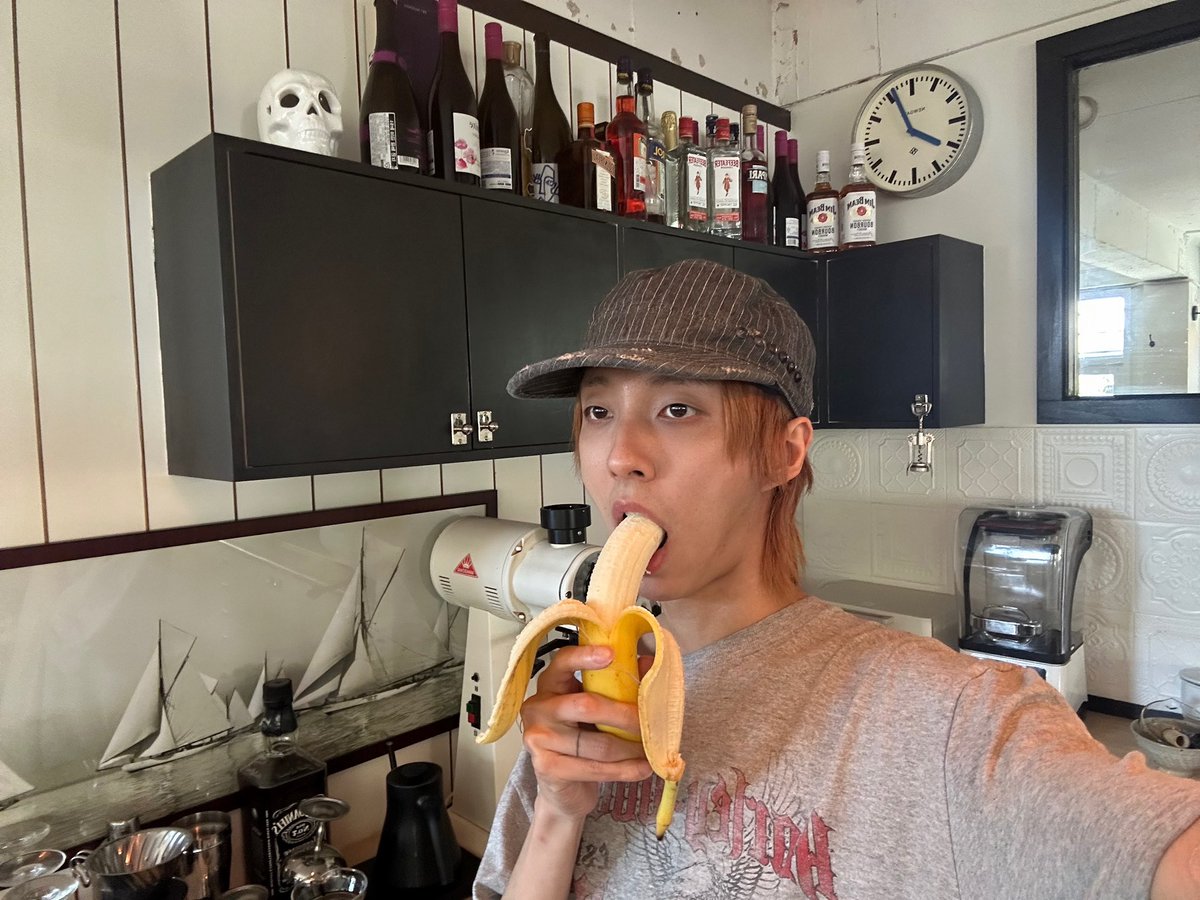
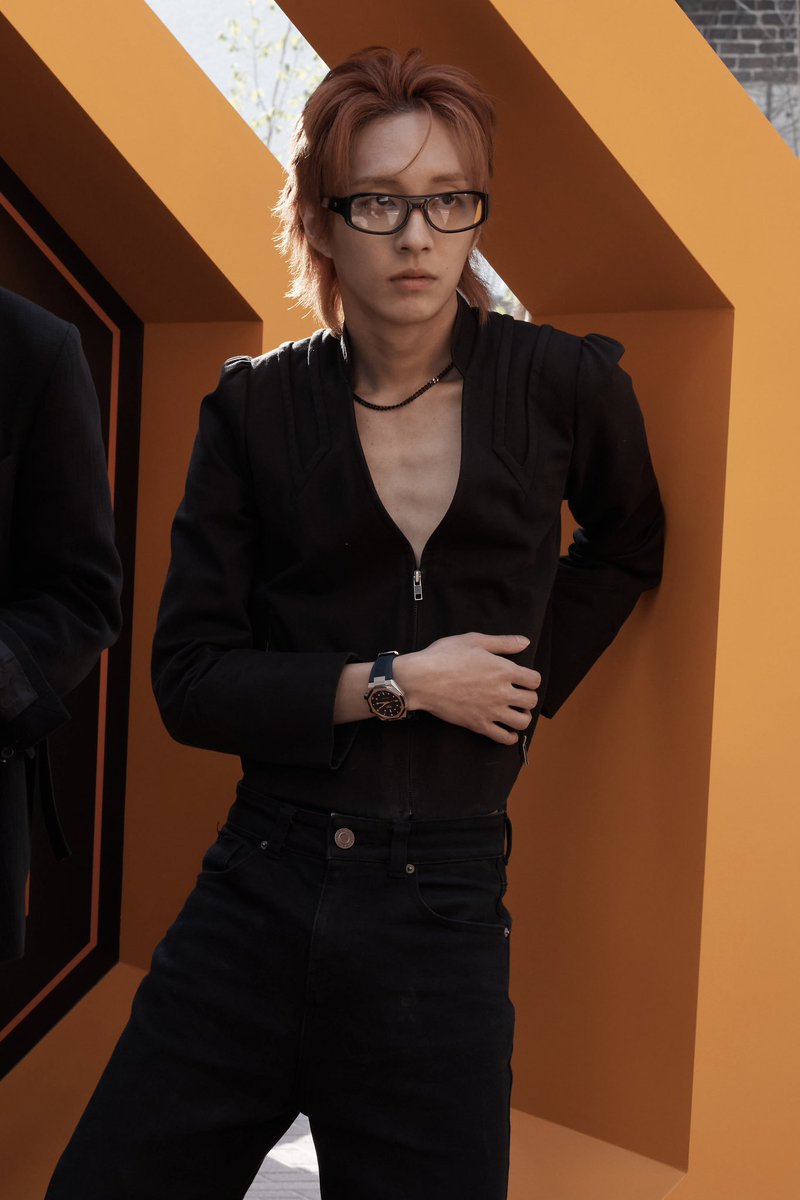
argentine project to show you everything we love you, we did it with a lot of love ...
we love you, your Argentinian Harlings will continue to support you always.
Link: https://t.co/LwK1hZbzxO
#HappyHollandDay#HarlingsPrinceDay@HOLLAND_vvv
Admitamos algo, la gente aún no está lista para ver un medio tiempo de este calibre por el hecho de ser “asiáticos” y no representar a su país, si con Bad Bunny estuvieron llorando, no quiero imaginar cuando BTS se presente y la rompa
-2 horas antes de nacer el nombre MAGNOLIA ya era tendencia.
-Se quedó con mi marido, a su hija le pone nombre de flor... QUE QUIERE, VIVIR MI VIDA??
Está es la verdadera cara de la china Suárez. Sin palabras
yall hate it when male idols dance to gg choreo in a masculine way, but also hate it when they don’t dance in a masculine way? It’s like loving the concept of being gay but hating someone who is actually gay
Siempre orgullosxs del Artista y la persona que sos🖤
Gracias por estar ahí dándonos el apoyo que necesitabamos, dándonos la esperanza de una mejor sociedad sin discriminación y con mucho orgullo de ser quién soy🖤
#HOLLAND#Holland_vvv#ThankU
On March 21, 2018, Holland made his debut with Neverland. As South Korea’s first openly gay K-pop idol, it wasn’t just the start of a career—it was the start of a cultural shift.
Released without a major label, Neverland told a candid story of same-sex love. Its music video hit one million views in a day and drew global attention, even as it was rated 19+ in Korea simply for showing a same-sex kiss. That censorship became a symbol of resistance.
Since then, Holland has walked his path independently, building a world that blends music, fashion, visual art, and film. From runways at Seoul Fashion Week to features in Vogue Korea, he’s become a cultural icon, breaking gender boundaries and redefining what a K-pop artist can be.
His 2021 single Number Boy explored heartbreak and self-worth with raw honesty. That same year, he opened up about his experience with trauma and mental health, bravely speaking on subjects still considered taboo in Korean society.
Holland’s existence itself is activism. By attending Pride events, speaking out on LGBTQ+ rights in Asia, and living his truth unapologetically, he has become a light for queer youth everywhere.
“YES, I’M GAY. YES, I’M A K-POP IDOL.”
More than a moment—a movement.
And Holland is still evolving, as an artist and as a force for change.
On March 21, 2018, Holland made his debut with Neverland. As South Korea’s first openly gay K-pop idol, it wasn’t just the start of a career—it was the start of a cultural shift.
Released without a major label, Neverland told a candid story of same-sex love. Its music video hit one million views in a day and drew global attention, even as it was rated 19+ in Korea simply for showing a same-sex kiss. That censorship became a symbol of resistance.
Since then, Holland has walked his path independently, building a world that blends music, fashion, visual art, and film. From runways at Seoul Fashion Week to features in Vogue Korea, he’s become a cultural icon, breaking gender boundaries and redefining what a K-pop artist can be.
His 2021 single Number Boy explored heartbreak and self-worth with raw honesty. That same year, he opened up about his experience with trauma and mental health, bravely speaking on subjects still considered taboo in Korean society.
Holland’s existence itself is activism. By attending Pride events, speaking out on LGBTQ+ rights in Asia, and living his truth unapologetically, he has become a light for queer youth everywhere.
“YES, I’M GAY. YES, I’M A K-POP IDOL.”
More than a moment—a movement.
And Holland is still evolving, as an artist and as a force for change.
@IsaEvermore13 -Hola si, que lindo día hoy, ¿no?
~Hola si! lindo de verdad
-La concha de tu madre como supiste que la estoy pasando para el orto? le llegas a decir a alguien y te tiro al riachuelo hijo de mil buta.
Se sintió algo así, totalmente rebuscado el pleito.