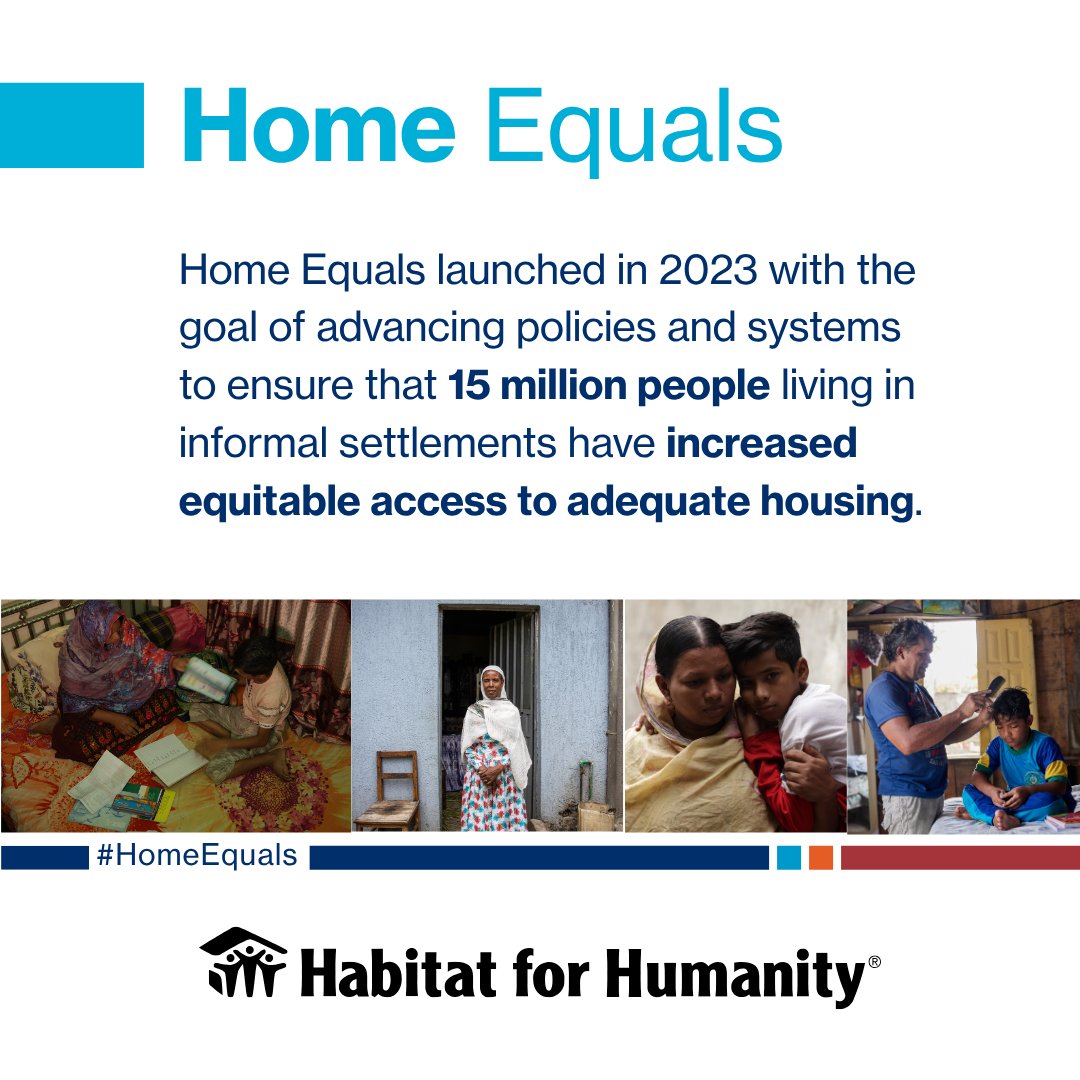
@Habitat_org’s global advocacy campaign seeking policy change, so residents of slums and other informal settlements have a safe, secure place to call home.
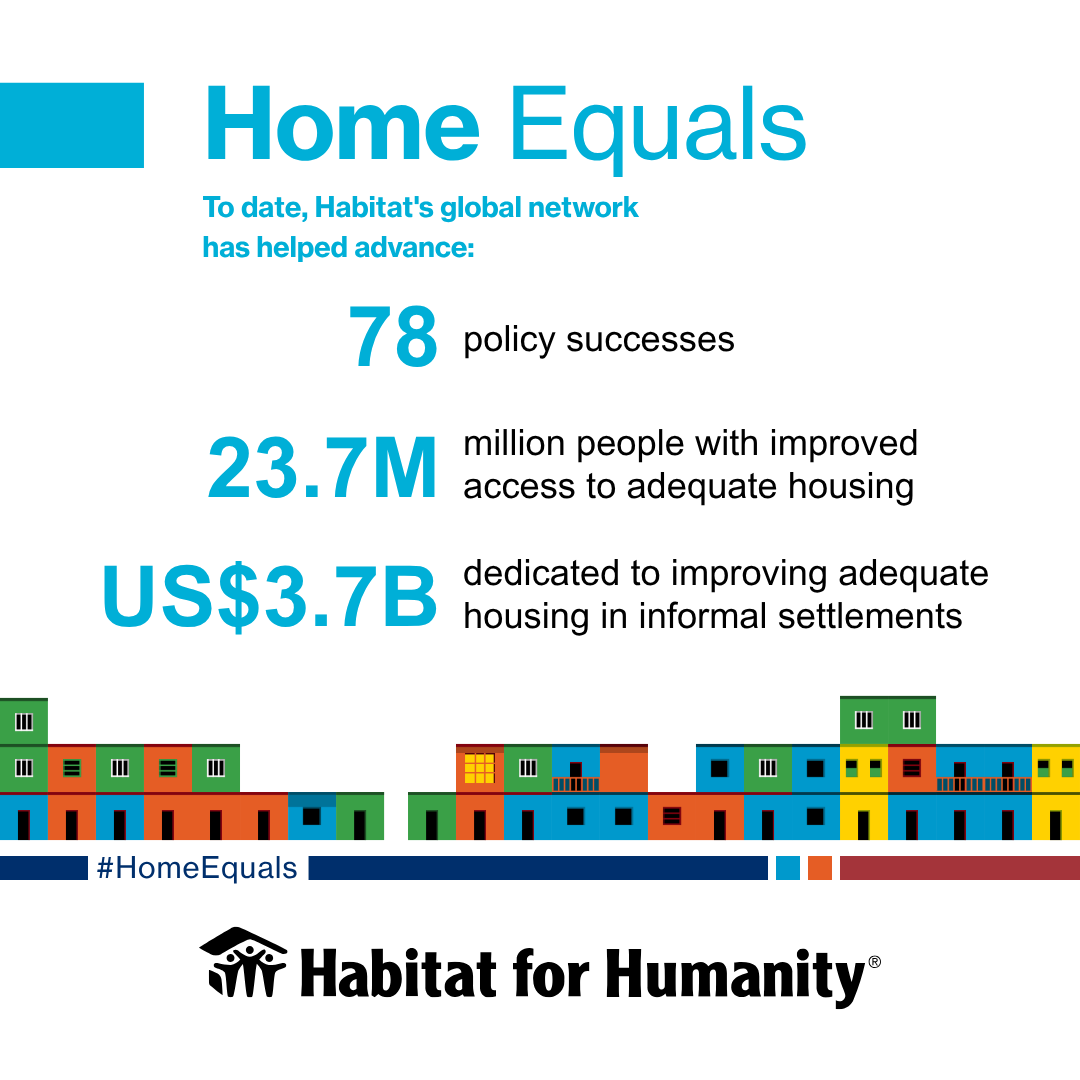
In just three years, #HomeEquals has surpassed its original five-year goal. Policy and systems changes advanced through the campaign have already given 23.7 million people the potential to improve their access to adequate housing.
Read the year 3 report: https://t.co/liclxMM3Ak
Over 23.7 million people living in informal settlements have gained the potential to improve their access to adequate housing through our @HomeEquals campaign since it launched in 2023.
Read more in the year 3 report: https://t.co/JFFWR7cLoZ
Around the world, the most vulnerable and most inadequately housed bear the greatest brunt of our changing climate. @Habitat_org is at #COP31 advocating for resilient #housing: commit to it, fund it and measure how it keeps people safe.
‼️ Nearly 1 in 5 people say their home doesn’t protect them from extreme weather. We’re taking the case for resilient #housing to #COP31 in Antalya, 9 to 20 November.
👉 Explore our sessions and connect with our team: https://t.co/EdlOSOg6la
In Nepal, @habitatnepal's research & advocacy helped secure government approval of bamboo as a standard construction material, opening the door to safe, disaster-resilient homes at scale.
Learn more: https://t.co/cC20rwBw6l
No one should live in fear of losing their home. As part of #HomeEquals, @Habitat_org advocates for secure tenure policies that shield informal settlement residents from eviction, harassment and displacement.
Learn more: https://t.co/tLaDioJwUp
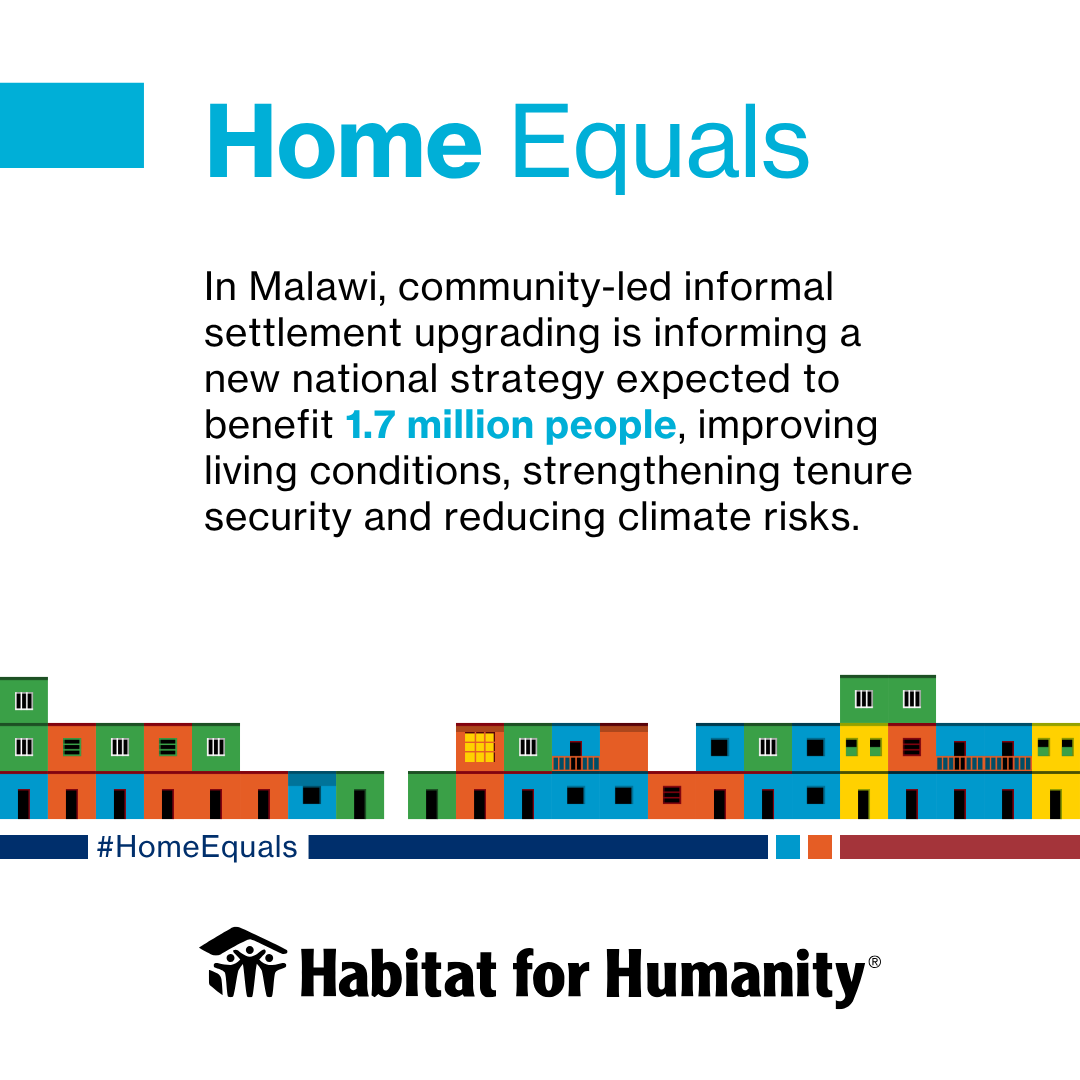
For more than 10 years, Lizineti lived with housing uncertainty shared by many families in Lilongwe’s Area 27. Through #HomeEquals, community-led advocacy is helping advance an upgrading strategy expected to benefit 1.7 million Malawians.
Year 3 report: https://t.co/liclxMMBpS
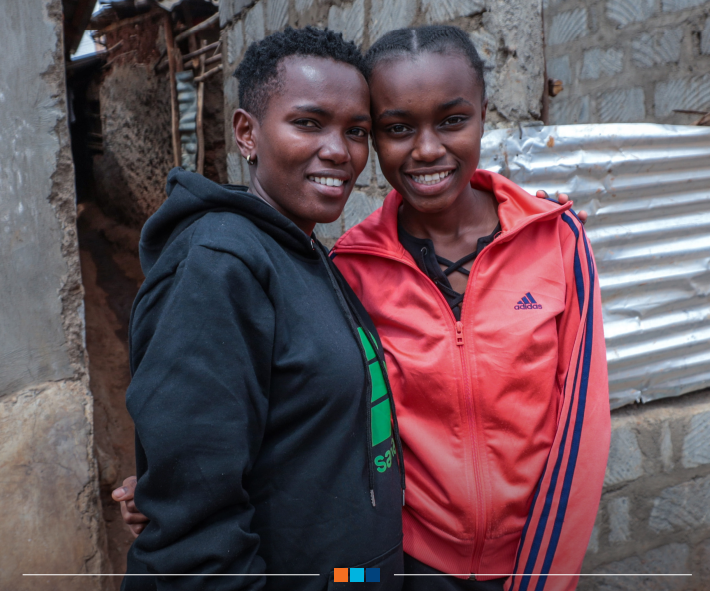
Rosibel's story is a reminder that housing is about more than four walls. Through #HomeEquals, communities across Honduras are helping shape local housing policies that improve access to basic services, resilience & dignity.
Read more in the year 3 report: https://t.co/liclxMM3Ak
For years, families in Petoa, Santa Bárbara, lacked access to basic sanitation and the public investment needed to address community housing priorities. Rosibel was one of the residents working to change that reality.
In Lilongwe, Malawi, @HabitatMalawi worked alongside 400 residents to secure land certificates — advocacy that helped shape a national strategy for upgrading informal settlements, centered on land rights, safer housing & climate resilience.
https://t.co/cC20rwC3VT
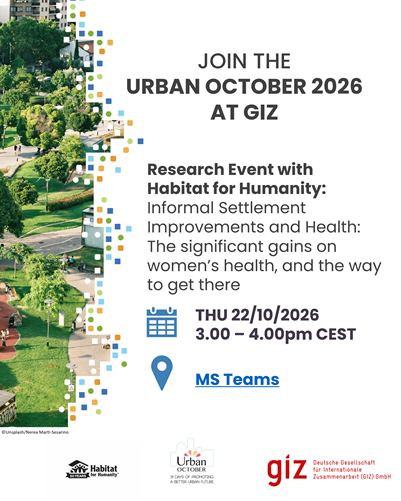
Women living in informal settlements face disproportionate health & safety challenges linked to inadequate housing.
Join @habitat.org and @giz_gmbh to explore how better housing can improve women's health & support healthier communities.
📅 22 Oct, 9am ET
https://t.co/cJHa6wpUbK
🏠 How can better #housing improve women’s #health and #safety?
Join Habitat for Humanity for a #webinar on women’s health as part of Urban October 2026 at @giz_gmbh
📅 22 Oct, 15:00–16:00 CEST
https://t.co/A0Y0w6w43g
Resilience starts at home. Housing, informal settlements and urban resilience must be central to climate action.
Read Habitat for Humanity’s statement on advancing climate resilience through the Building Climate Resilience with the Urban Poor Programme: https://t.co/XkuRPgwqMq
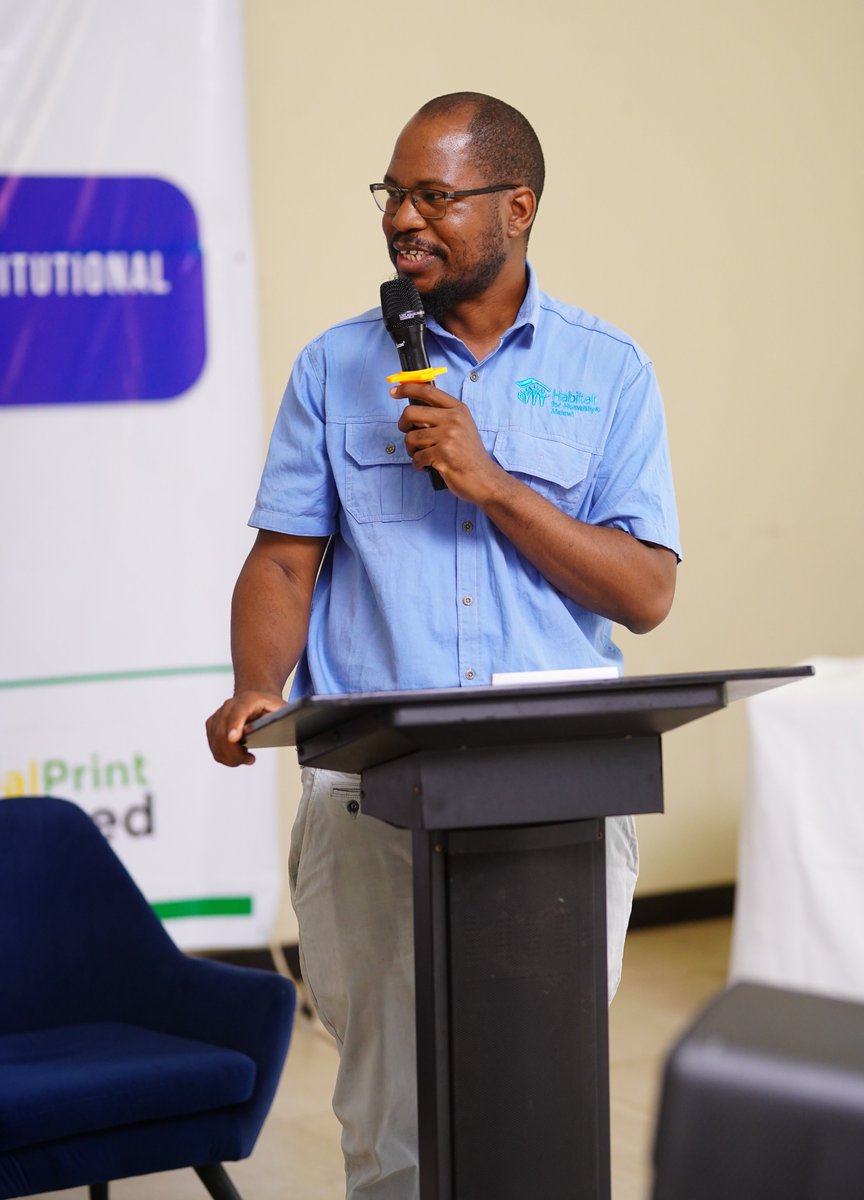
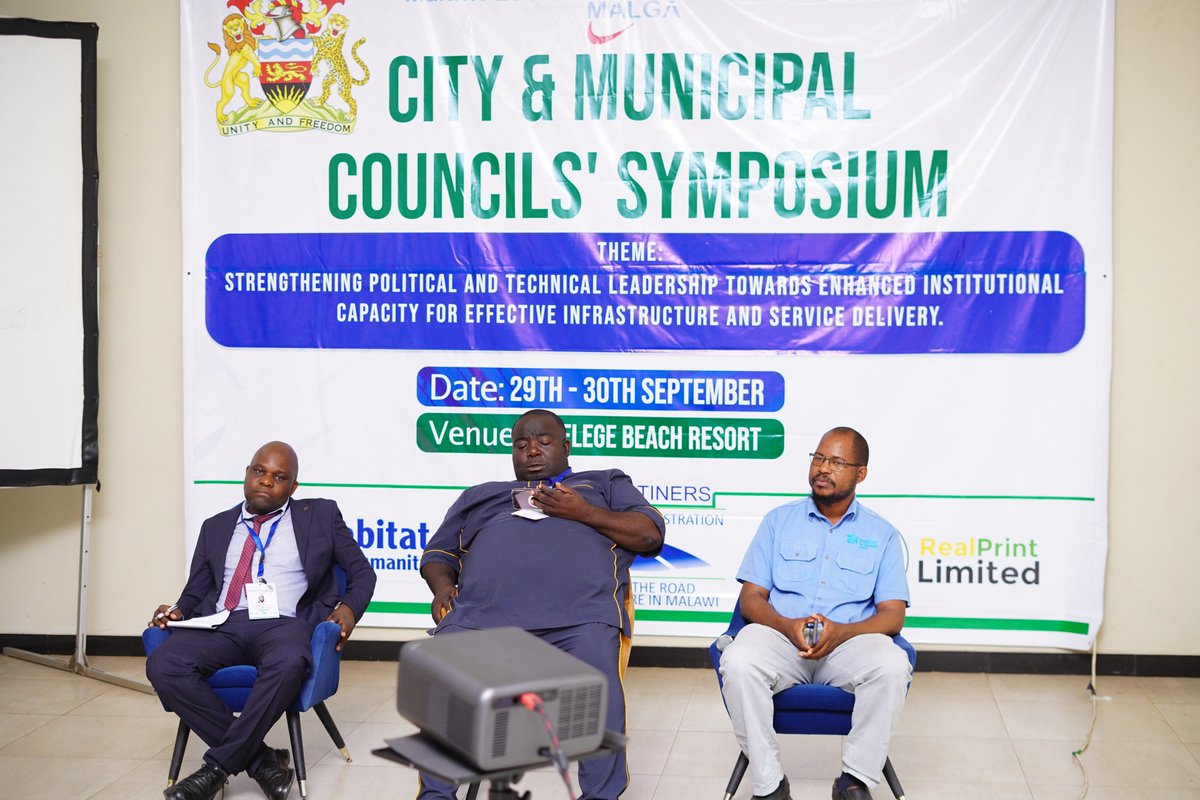
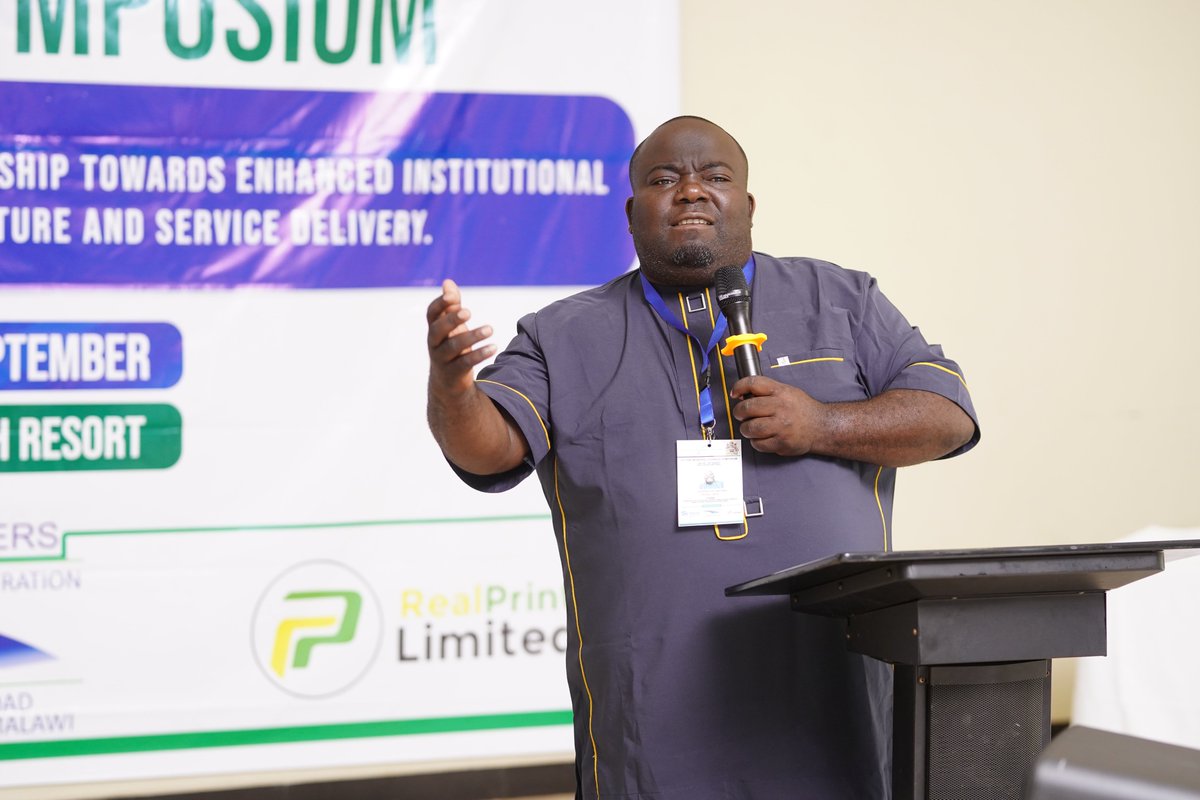
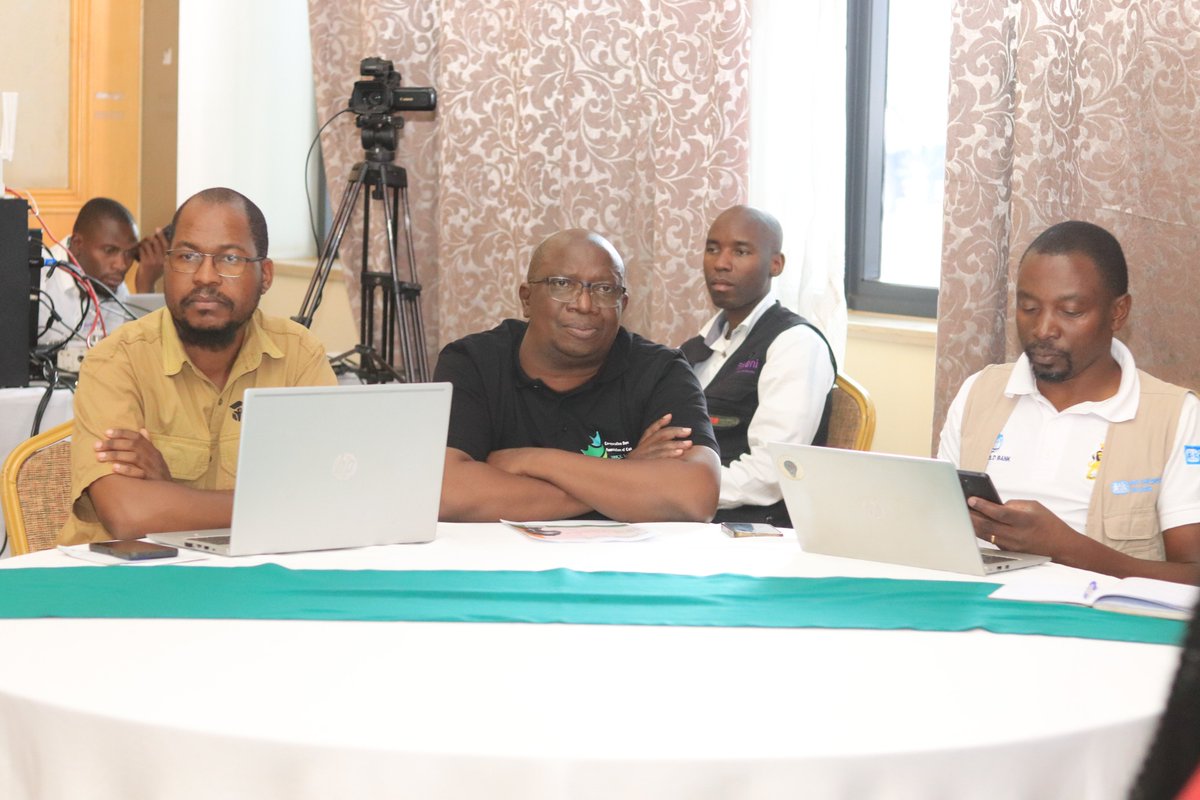
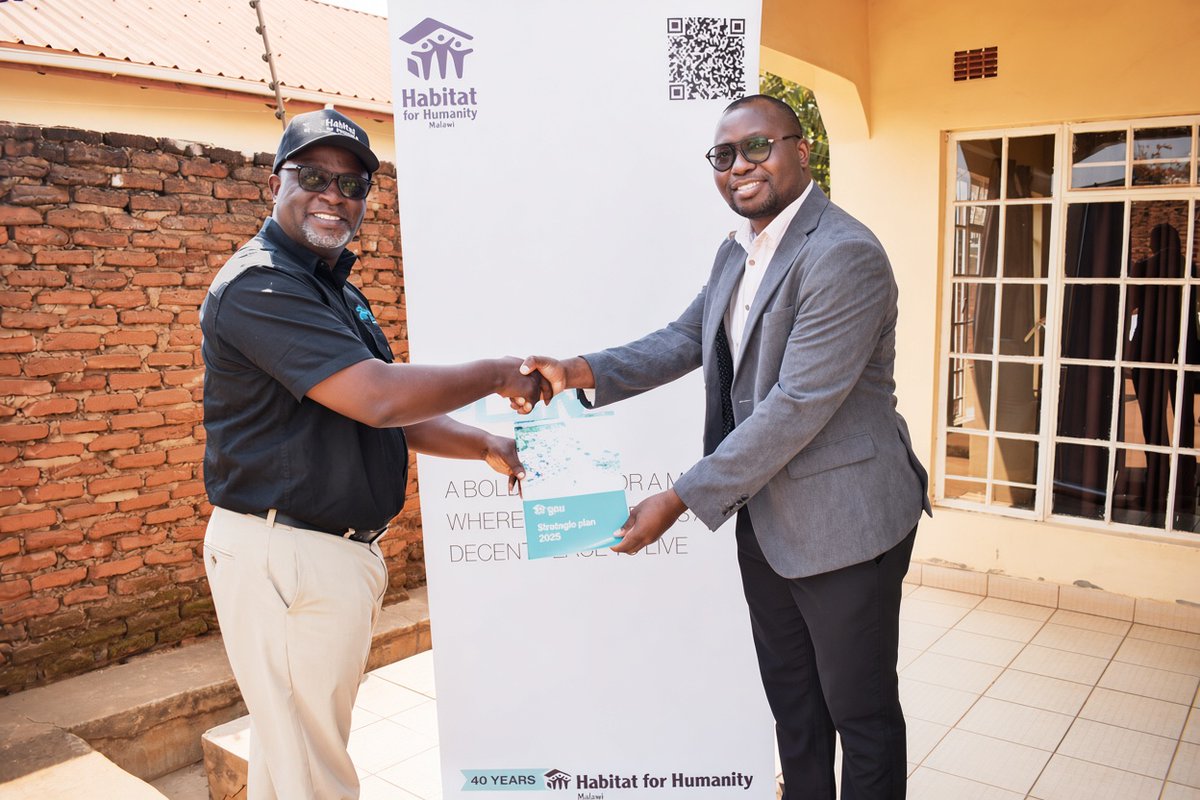
@HFHMalawi , represented by Habitability & HDRR Manager Francis Sande, is participating in the 2-day 2026 City and Municipal Councils Symposium in Salima, organised by the Malawi Local Government Association. Under the theme “Strengthening Political and Technical Leadership Towards Enhanced Institutional Capacity for Effective Infrastructure and Service Delivery,” the symposium brings together government officials, MALGA leaders, mayors and council CEOs.
@HFHMalawi urges stronger action and investment in adequate housing, secure land tenure and sustainable urban planning. Together, let us turn commitments into action, curb informal settlements and build inclusive, resilient, sustainable cities now.
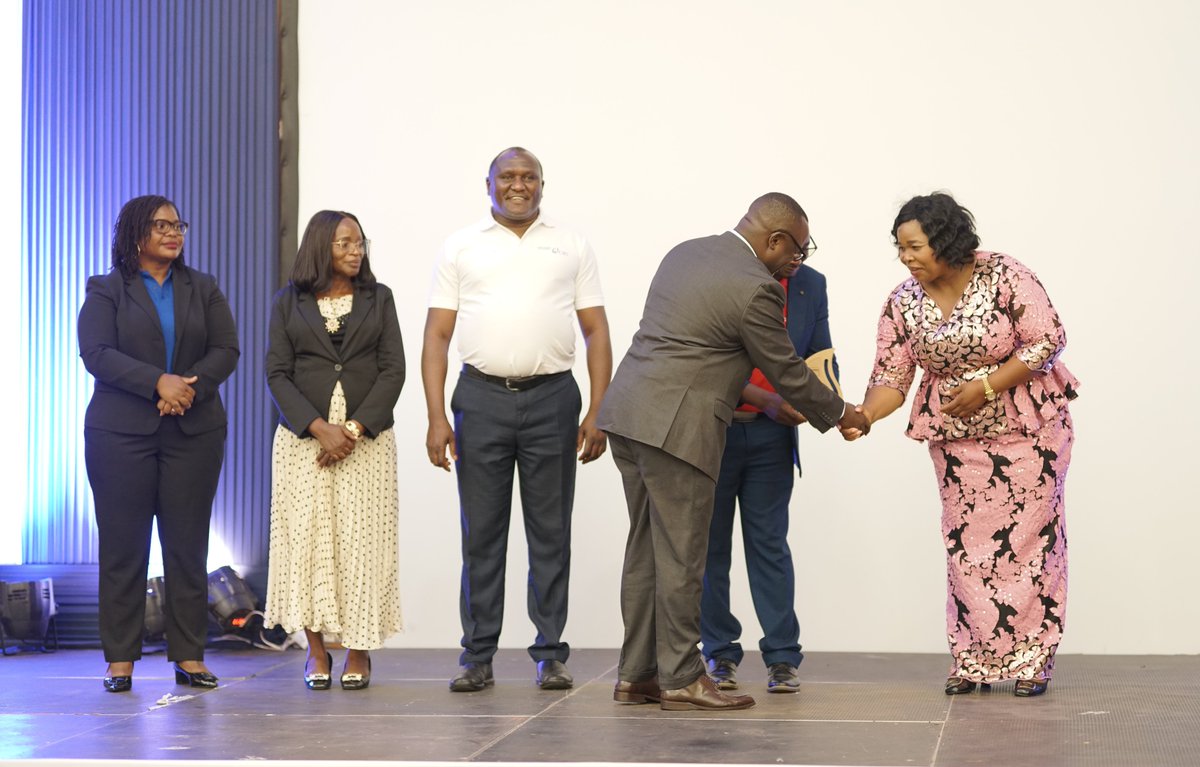
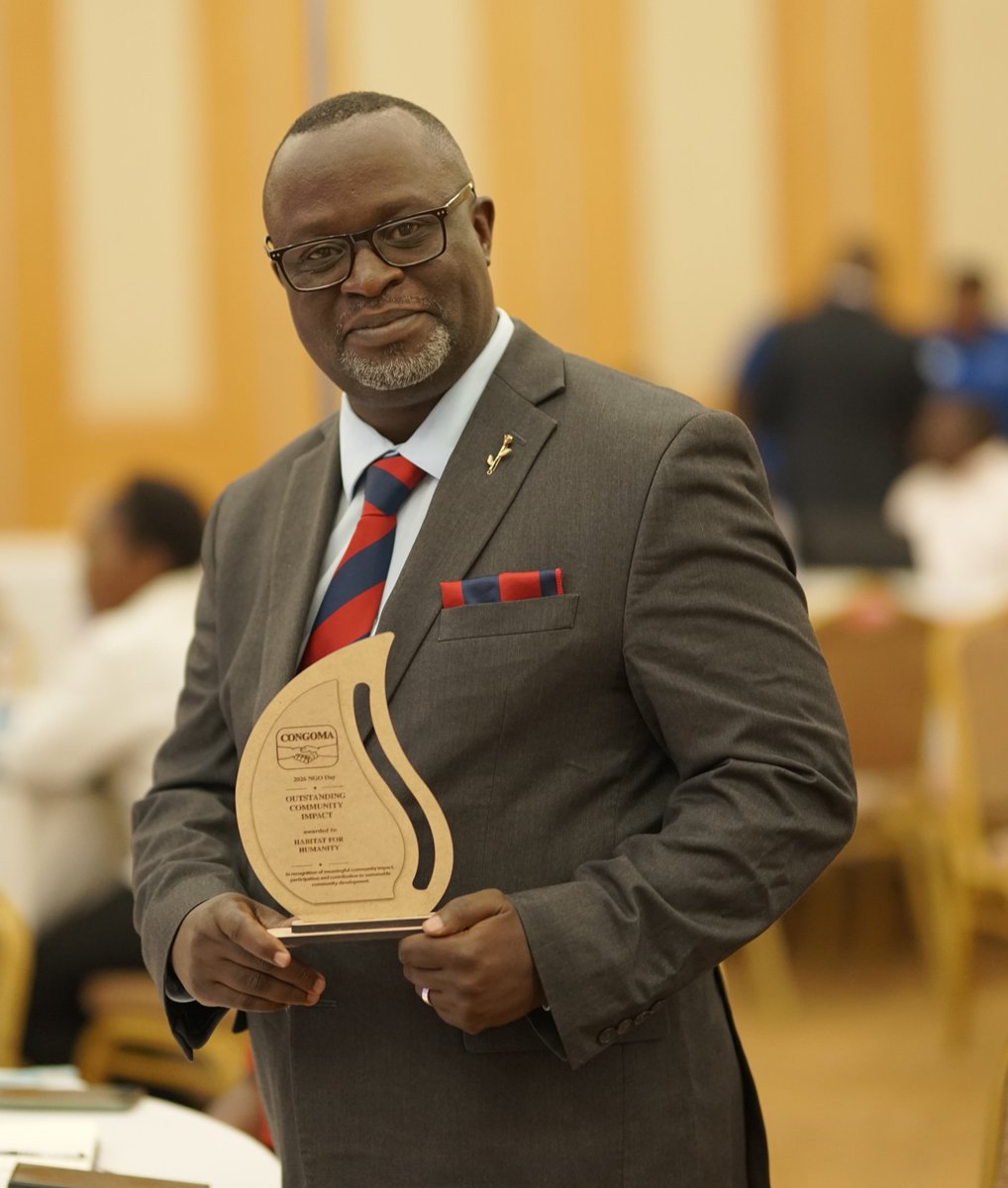
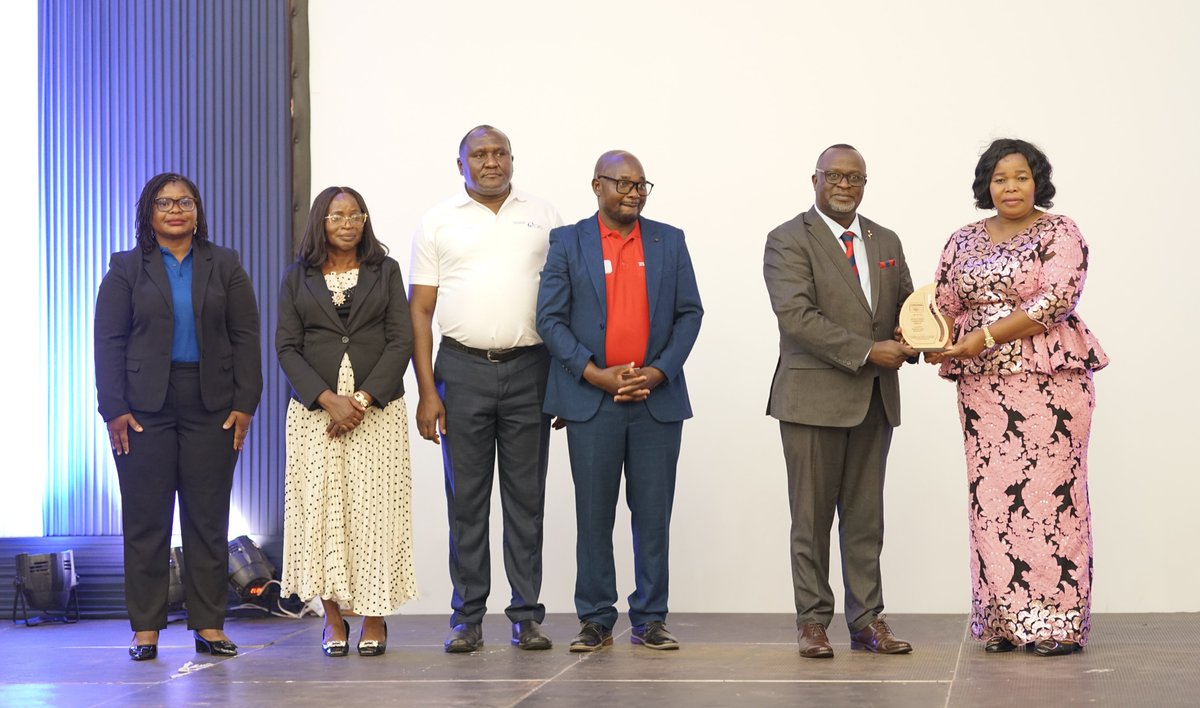
Today we are honoured to receive the Outstanding Community Impact Award at the 2026 NGO Day Awards in Lilongwe. This recognition celebrates our work in resilient housing, safe water, sanitation, informal settlement upgrading and sustainable livelihoods.
Our impact includes disaster-resilient homes for more than 70 families affected by Cyclone Freddy in Nanchidwa, formal land tenure for 402 households in Area 27 @HomeEquals , and safe water for 4,000 people across 8 villages in Traditional Authority Masumbankhunda. We are also establishing 3 climate-smart agriculture demonstration plots for 500 farmers to improve productivity, soil and water management, and food security. #NGODay2026
Want to hear how these issues are playing out across Asia-Pacific? In Episode 3 of #OpenTheDoor, @Habitat_AP leaders discuss how housing systems shape gender outcomes and share examples of gender-responsive housing solutions from Fiji and India.
https://t.co/zherHaVN6D
Did you know that improving housing conditions in informal settlements could help prevent 42.9 million incidents of gender-based violence against women each year?
Learn more in Habitat's #HomeEquals Women's Health Report: https://t.co/5Gv42Lv5AL
Less than 0.1% of Official Development Assistance is dedicated to housing. The current lack of development assistance is a roadblock to improving conditions for the 1.1 billion people around the world living in informal settlements who lack access to adequate housing.
🏙️ @HFHMalawi supported Mzuzu City Council in reviewing the Draft Mzuzu City Building By-laws to strengthen urban governance, development control and building standards.
Join us in supporting stronger housing systems and safer, more resilient communities.
Today, an @HFHMalawi delegation, led by National Director Rex Chapota, met with @cisonecc_malawi to strengthen collaboration on climate-resilient housing and sustainable infrastructure development.
Discussions focused on supporting Malawi’s NDC 3.0, exploring climate finance opportunities, aligning strategic priorities and developing joint initiatives ahead of COP31.
The “hidden epidemic of evictions” is coming to light. At least 64 million people have been displaced from informal settlements over the past two decades - driven not just by conflict, but by redevelopment, infrastructure projects, and climate adaptation efforts.
The 2026 World Cities Report by @UNHABITAT calls for stronger links between humanitarian and development responses that work hand-in-hand to address urban evictions.
Read more: https://t.co/IuzLal5IKb