Family, Friend and Neighbor (FFN) is a broad term encompassing many types of caregivers, typically those who have a previous relationship with the children they care for.
They are the grandmothers, nanas, aunties, abuelitas, life-long family friends, and neighbors who care for children. These caregivers may be paid or unpaid and may not view themselves as providers at all.
The majority of FFN caregivers are motivated to provide care out of a sense of duty to support their family, their neighbors, or their community and because of their love for the children they care for.
Child care from Family, Friend and Neighbor (FFN) providers is the most used form of care in this country, yet it is hardly ever discussed, considered, or included in our early childhood conversations. Supporting FFN care starts with acknowledging it and bringing it into our discourse. In doing so, we are respecting the parents who choose this care, honoring the caregivers who provide it, and considering the children who rely on it.
This month, we’re excited to share more about who FFN providers are, why families choose them, how children benefit from their care, and the needs FFNs face.
Reliable income makes a real difference. This #MentalHealthAwarenessMonth, we’re highlighting how consistent financial support can ease stress for home-based child care providers—creating the stability they need to plan ahead, grow their businesses, and focus on the children in their care.
When providers are supported financially, their well-being improves—and so does the quality of care they’re able to offer.
*Home Grown’s Thriving Providers Project is a direct cash transfer program for home-based providers.
Mental health is especially challenging and important during times of great uncertainty in the broader economy and society.
For some providers today, the fear of being challenged by immigration authorities, or of families or staff getting deported, is an added burden of fear and stress. For others, natural disasters like flood and fires have upended lives and businesses, leading to overwhelm, depression, and anxiety.
Using professional resources and strengthening partnerships can be a great way to boost one’s mental wellness.
Learn more: https://t.co/w1k7eaFxWi
Caring for young children starts with caring for yourself. This Mental Health Awareness Month, we’re reminded that when providers have the financial support they need—fair wages, stable income, and access to resources—they can reduce stress, prioritize their own well-being, and show up fully for the children in their care.
Supporting providers isn’t just an economic issue— it’s a mental health one.
*Home Grown’s Thriving Providers Project is a direct cash transfer program for home-based providers.
“Healthy me” tip #2: Practice self-care in community
Child care networks around the country are recognizing the importance of helping providers recognize mental health issues and implement wellness strategies.
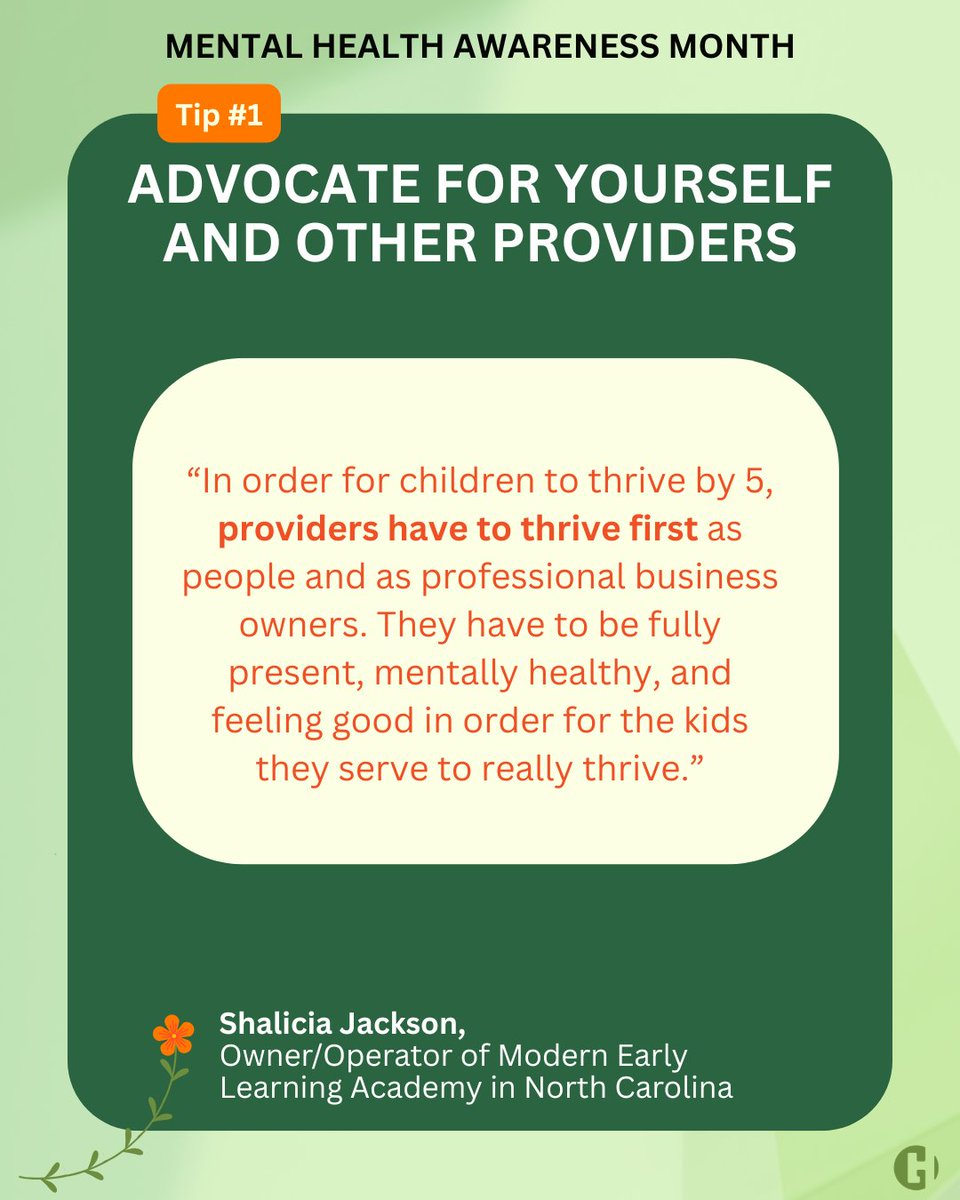
Shalicia Jackson leads the Triad Self-Care Support Network, a group she founded to provide a supportive social and professional space for home-based child care providers. Getting together to talk about solutions and advocate for each other and other family child care providers is part of her mental health routine. “We take a moment to just breathe and talk,” she says. “But relying on other people who understand what it means to be a provider, to participate in a solution-focused group creates a sense of solidarity that makes each provider stronger.”
Read the blog: https://t.co/w1k7eaFxWi
Home-based child care creates a sense of safety and security for babies.
The research is clear: the key ingredient for infants’ social and intellectual development is a secure attachment to a caregiver. According to Dr. Jones Harden, that security leads to better lifetime outcomes.
During May All Babies Thrive Month, learn more about how home-based child care supports the development of babies and sets them up for futures where they thrive: https://t.co/AF7iYdXLKR
Child care providers are essential to children, families, and communities — yet many continue to face emotional distress while doing this critical work.
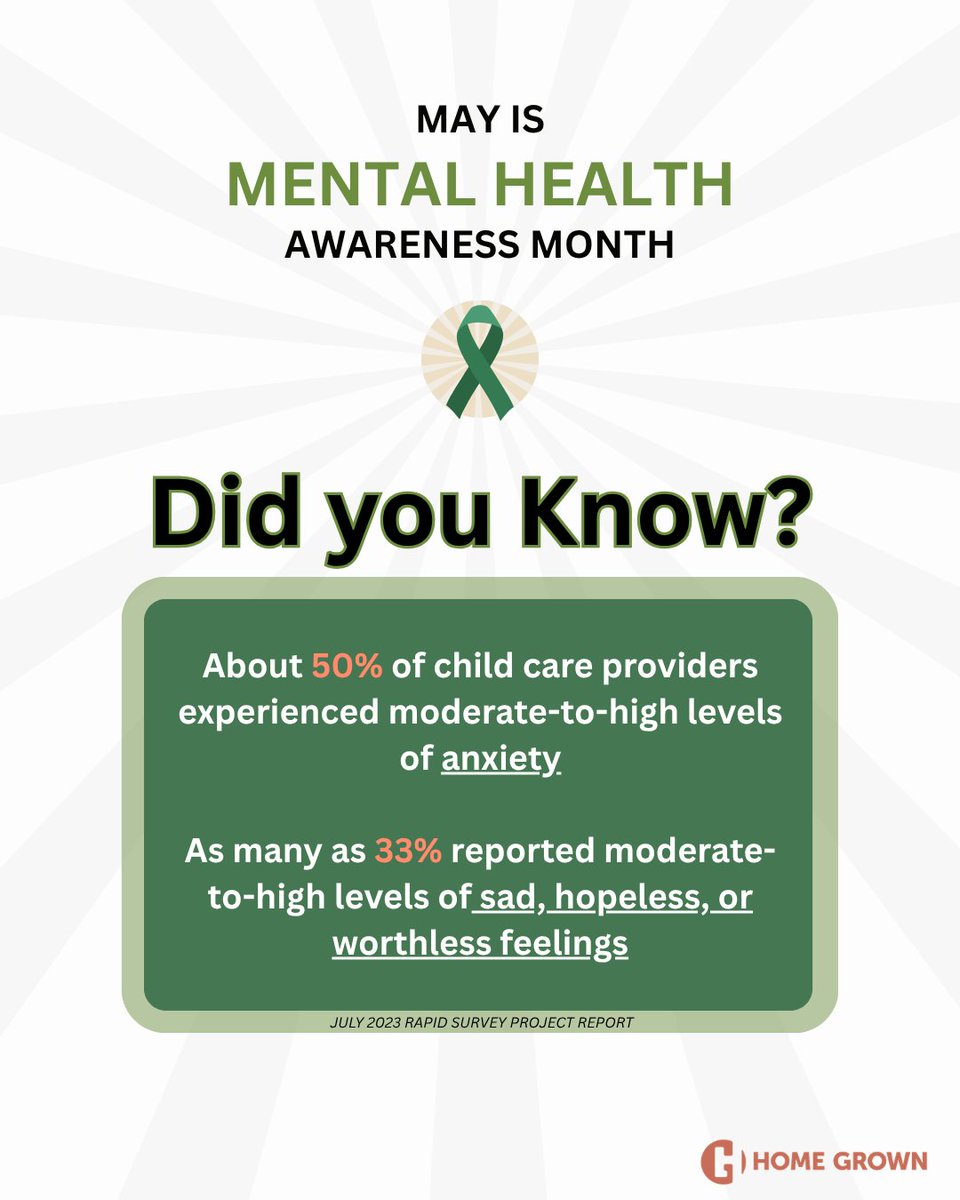
RAPID survey data show that in March 2025, 84% of providers of young children reported experiencing emotional distress, including stress, loneliness, depression, and anxiety.
These findings underscore the importance of sustained investments in the child care system and support for the people who care for and educate young children every day.
Policies that support providers’ mental health and well-being — alongside improved compensation, staffing stability, and reduced financial burdens — can help prevent burnout, strengthen the child care field, and ensure providers have the support they need to continue caring for children and families.
#MentalHealthAwareness Month
Read more: https://t.co/vuOnQ3i2P9
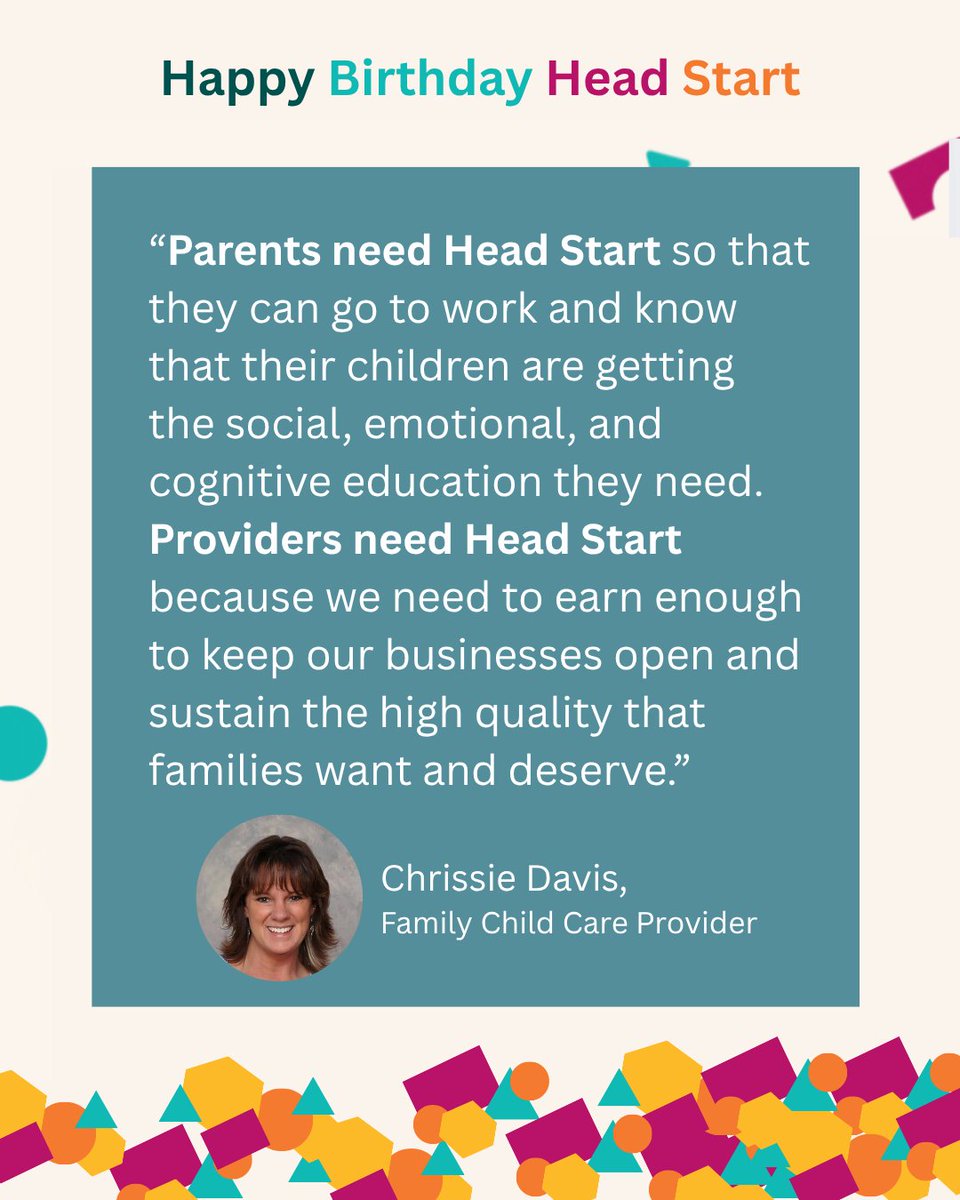
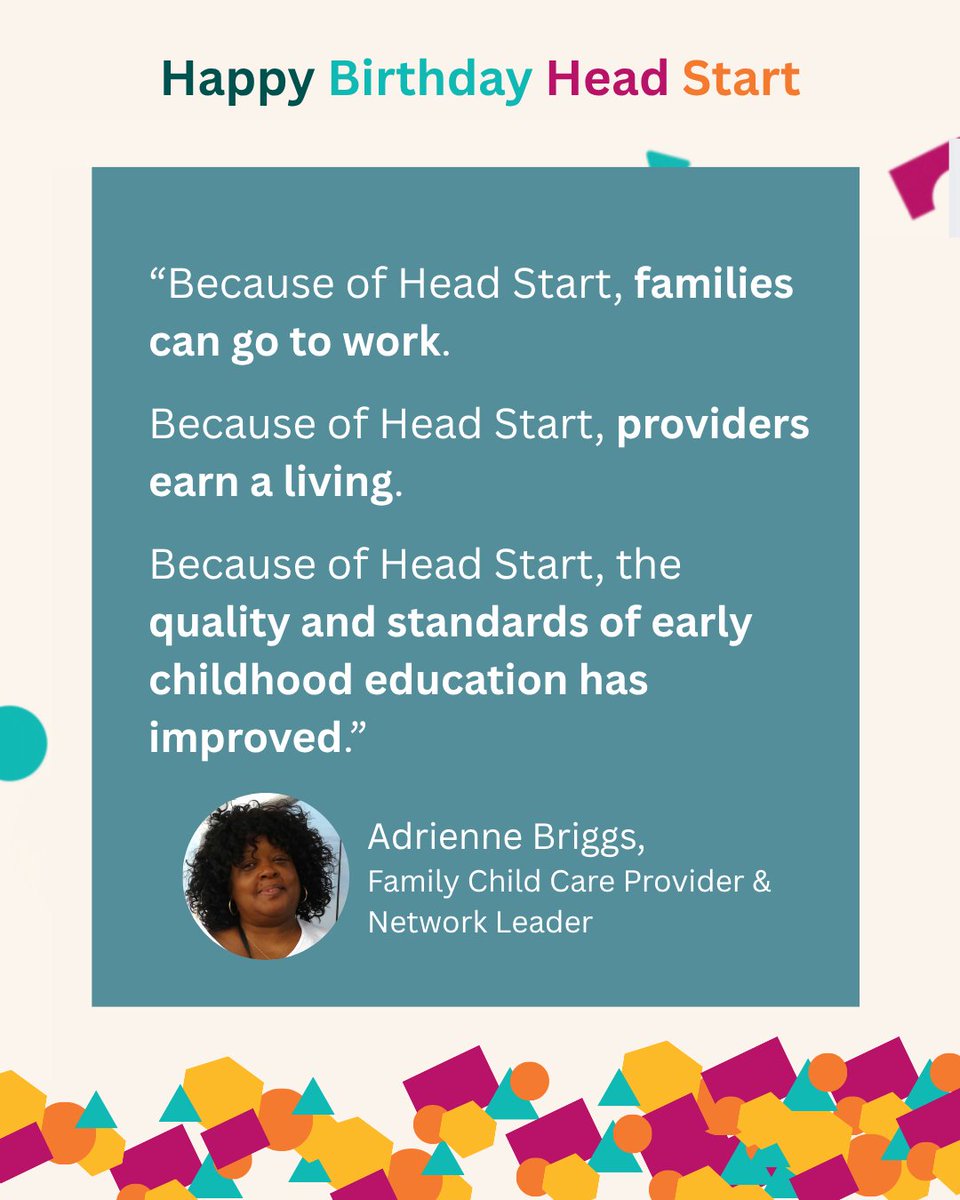
For generations, Head Start has helped children and families access the support they need to thrive — promoting school readiness through early learning, health, nutrition, and family well-being services for children from birth to age 5.
Head Start remains the largest federal funding source for comprehensive early childhood services for young children and families facing the greatest barriers. To date, the program has helped more than 40 million children nationwide prepare for success in school and life. In 2026 alone, Head Start is offering more than 685,000 funded seats across the country, and thousands of those seats are in home-based child care settings.
Head Start has a long history of partnering with home-based child care providers, recognizing the essential role they play in expanding access to high-quality care in trusted community settings.
As Head Start looks to the future, continuing to include and invest in family child care providers will be critical to expanding access, supporting provider sustainability, and ensuring families have care options that meet their needs.
This Asian American and Pacific Islander Heritage Month, we’re excited to share the story of Pyrena Hui and Oscar Tang, owners of a large family child care home in San Francisco and the first generation of their family to emigrate from Hong Kong.
In their program, children not only learn and grow — they also experience the joy of connecting with culture, family traditions, and community.
“Even though we are in the United States now, and that is a transition, the story of our family and culture continues, and that is important, says Oscar.
For Pyrena and Oscar, caregiving is deeply personal. “Being an immigrant, I don't have too many family members in the United States. For me, they are also considered my extension of the family.”
#AAPIMonth
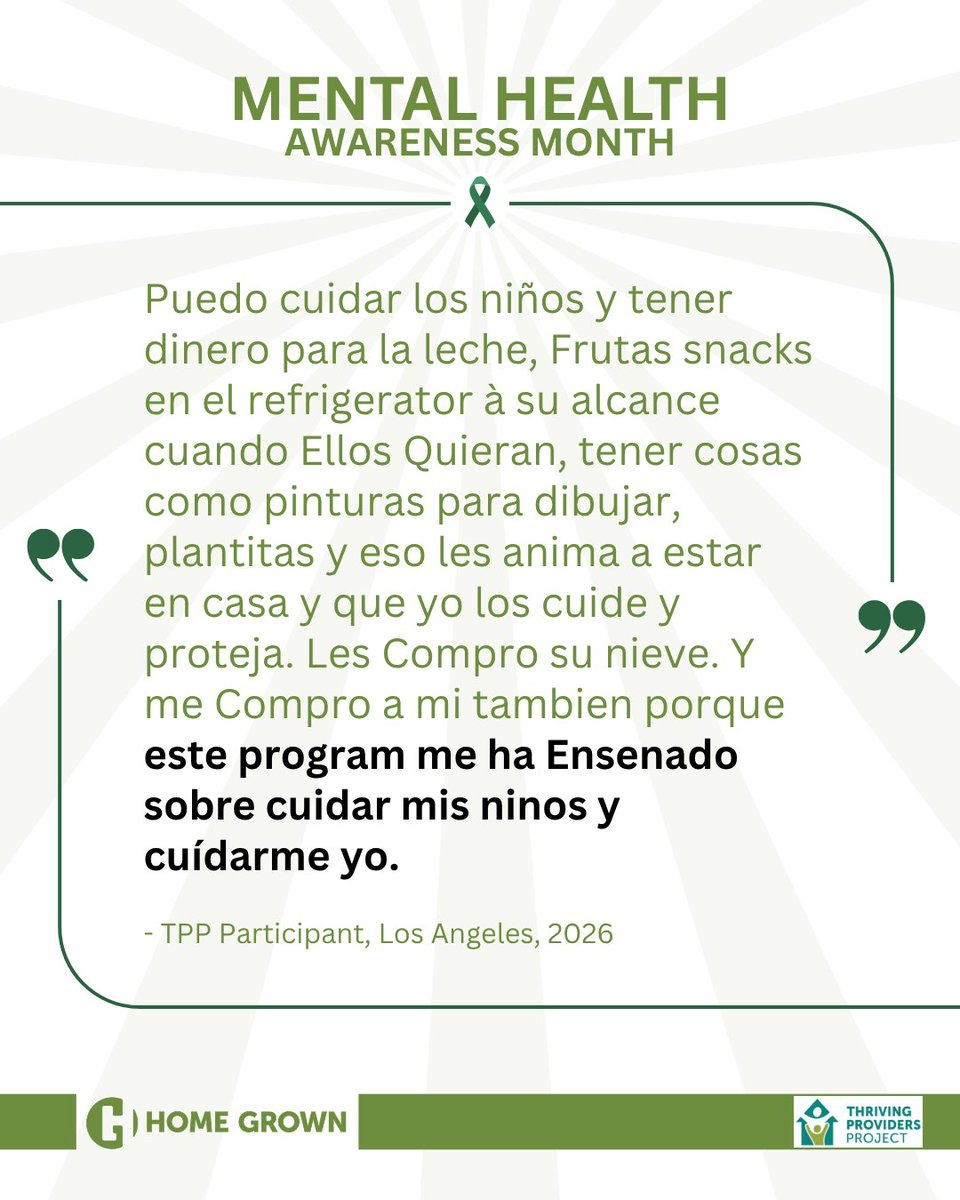
Home Grown’s Thriving Providers Project, a direct cash transfer program for home-based providers, has found that receiving ongoing, unrestricted, and reliable cash transfers contributes not only to providers’ sense of economic stability, but also their emotional well-being.
While providers are navigating high stress, low wages, and limited support, a liveable wage is essential in stabilizing both the mental wellness of providers and the care for the children they serve.
Home-based child care stimulates infant brain development.
What makes home-based child care the preferred option for many families is not just the intimate setting it provides for young children but also the way it addresses the specific developmental needs of infants and toddlers. For babies and toddlers, that sense of safety and belonging is the bedrock of both physical and mental health.
At Harvard University’s Center on the Developing Child, researchers characterize the healthy interaction between infants and their caregivers as “serve and return” — a series of volleys that builds a child’s neural network and sparks critical connections that enable babies to keep learning and growing.
This back-and-forth interaction is fundamental to the wiring of the brain, building essential pathways that support:
🔸 language
🔸 motor skills
🔸 memory
🔸 emotional regulation
🔸 behavioral control.
#MayAllBabiesThriveMonth
Mental Health Awareness Month is an opportunity for providers to reflect on both personal and professional wellness. The path to mental wellness begins with embracing “healthy me” practices such as:
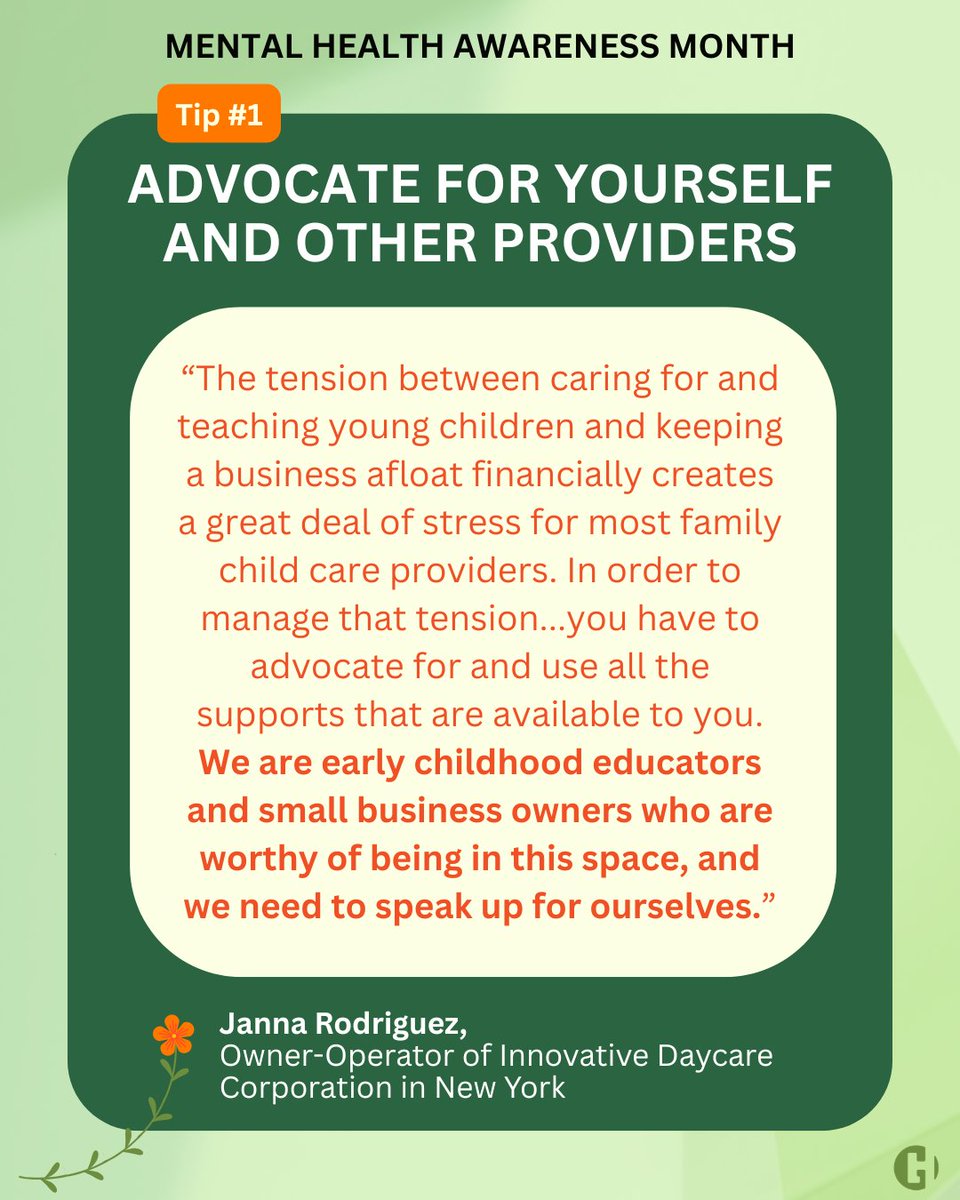
Advocating for yourself and other providers
We’ve heard that self-advocacy often makes providers feel both visible and valuable, especially when speaking up on issues that would support providers’ mental health, like creating substitute pools, increasing subsidies, and providing affordable health insurance.
Learn more: https://t.co/w1k7eaFxWi
1 in 3 families spend more on child care than on rent.
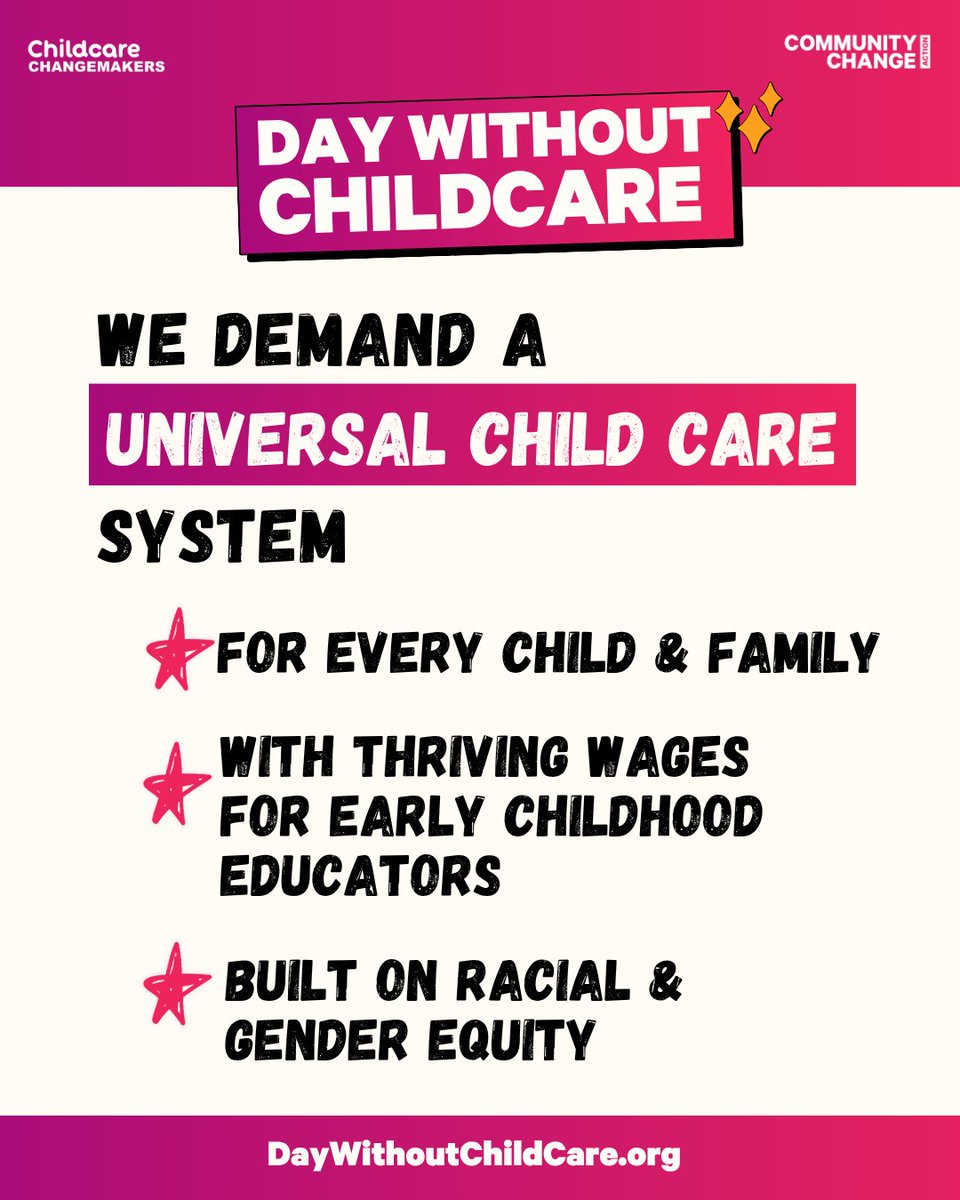
Child care is families’ highest bill, yet providers earn poverty wages. Today, #DayWithoutChildCare, parents and providers are striking to launch a campaign for public funding that makes #UniversalChildCare affordable & values the people who provide it.
@communitychange
When a Child and Adult Care Food Program (CACFP) sponsor closes, home-based providers lose access to the intermediary structure required to participate in the program. For many providers, it can mean losing access to reimbursements that help them feed children nutritious meals and sustain their businesses.
Susan Randolph, Owner of Nana’s House of Childcare & Preschool and FFN Network Leader in Arizona, visited Congress to share the importance of the CACFP. This video offers a glimpse into the challenges providers face — and why stronger support systems matter.
Read our new report, CACFP Challenges Through the Lens of Closed Sponsors, to learn why closures are happening and what they mean for home-based providers who rely on this essential program: https://t.co/edE66yHV0Q
Happy Provider Appreciation Day!
Home-based child care providers are the essential caregivers who make it possible for parents to work, knowing their children are safe, loved, and learning— even in the face of disaster.
Our latest blog features interviews with parents and providers in Western North Carolina who forged a deep bond during Hurricane Helene that has continued to sustain the families, the children, and the economy through the region’s recovery.
To all home-based child care providers:
Thank you for your love, generosity, wisdom, and prodigious experience doing the hardest, most important job in the world: growing our children from the tiniest sprouts into strong and resilient human beings.
Read the blog here: https://t.co/Rg1OGhKkkh
Home-based child care (HBCC) providers help babies thrive!
30% of infants and toddlers attend home-based child care as their primary care arrangement, making HBCC the most prevalent child care placement for children in this age group.
During May All Babies Thrive Month, learn more about how home-based child care supports the development of babies and sets them up for futures where they thrive: https://t.co/AF7iYdXLKR
Family child care providers across Vermont are advocating for the Early Childhood Educator Profession Bill— and making it clear that their work is essential to families, communities, and local economies.
Family child care educators have long been the backbone of their communities, offering flexible hours, filling critical gaps, and making it possible for parents to work, especially in rural areas.
This bill would:
🔸 Create individual licensure and professional recognition
🔸 Ensure family child care educators have equal access to opportunities
🔸 Strengthen and sustain programs so they can remain open
🔸 Expand access to high-quality care
Read more: https://t.co/YdxEQ7jCL4
Michigan is piloting an expansion of its PreK for All program, bringing no-cost pre-K into home-based child care settings for the first time.
Until now, Michigan’s PreK for All program has guaranteed free pre-K for 4-year-olds—but home-based providers were not eligible to participate. This pilot marks an important step toward more inclusive delivery models that meet families where they are.
We’re excited to see how this pilot unfolds and what it can teach us about expanding access through home-based settings.
Read more: https://t.co/8ZdzxsPhRg
May is Mental Health Awareness Month.
Caring for young children while running a small business demands constant balance: compassion, expertise, and resilience all at once. Yet many child care providers are navigating high stress, low wages, and limited support, with recent data showing rising levels of anxiety and depression.
This month is a chance to recognize the critical role providers play—and to prioritize their mental health and well-being, both on and off the job.