sociology, international higher education, social inequality, social change, gender, elite, social theory, historical sociology, globalization, Korea, East Asia
He had been reading my dissertation and reached out to ask for additional resources. This unexpected connection deeply motivates me to work even harder to share my research findings with a broader audience. 2/2
This morning, I unexpectedly woke up to an email from a Korean-American individual seeking to better understand his father’s experience. His father came to the U.S. in the late 1980s as a student and later became an immigrant. 1/2
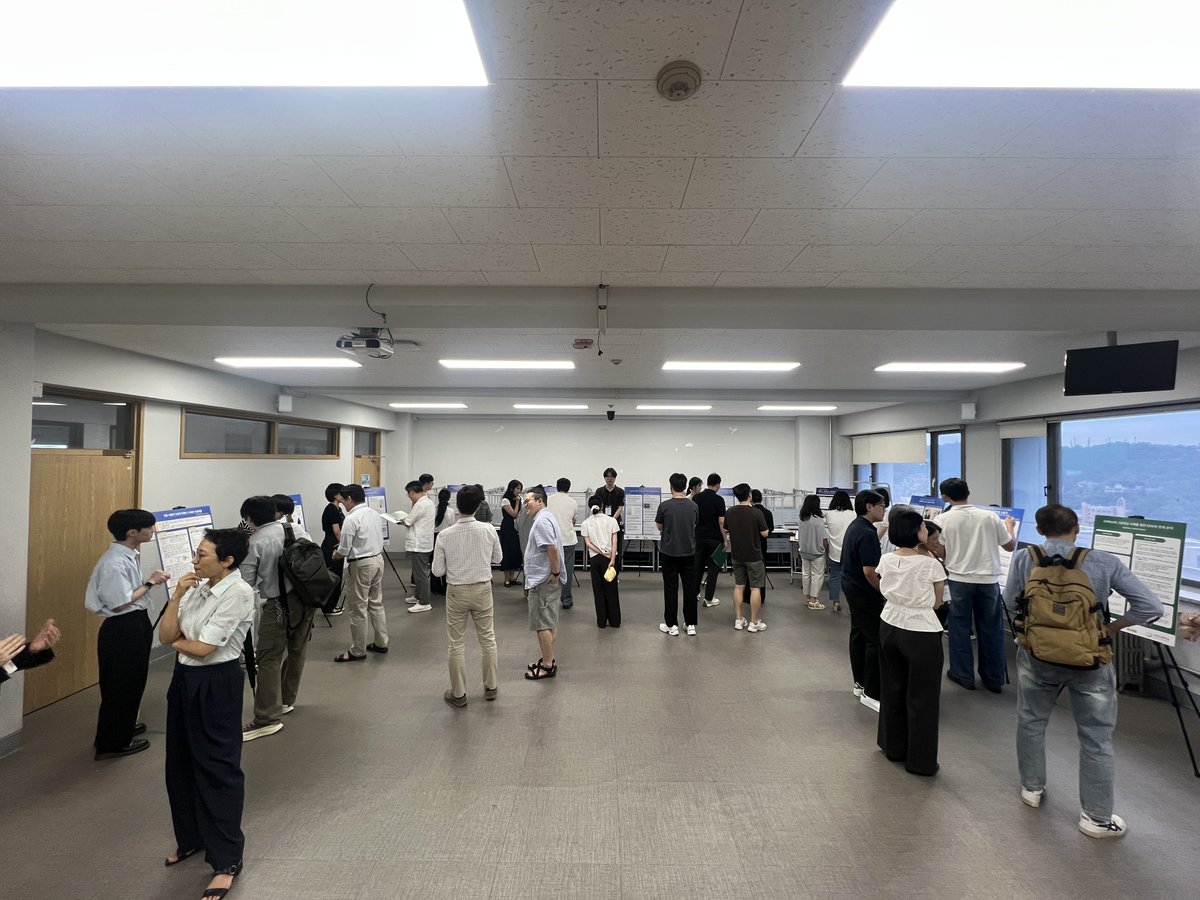
⚖️ 2025 불평등연구회 학술 심포지엄 개최 ⚖️
7월 15-16일 국민대학교에서 2025 불평등연구회 학술 심포지엄이 성공적으로 개최되었습니다.
심포지엄에서 발표된 논문의 자료는 홈페이지에서 확인하실 수 있습니다.
👉 https://t.co/ZBXXWNhB2R
앞으로 연구회의 활동에도 많은 관심 부탁드립니다 🍀
New Publication🌱
Yang, T.-C., Strully, K., Shoff, C., & Lee, H. (2025). Features of Residential Counties and Individual Health Conditions for Opioid Use Disorder Among Older Medicare Beneficiaries. The Journals of Gerontology: Series B. https://t.co/fSDwQydzBq
사회사/역사사회학은 주로 "발화"되거나 "행위된" 사회적 사실에 주목합니다. 하지만 역사인류학자 미셸-롤프 트루요가 지적하듯, 역사는 누구의 목소리가 기록되고, 누구의 목소리는 침묵될지를 결정하며 생산됩니다. 침묵은 자료, 저장소, 서사, 역사라는 생산의 모든 단계에서 작동합니다. 1/
Historical sociology often centers on the “spoken” and the “acted.” But historical production determines whose voices are recorded—and whose are silenced. Silence operates across sources, archives, narratives, and history itself. 1/ https://t.co/aZLGfnFjpR
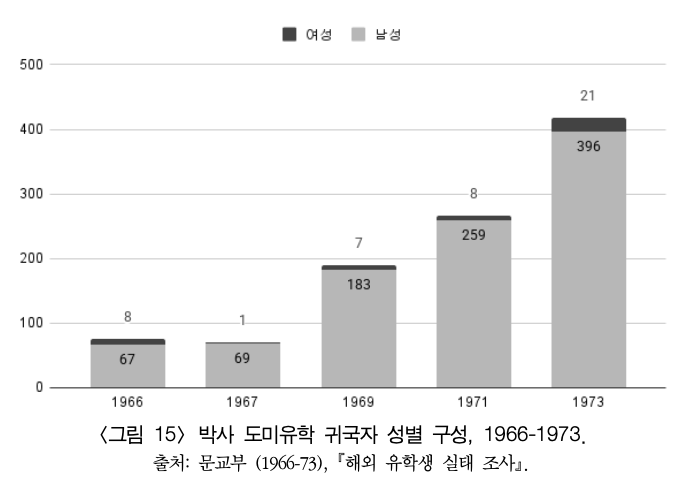
In the case of women, silencing occurred at a minimum of three stages: prior to departure, during the process of marriage and childbirth, and again upon returning home and seeking employment. 8/
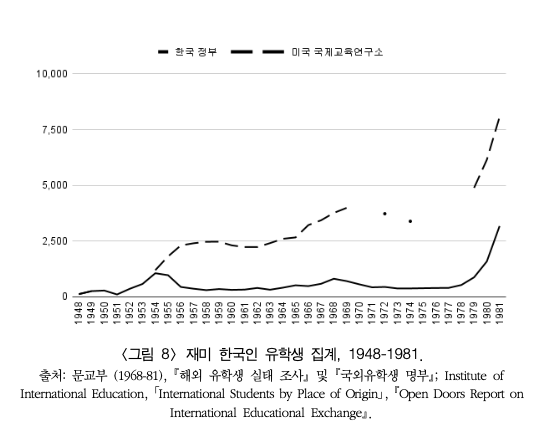
As this paper reconstructs one layer of silencing through a comparative reading of Korean and American archival data, it argues for the need to actively interpret the space between dominant narratives and silences as a vital methodological approach in historical sociology. 12/12
This study reads these multifaceted and overlapping silences not as mere absences or failures, but as “subaltern speech acts.” Although these individuals were elites in the Korean context, they were marginalized within the global, Western-centered epistemic order. 11/