Monthly publication links you to new peer-reviewed research esp. lameness, laminitis, racing, farriery, anatomy, equine podiatry. biomechanics. Subscribe now!
The U.S. FDA has approved Gastrobim (omeprazole) oral paste for the treatment of gastric ulcers and prevention of gastric ulcer recurrence in horses and foals four weeks of age and older. https://t.co/cyYJTQDLCm
The use of advanced imaging - both CT and PET scanning - has added a whole new level of 'smarts' to equine care and is helping to make us all much better veterinarians!
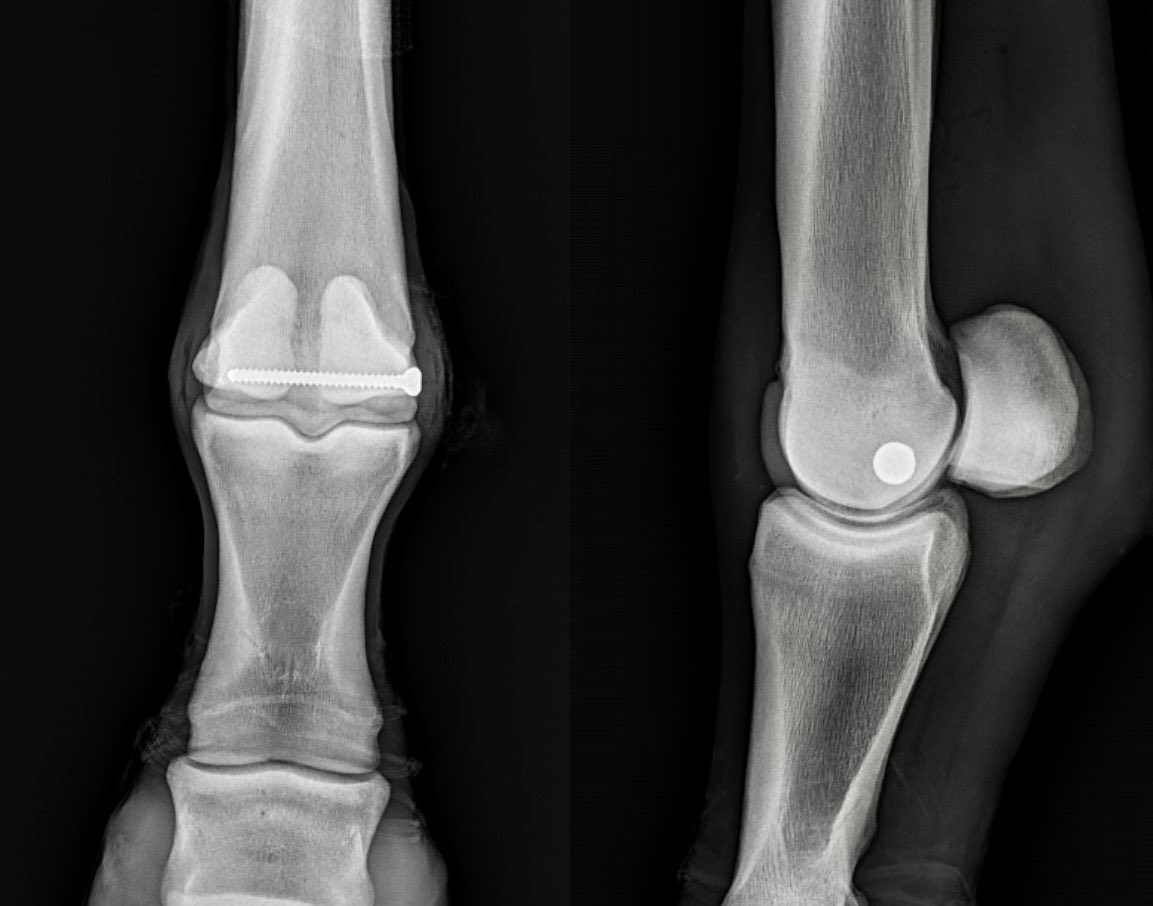
Case in point - you've heard the common term cannon bone or fetlock "bone bruising" that has sidelined many a racehorse. It is a frustrating and painful condition related to the way bone remodels in response to applied stress (i.e. training) - the cannon bones are a common site for this issue and it can lead to debilitating chronic lameness, attrition, and in some cases a condylar fracture. Besides prolonged rest, treatment options have been few and the incidence of recurrence is high, especially as a horse ages out in its racing career.
In trying to find answers to this problem, we have been applying targeted compression screws (using the imaging information that CT can provide) to chronic, recurrent cases to encourage this bruised/sclerotic bone to mobilize and 'shore itself up'. This approach, combined with rest, seems to help these recurring cases and the results have been encouraging.
This TB colt struggled with chronic "bone-bruising" issues in both hind ankles, yet he was very talented and still had room for a promising career. Using CT imaging to clearly map the pathology, we placed precise compression screws in both hind ankles this Fall.
After proper time off he successfully returned to his winning ways in February and then this past weekend, impressively stepped up and won a very competitive Stakes race 🏆 - nice to see science in action...💪
Fracture-specific algorithms can help identify horses at high risk of condylar or proximal sesamoid bone fractures, supporting veterinarians in their clinical evaluation and decision-making. Open access article: https://t.co/NaynUbeuF5 @wsuvetmed#catastrophicinjury#sesamoids
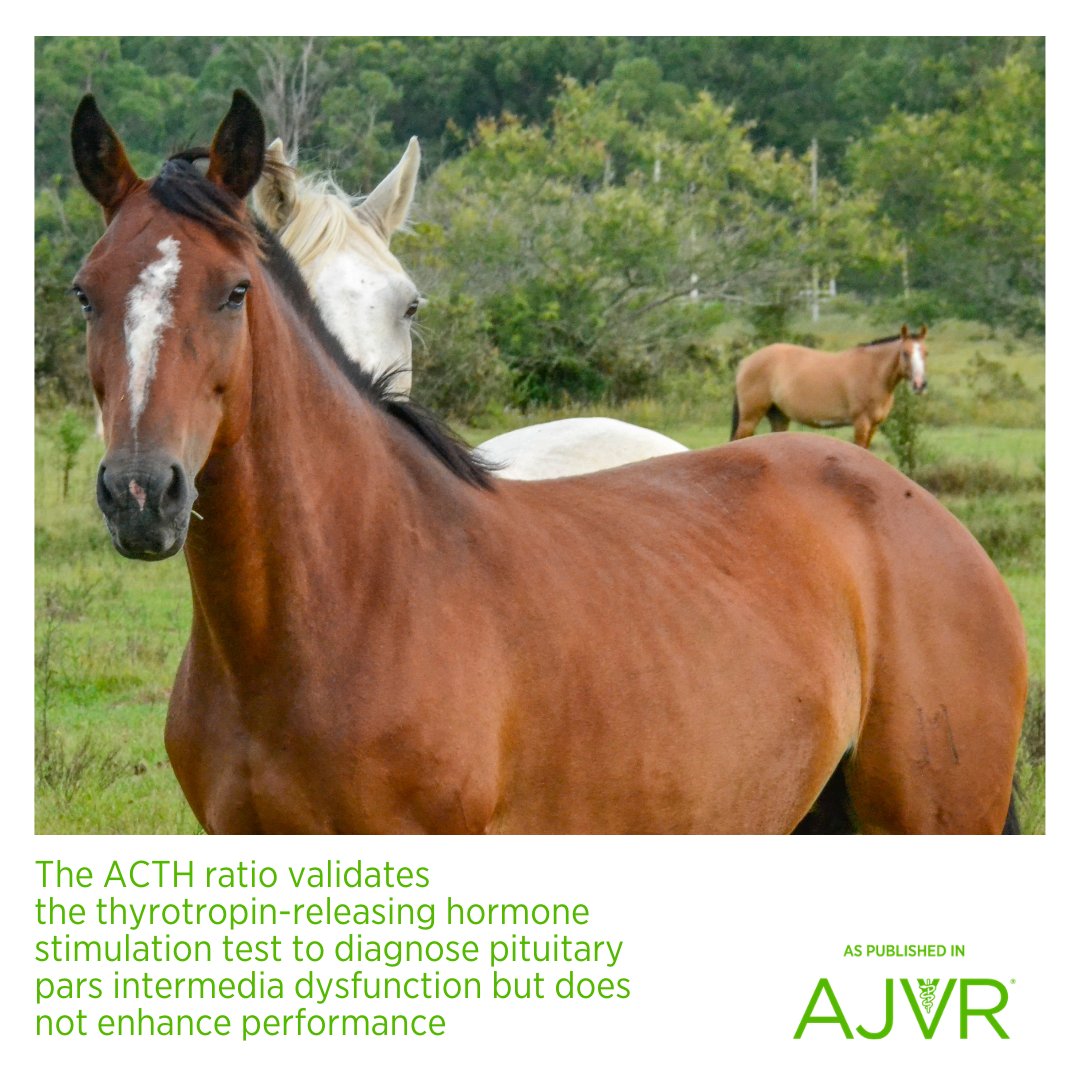
The thyrotropin-releasing hormone (TRH) stimulation test is recommended for evaluation of the pars intermedia of the equine pituitary gland in the context of diagnosing PPID: https://t.co/IUZ5Y3rYj4 @pucvm#horse#endocrinology#laminitis#geriatric
A true testimony to the patience and confidence in this very talented horse by the owner/trainer. This top STB stallion broke his LF Coffin bone over 2 years ago and was repaired at another clinic. He had much difficulty healing, screw became infected and was finally removed. He struggled with a nonunion and never made it back to the racetrack/ the owner did not want to give up so in January he was referred to us for his last chance - we repaired this difficult nonunion and remarkably he healed beautifully! Yesterday he won his qualifier in an impressive 1:51, last quarter in 26!🤩. He is on his way 🙌🏻🙌🏻🙌🏻 what a champ!
Clinical use of triamcinolone acetonide in the horse (205 cases) and the incidence of glucocorticoid-induced laminitis associated with its use https://t.co/0CRUBxU1Kj
🔍 NEW study explores how exercise impacts #equinewelfare in the UK. Surveying 804 horse owners, the research found that while exercise is linked to reduced risk of laminitis & Equine Metabolic Syndrome, many owners face barriers to providing exercise.
🔗 https://t.co/gzj2KFufqK
What a wonderful Phi Zeta Research Day at the LSU School of Veterinary Medicine. Very proud of our LECOR summer scholar Ralph Delgado for his presentation on his work on 3D imaging of hoof tissues to create models for laminitis research. #LSU#LSUVetMed#LECOR#EHSP
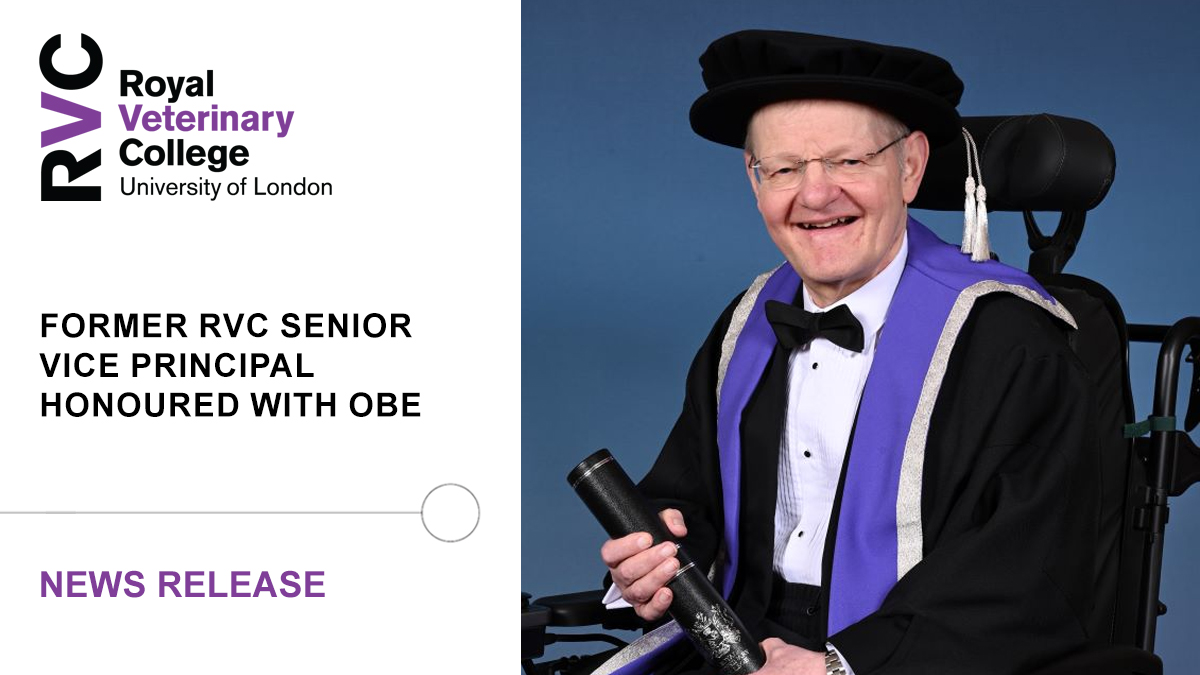
🎖️ Professor Stephen May, former Senior Vice Principal at the RVC, has been appointed Officer of the Order of the British Empire (OBE) in the King’s Birthday Honours
➡️ Read more at: https://t.co/MdbbLOfVkG
New study pinpoints key proteins in #horse joint fluid that may help detect & treat #equine#osteoarthritis early. Using advanced proteomics, CVM researchers found markers like alpha-2-macroglobulin differed between healthy & #arthritic joints. Learn more: https://t.co/iCn0mgQunL
JOURNALISM (Curlin x Mopotism) was an impressive winner of the G1 Santa Anita Derby yesterday and sits as antepost favourite for the Kentucky Derby in May.
Here he is parading at the 2023 Saratoga Select Sale, where he was a 95.53 / 100 [A] rated yearling on biomechanics 📊
#UGAVetMed's Dr. Kelsey Hart, and co-investigator Dr. Shune Kimura, have received a research grant from @AVMFvets and the Veterinary Pharmacology Research Foundation. Their study will explore intravenous metformin in horses with experimental SIRS.
--
https://t.co/tSuVPVwh0X
Authors from @NottinghamVets@Bellequine and @UoN_SHS have just published new research on the important roles and experiences of veterinary and charity teams, when contributing to euthanasia and end-of-life decision-making for horses.
Read the paper here: https://t.co/gFNFjzscfF
In the next installment in our "Why Science?" series, we'll hear from Dr. Samantha Brooks, an equine geneticist with @uf_ansci. Check out the link below to learn how Dr. Brooks discovered her passion for equine research!
https://t.co/EkrNscDlTa
Free for all to access today is Means et. al's "Vertical pelvic movement asymmetry and lameness location in ipsilateral combined forelimb and hindlimb lameness cases".
Read it here - https://t.co/3p2XK9Rbyo