"There can be no keener revelation of a society's soul than the way in which it treats its children."
- Nelson Mandela
Children are our future. Let's nurture, support, and empower them to feel valued and loved.
#NelsonMandela#HopebowKids
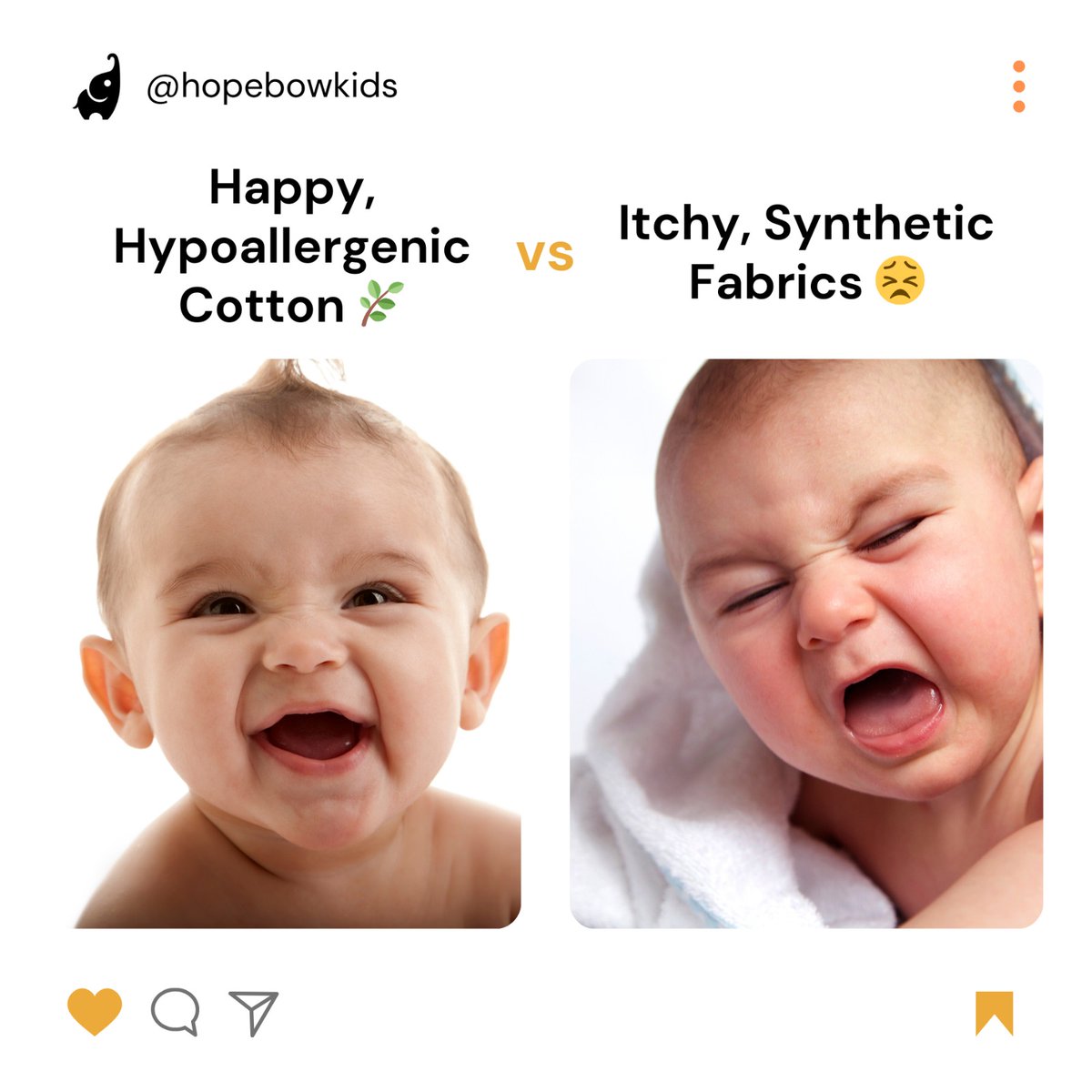
Give your child the best with organic cotton – soft, safe, and sustainable. Embrace a healthier choice today!
1️⃣ Gentle on Delicate Skin
2️⃣ Breathable and Comfortable
3️⃣ Hypoallergenic Properties
4️⃣ Durable and Long-Lasting
5️⃣ Environmentally Friendly
#KidsFashion#NaturalFabrics
Up, up, and away in our premium quality children’s clothing!
Experience the magic of luxury kidswear with Hopebow's natural cotton baby dresses, perfect for every special occasion.
#Hopebow#HighEndBabyApparel#EcoFriendlyKidsFashion
The Hopebow tag assures dressing your little one in luxury, naturally. 🌈✨
Discover the magic of Hopebow's organic baby apparel.
Because your baby deserves the best.
#HopebowKids#LuxuryKidswear#HighEndBabyApparel
Michael Vasilantone's rotating multicoloured screen printing press revolutionised textile printing, propelling screen printing from bowling shirts to becoming a foundational technique in fashion.
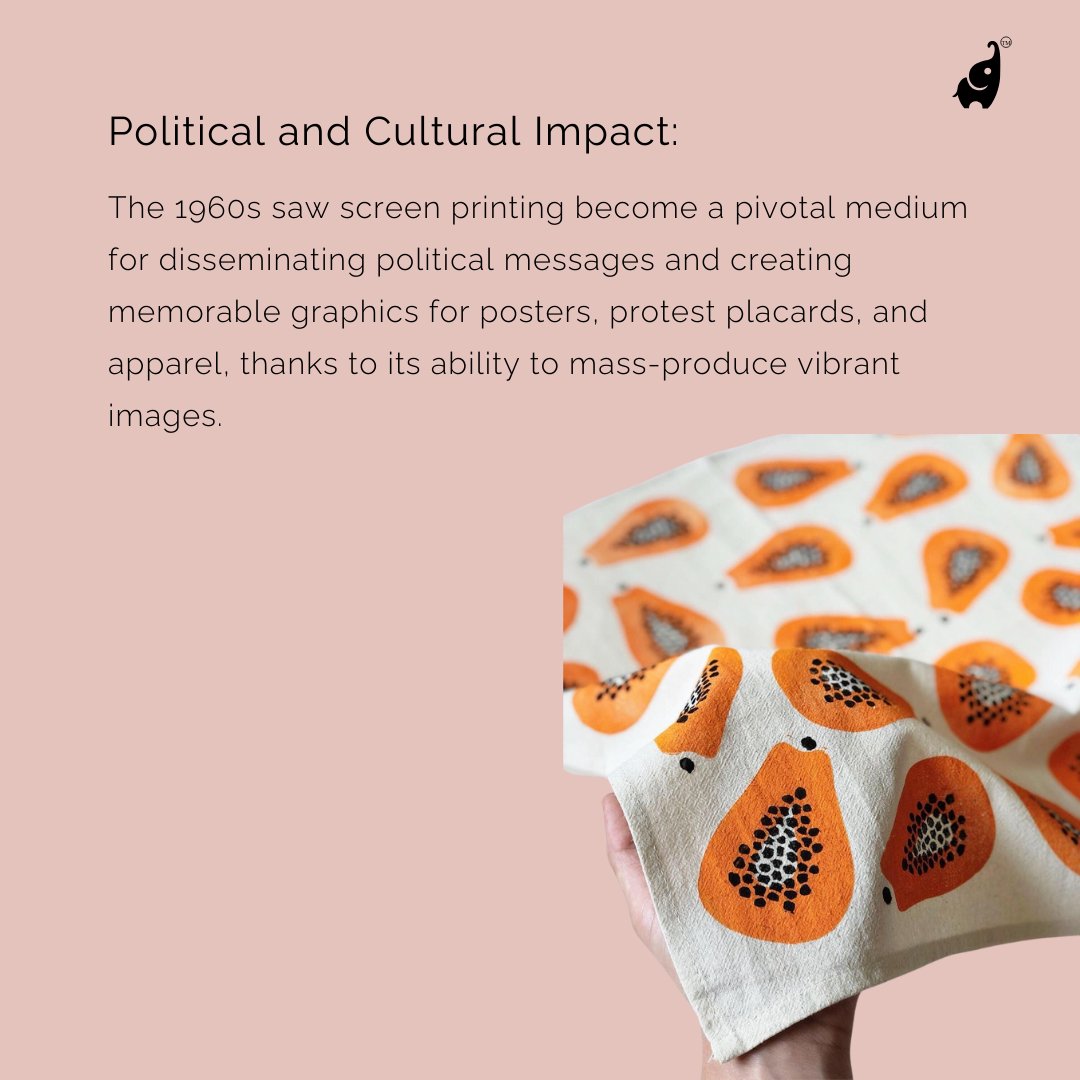
Screen printing on textiles became a pivotal medium in the 1960s, popular for spreading political messages and creating vibrant graphics on posters, protest placards, and apparel.
Screen printing on textiles, patented in its modern form by Samuel Simon in 1907 using a wooden frame and stencils, was revolutionised in the 1910s with photo-image stencils and light-reactive chemicals, greatly enhancing accessibility and industry impact.
By the 18th century, European merchants introduced silkscreen printing from the Silk Road, leading French artists to popularise the technique for printing images on cloth, which flourished during the Industrial Revolution for mass-producing wallpapers and textiles.
Screen printing on textiles is a versatile and popular method for creating vibrant, long-lasting designs on fabric. By using a mesh screen to transfer ink onto the textile, this technique allows for intricate and multi-colored patterns.
Screen printing on textiles, originating from Chinese innovations with block stencils and finely woven mesh, spread across Asia where Japanese artisans advanced the technique using human hair mesh before adopting silk, thus coining the term "silkscreen printing."
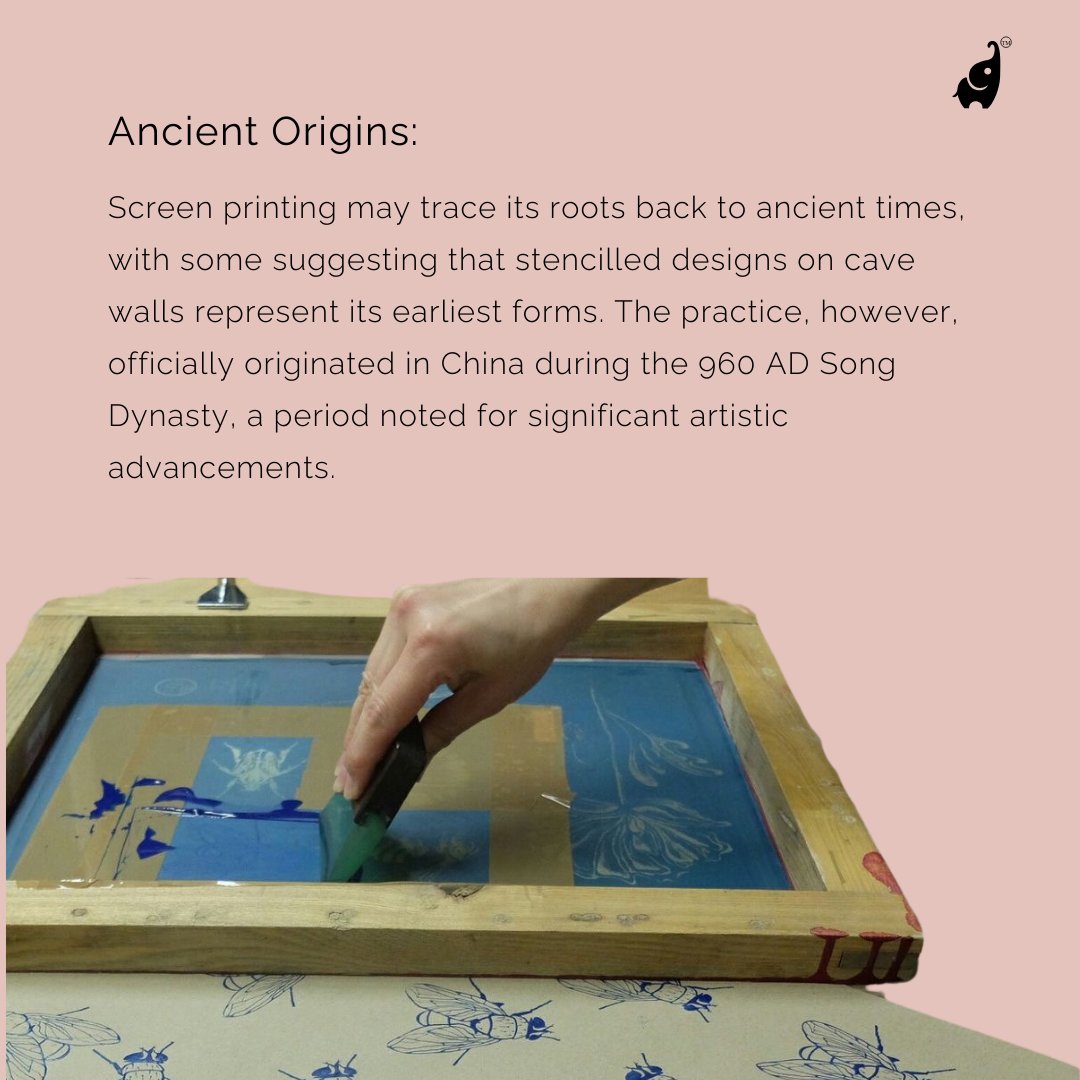
Screen printing on textiles, which some argue has origins as ancient as stencilled cave designs, officially began in China during the Song Dynasty around 960 AD. This period was marked by significant artistic advancements, laying the foundation for modern screen printing.
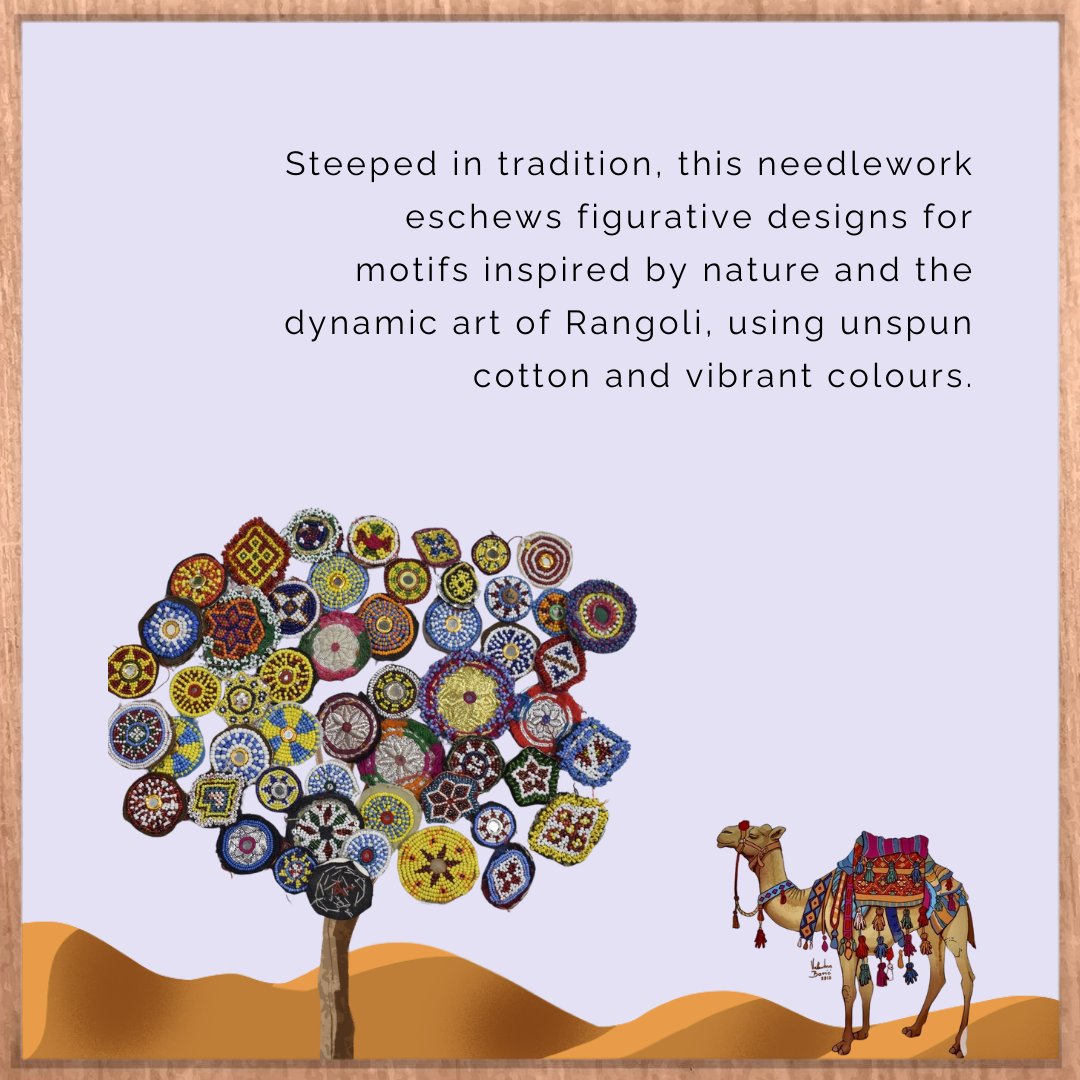
Embroidering tales of tradition and culture, as Hopebow stitches the fabric of curiosity and admiration for Banjara needlework into the hearts of the next generation.
#CraftingCulture#WednesdayWeaves#HopebowKids
Banjara needlework, a vibrant and intricate embroidery tradition from India's nomadic Banjara community, showcases rich patterns and vivid colours that tell tales of cultural heritage.
#WednesdayWeaves#IndianCraft#TextileArt