Founded by Aliza Heching, former CFO of Compassionate Care Hospice. Empowering hospice workers. Strengthening hospice agencies. We are the keys to your success!
AI sees data. Nurses see people.
As AI enters healthcare, how do we ensure technology strengthens - not replaces - compassionate care?
What do you think?
Every person has a story worth remembering. In hospice care, we’re reminded that dignity, humanity, connection, and legacy matter just as much as medical care. Every life leaves an impact. Every voice deserves to be heard. 💛
As AI adoption grows across healthcare, new research raises important questions about patient safety, ethics, nursing practice, and the future of human-centered care. For hospice and palliative care providers, the challenge is clear: use AI to support clinicians, not to replace the compassion patients and families deserve.
Read more: https://t.co/BZVoQD9E2O
Very wise advise in this article: "You might be determined to be both her nurse and her adult child, but it is very hard to manage both roles simultaneously"
End-of-Life #Caregiving is About Being Rather Than Doing: When time is short, presence matters all the more. #Caregivers should ensure the right #caregiving is provided and then focus on the last conversations and physical closeness they will cherish
https://t.co/j2YJRUYYki
Many countries have redesigned healthcare around aging populations, chronic disease management, and home-based care. In contrast, the U.S. remains largely focused on acute care and hospitals. What are the implications if we don't adapt? This article is a thought-provoking look at whether non-acute care could become healthcare's future front door. https://t.co/M6lfXVnFTc
We often assume social problems need technological solutions. But some of the strongest responses to loneliness are still just people showing up for other people. No VC. No platform. No optimization. Just human effort. That may be harder to measure but not less important. https://t.co/6gtgAjslLH
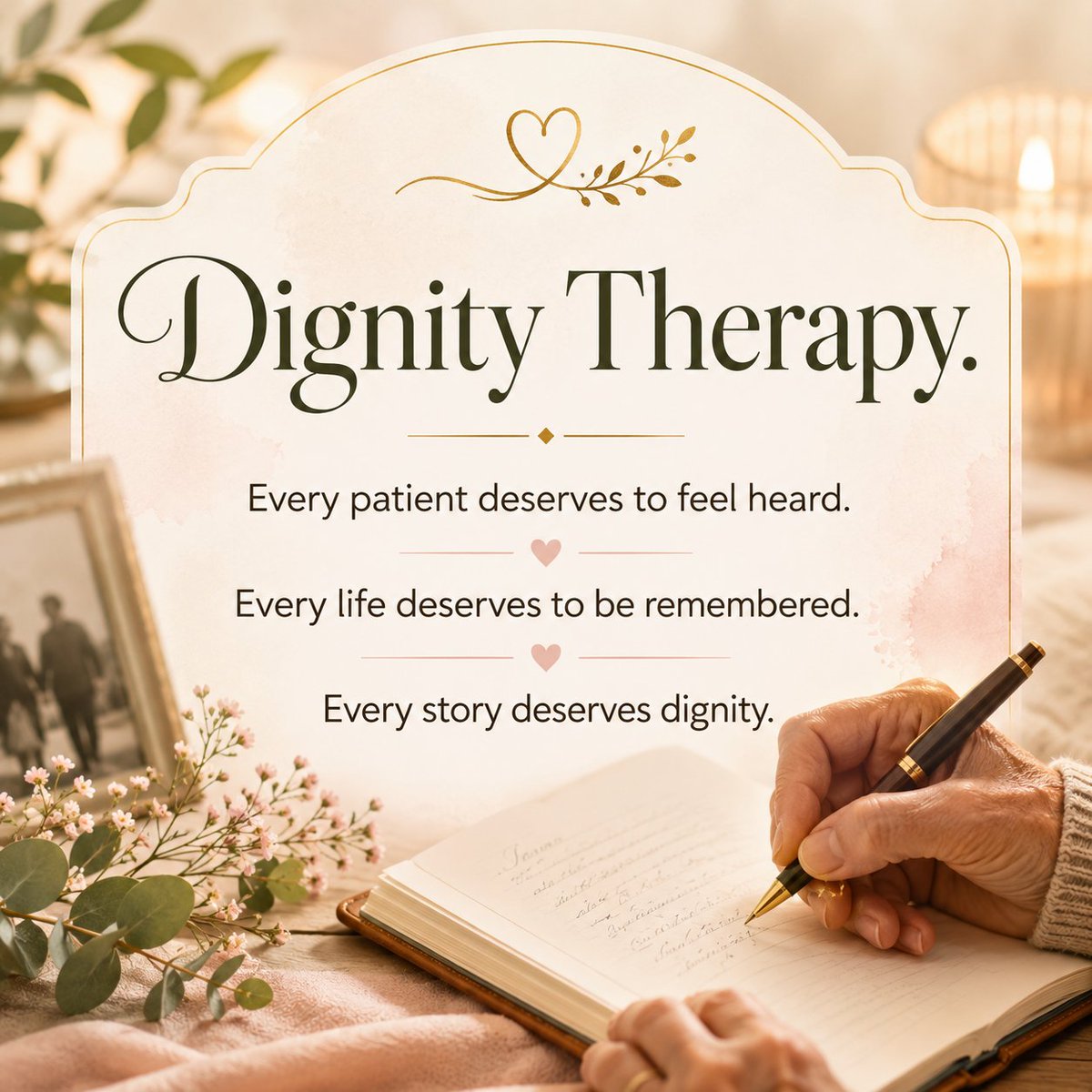
Dignity Therapy helps patients facing serious illness preserve their stories, values, and legacy for loved ones. End-of-life care is about more than symptoms. It’s about dignity, meaning, and human connection.
https://t.co/SkQRVzmktp
This article highlights clinician grief in hospice care but this emotional burden exists across all healthcare. Many clinicians carry the weight of difficult patient outcomes, patient deaths, notifying families, and wondering if more could have been done. How are we addressing clinician grief? https://t.co/G5R3viGrwv
Community trust is built through compassion, consistency, and mission-driven care. For hospice organizations, trust means becoming a dependable presence for patients, families, staff, volunteers, and the broader community. Mission-driven care matters.
AI in healthcare is saving lives, but what happens when an AI medical device fails on a real-world patient because their medical images don't match the AI's training set? This problem is known as "generalization uncertainty," and it's a critical patient safety risk. This paper proposes Digital Similarity Analysis (DSA) - a voluntary tool that compares patient images to training data before the AI is used, improving patient safety without costly regulations. https://t.co/ABqfNwSf6y
Compliance cannot depend on “hope.” Hospice organizations need compliance built directly into clinical workflows. Compliance cannot just appear as annual training sessions. Systems, processes, and operational design matter. Great article on the growing stakes of hospice compliance: https://t.co/yliyLi44Tm
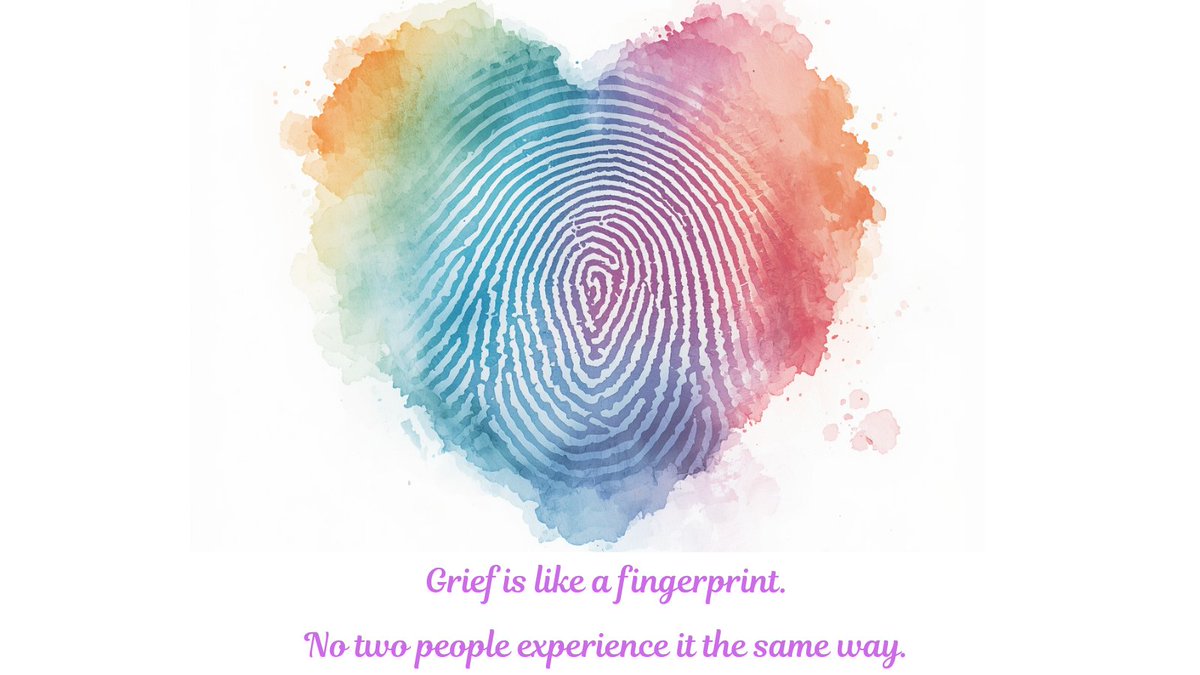
Grief does not look the same for everyone.
Sometimes it is silence, memory, laughter, routine, or learning how to carry love in a new way.
Every grief story is different…
because every love story is different.
Healthcare is becoming a logistics challenge as much as a clinical one. Interesting concept in this article: “economies of skill.” As value-based care grows, healthcare systems will need to balance access, staffing, coordination, and technology without losing the human side of care. High tech should support high touch. https://t.co/QTHmZOLybL
When families finally turn to hospice, the need is often urgent. Patients may be in severe discomfort and curative care may no longer be an option. Hospice agencies must respond quickly but also meet staffing, clinical, and regulatory demands. The answer isn’t just speeding up the existing process. It’s better admissions design. https://t.co/DN9KghPRaf
The hospice industry has worked hard to expand education and access for hospice-eligible beneficiaries.
This article highlighted a new challenge: negative sentiment around DEI may affect hospice enrollment, education, and broader access across communities.
Hospice access is patient access. https://t.co/EgFmQwKHiK
Much of the conversation about death focuses on funerals and burial options. Far less attention is given to the experience of dying itself. Hospice and palliative care help patients and families navigate the physical, emotional, and practical realities of serious illness - long before the funeral planning begins. Read more: https://t.co/3gn9fIbsRk
The work of a caregiver often happens quietly, but its impact is felt deeply. Thank you for the comfort, dignity, and support you provide each day. Remember to take time to rest and recharge—your well-being is an essential part of the care you give. #Caregivers#Caregiving