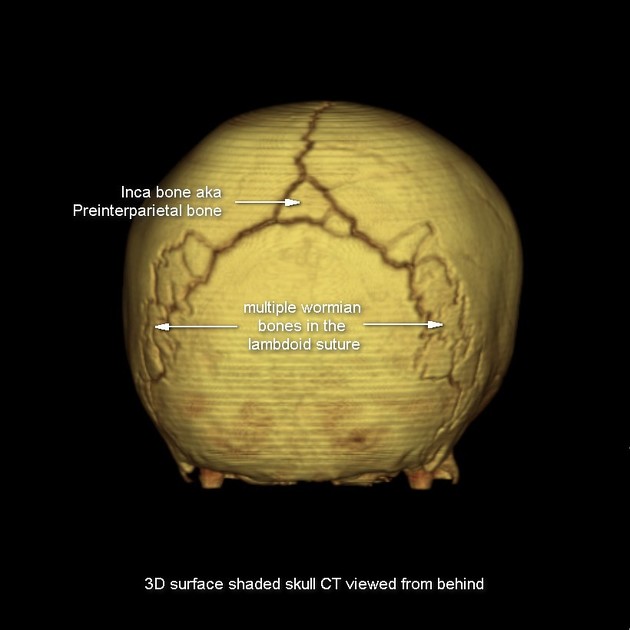
An Inca bone, also known as an interparietal bone, is a rare anatomical variant, specifically an accessory skull bone located at the back of the head, where the top of the occipital bone fails to fuse during development.
Named for its high prevalence in ancient Peruvian Inca skulls, it is a normal, harmless variant often used in forensic anthropology for population identification.
https://t.co/MxNGK4YP1x
Journalist @rosscoulthart believes the Nazca mummies are authentic, based on his investigation in Peru. Lets see if @NewsNation will bring on more experts to investigate the case on their station 📺
Jorge Flores, lawyer representing University of Ica, explains the Ministry of Culture will have to conduct an examination on the small 60 cm specimens for national heritage registration 🇵🇪
Professor Masters asserting the small nazca mummies are definitely fake, stating it as 'obvious'. Conflating the constructed ones created for tourists with the authentic bodies. He has not requested access to the DICOM medical files to make such claims.
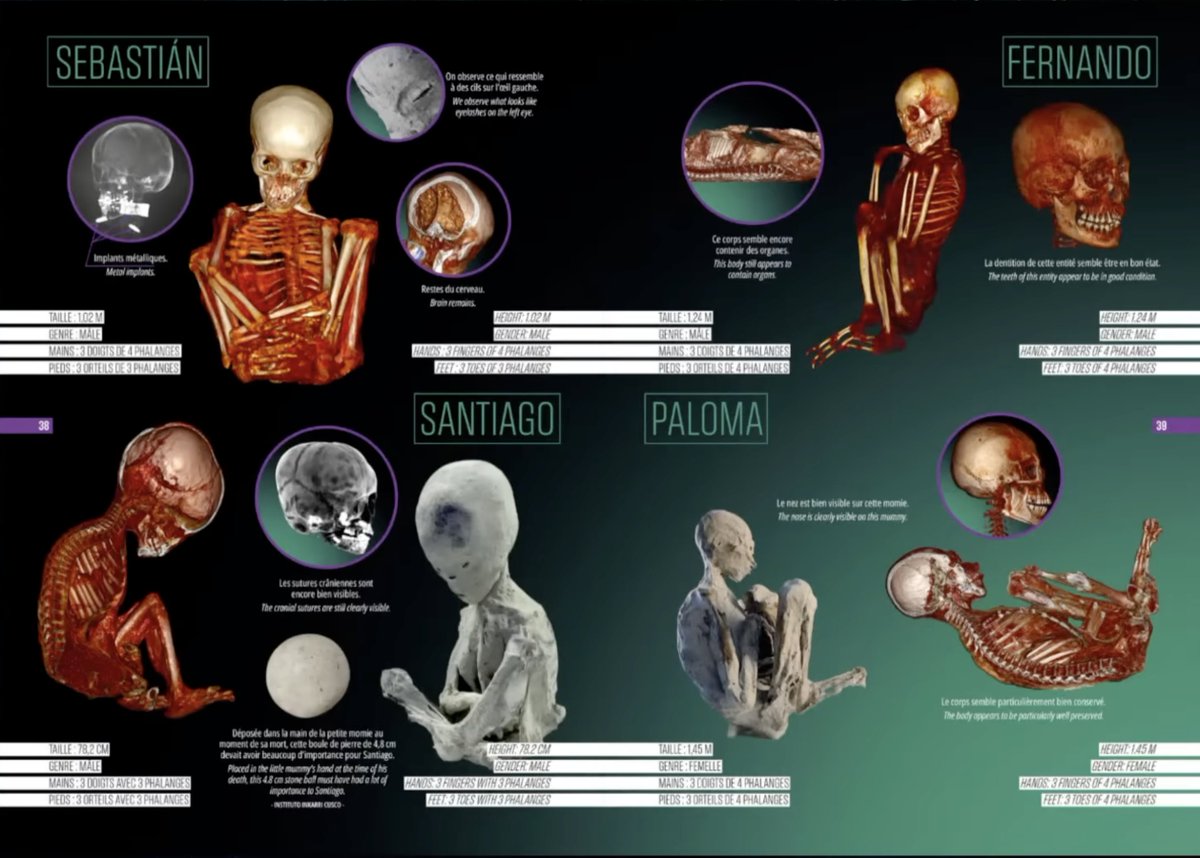
DNA and chemical analysis contradict his assertion, proving the small specimens are not assembled from human and animal bones.
Andean burial traditions prioritize the preservation of the dead through mummification and fetal-position wrapping in textile bundles with offerings ⚰️
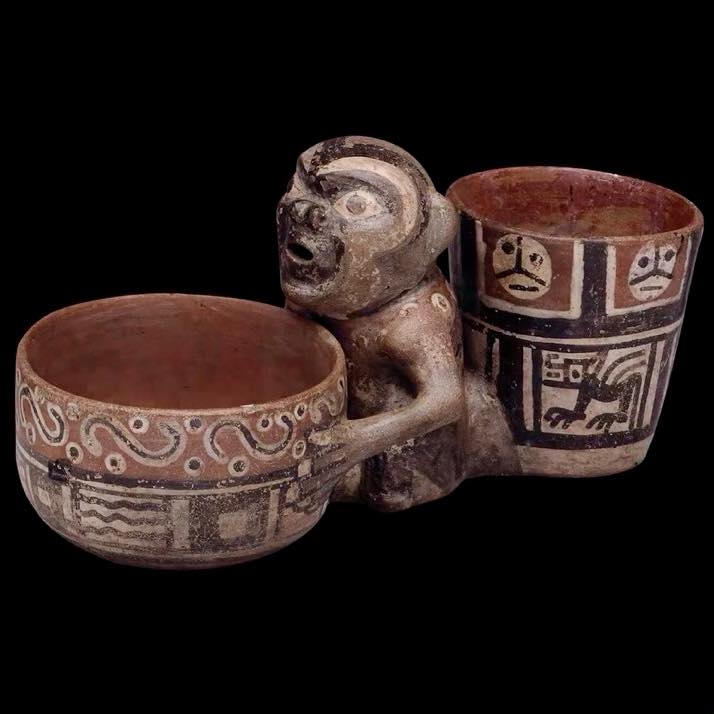
Wari (Huari) Culture, Peru (c. 500–1000 CE) vessel with a depiction of a quadrupedal tridactyl being reminiscent of the Cauda bifurca lacerta nascensis specimen named P'isaqa Q'ara #art
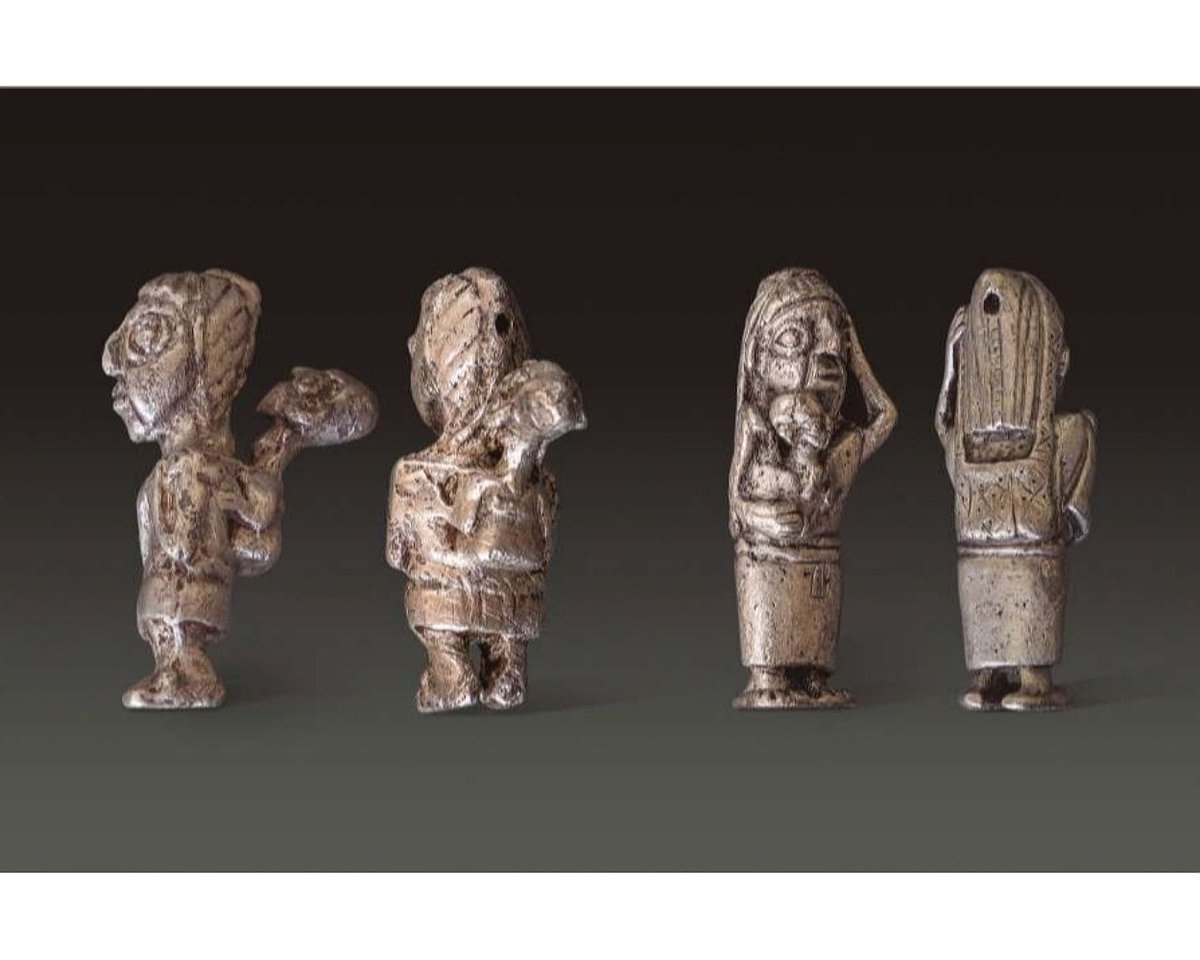
Figurinas realizadas en plata, representan mujeres que en sus espaldas cargan, a través de un manto o manta, bebés.
Período Inka.
Museo Nacional de Arqueología, Antropología e Historia del Perú Arqueología Peruana.
Alejandro A Mendoza