STATEMENT: ODI (which leads HPG) will suspend all activity on X from today, in light of the substantial rise in hate speech, mis- and disinformation on the platform. We encourage our followers to join us on other platforms.
Read more about our decision: https://t.co/HWr5S1Qodk
STATEMENT: ODI will suspend all activity on X from today, in light of the substantial rise in hate speech, mis- and disinformation on the platform.
We encourage our followers to join us on alternative platforms.
Read more about our decision ⬇️
https://t.co/XJuhfjD2jI
🌎 How have European and other leaders across the world "managed" migration? In particular, how do they view the relationship between migration and development?
These questions & more are addressed in the latest virtual edition of ODI's #DevPolicyRev → https://t.co/CFEAwnKxVu
📣 We're pleased to announce that our report on the chronic shortage of funding available to refugee-led organisations (#RLOs) is now available in Arabic, French and Spanish. Read on ⤵️ https://t.co/C9pU55o1PV
🚨 NEW REPORT: Reducing violence and strengthening the protection of civilians through community dialogue with armed actors.
How do communities directly and indirectly engage with armed actors and what are the opportunities, challenges & risks? Read on: https://t.co/RQq3QVsa7P
We're #hiring! Our Communications & Events Officer will increase the impact of HPG's humanitarian and conflict research and policy engagement through the delivery of communications activities, including events. Apply now if that sound like the job for you: https://t.co/3VALOtzcim
@ZainabMoallin This is the final in a trilogy of think pieces that launch our work on state-led crisis response. Catch up on the first 2 if you haven’t yet read them...
Are humanitarian orgs anti-state? 5 reasons we’re researching the state–humanitarian dynamic: https://t.co/arXBlD5nSZ (2/3)
JUST PUBLISHED: A new piece from HPG's @ZainabMoallin explores the often controversial relationships between the state, civil society and #humanitarian actors, and how they shape responses to crises. Read on: https://t.co/xYkYbGnjBj (1/3)
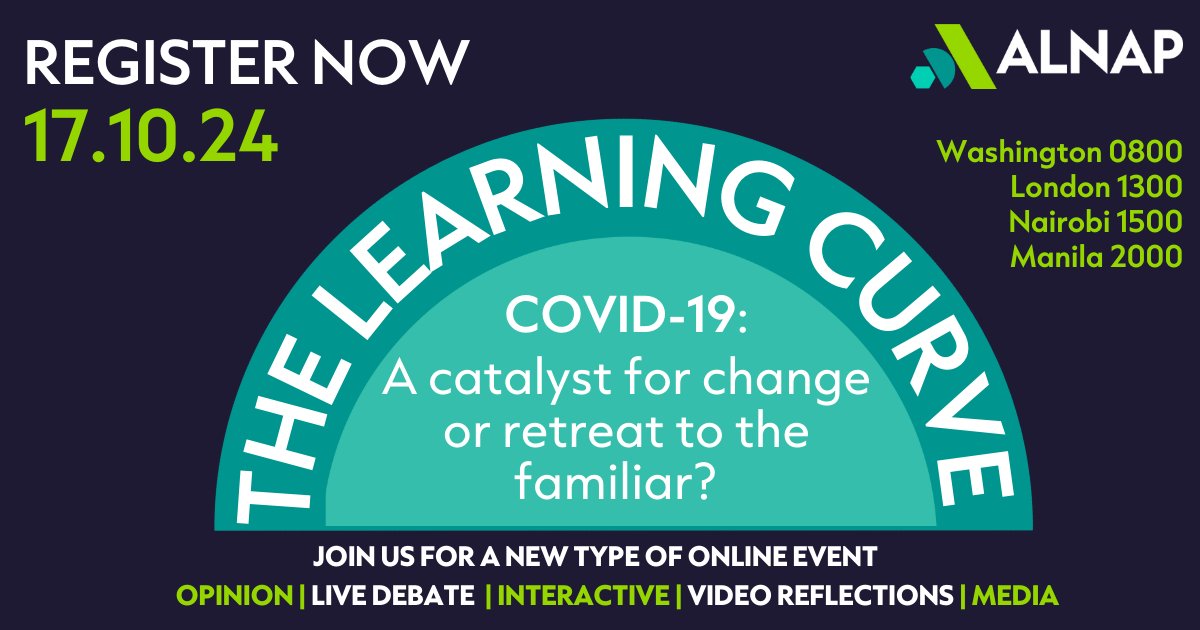
🗺️The world faced an unprecedented challenge with #COVID-19. What have we learned, and how can we prepare for the future?
Join our #TheLearningCurve event!
🗓️Thu, 17 Oct
🕑1300 (London)
Sign up here ➡️ https://t.co/yhgX5gaOVr
#withlearningcomeschange#unlocklearning
@VeroBarbelet @LeighMayhewodi 5. Donors can help shift practice by incentivising approaches to protection that seek to reduce violence at their core.
🔗 Read the report in full now: https://t.co/fTOMw9YJwi (5/5)
🆕 We've just published the findings of a two-year research project on reducing violence and strengthening the protection of civilians through community dialogue with armed actors. Read now: https://t.co/fTOMw9YJwi (🧵1/5)
@VeroBarbelet @LeighMayhewodi 4. Humanitarian actors cannot reduce violence and strengthen then protection of civilians alone. Greater complementarity across humanitarian-protection-peacebuilding actors is required to effectively reduce violence. (4/5)
We're #hiring! Our Communications & Events Officer will increase the impact of HPG's humanitarian and conflict research and policy engagement through the delivery of communications activities, including events. Apply now if that sound like the job for you: https://t.co/3VALOtzcim
"In this much water, no one could possibly stay at home."
Pradipto Vaskar Rakshit of @OxfaminBD shares his experiences and insights after visiting two of the worst-hit districts of the recent Eastern Flood in Bangladesh 🇧🇩⤵️ https://t.co/4N1Cr5Mwmw
HPG is #HiringNow for a Communications and Events Officer! We're looking for someone who:
✅is passionate about impactful communications
✅enjoys planning and delivering in-person and online events
✅has an interest in humanitarian issues.
Apply now → https://t.co/3VALOtyEsO
This is the second in a trilogy of think pieces that launch our work on state-led crisis response. Catch up on the first one if you haven’t yet read it ⤵️ https://t.co/F6RtHJbjqf
⛑️ The strain on the global humanitarian system (namely the UN and INGOs) is swelling, while many states (both recognised or otherwise) are increasingly acting more assertively in responding to crises, write HPG's @J0hn_Bryant & @AlexandraSpen25. Read on: https://t.co/F3KqmfvWL2