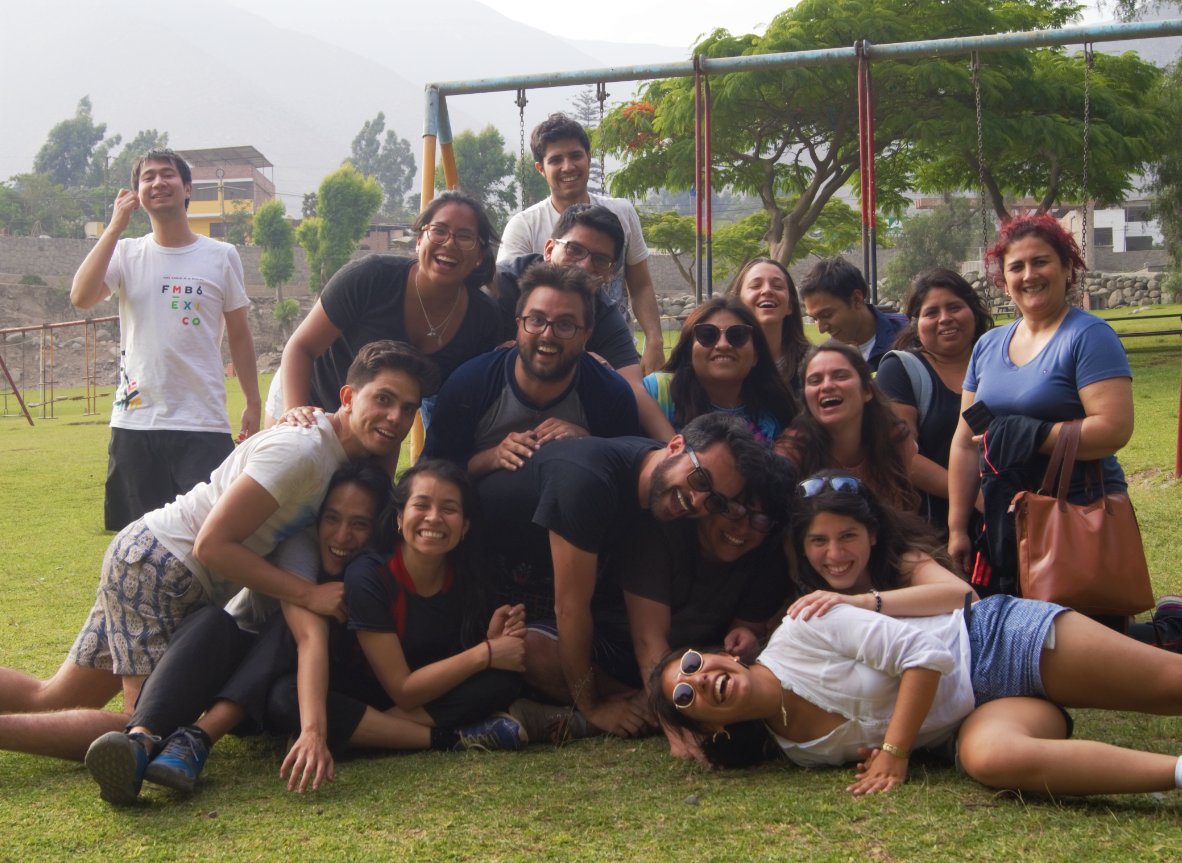
Hoy fui el último día trabajando en @poverty_action. Tremenda aventura: aprendí como nunca, conocí a gente maravillosa y viajé un montón. Me gané la lotería.
Sin duda, esta es la mejor escuela para aprender sobre política pública basada en evidencia.
El año pasado me tocó coordinar el proyecto de investigación del @HarvardGrwthLab en Hermosillo en colaboración con @hmocomovamos y dirigido por @ricardo_hausman. Va hilo resumen (largo) del proyecto, reflexiones y algunos updates. Más info acá: https://t.co/Oljhr4icVP
Escribí sobre organismos autónomos, democracia y corrupción en @revistacomun.
En esta primera parte, vinculo las ideas que dieron origen a estas instituciones con una tesis antigua: la de la corrupción como degradación democrática.
¡Estamos de regreso!
https://t.co/5qpWX9KoSQ
No sé si tiene mucho sentido seguir hablando sobre el 2 de junio, pero sí es impresionante qué rápido se olvidan ciertas cosas y cómo hay tanta gente que (acaso sin darse cuenta) repite afirmaciones propagandísticas con suma facilidad. Me explico: 1/
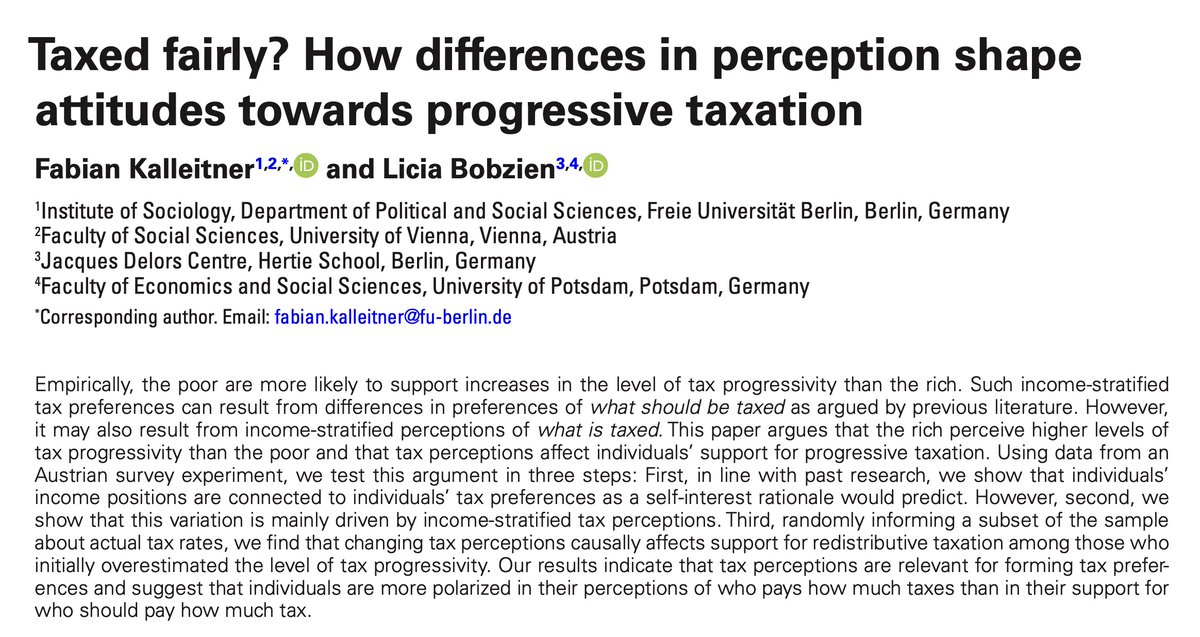
Do you feel taxed fairly? @fabian_kalf & I find: the rich overestimate their tax contributions relative to the poor & vice versa; once the rich learn that the poor pay more tax than they thought, they increase their willingness to pay tax. @DelorsBerlin
https://t.co/n06QkAmyGR
The adoption of cellphones by Keralan fishermen is, I believe, the most stunning example of the contribution of information technology to market performance.
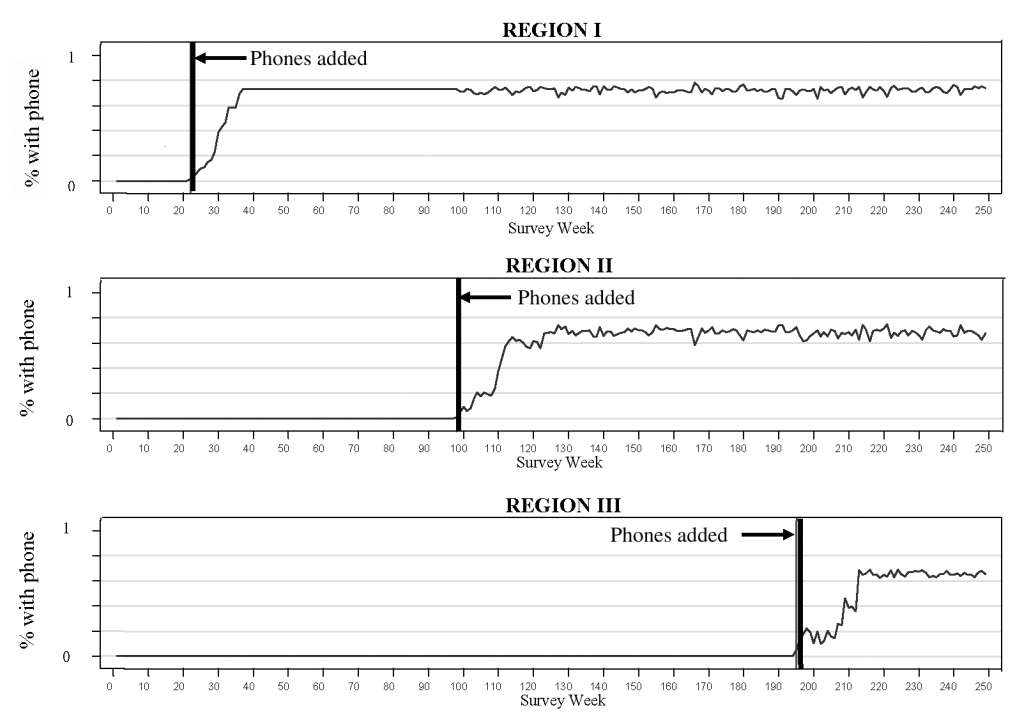
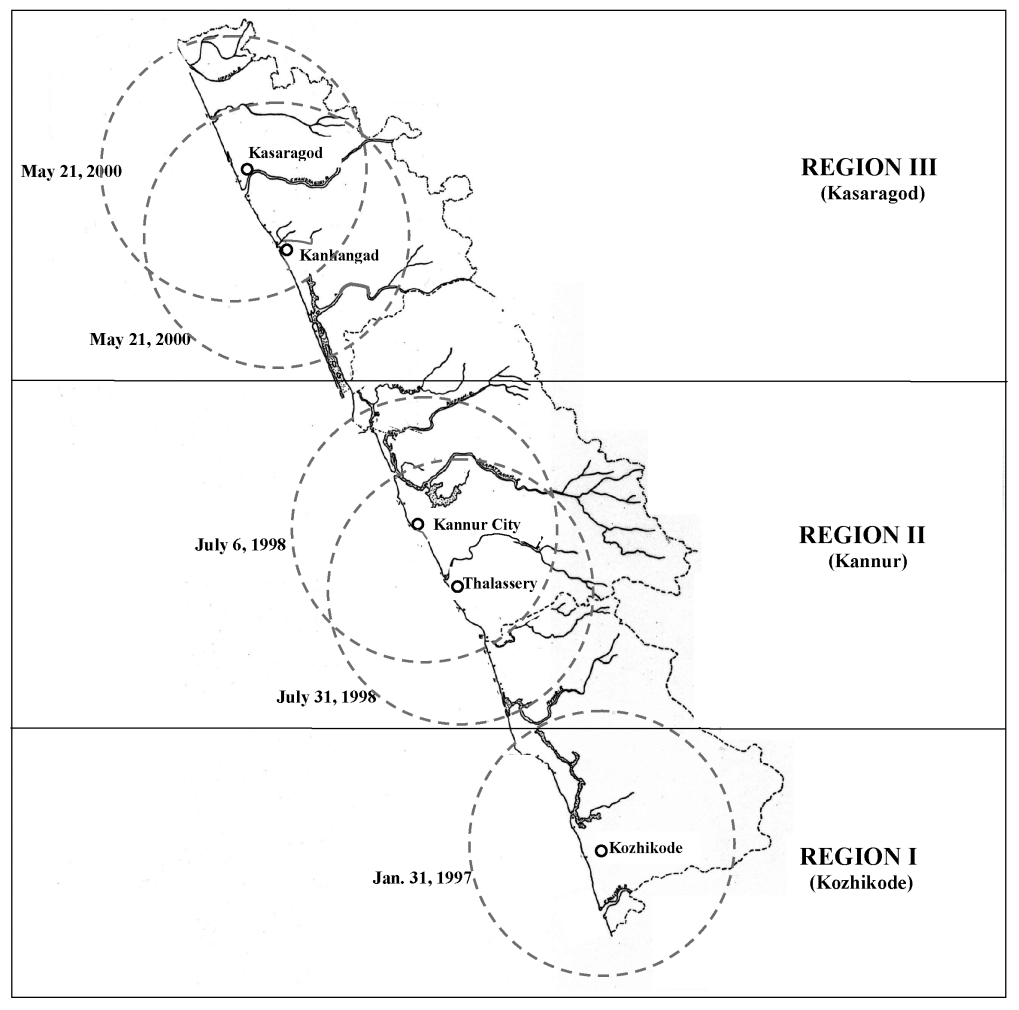
Take a look at this graph for background: in three different regions of Kerala, phones were adopted at different times.
Kozhikode got cellphones before Kannur, who got them before Kasaragod. Adoption by fishermen was fast when phones were finally introduced:
Now look at what happened to the price of fish after phones entered the scene:
The dispersion in prices virtually disappeared! The author of the study wrote about this that:
"Before any region had mobile phones, the degree of price dispersion across markets within a region on any given day is high, and there are many cases where the price is zero (i.e., waste). However, within a few weeks of mobile phones being introduced in Region I, there is a sharp and striking reduction in price dispersion. Prices across markets in the region rarely differ by more than a few rupees per kilogram on any day, compared to cases of as much as 10 Rs/kg prior to the introduction of mobile phones. In addition, the prices in the various markets rise and fall together and the week-to-week variability within each market is much smaller, since catchment zone-specific quantity shocks are now spread across markets via arbitrage. Further, there are no cases of waste in this region after phones are introduced.
"By contrast, price behavior in regions II and III appears largely unchanged after phones are introduced in region I. However, after mobile phones are introduced in region II, prices again become much less dispersed across markets on any given day, less variable within markets over time, and waste is ultimately eliminated, whereas region III again remains unchanged. Finally, the same pattern holds once region III adds phones."
Efficient information transmission enables efficient markets. It's amazing what technology can do.
Read the study here: https://t.co/JcgGQp3G0C
Me preocupa lo delgada que es la línea entre estos casos de éxito y decir que cualquiera lo puede lograr. Pocas cosas me van a alejar tanto de un candidato como el 'echaleganismo'
Mi mamá lavó y planchó ajeno para mantenernos, le ayudé vendiendo gelatinas y pude iniciar una empresa de tecnología que hoy dirige mi hija.
Pero ahora nos quieren hacer creer que eso es imposible y que seguro hay algo sucio en esas historias de movilidad.
Cuéntame tu #HistoriaDeÉXito y al final agrega el párrafo anterior. ☝🏼