Most people today associate Gadwal only with sarees, but it is more than that.
👑 Maharaja Somashekhara defeated the Nizam and 7 Nawabs to secure autonomy.
🛕 Devout patrons of Tirumala, Ahobilam, and Srisailam.
📜 A hub for scholars and arts, earning the title "Vidwad Gadwal".
The Gadwal Samasthanam, founded in 1290 CE and enduring through to 1948 CE, stood as one of the most powerful and storied Telugu warrior-ruled principalities in the Deccan. Descending from the exalted Somavanshi (Lunar) lineage and belonging to the Pakanati Reddy subcaste, the royal house traced its sovereign origins back to the Kakatiya military confederacy under founders such as Pedda Somabhupaludu (Soma Nadha). At its territorial and martial zenith, the Samasthanam presided over the strategic Krishna–Tungabhadra Doab, wielding undisputed sovereign dominion across vast swathes of present-day southern Telangana, western Andhra Pradesh, and eastern Karnataka—commanding key bastions from the royal seat at Gadwal across to Raichur and Siruguppa in the west, and extending south and east through Kurnool, Dhone, Nandyal, and into the sacred ranges of Srisailam and Ahobilam.
The defining zenith of Gadwal’s military prestige occurred during the illustrious reign of Maharaja Somashekara Ananda Bhupala Reddi. Confronted by regional imperial ambitions that sought to subjugate the principality, the Maharaja achieved an astonishing martial triumph by confronting and decisively routing the Grand Alliance assembled by the Second Nizam of Hyderabad alongside seven regional Nawabs (including Kurnool, Adoni, and Cuddapah). This legendary victory forced the Asaf Jahi court to formally acknowledge Gadwal’s unique autonomous suzerainty, granting it exceptional administrative and military independence, sovereign insignia, and minting privileges that cemented the Maharaja's reputation across the Deccan.
Beyond their battlefield supremacy, the Gadwal rulers embodied the finest traditions of regal patronage, statecraft, and sacred architecture. They erected formidable defensive bastions, most notably the colossal, stone-garrisoned Gadwal Fort, while adorning their realm and the wider Deccan with magnificent royal endowments and temple architecture. Their devout patronage extended profoundly to the sacred hill-shrine of Tirumala—conferring illustrious imperial gifts, enduring ritual endowments, and the famed ceremonial offering of the ornate Gadwal cotton-and-silk vastrams (turban cloths) to Lord Venkateswara—alongside magnificent structural enhancements at the Sri Chennakesava Swamy Temple, Ahobilam, and Srisailam. Renowned across the subcontinent as Vidvadgadwala (the bastion of learned scholars and royal arts), the Samasthanam stood as a glorious seat of royal dignity, scholastic brilliance, and unyielding martial heritage in medieval and early modern Deccan history.
out of 119 telangana mlas.
reddys alone account for 42/119 mlas, 35.3%.
that is more than twice the number of telugu sc mlas, more than twice the telugu bc mlas, and 6 times the adivasi/st representation.
2 north indian-origin mlas & 5 banjara mlas.
only 2 andhra-origin mlas
@karnataAjeyam@KNayakas@MallikarjunaNH Also, they were the ones who were patronizing local language, religion and culture openly within their respective samsthanams even during Muslim rule.
Telangana villages lo Reddys ni respect ga "Patela/ Patel" ani pilustharu. Reddys usually perulo pettukoru, they only keep Reddy, but later BC Munnuru Kapus started using Patel as a surname for social mobility.
King Kumaragiri Reddy's eastern campaign (1386–1402) marked the greatest military expansion of the Reddi kingdom, heavily driven by his prime minister & supreme commander, Kataya Vema Reddy. Kataya Vema Reddy led forces deep into Odisha, Bengal, and Jharkhand.
#andhra#telangana
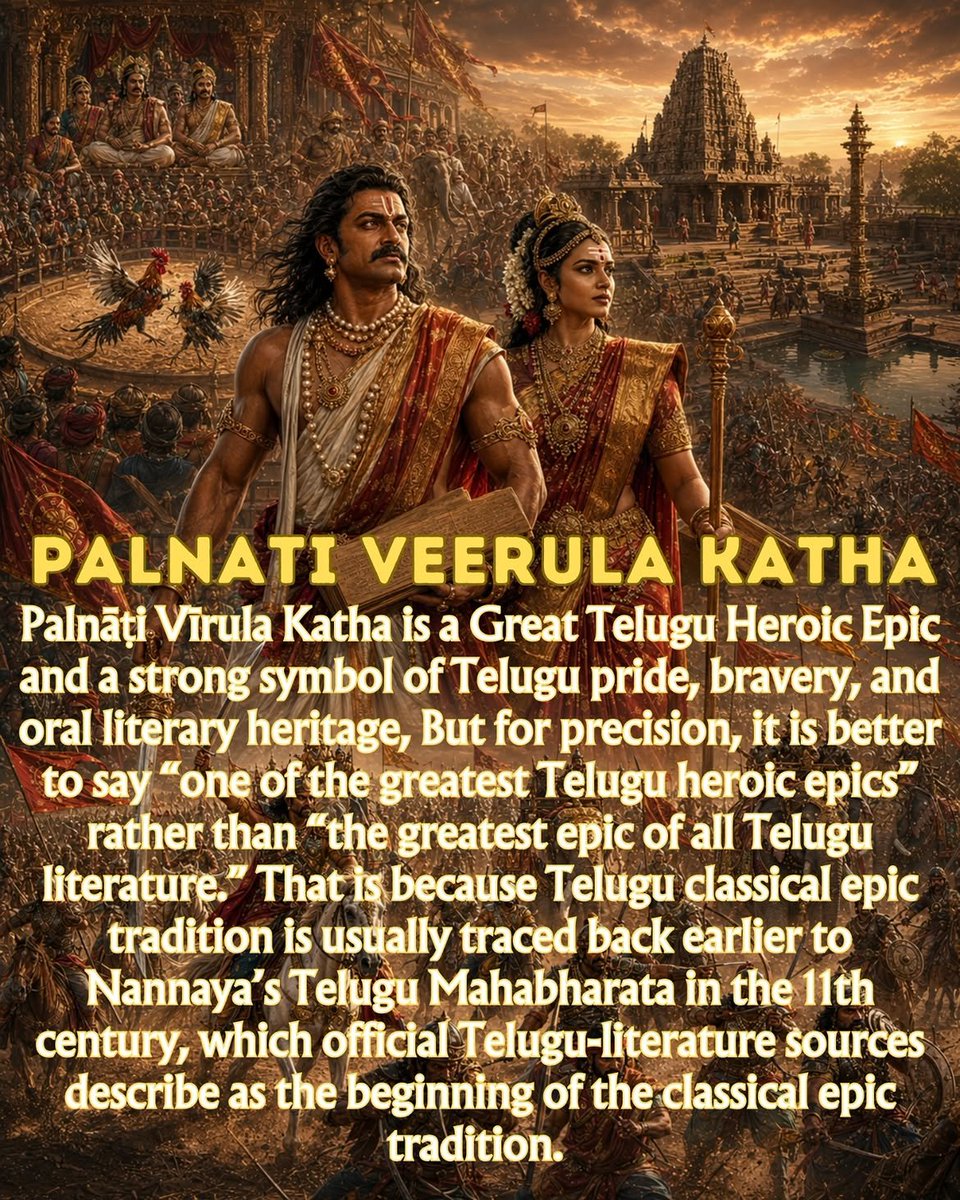
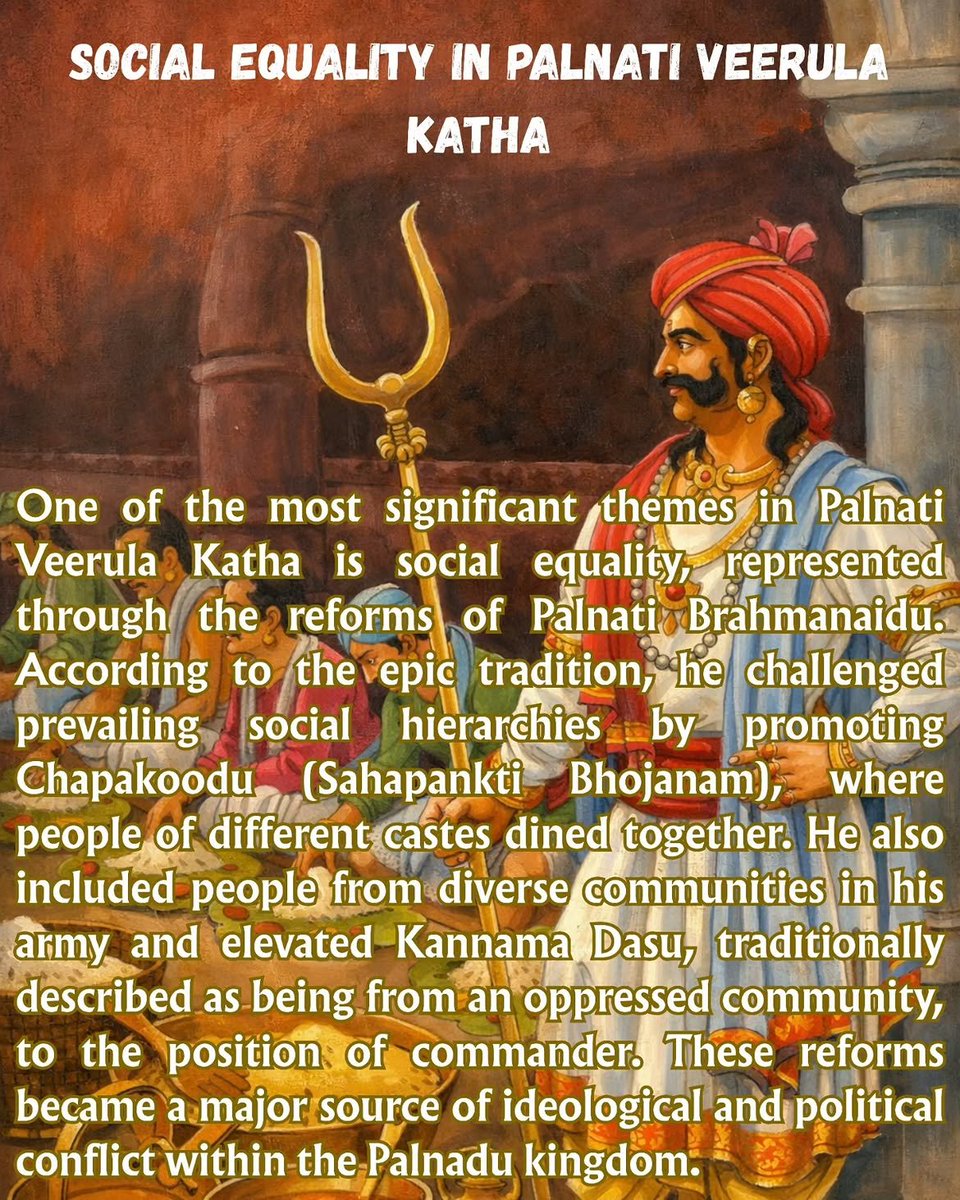
Srinatha, the Kavi Sarvabhauma, served as the court poet & education minister in the Reddy Kingdom. He authored Palnati Veerula Charitra, a legendary Telugu heroic ballad written in Dwipada metre celebrating regional history.
#palnadu#andhra#telangana#teluguhistory#telugu
Chrisitan converts in telugu land by communitites:
SC/ST > Kapus > Kammas > OBCs > Reddys
The vast majority of Christian converts in the Telugu states are concentrated in the Krishna-Godavari Delta and the coastal belt, not in Rayalaseema or Telangana. Since the native region and primary population base of Reddys is located in Telangana and Rayalaseema, these regions are actually among the least converted zones in both states.
Except the YS family, you rarely ever see mainstream Reddy Christians. The narrative that Reddys are converting en masse is largely political propaganda, pushed by opposition cadres and rival groups out of targeted political bias against the community.
When you look at actual regional demographics and ground realities, the community breakdown of Christian converts in the Telugu states naturally sits at:
SC/ST > Kapus > Kammas > OBCs > Reddys