From media reports that prompt action to our efforts in capacity building and support for journalists, the first half of 2026 gave us insights into how lives can be transformed when we move from conflict to care.
Here is our impact roundup: https://t.co/kmlZIVQGhw
Daniel Ojukwu, a journalist with the Foundation for Investigative Journalism (FIJ), was remanded at the Kuje prison yesterday. This came three years after his investigation, which highlighted financial irregularities by an aide to the President.
#FreeDanielOjukwu
https://t.co/V24Jvs4QHG
Mental health at work is not simply an individual concern. The World Health Organization (WHO) and International Labour Organization (ILO) identify excessive workloads, long hours, low job control, and inadequate support among workplace risks that can undermine mental health.
In Nigeria, existing policy frameworks provide a foundation that could translate these recommendations into better protections for digital workers.
Find out more about these policies: https://t.co/HdM4GMEU0s
Protecting digital workers is critical to building a responsible digital economy, emphasizing the need for enforceable protections and collaboration.
Collaborative efforts between government, employers, mental health professionals, and civil society are essential for developing better protections, policies, and care systems.
https://t.co/HdM4GMEU0s
From technology companies to donors and the Government, everyone has a role to play in ensuring the mental safety of content moderators and digital workers.
Our latest policy brief gives recommendations on what can be done and by whom.
https://t.co/L2OAFScl8p
Did you know that a recent study of 134 content moderators across 12 African countries found that more than half experienced moderate to severe psychological distress?
Some reported that these effects continued even after leaving the job.
This is one of the critical concerns highlighted in our policy brief here: https://t.co/HdM4GMEU0s
Every time we scroll past harmful content, interact with an AI tool or use a digital platform, there may be someone behind the scenes doing the difficult work of keeping that space functional.
Our latest policy brief explores the importance of protecting mental health, human dignity and the rights of Nigeria’s digital workforce.
Read the policy brief: https://t.co/HdM4GMEU0s
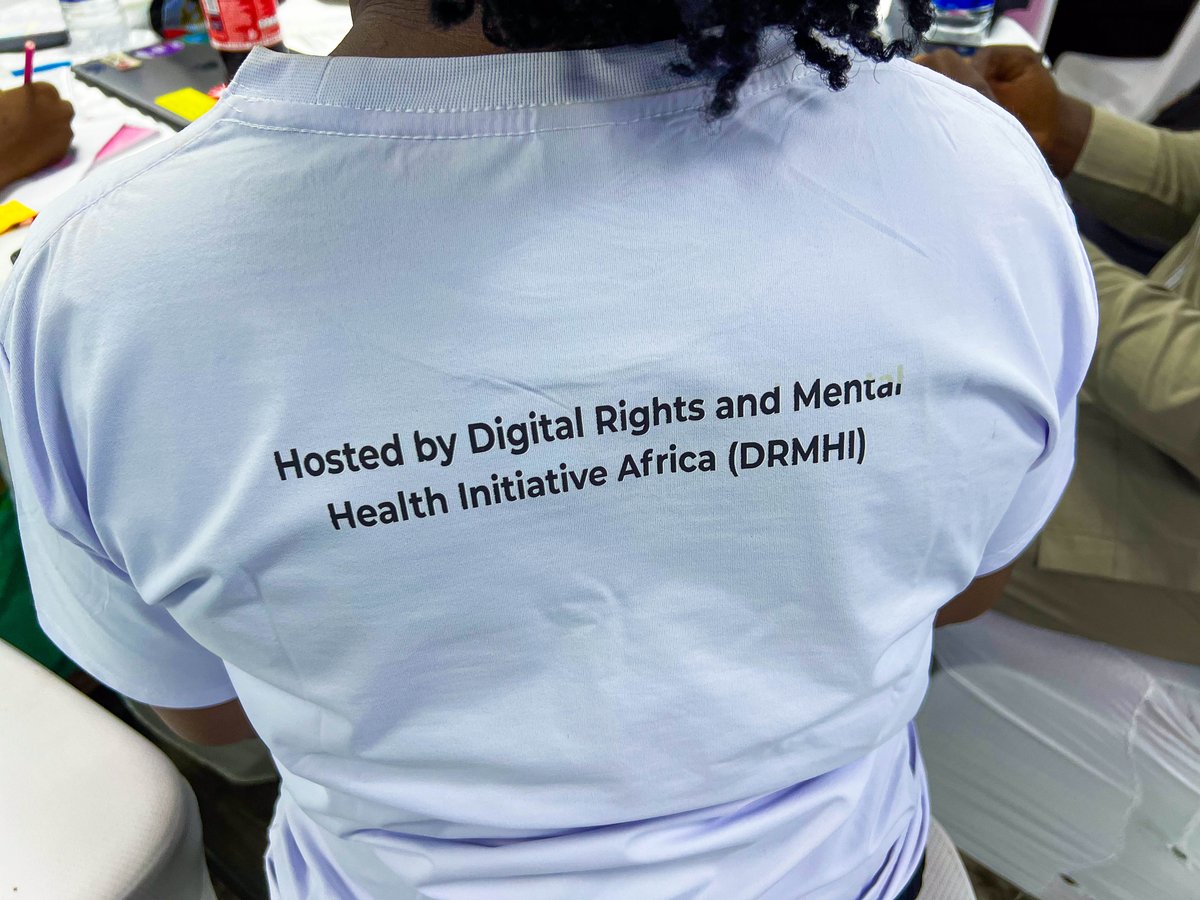
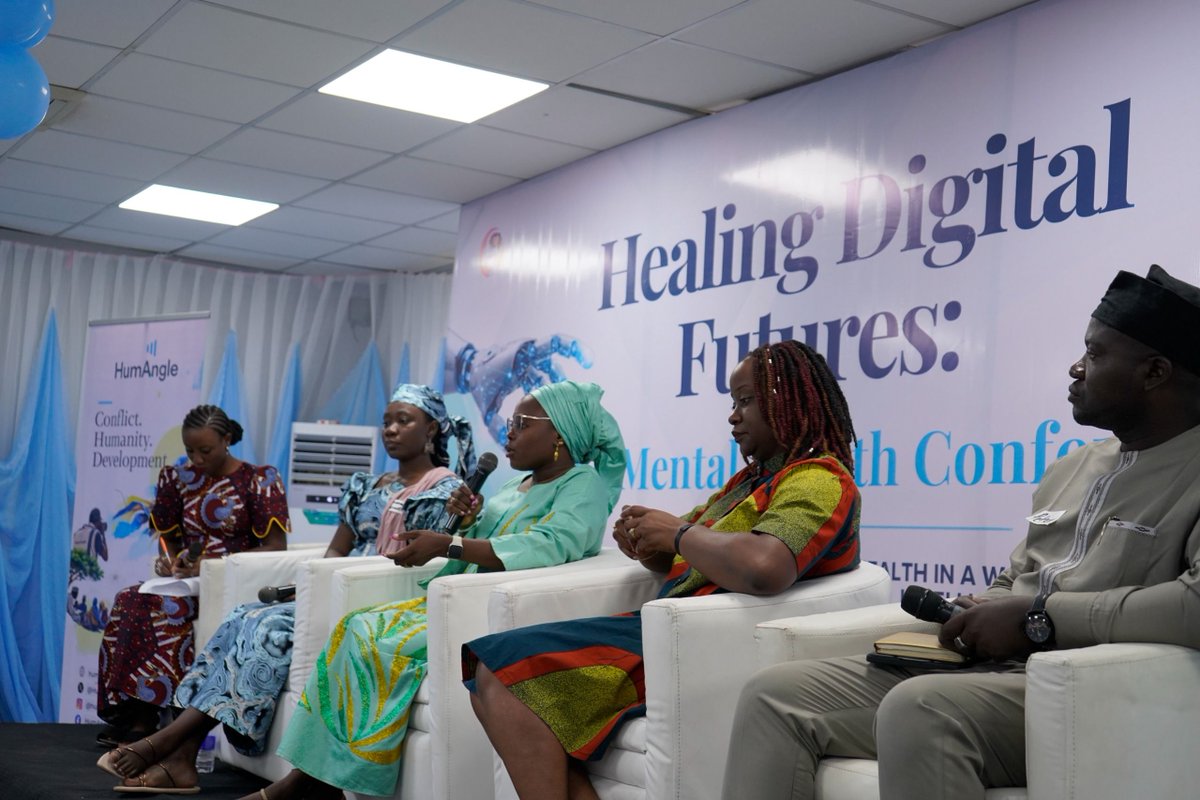
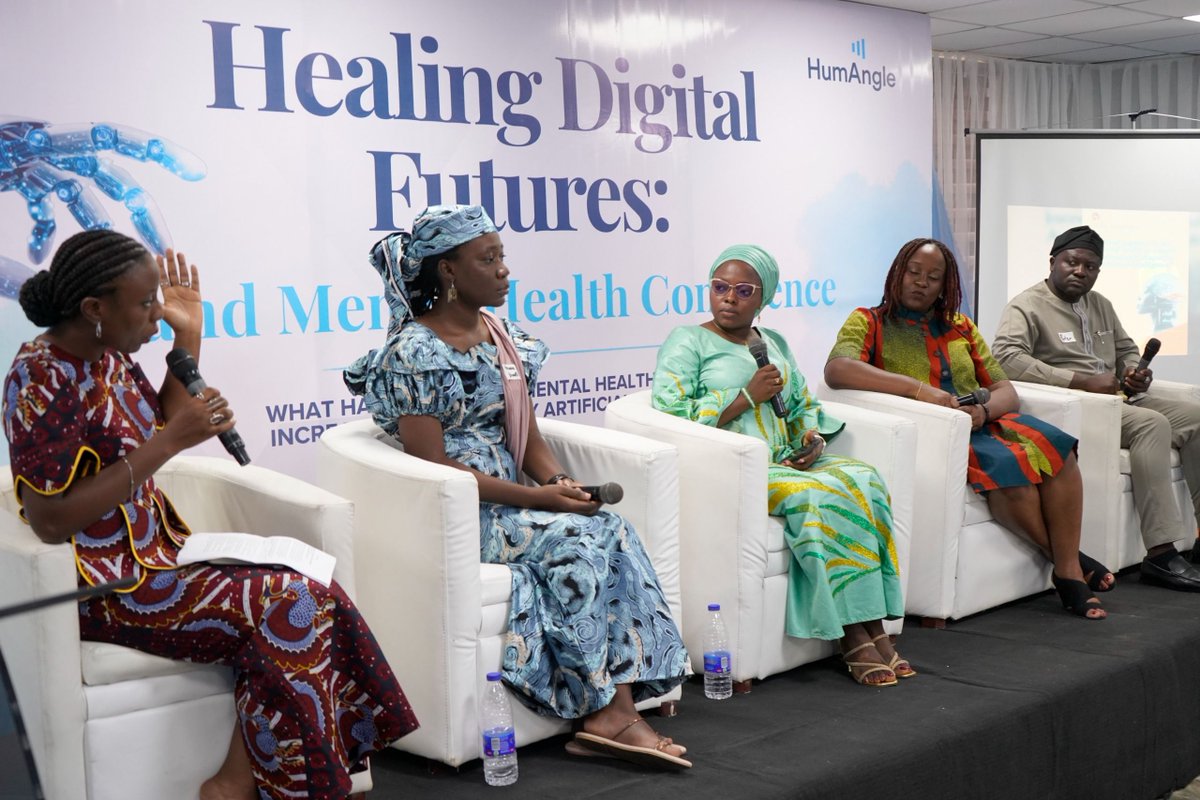
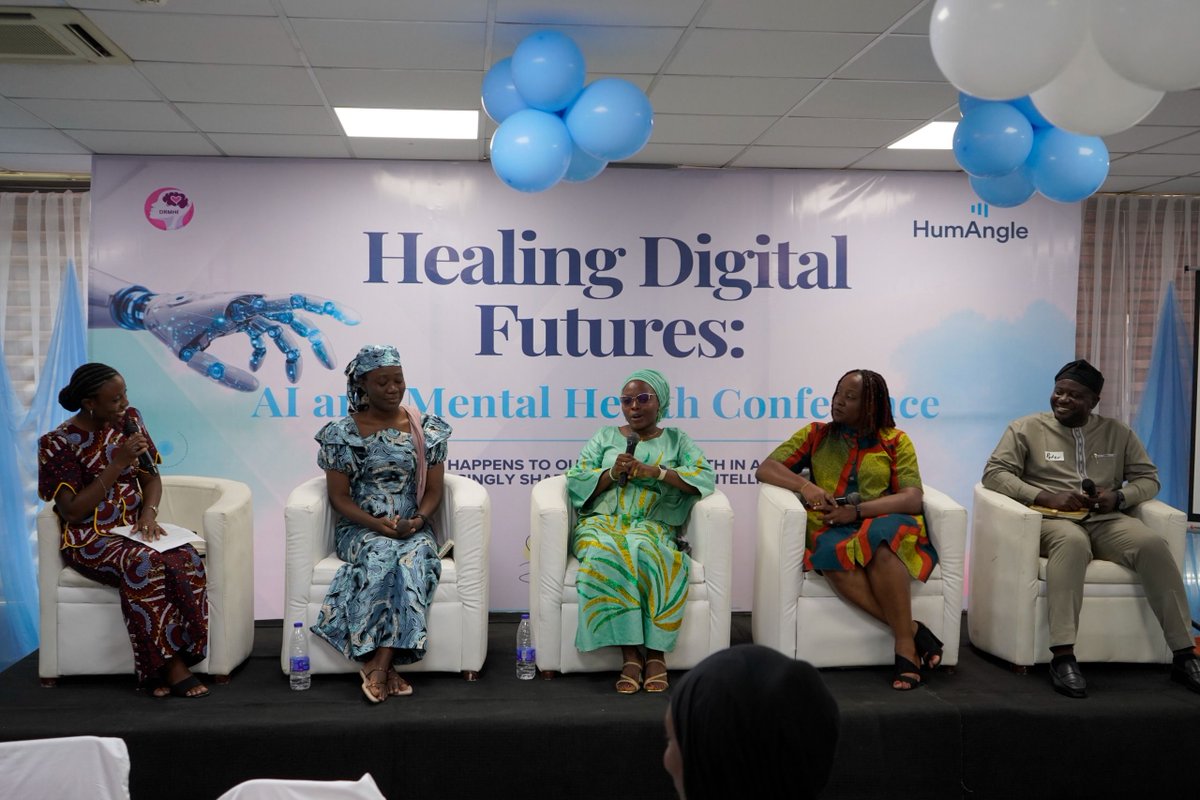
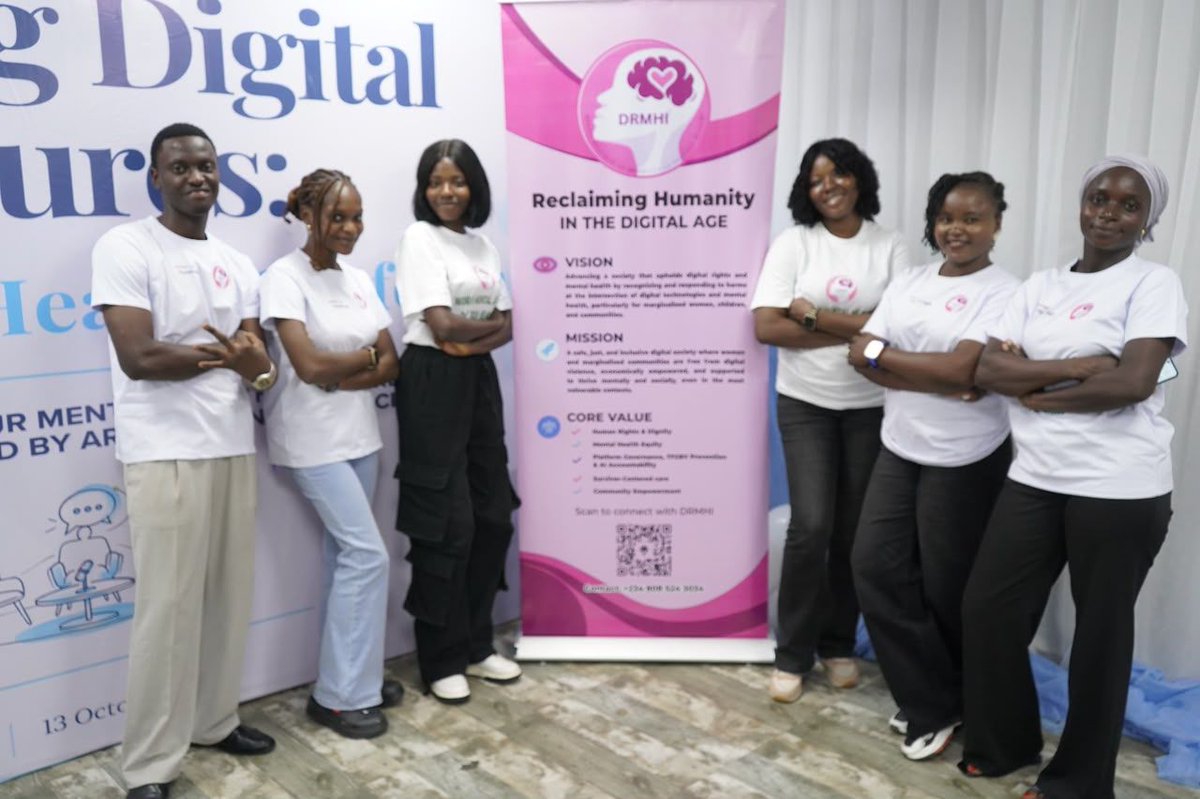
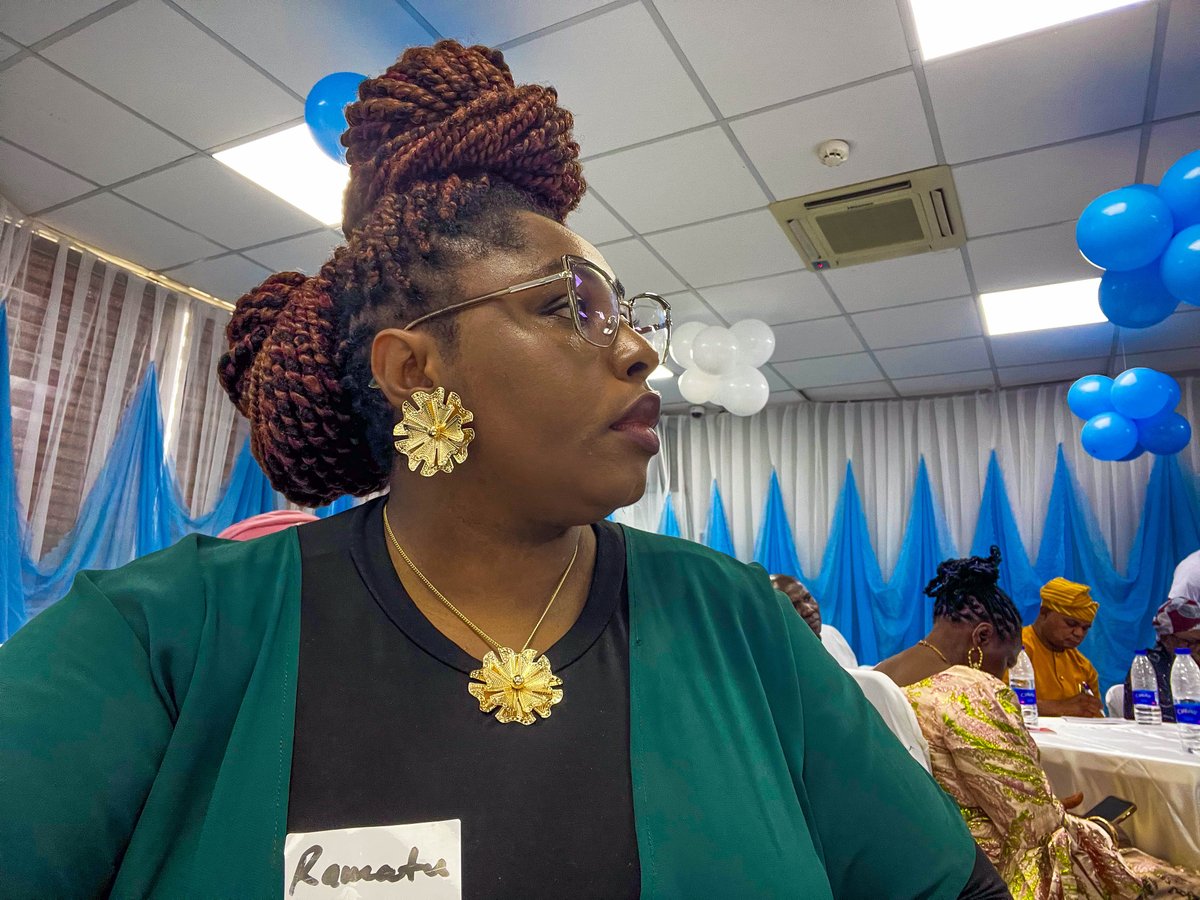
On October 13, 2026, Shades of Us attended the Healing Digital Futures: AI and Mental Health Conference, organised by Digital Rights and Mental Health Initiative (DRMHI) and HumAngle.
#ShadesofUs#DigitalWork#DigitalFutures#AIandMentalHealth
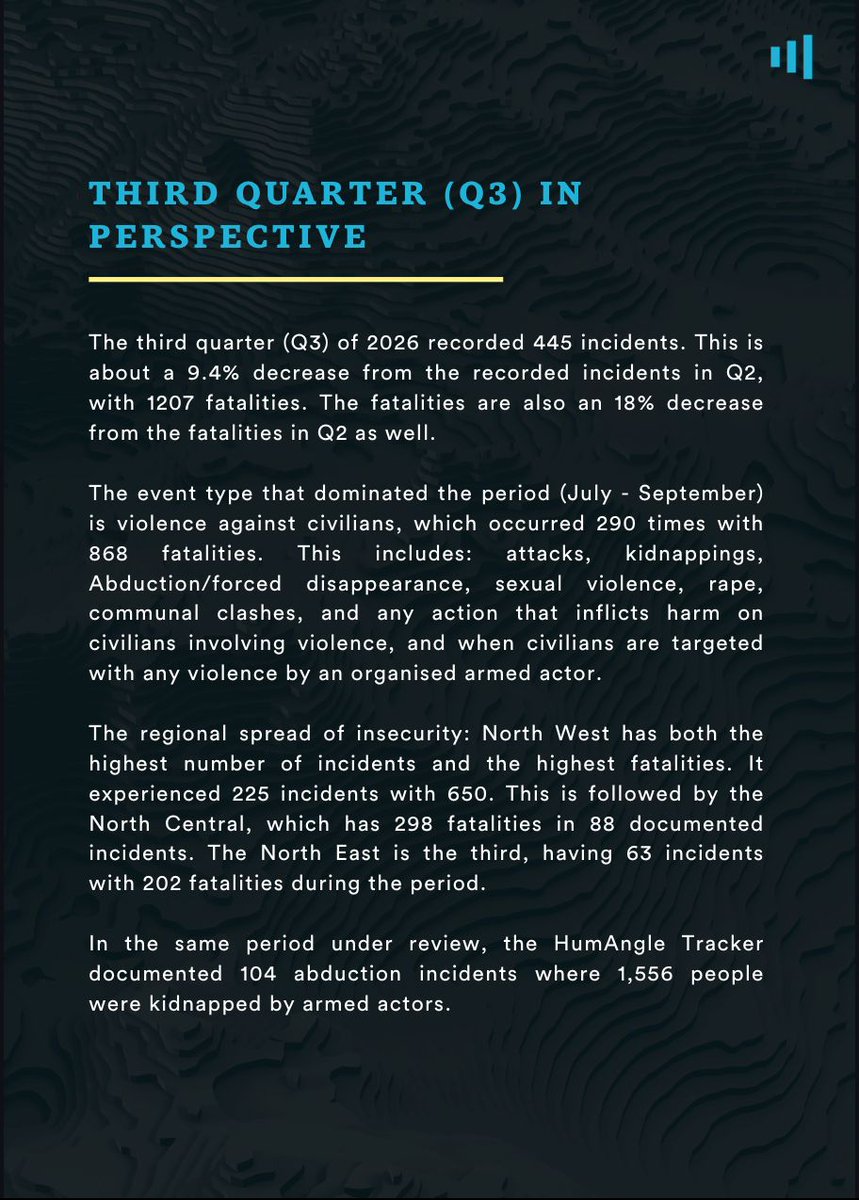
September’s data from the #HumAngleTracker suggests that armed actors can scale their operations up or down depending on the opportunities available and the context.
For policymakers and security actors, this underscores the need for rapid-response mechanisms and sustained preventive strategies to address the violence and attacks that continue to destabilise affected communities.
Access the tracker here: https://t.co/puJ5w2XHXc
What violent trends shaped Nigeria’s security climate in September?
According to the #HumAngleTracker, Zamfara State recorded the most incidents, while Plateau State recorded the most fatalities, with a score of 45.
Here are the numbers: https://t.co/DIOqK3eoxj
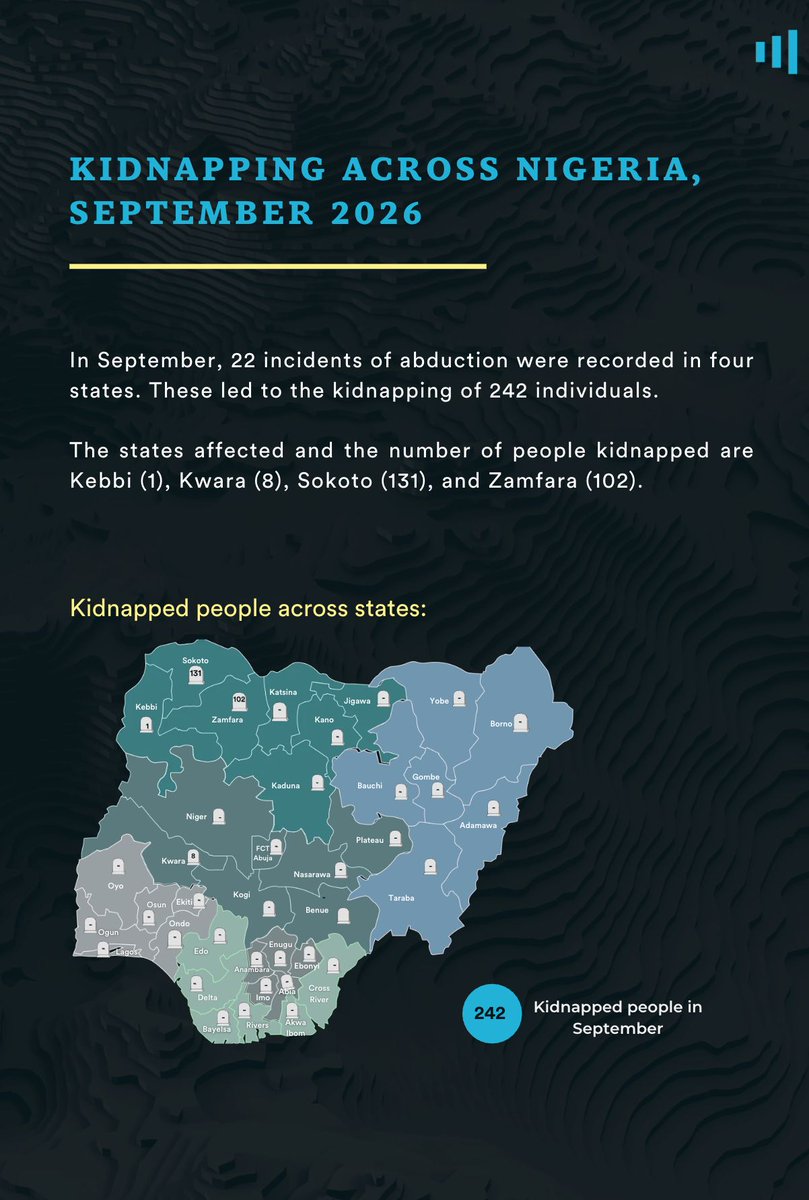
For abductions, the #HumAngleTracker observed clustering rather than a widespread distribution, as two of the largest abduction incidents recorded in September accounted for 54% of the 242 victims abducted that month.
Here is more: https://t.co/DIOqK3eoxj
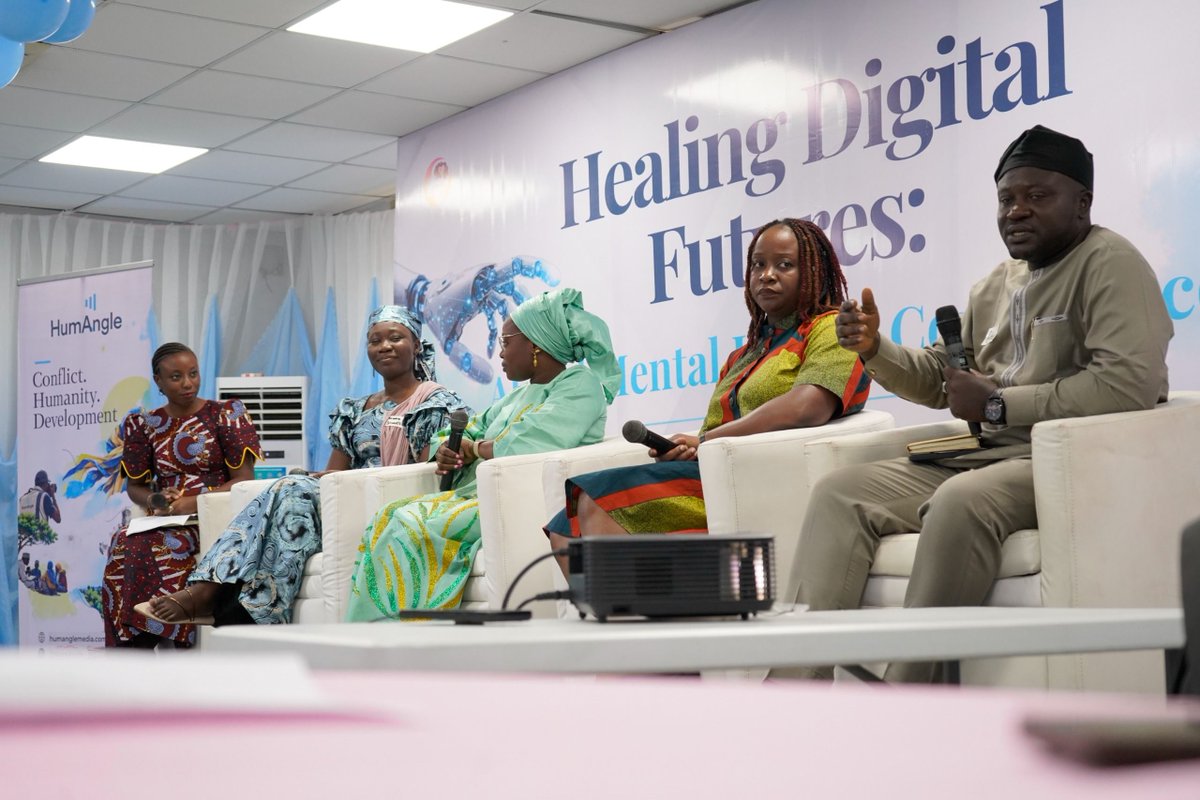
At our second panel, The Human Cost of AI: Charting a Course for Psychological Safety, moderated by Angela Umoru-David. The speakers Hauwa Shaffii Nuhu, Kauna Malgwi, Samuel Jinadu, and Chioma Agwuegbo explored what it means to build and use AI in ways that recognise human dignity, lived experience, and psychological well-being.
We cannot build human-centred technology by treating people like an after thought, A future that works for everyone must begin by seeing everyone.
The real value of a workshop lies in what participants do with what they learn.
Participants reflect on the lessons they will carry into their journalism practice after the #CMPP training, supported by @CanHCNigeria through the CFLI and in collaboration with @jhrnews.
Here are their takeaways!
With support from @CanHCNigeria through the #CFLI and in collaboration with @jhrnews, HumAngle held a two-day workshop on Countering Misinformation in Nigeria’s Middle Belt.
Participants had a lot to say about what they learnt, from verifying information to insights on data-driven journalism.
Here is what a few of them had to say.
#CMPP
A three-month HumAngle investigation reveals how Boko Haram and the Islamic State West Africa Province (ISWAP), despite their rivalry and operational differences, continue to reproduce the structures that sustain the insurgency in the Lake Chad region.
In this policy brief, we examine how Nigeria faces an insurgency capable of transferring its ideology, authority, and organisational structures from one generation to another and what can be done.
https://t.co/HT0rIaJprL
Sometimes, what a person needs first is not an answer. It is a place where they can say, "I'm not okay." That is one reason peer support matters.
During the peer support information session facilitated by Patience Olawuyi, we explored the value of creating spaces where people can listen to one another, share experiences, and find pathways to appropriate mental health support.
The session also marked the launch of the Mental Health Community of Care — a step toward making support more accessible and reminding people that care should not end when a conversation does.
Behind the content we scroll past, the ones we report, and the ones we never get to see are people tasked with reviewing them. Some, working under strict targets.
At our first panel, Protecting the Digital Workforce: Lived Experiences, journalist Isah Ismaila highlighted the human cost of keeping digital spaces running.
“Until organisations understand mental health as an occupational hazard, we can never get it right,” he says.
At Healing Digital Futures, keynote speaker Adegoke Adebayo challenged us to look beyond the promise of AI and ask the uncomfortable question: Who benefits from the work that makes it possible?
Because innovation means very little if the people building it are denied fair pay, safe working conditions, and the dignity they deserve.
The future may be automated, but the responsibility to treat people fairly is still ours.
Healing also begins where words end.
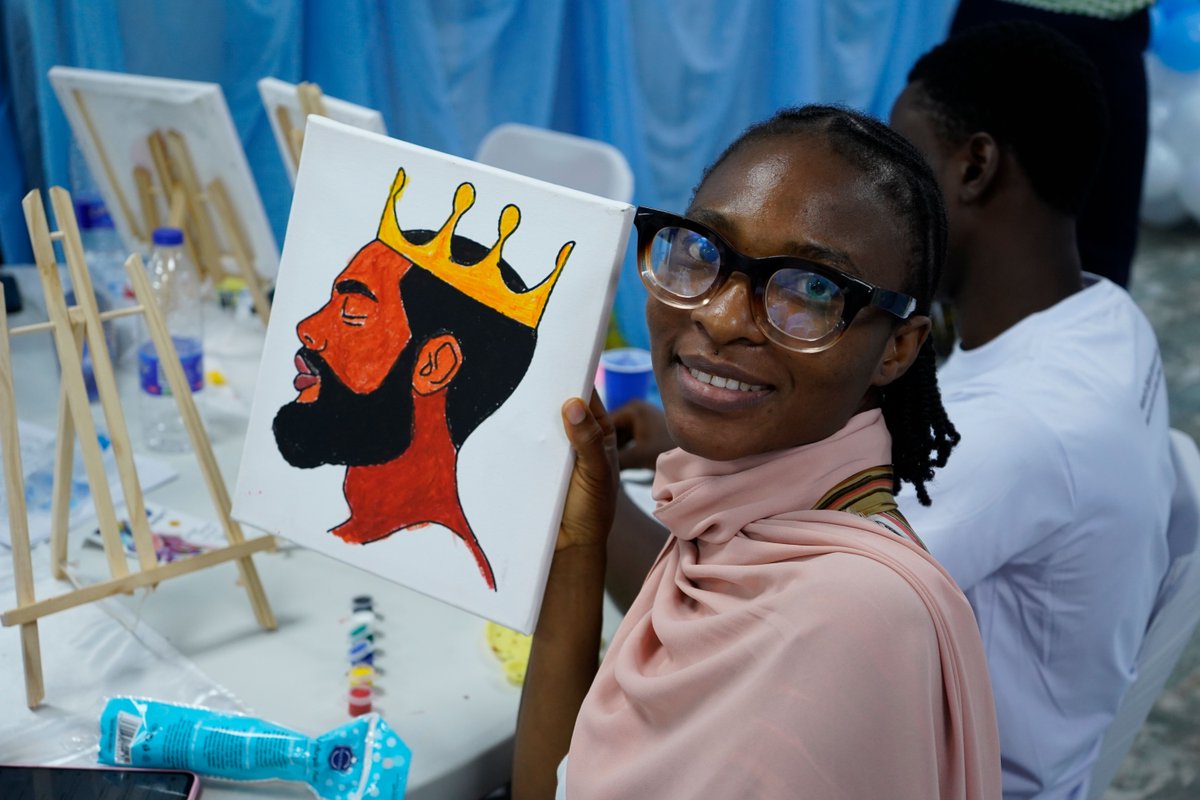
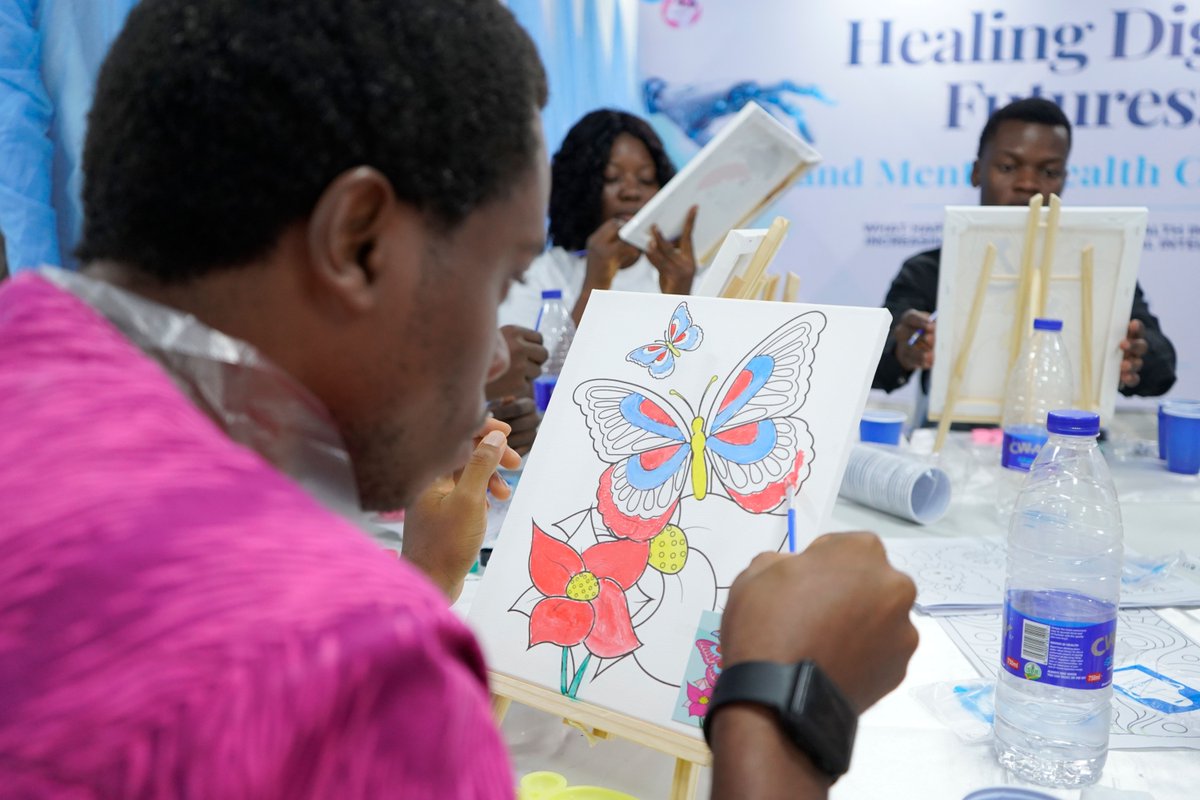
At our recently concluded AI and Mental Health conference with the Digital Rights and Mental Health Initiative (DRMHI), participants explored their creativity through colours.
Be part of our community!
Join the HumAngle WhatsApp Channel for trusted reporting, investigations and updates delivered directly to your phone.
Our community is growing, join us: https://t.co/fiHuZCEOI4
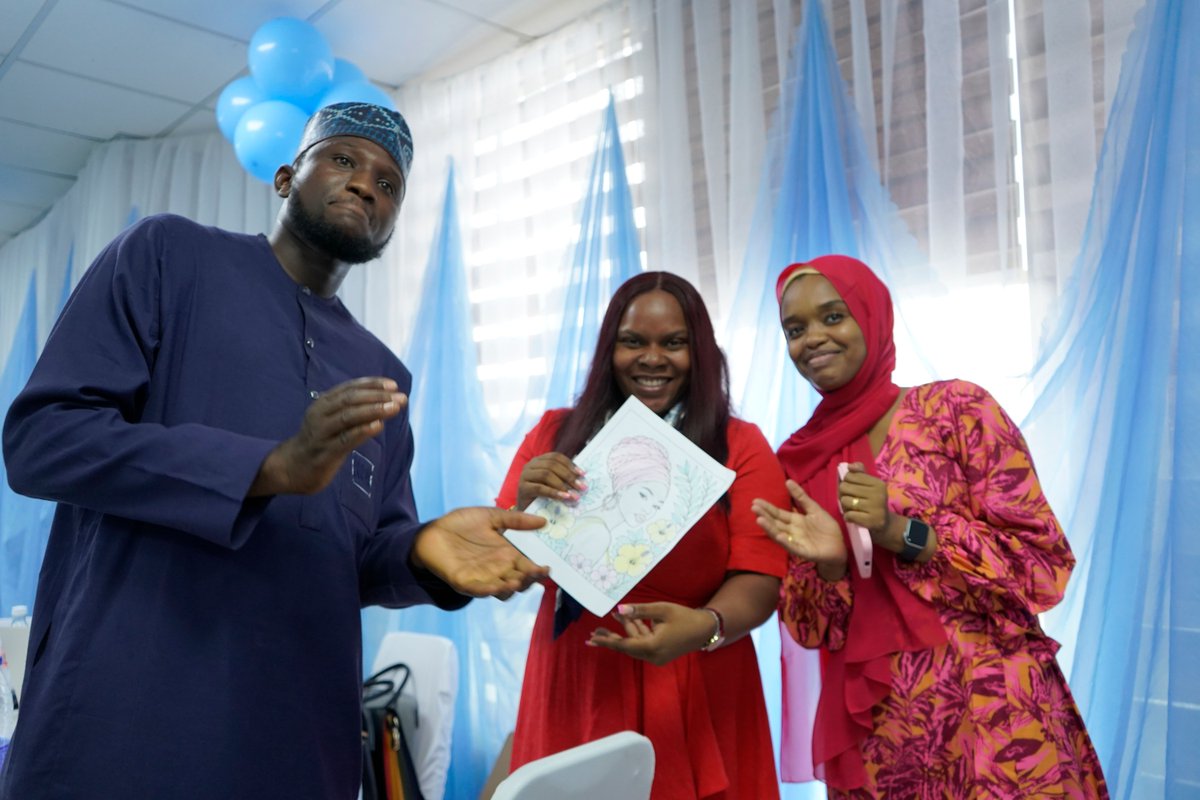
Beyond the conversations, the Healing Digital Futures Conference by HumAngle and DRMHI was a blend of reflections and curated wellness.
Hear from attendees as we look back at the event, exploring the realities of AI workers and the need to put their well-being at the centre of the AI conversation.