On the eve of The AGI Chronicles (which comes out tomorrow!) I'm publishing an excerpt from "Big Blob of Compute," a 2017 internal research document by Dario Amodei, back when he was a researcher at OpenAI.
It's never been published before, but BBOC is, in my mind, the essay that started the AI race. It described Amodei's hypothesis that scaling up AI models was the best way, by far, to make them smarter. GPT-2 was an experiment to test the hypothesis, and when it worked, OpenAI went all-in on scaling, which led to the race we have today.
It's a fascinating historical artifact that deserves to see the light of day. And it's taken on mythical proportions inside the AI industry, which is now spending trillions of dollars building the "big blobs" that Amodei thought would be necessary to get to AGI.
Enjoy! And please pre-order the book if you do!
https://t.co/dGBzcI6Mrl
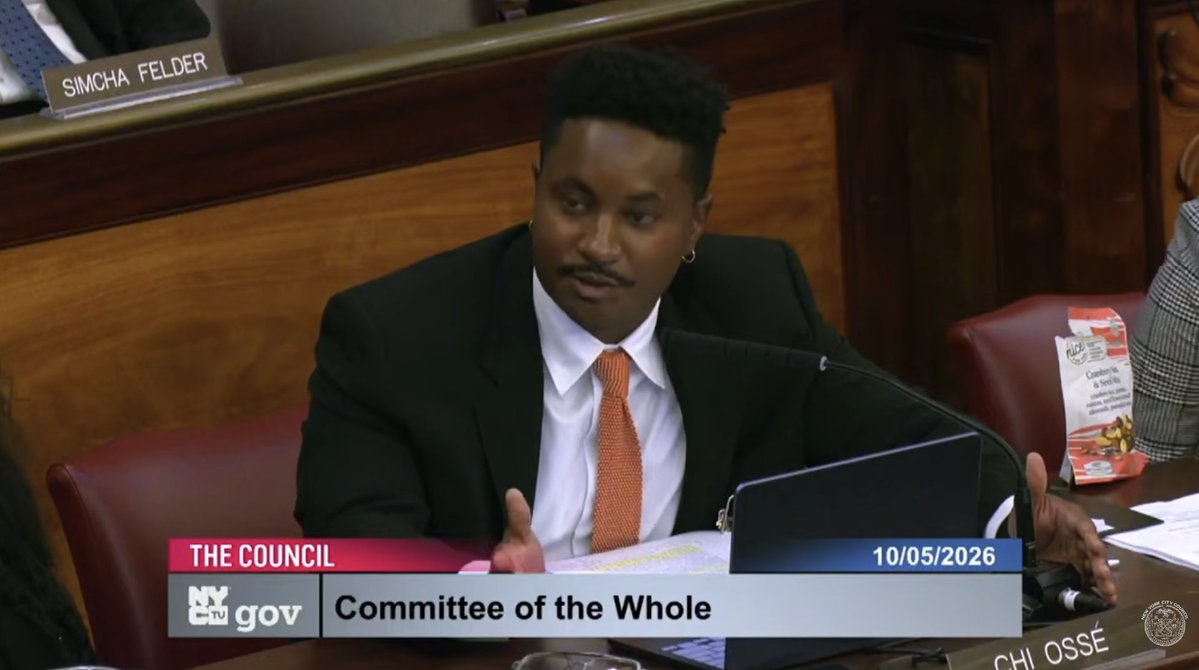
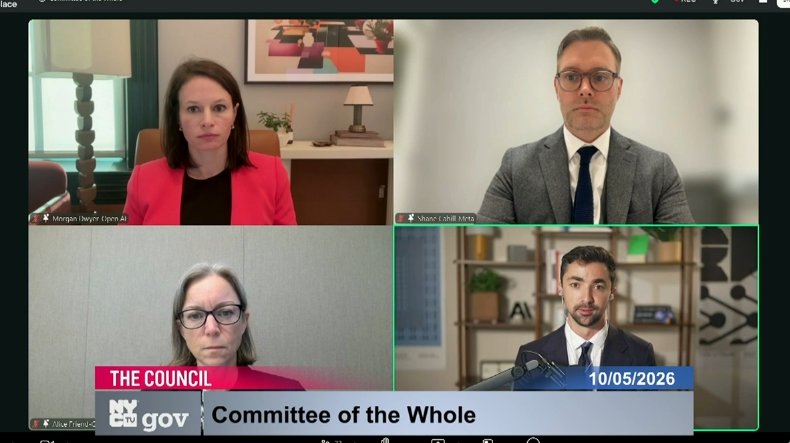
Councilmember @chiosse also called out the AI execs on their statements made under oath: "I know that a couple companies said that they supported the Raise Act, but let's be real here: It's well known that OpenAI, Anthropic, Google, Meta lobbied against the Raise Act for a year."
imo the worst part about this is that she’s seemingly reading off something pre-written, meaning this wasn’t just a flub, it was language dozens of people likely drafted, reviewed, and agreed on would be a “good answer”
“We believe the world should accept some bad things happening for the benefits of this technology.”
In a conversation for the first edition of Decoded, a new daily newsletter and podcast, OpenAI CEO Sam Altman talked with POLITICO’s @BrendanBordelon about trade-offs, AI safety, and how his company is different from Anthropic.
Subscribe to Decoded for the full conversation with Sam Altman: https://t.co/YHJJsDOQVh
At today's NYC Council hearing, @OpenAI just claimed they supported my RAISE Act to regulate dangerous AI models.
I was there—they actively pushed to water down the bill's safety requirements. It's another example of why we can't trust these companies to regulate themselves.
New in The Atlantic:
@dgrobinson resigned this week. He was among the longest-tenured employees at OpenAI—and oversaw safety reports on 12 frontier launches.
He is very worried: “The time for trial and error is over.”
You can read his essay here:
https://t.co/DQlszrc0ru
In this era of artificial intelligence, it is becoming urgent to distinguish human art from what machines produce. There is an ontological difference, even before an aesthetic one, between art and what a machine can generate through statistical calculation based on millions of images created by others. Algorithms lack the spark of humanity. For this reason, the Church wishes to renew an alliance with artists and cultural institutions to safeguard our humanity.
Outsourcing AI regulation to a voluntary "pledge" conceived by Mark Zuckerberg and endorsed by tech CEOs over a private White House lunch is a recipe for disaster.
"Self-regulation" by tech giants is a proven failure. The last time Meta promised to police itself, turned out it was hiding evidence that its platforms actively harm kids. Repeating this mistake with AI leaves the public dangerously exposed.
AI companies are already bound by existing laws, but the White House has generally stopped enforcing laws against the wealthy and powerful. State AGs should step up, halt lawbreaking, and promote real deterrence, including through holding individual executives accountable.
Congress also needs to legislate. We have a long history of regulating risky, transformative industries like banking, pharmaceuticals, and nuclear power. These tools include mandatory testing, truly independent supervision, and break-ups that end conflicts of interest.
Ultimately, reckoning with AI will also require reckoning with our broader crisis of governance. All three branches have become severely deformed. Against this backdrop it might be tempting to outsource regulation to these private actors, but it would be a serious mistake.
Our public institutions must decide the trajectory of these powerful technologies, not the firms whose breakneck pace and financial conflicts brought us here.
My piece in @nytopinion: https://t.co/j0Nrp2JWqi
https://t.co/GpT22K4Qwl
its on noop. ive exited floop. im keeping all my data in zhoop. cancel your whoop subscription. stop using whoop. ploop has it for you. ploop is where its at.