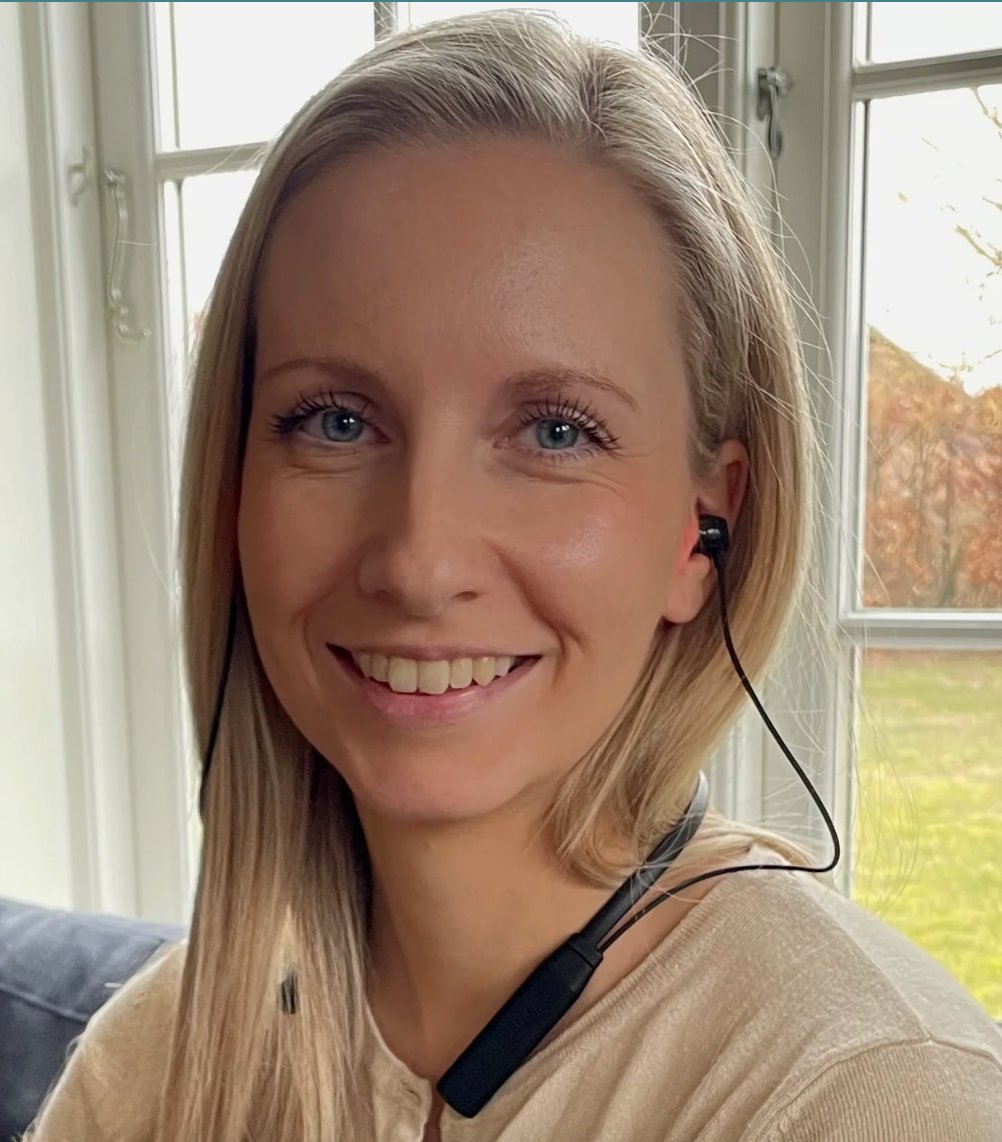
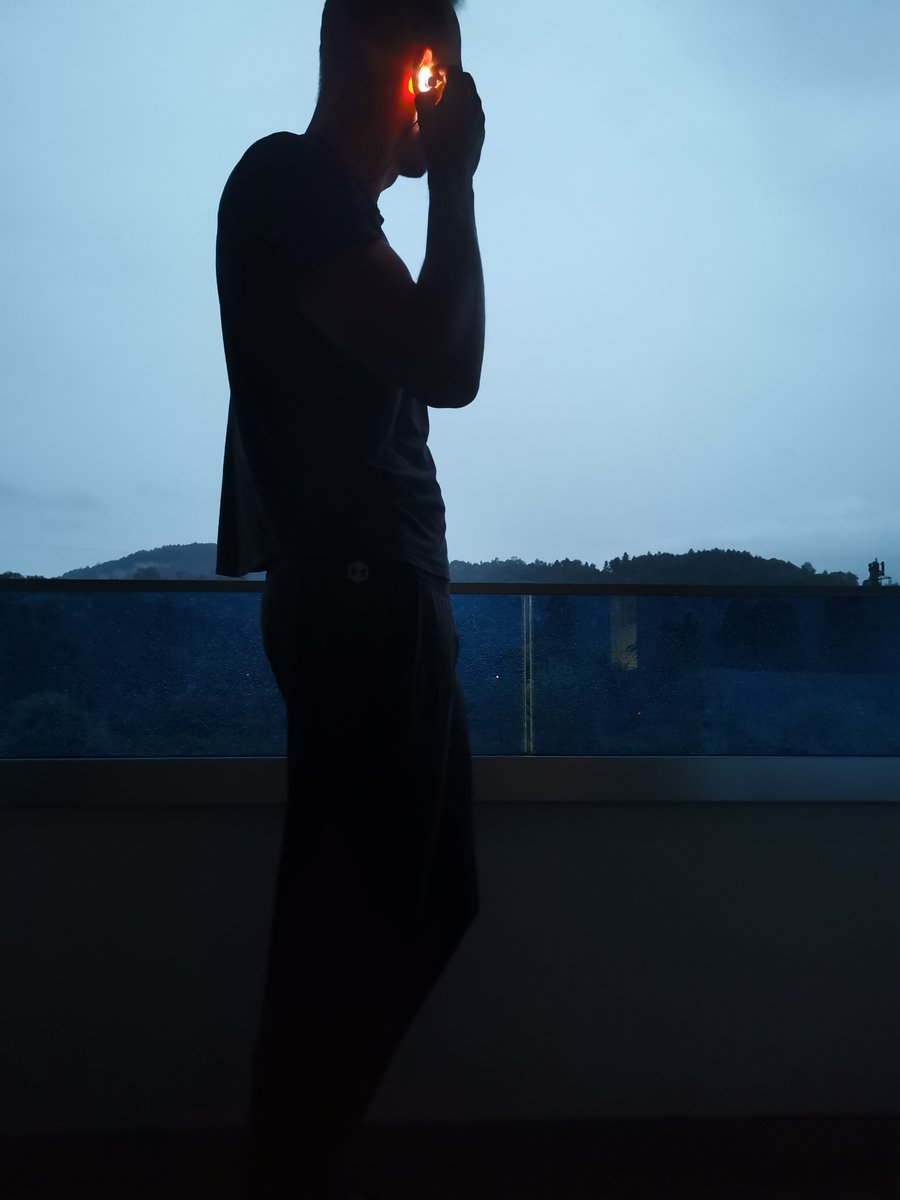
The HumanCharger headset channels bright light via ear canals onto the light sensitive parts of the brain. Great for dark winter days & beating jet lag!
The HumanCharger helps to eliminate jet lag by sending light therapy directly into the brain.
The HumanCharger, which looks like a set of standard earbuds, uses transcranial bright light (TBL) treatment to help the user more quickly overcome the fatigue and slight confusion brought on by traveling through several time zones.
Rather than relying on ocular exposure, the device emits UV-free, blue-enriched white light directly into the ears and thereby into the cranium, resulting in a significant reduction of overall jet lag symptoms.
Read more in the playbook ⬇️
https://t.co/O0cRvBWs6g
Optimise your #bodyclock with #HumanCharger bright light therapy headset: Just 12 mins/day helps to regulate circadian rhythm, to beat #shiftwork fatigue & #jetlag, address #insomnia, and boost peak performance.
🚨 WINTER DEPRESSION IS REAL — SCIENTISTS EXPLAIN WHY
Seasonal Affective Disorder (SAD) hits millions every winter. Shorter days mess with our brains, triggering anxiety and depression.
Yale experts say light therapy can help — using a 10,000-lux light for 30 minutes each morning works wonders.
What’s behind it?
Blue light exposure keeps us alert and happy, but when winter comes, our eyes don’t absorb enough, worsening moods.
Pro tip: Walk outside daily, even on cloudy days, and try cognitive therapy to fight those 'I hate winter' thoughts.
Source: The Independent
Winter depression is not imaginary.
NIH research shows reduced sunlight throws off your 24-hour clock, hormones, mood chemistry, and vitamin D levels.
Light therapy can rival antidepressants for many people with Seasonal Affective Disorder.
Ten thousand lux for 30 minutes in the morning can reset serotonin and circadian rhythm.
Sometimes healing begins with flipping on the right light.
Bright light therapy🌞 demonstrates comparable efficacy to antidepressants and cognitive-behavioral therapy for seasonal affective disorder (SAD), according to multiple randomized controlled trials and meta-analyses. However, as is often the case, recent high quality research has mainly not been done. It has to be used consistently and generally the earlier in the season the better.
Key findings from recent research:
• Clinical improvement typically occurs within 1-2 weeks of treatment initiation
• Morning administration of 2,500-10,000 lux for 30-60 minutes yields optimal outcomes
• Remission rates reach 61% with morning light therapy compared to 32% with placebo (Eastman et al., 1998)
• Effect sizes range from mild to moderate, comparable to first-line pharmacotherapy (Pjrek et al., 2020)
Recent network meta-analyses confirm white light superiority over other wavelengths (Wan et al., 2025). The U.S. Department of Veterans Affairs and Department of Defense clinical practice guidelines now recommend bright light therapy as a first-line intervention for mild to moderate depression with seasonal patterns (McQuaid et al., 2022).
References:
Eastman CI, et al. Arch Gen Psychiatry. 1998;55(10):883-9
Pjrek E, et al. Psychother Psychosom. 2020;89(1):17-24
Wan Y, et al. Medicine. 2025;104(27):e43107
McQuaid JR, et al. Ann Intern Med. 2022;175(10):1440-1451
#SeasonalAffectiveDisorder #EvidenceBasedMedicine #Psychiatry #MentalHealth #ClinicalPsychology #LightTherapy #Depression
☀️ The last weeks of summer are here, but you're already dreading SAD coming back?
If shorter days tend to affect your mood, sleep, and motivation, now is a good time to understand why (and what you can do about it.)
👉 Start reading: https://t.co/nBxi7iDids