The Ottomans spent centuries terrifying Europe, which makes admitting they were impressive slightly uncomfortable.
As a European, there is no point romanticising the Ottoman Empire. Its armies conquered European lands, Constantinople fell in 1453, Christian populations lived under Muslim rule, and generations of Europeans regarded Ottoman expansion as an existential threat.
My ancestors certainly weren't sitting around saying, “What fascinating cultural exchange.”
They were considerably more interested in keeping the Ottomans on the other side of Vienna.
But history becomes useless when admiration is confused with approval. As a Dutchman, I know this all too well. Our Golden Age was magnificent, just not for everyone.
The same honesty should apply when looking at the Ottomans.
Because the Ottoman achievement was extraordinary.
From relatively modest beginnings in Anatolia, they built an empire stretching across southeastern Europe, the Middle East and North Africa. Constantinople became Istanbul, one of the great commercial crossroads of the world. Their armies mastered gunpowder warfare, their administrators governed an enormously diverse population, and Ottoman power remained relevant for centuries.
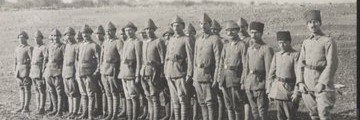
You don't survive that long by merely having impressive hats.
And the hats were extremely impressive.
But my admiration goes beyond the size of their empire. Ottoman rule helped shape the geography, borders, cities and cultures of the Balkans, Anatolia and the eastern Mediterranean in ways still visible today.
It also changed the world around the Netherlands.
As Ottoman power reshaped older trade networks between Europe and Asia, maritime commerce became increasingly valuable. Dutch merchants later entered Mediterranean and Ottoman markets themselves, and in 1612 the Dutch Republic established formal diplomatic relations with the Ottoman Empire. Dutch ships traded in Ottoman ports, carrying products such as textiles and other European goods while returning with commodities from the eastern Mediterranean.
And four centuries later, traces of that connection remain in wonderfully ordinary places.
The tulip travelled from the Ottoman world into Western Europe and became almost absurdly Dutch. Coffee reached Dutch tables through wider Ottoman and Mediterranean connections before we enthusiastically turned it into another global business. Even words such as yoghurt remind us how cultural influence can survive empires themselves.
Meanwhile Dutch paintings, maps, merchants and diplomatic records preserve our side of that encounter.
That's ultimately why I admire Ottoman history.
Not because they were always our friends. They certainly weren't.
But because you cannot properly tell the story of Europe, its borders, its trade or even parts of Dutch history without eventually encountering the Ottomans.
Great civilizations don't disappear when their empires end.
They leave fingerprints on everyone around them.
Bunların sürekli aşağılamaya çalıştığı çadırlar o dönemin Çinlilerini bile etkiliyor ve dünya çapında hep alıcı bulabiliyor. Örneğin Tang döneminin ünlü şairi Bo Juyi, Türk çadırlarını över ve kendisi de kışın sıcaklığı nedeniyle bu çadırlarda kalırdı.+
Bu adam kimdir bilmiyorum ama ölümünden on yıllar sonra oluşan fan kitlesi itibarıyla tarihteki açık ara en talihsiz kişilik olabilir. Öldükten sonra bir yığın dölsüz genç erkek fotoğrafımı PP yapıp Twitter'da gavat gavat yazılar yazıp paylaşsaydı mezarımda takla atardım şahsen
Twenty months. Let's do the scoreboard 🤩
Assad fled to Moscow on 8 December 2024 and has not been heard from since, which is the most useful thing he has done for Syria in fifty years!
Since then:
The sanctions came off. All of them. The EU in May 2025, the US embargo in June, the Caesar Act repealed in December, and on Monday Syria came off the state sponsors of terrorism list after forty-seven years. Forty-seven. Syria was on that list longer than most of the people arguing about it have been alive.
There was an election. October 2025, a 210-member parliament, the first since Assad. A provisional constitution. A roadmap. Boring, procedural, unglamorous, and exactly what nobody thought these people could do.
The economy turned. Inflation from 72 percent down to 11. The pound appreciating since the day Assad left, which is its own commentary. The stock exchange reopened.
$28 billion in investment pledged.
In February the state took back its oil and gas fields and shipped heavy crude for the first time in 14 years.
Three million people went home.
1.5 million refugees, 1.7 million internally displaced.
Turns out people return when the man bombing them leaves.
The coast went from the most dangerous place in Syria in early 2025 to the safest by the end of it.
Kurdish became a national language. Citizenship restored to people the 1962 census erased. Newroz a national holiday. Kurdish in classrooms this academic year.
And on Tuesday the SDF dissolved itself. One army. Saudi Arabia sent congratulations today.
Now here is the part I enjoy.
Since December 2024, Syria has taken more than a thousand Israeli air and artillery strikes and at least 825 ground incursions.
Its response, every single time, has been diplomacy.
A thousand strikes and the man will not take the bait. Netanyahu has been trying to start a war with Damascus for twenty months and Damascus keeps sending negotiators to Amman instead.
Katz stood on Mount Hermon this week and told al-Sharaa to look up at the mountain every morning, and al-Sharaa's answer was to hold a ceremony, dissolve a militia, and get himself delisted by Washington on the same day.
That is what actually irritates them. Not that Syria is dangerous. That Syria refuses to be.
Twenty months. Nobody predicted this. Least of all the people who keep bombing it.
"Malazgirt Savaşı Bizans İmparatorluğu'nun yedi yüz elli yıllık döneminde yaşadığı en büyük felâketti. Büyük bir aşağılanmaydı. Ordu ise hainlik, panik ve ödlekçe kaçma dışında bir varlık gösterememişti. Hiçbir imparator da, daha Konstantinopolis akılda bile değilken, Valerianus'un 260 yılında Pers Kralı Sapor'a esir düşmesinden beri böyle bir olaya maruz kalmamıştı. Gerçek trajedi ise savaş değil, akabinde gelişen korkunç olaylardı. Eğer Romanos Diogenes'in tahtta kalmasına izin verilseydi her şey yoluna girecekti. Alp Arslan'la yaptığı antlaşmanın şartlarına uyacak ve asla imparatorluğa savaş aşmayı ya da fethetmeyi düşünmeyen Alp Arslan da Fatımilere karşı yapacağı sefere devam edecekti. Romanos'un ardından imparator olmaya yaraşır biri gelseydi, verilen zarar kolayca telafi edilebilirdi. Bir Nikephoros Phokas ya da bir Ioannes Tsimiskes (II. Basileios'u anmaya gerek bile yoktur) birkaç ay içinde duruma hâkim olabilir ve Selçuklular 1073 yazına kadar, yani savaştan iki yıl sonra Anadolu'ya doğru sistematik bir hareket başlatmazlardı. Bu noktada kimse onları bu davranışlarından dolayı suçlayamaz. VII. Mikhael'in Romanos'la yapılan antlaşmayı tanımaması karşısında harekete geçmeleri çok doğaldır. Ayrıca imparatorluk içinde hüküm süren kaos ortamı ve askeri arazi sistemine dayanan eski savunma sisteminin çökmüş olması da direnişle karşılaşmayacaklarının garantisidir.
Böylece on binlerce Türkmen kuzeydoğudan Anadolu'ya akın eder ve yaklaşık 1080 tarihlerinde Selçuklu Sultanı Melik Şah, Anadolu içlerine doğru uzanan seksen bin kilometrekarelik bir alanın hâkimi olur. Geçmişte Roma İmparatorluğu'na dahil olması nedeniyle de bu bölgeye "Rum Sultanlığı" adını verir."
(Norwich, John Julius, Bizans, Yükseliş Dönemi (MS 803-1081), s.281-282, Kabalcı Yayınları, Birinci Baskı, İstanbul, Temmuz 2013)
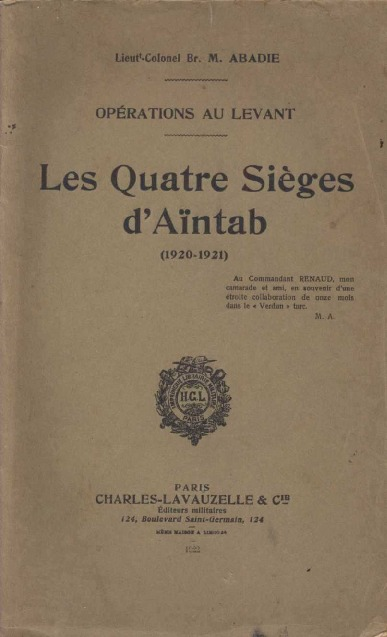
Antep kuşatmasında görev alan Fransız subay kusatmayı anlattığı kitapta Türk Verdunu diyor. Referans verdiğin cepheye atıf. Fransa 80 bin asker yığdı güneye, iki yılda 7 bin leş bırakıp kaçtı. Almanlar Versay'a boyun eğerken Türk çetelerı Verdun kahramanlarını avlıyordu
TARİH: 13 Mayıs 1990
YER: Maksimir Stadyumu
MAÇ: Dinamo Zagreb-Kızıl Yıldız
SONUÇ: Asla eskisi gibi olmayacak Yugoslavya.
Bugün Yugoslavya'da yaşanacak 'iç savaşın ön provası' olan futbol maçının 30. yıl dönümü...
Olaylara yakından bakmak isteyenler için hikâyeyi anlatıyoruz ⬇️
Ruslar için belki de Türk müdafaasının zayıflığından daha büyük bir ilk şok, sıradan bir Bulgar köylüsünün hayat standardının sıradan bir Rus köylüsünün hayat standardından daha yüksek olduğunu fark etmeleri oldu.
Bir Rus bunu, "Rus köylülerinin gökteki yıldızlar kadar uzak gördüğü bir refah" olarak nitelendiriyordu. Başka bir Rus zabiti ise şöyle diyordu: "Tanrı bizim köylümüze elli yıl içinde böyle bir refah nasip etsin. Lakin kesinlikle biliyorum ki önümüzdeki yüz yıl içinde dahi buna ulaşamayacağız. Ayrıca Bulgarları özgürlüğüne kavuşturmak için bir sebep de yok. Zira onlar burada, kendilerini idare eden Türklerden daha iyi durumdalar."
Birçok Rus zabiti, kurtarmaya geldiklerini düşündükleri Bulgarları nankör, kaba ve görece refah içinde bulunca kısa sürede hayal kırıklığına uğradı.
Balkan Reconquistası William H. Holt
KETEBE YAYINLARI
Büyük taarruz 26 ağustos 922, tam 1 sene öncesi Ağustos-Eylül 921 Sakarya var. Sakarya'da yok olmanın eşiğinden döndük, en az büyük taarruz kadar önemli bizim için, 2 satırlık yazılarla anılıp geçiliyor; Türk tarihinin en karanlık&kritik dönemiydi Sakarya.
Türkiye’deyken “Avrupa abi liberalizm abi siz tırrıklar geri kafalı milliyetçilersiniz bi de baksana AB’ye adamlar hiç öyle değil” diye konuşup bi hevesle Avrupa’ya taşındıktan sonra şehir merkezindeki meth bağımlılarını ve gettoları görüp kemalist olan liberal gençler.