Day 1 of the AI Impact Summit turned to be a pain for us.
I came genuinely excited, it was the first time the summit was being hosted in India, and I wanted to show up personally to support the ecosystem and the government’s push.
But what happened next was shocking.
At 12 noon, security personnel arrived to sanitise and cordon off the area ahead of the visit by PM Modi visit at 2pm.
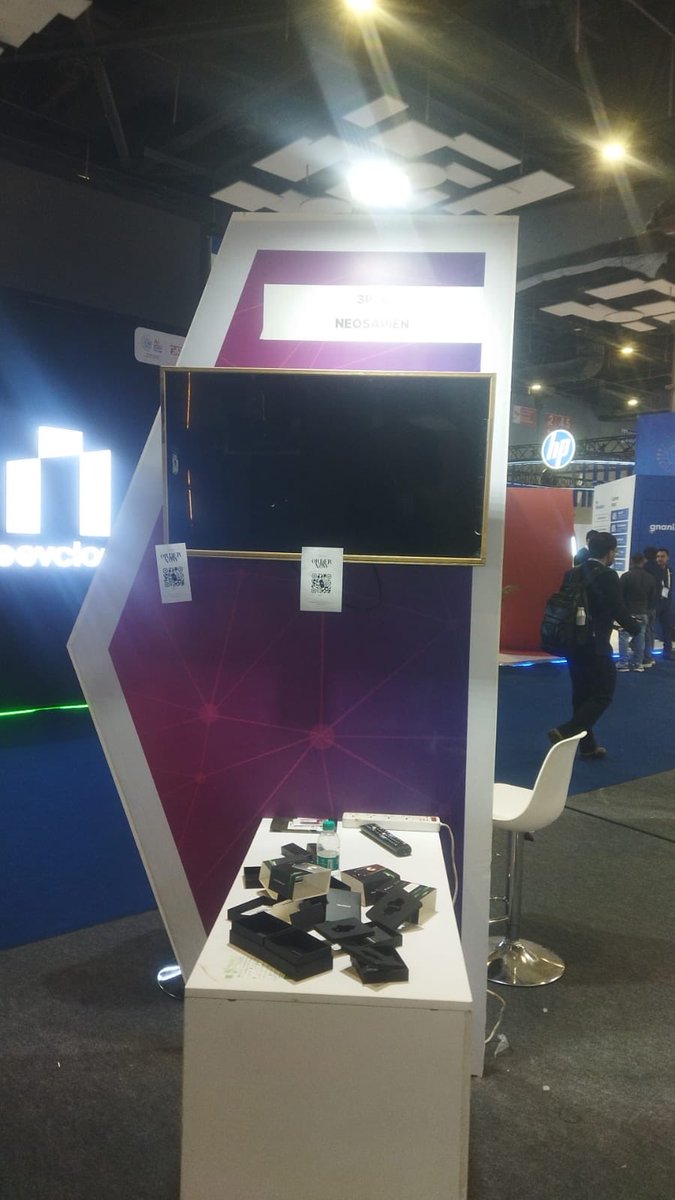
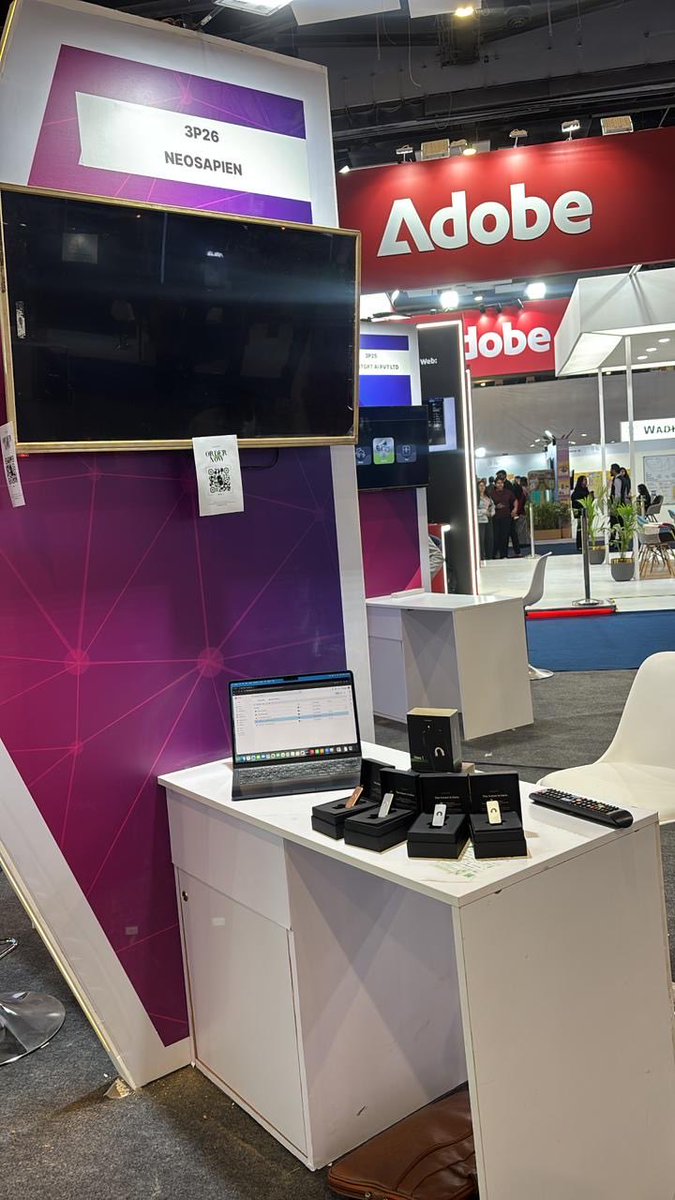
I explained that we’re building India’s first patented AI wearable at NeoSapien and requested a chance to showcase it.
One officer told others to let me stay, and they left.
Then another group came and ordered us to leave immediately. Seemed like there was lack of co-ordination between the security itself.
I asked: “Should we take our wearables?”
They said, others are leaving even laptops behind, security will take care.
Trusting them, I left. Hoping that the wearables will be safe, and If I am lucky, it might catch the eye of PM Modi.
Gates were closed from 12–6pm. Much much longer than expected.
Later we found out that our wearables were stolen.
Think about this: We paid for flights, accommodation, logistics and even the booth. Only to see our wearables disappear inside a high-security zone.
If only security and official entourage had access, how did this happen?
This is extremely disappointing.
While India recently celebrated its tariffs to US dropping to 18%, a pact b/w U.S. & Bangladesh has thrown a wrench into the works ? !
10 quick points. Bolded some points 👇
1. While India got 18% tariff from US & it (rightly) felt like a massive win for Indian exporters - it looks like it set a floor that US is now using as a bargaining chip with others.
2. Last evening, US & Bangladesh signed a Agreement on Reciprocal Trade - similar to ours. While Bangladesh’s base reciprocal tariff will be 19% (slightly higher than India's 18%).. the fineprint has a 'zero-duty'clause that India doesn't have.
3. Here is what is says -> "The United States commits to establish a mechanism that will allow for certain textile and apparel goods from Bangladesh to receive a zero reciprocal tariff rate". Basically if Bangladesh buys " U.S. produced cotton & man-made fiber textile inputs" it's garment exports into the U.S. get tariffed at 0% !
4. Why does this matter for India ? Historically, Bangladesh has been a massive buyer of Indian yarn. If Bangladesh pivots to buying US cotton - they get the twin benefit of raw materials & 0% entry into the US.
5. India, China, Brazil. U.S. are the biggest cotton growers. China & India also have some of the largest spindle capacity in the world.
6. China cotton has been out because of the allegations of forced labour etc (Xinjiang cotton). So Indian cotton was dominant here - and as I said we/India also has some of the largest spinning capacity in the world.
7. Fundamentally, India is already struggling to match Bangladesh’s competitiveness in the garment sector due to their lower labor costs & big scale. If Bangladesh now gets a 0% tariff while India stays stuck at 18%, the price gap is quite big.
8. By the way, Bangladesh has committed to 'protect internationally recognized labor rights' & 'adopt high levels of environmental protection'. By aligning with US regulatory standards, they are removing the 'ethical/quality' shield that Indian exporters (sometimes) have used to justify higher prices.
9. Our textile hubs like Tirupur, Surat etc are now not just fighting against a plain competitor anymore - they are fighting a US-Bangladesh supply chain pact (Maybe Iam exaggerate here to make a point)
10. As the management of Pearl Global told us this morning - prima-facie - it looks like the advantage for Bangladesh continues.
What else ? Thoughts welcome !
#GIFTNIFTY #Nifty #BankNifty #Trump #Modi #TradeDeal #Cotton #Apparel #Garments #Textiles #China #Yunus
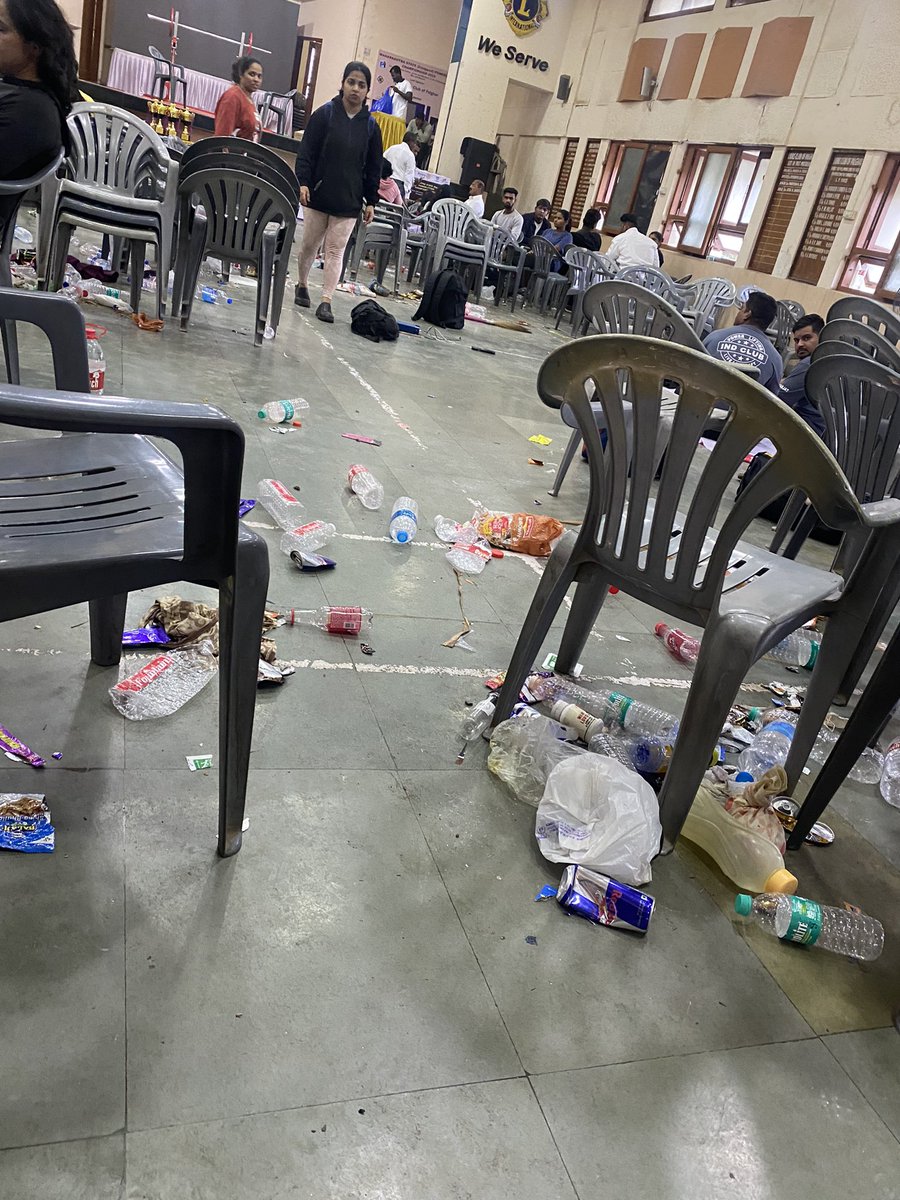
Since we’re discussing hygiene & safety issues at sports tournaments.
Take a moment for Indian athletes.
Pictures -state level powerlifting tournament May 2025 Palghar. I can’t show you the picture of the ladies toilet because noone should have to see it. But we HAD TO use it.