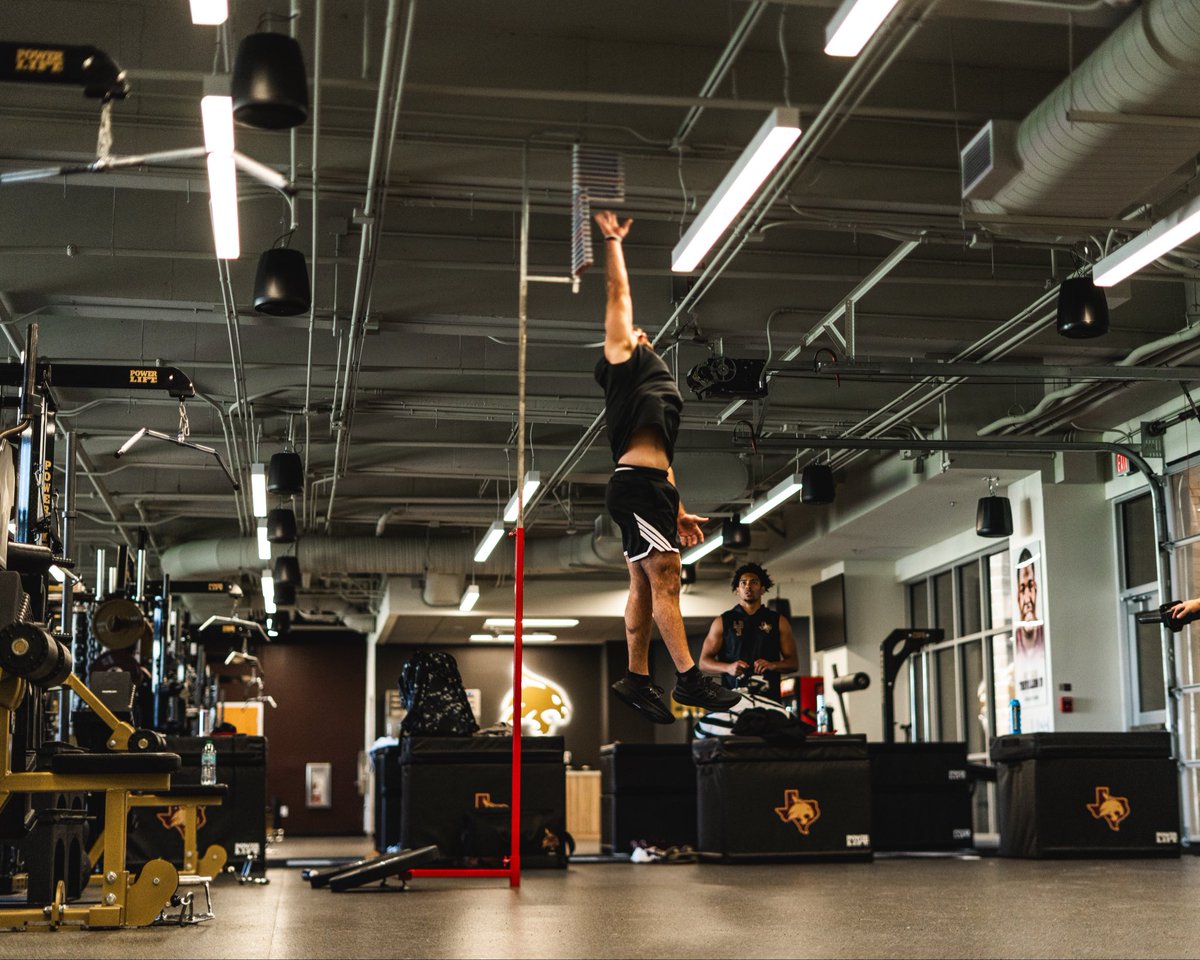
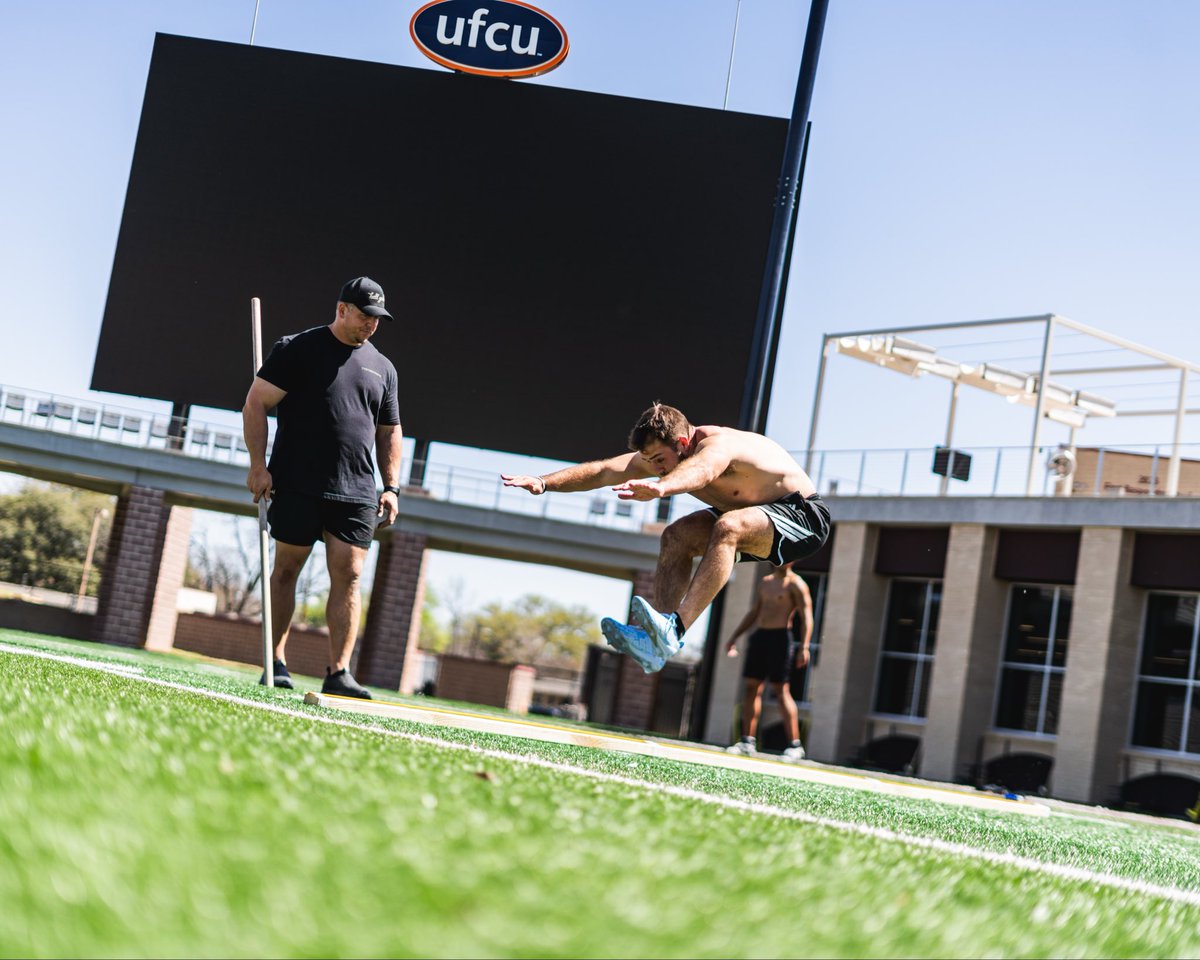
Extensive Plyos: Rudiment Series
Intensive Plyos: Pogos/Tuck Jumps
Power-Speed: A-Series
Soft Starts: Walk in/Skip in
Hard Starts: Kneeling
10x10 Hill Sprints
#REALtraining @ #TXST
@nick__shedd@power_lift@powerlift_tx knee extension/lying leg curl combo. Transforms between the 2 with ease, very smooth and probably a little bit heavier than you’ll actually need. If you want me to send a video of it in action let me know.
@BurnTheLadders We figured out a time efficient way way to use our 12 functional pulleys from @power_lift for marches. We actually have it plugged in this Thursday. I’ll try to post a video.
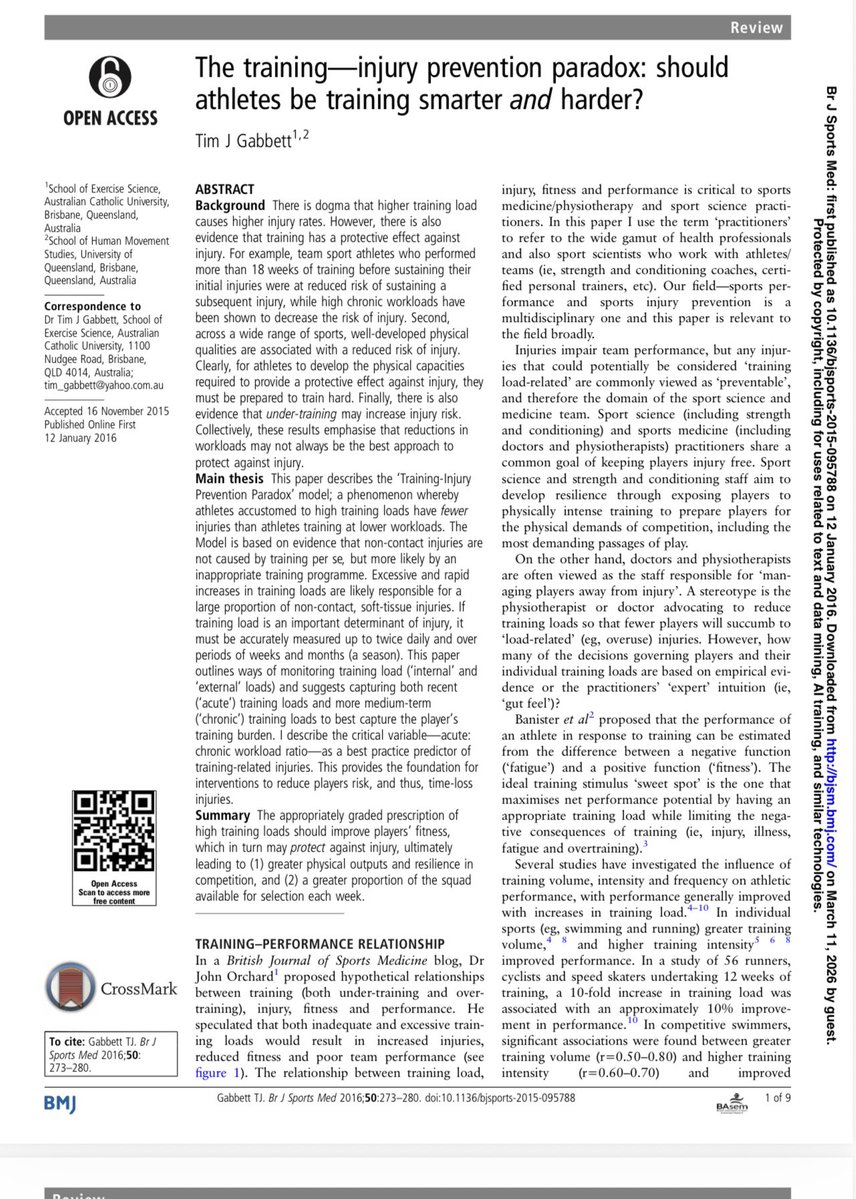
The dangerous idea in human performance is not always doing too much. Sometimes it is doing too little meaningful chronic work, then acting surprised when the body breaks down the moment real demands show up.
That is the heart of Gabbett’s training injury prevention paradox. The paper argues that athletes accustomed to higher training loads can have fewer injuries than athletes training at lower workloads, and that non contact soft tissue injuries are often tied not to training itself, but to an inappropriate training program with excessive and rapid spikes layered on top of inadequate preparation. As Gabbett put it, “reductions in workloads may not always be the best approach to protect against injury.”
Three points jump out immediately:
• Too little meaningful chronic work can leave athletes underprepared for the actual demands of practice and competition.
• Rapid increases in load are a major problem for non contact soft tissue injury risk.
• Appropriately graded high training loads can improve fitness, and that fitness may help protect against injury while improving resilience and availability.
To all my fatigue mitigation specialists, we need to be careful about the resiliency we do not build through the manicure process of being “ready” or feeling good. Everybody will always feel ready to compete on the couch or doing less work. The real question is whether they are truly prepared for the demands of the activity. That is the warning in this paper. The answer is not reckless loading. It is not crushing people. It is building enough meaningful chronic exposure that hard demands are no longer novel when they matter most.
Source: Gabbett TJ. The training injury prevention paradox: should athletes be training smarter and harder? Br J Sports Med. 2016;50(5):273 to 280.