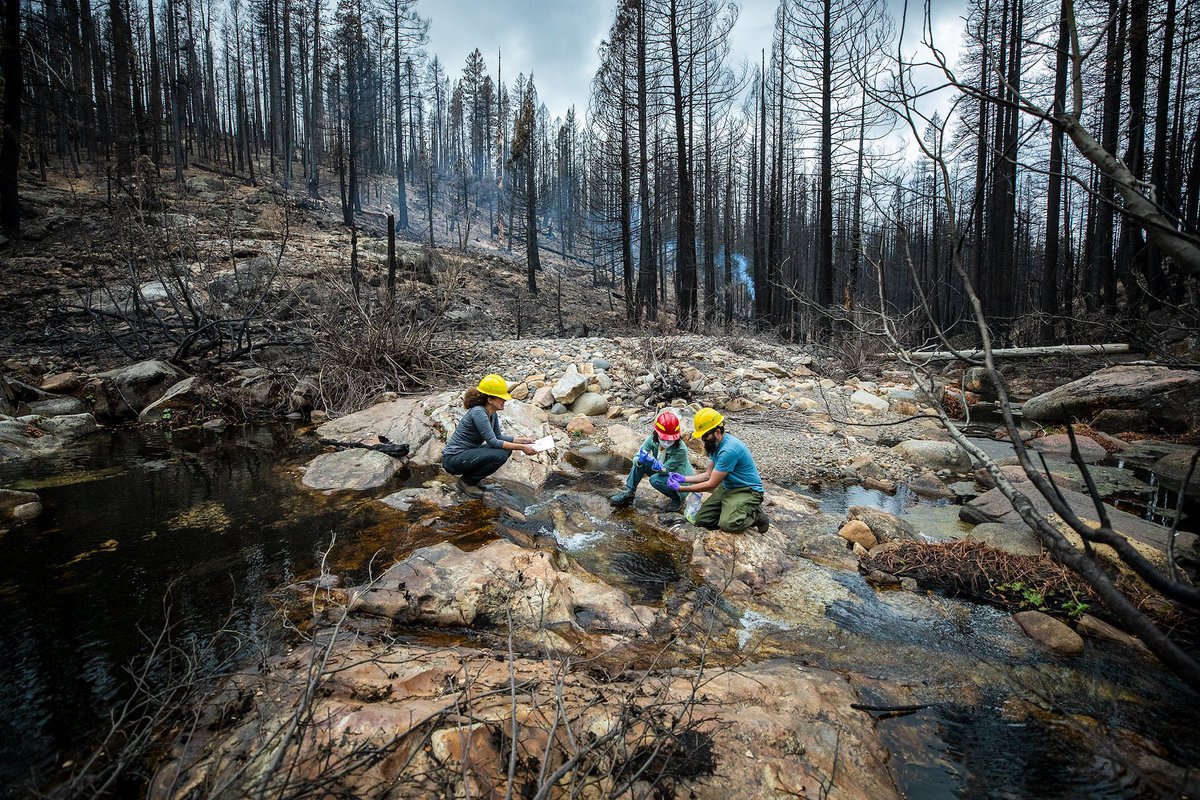
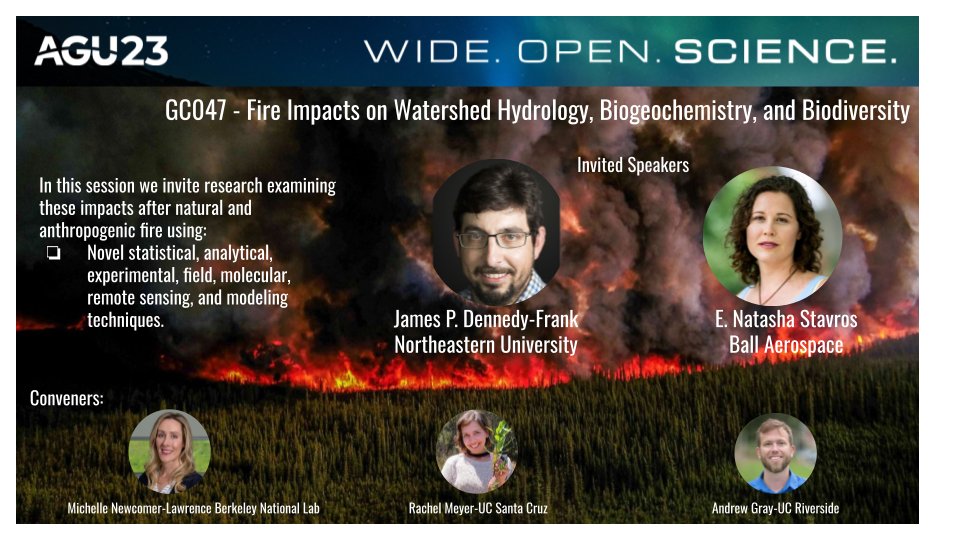
“We want to know what insights we can gain from high and low severity wildfires to maintain forest and water health” - @eesalbnl’s @HydroNewcomer at her #AGU23 invited talk “Impacts of #Wildfire and #Drought on Watershed Hydrobiogeochemical Resilience”
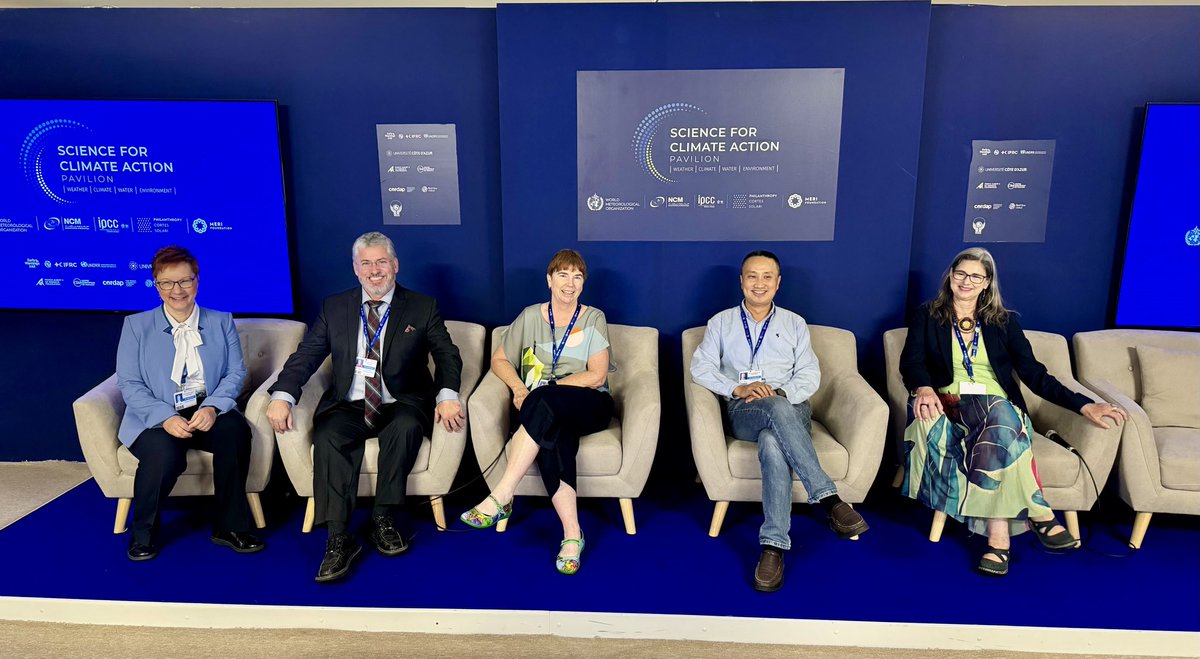
Climate scientist Sebastien Biraud, second from left, joined a panel at #COP28 today to discuss quantifying #carbon uptake by forests. #netzero @BerkeleyLab @scbiraud
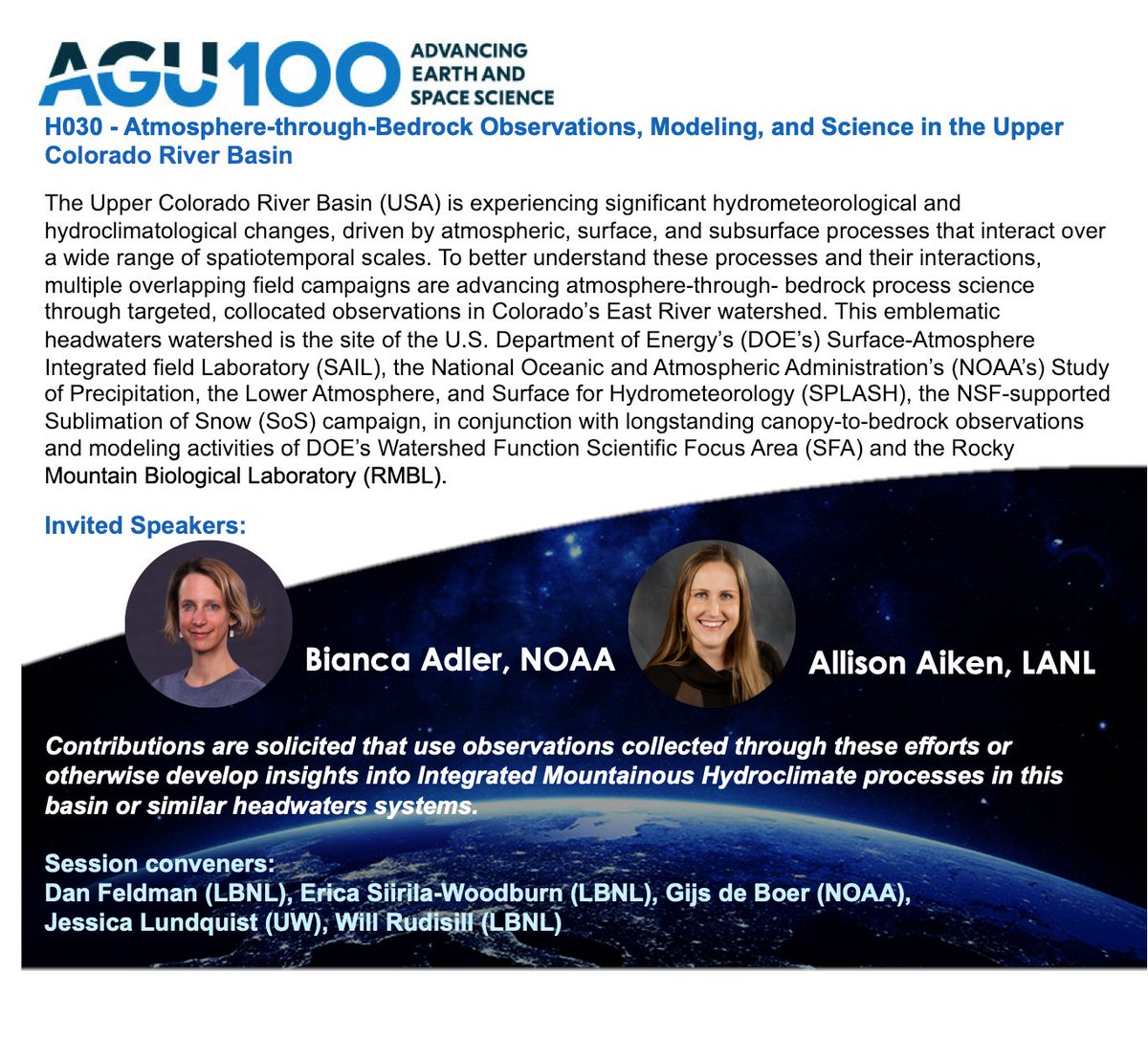
Still looking for an #AGU23 session before next week's abstract deadline? Consider one of these two sessions on integrated mountain hydroclimate research.
Here's a thread in pictures about the Atlantic overturning circulation #AMOC which is making headlines this week. I've studied this topic since 1991 and will show key data and models & some video.
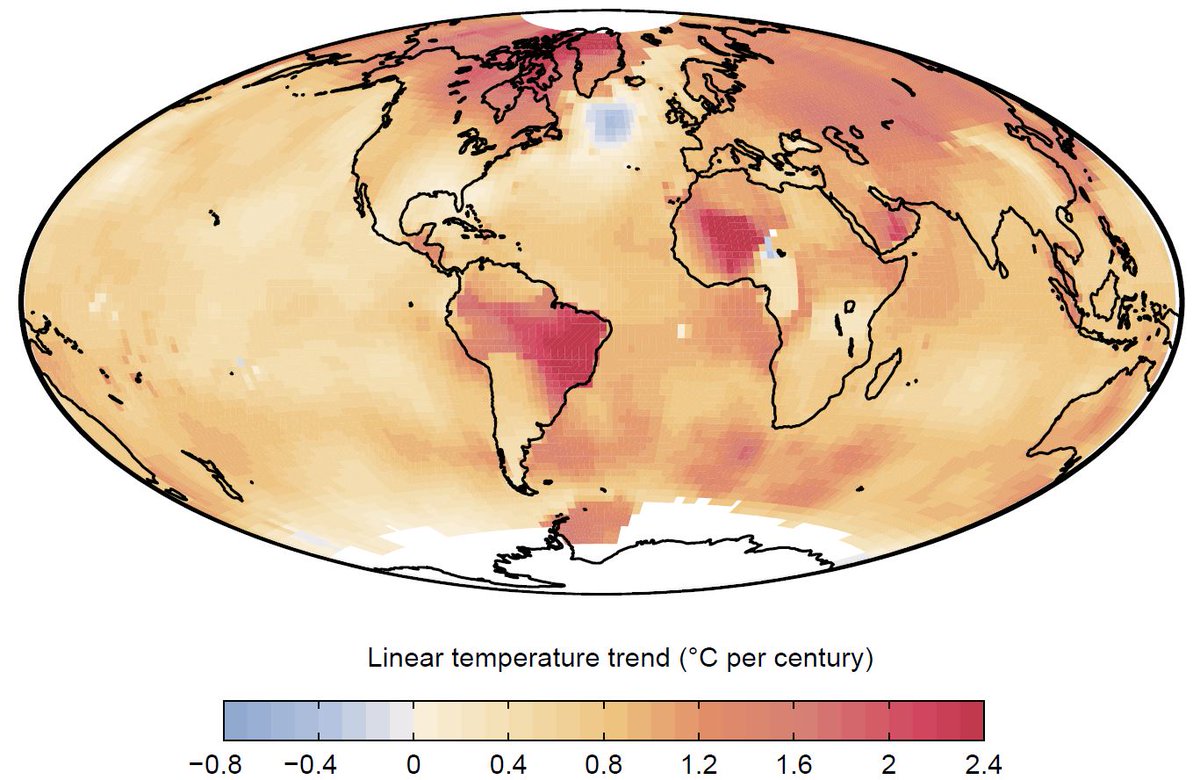
Let's go: observed temperature trend since 1901 from https://t.co/jGHxmrjzLG 🧵1/x
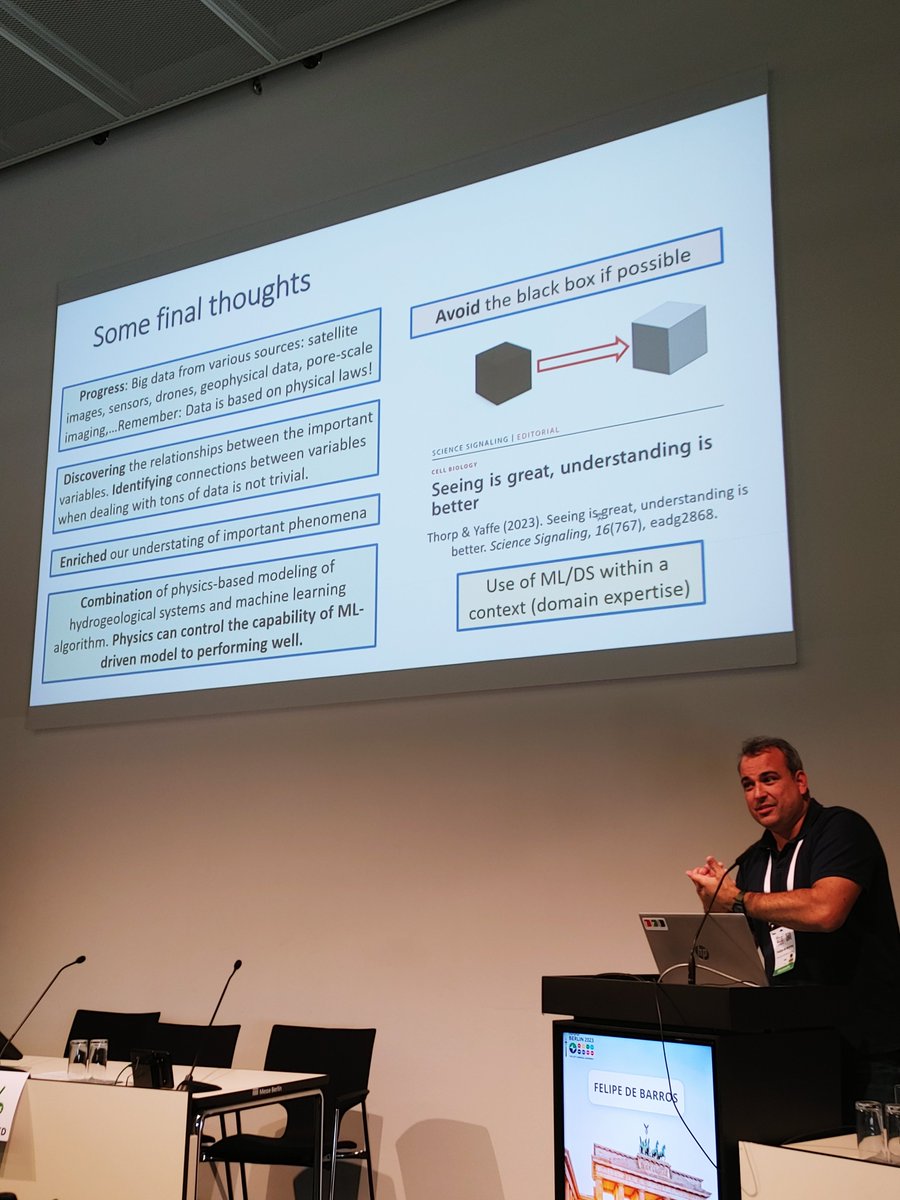
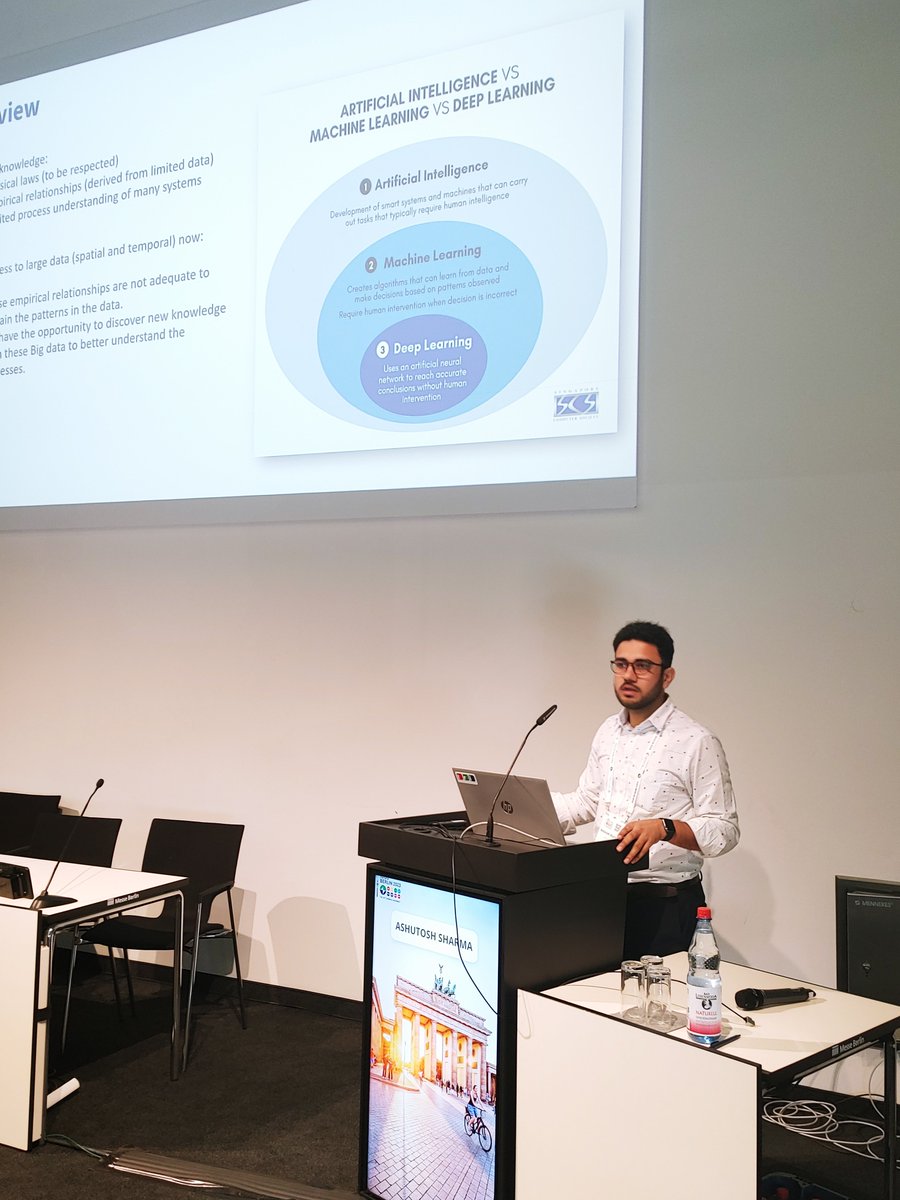
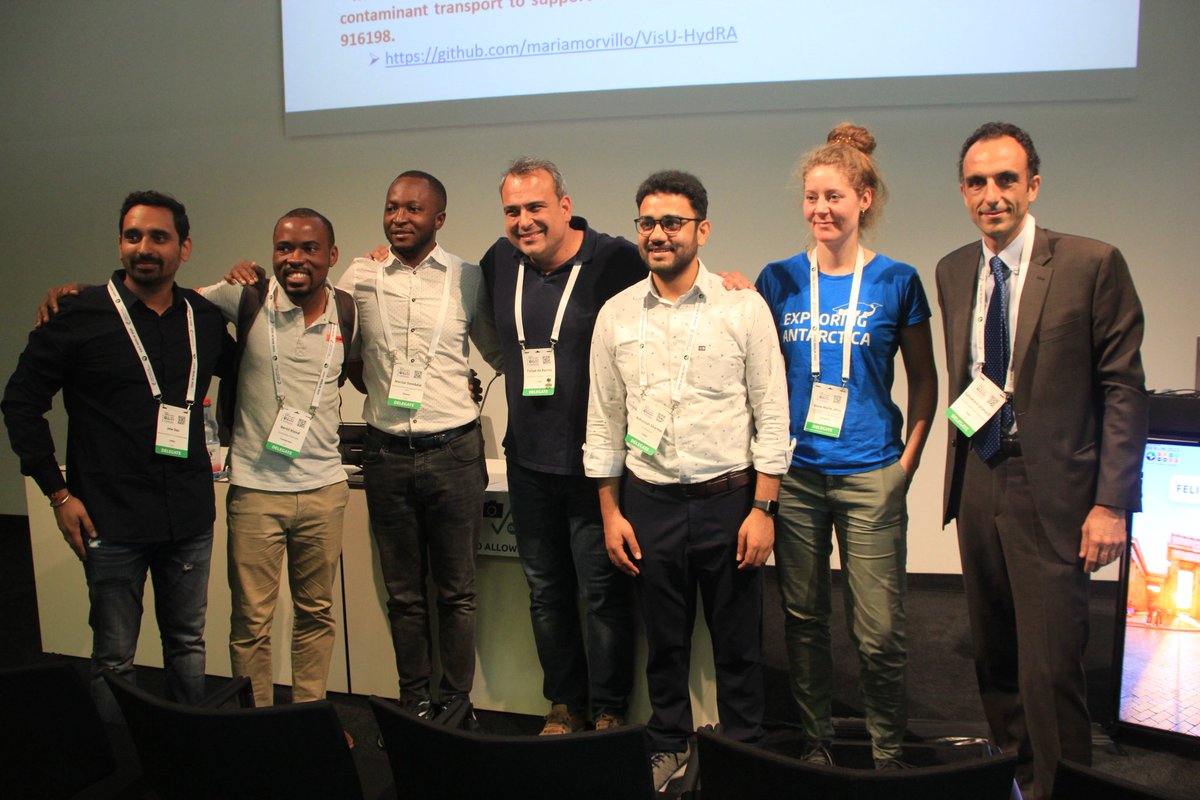
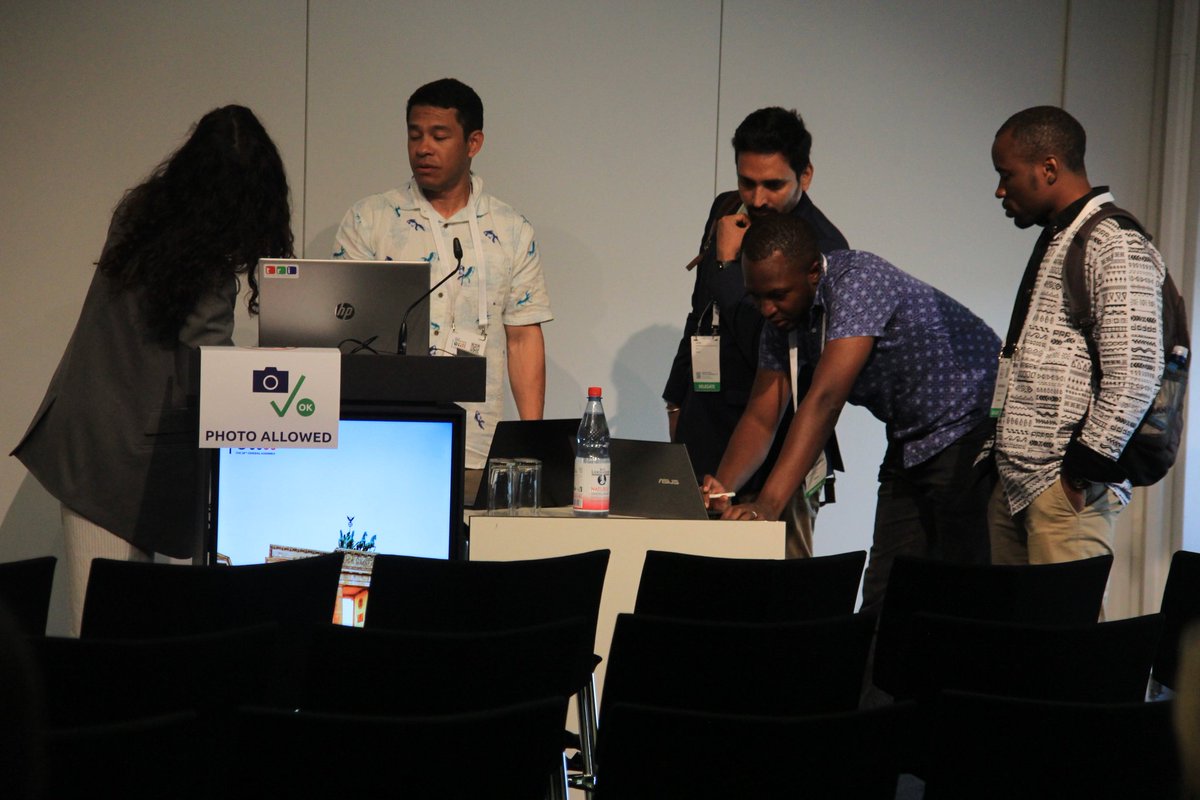
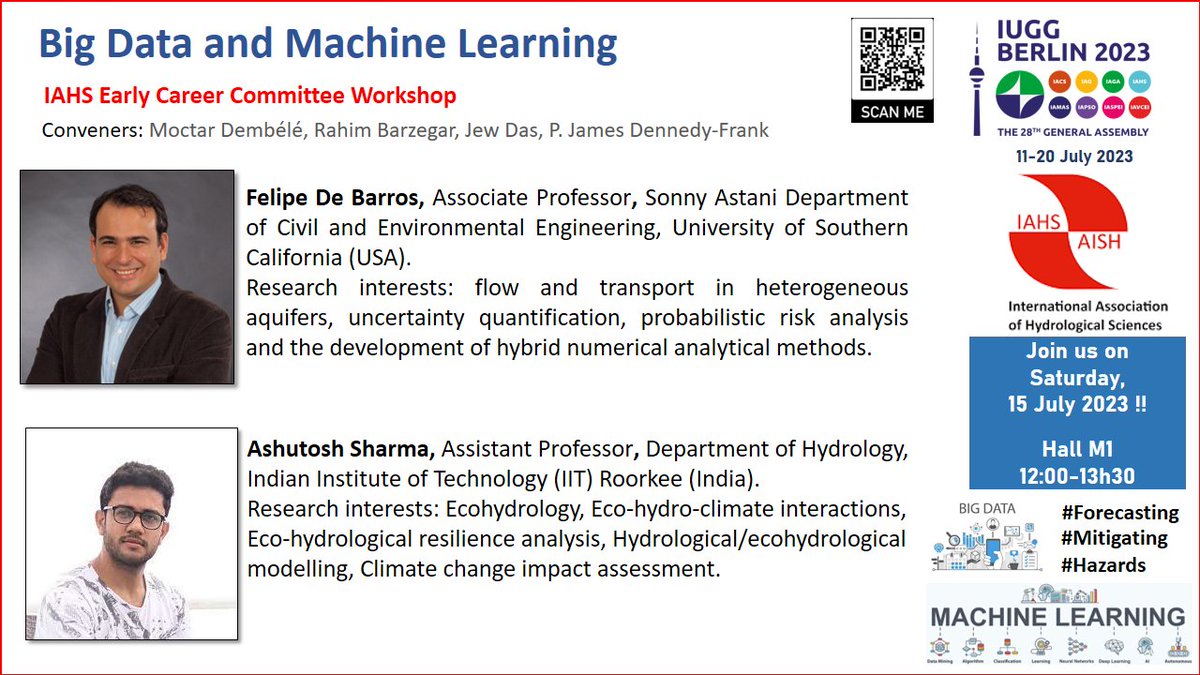
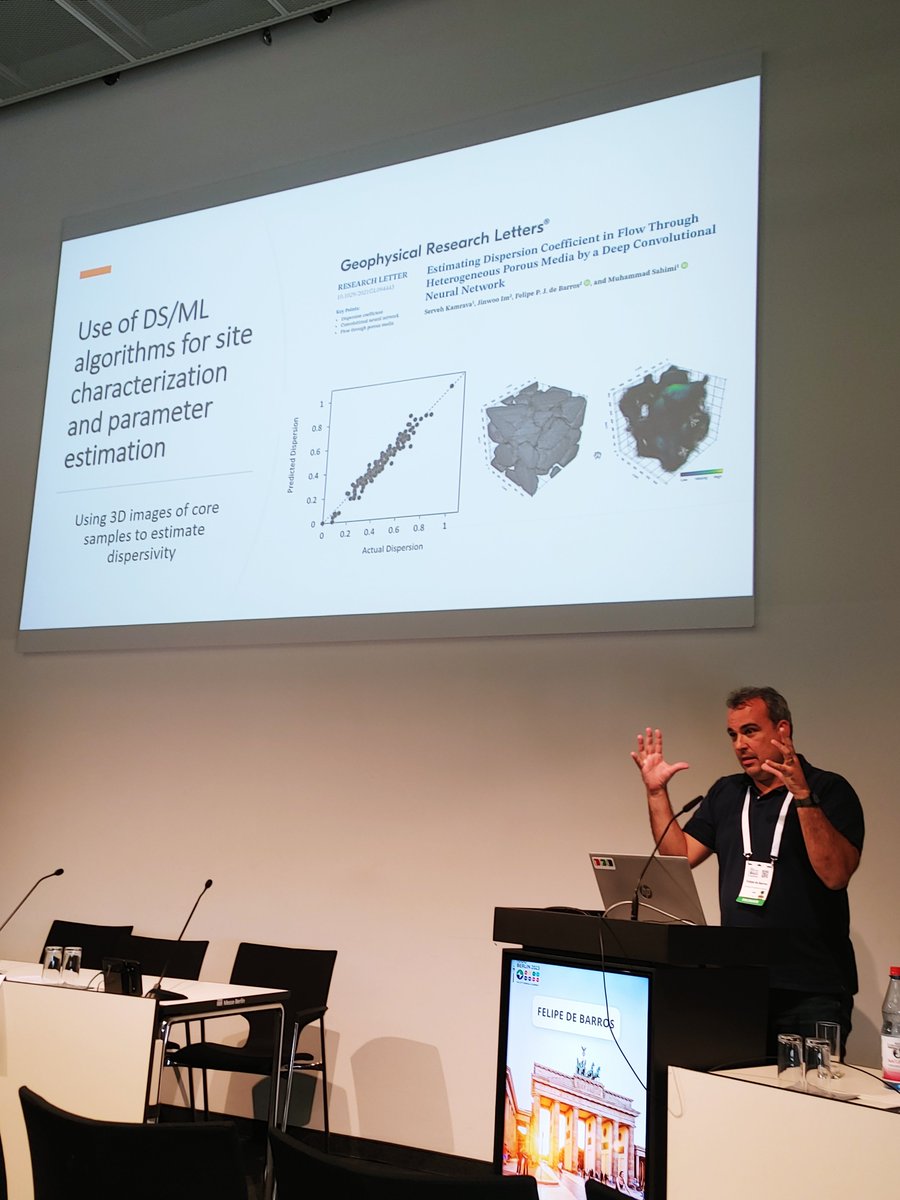
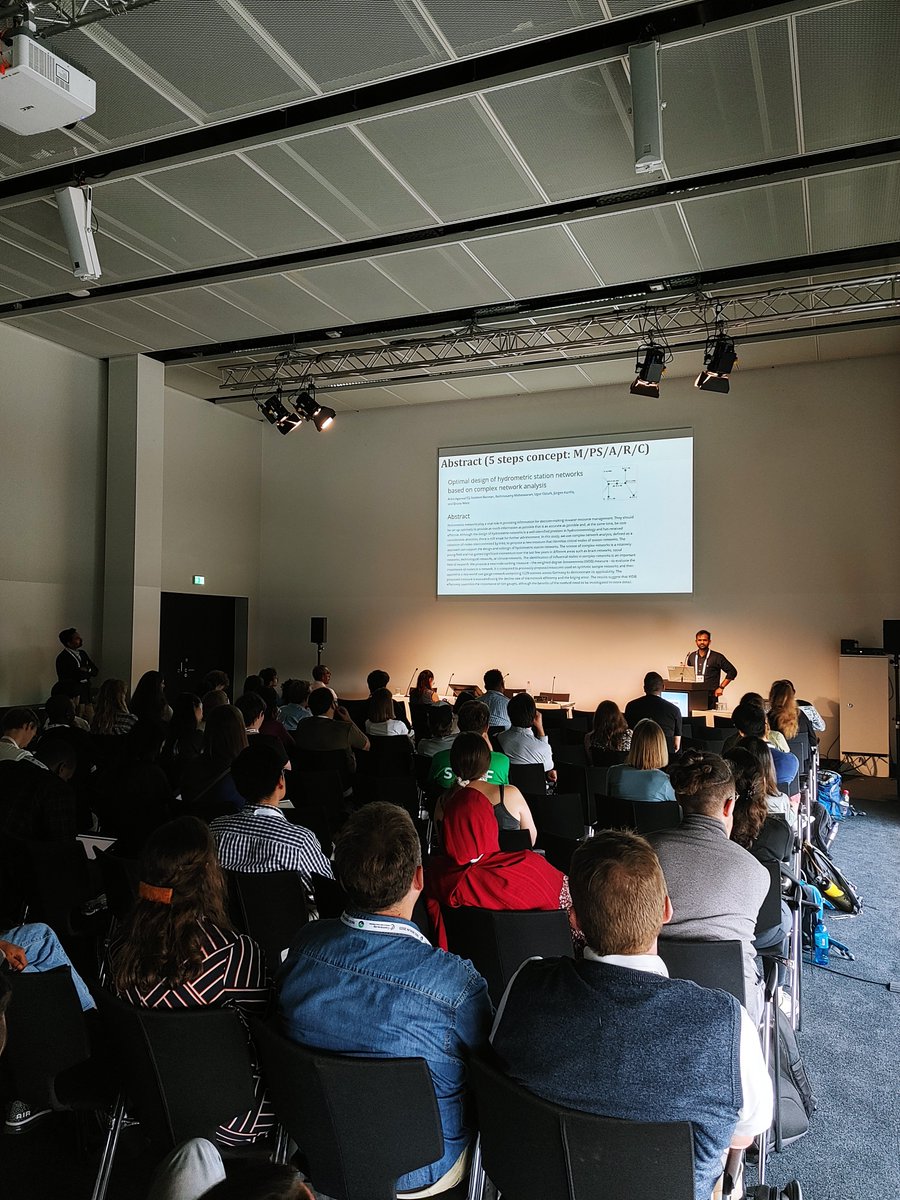
"Avoid the black box if possible" and rather go for "gray box" when using #MachineLearning algorithms was the recommendation of Filipe de Barros at the @IAHS_AISH ECC workshop at @theIUGG!
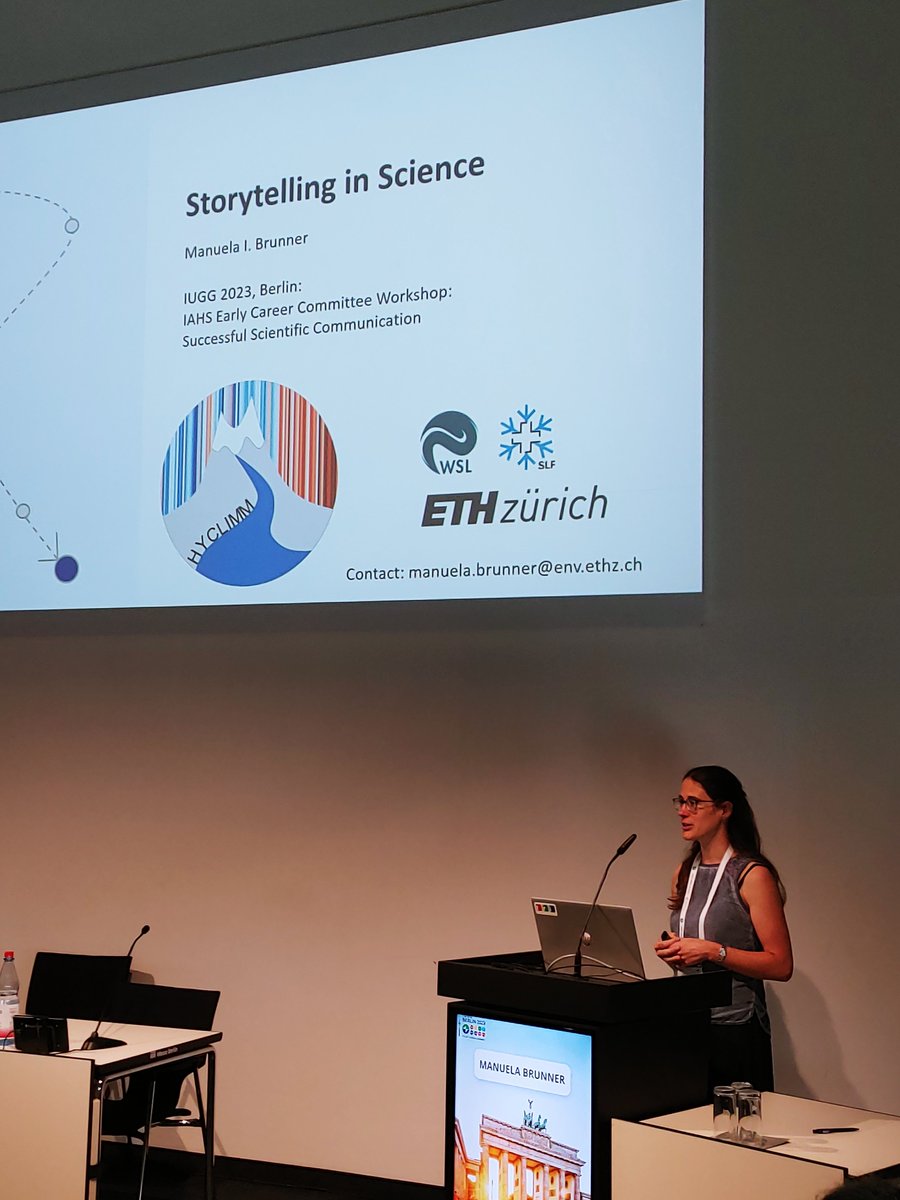
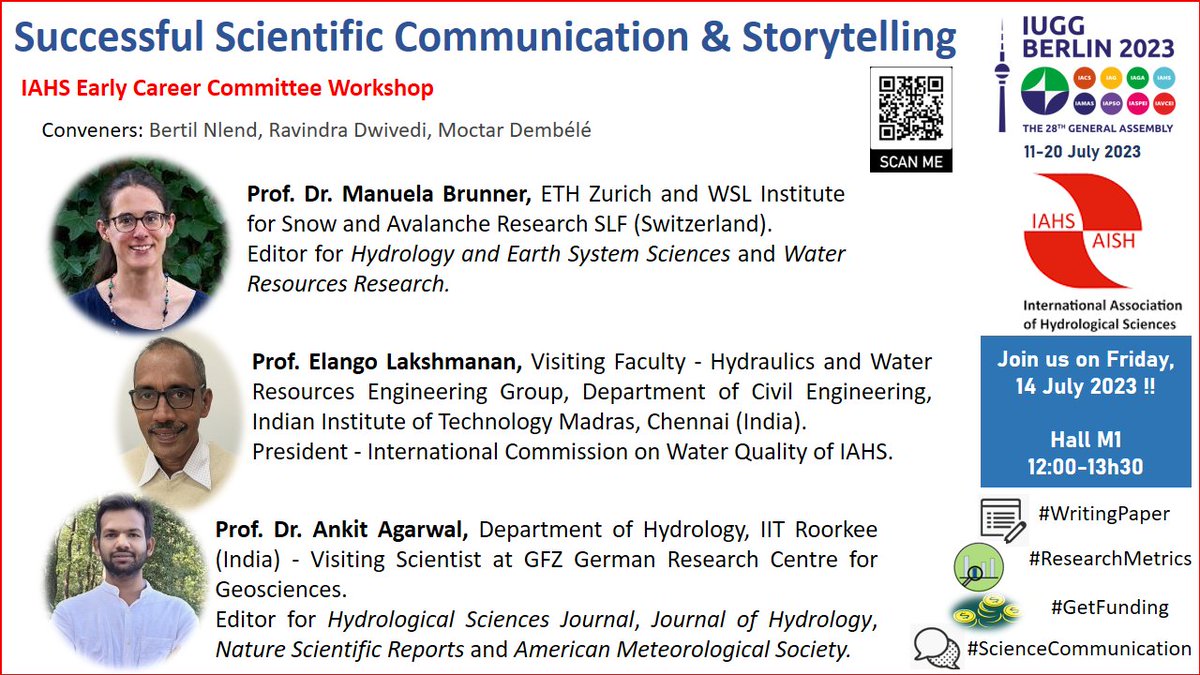
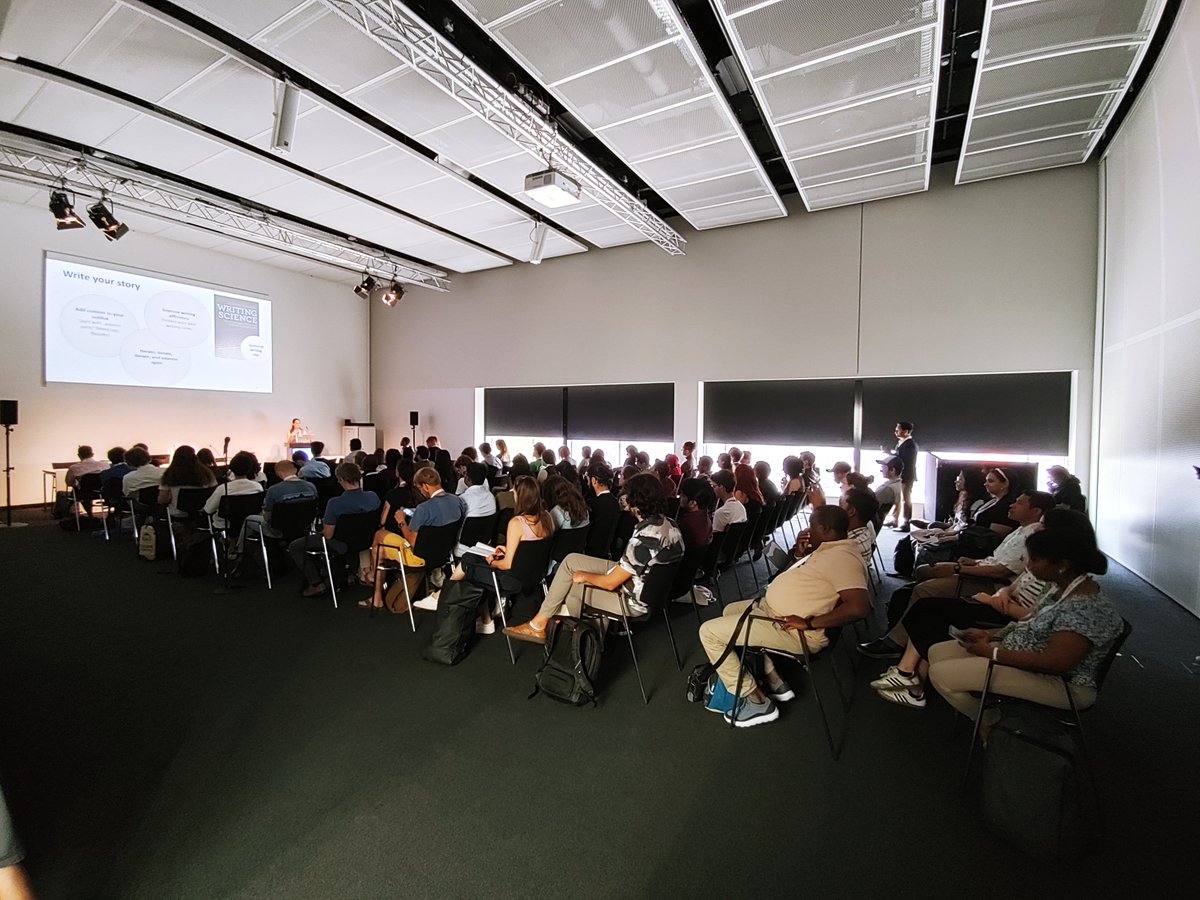
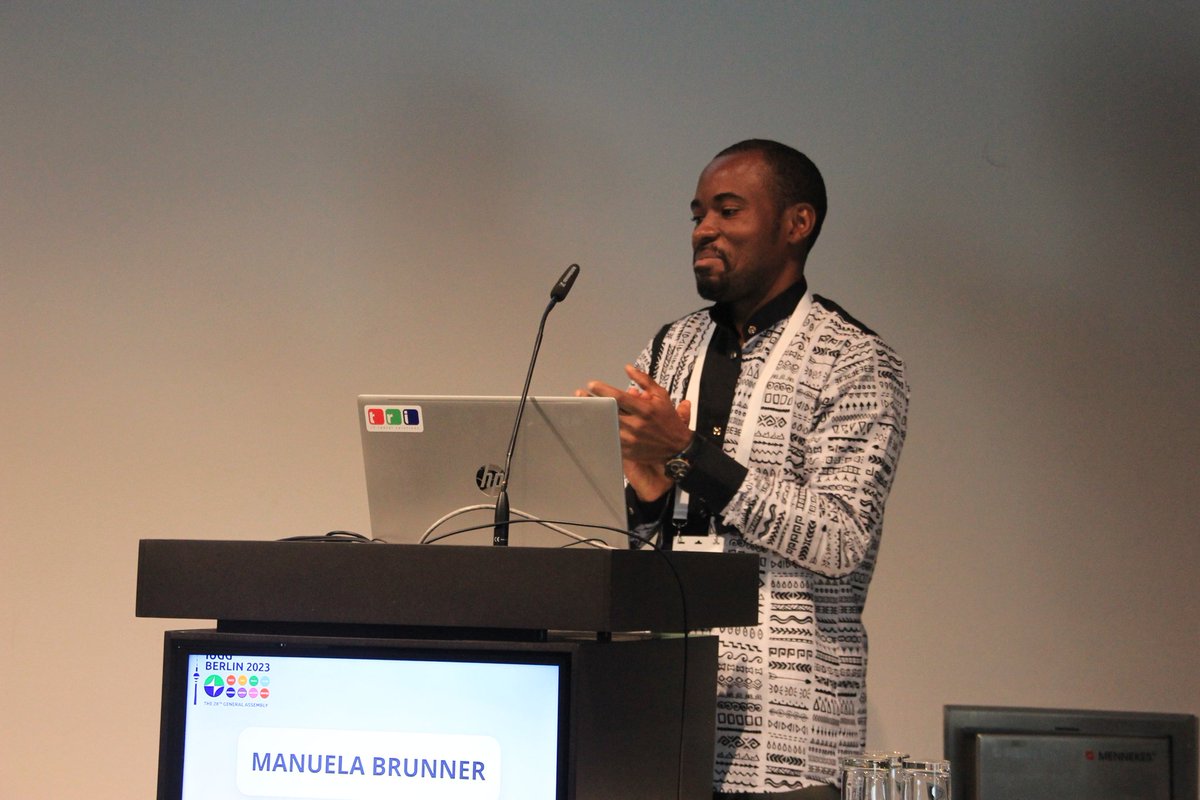
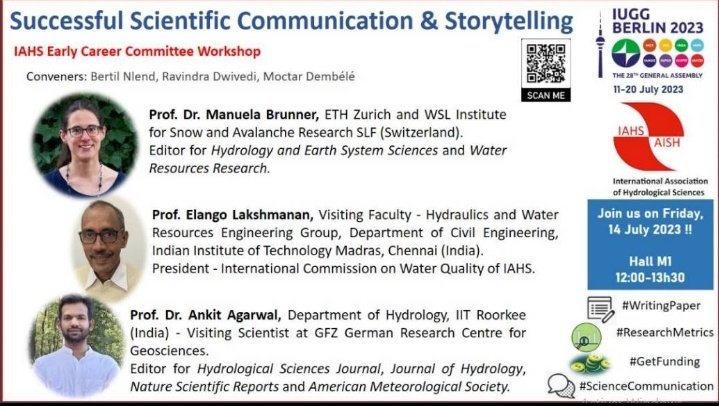
Thanks @ManuelaIBrunner for brilliantly taking us through the process of #Storytelling in #Science: Build, Organize, Visualize, Write, Revise, Submit and Communicate your story! At the @IAHS_AISH ECC workshop at @theIUGG!
Scientific research, whether conducted in the field and laboratory, or using computational approaches, inevitably has an environmental impact through fossil fuel emissions, energy consumption, and the use of computing and data storage facilities
Solutions ~>
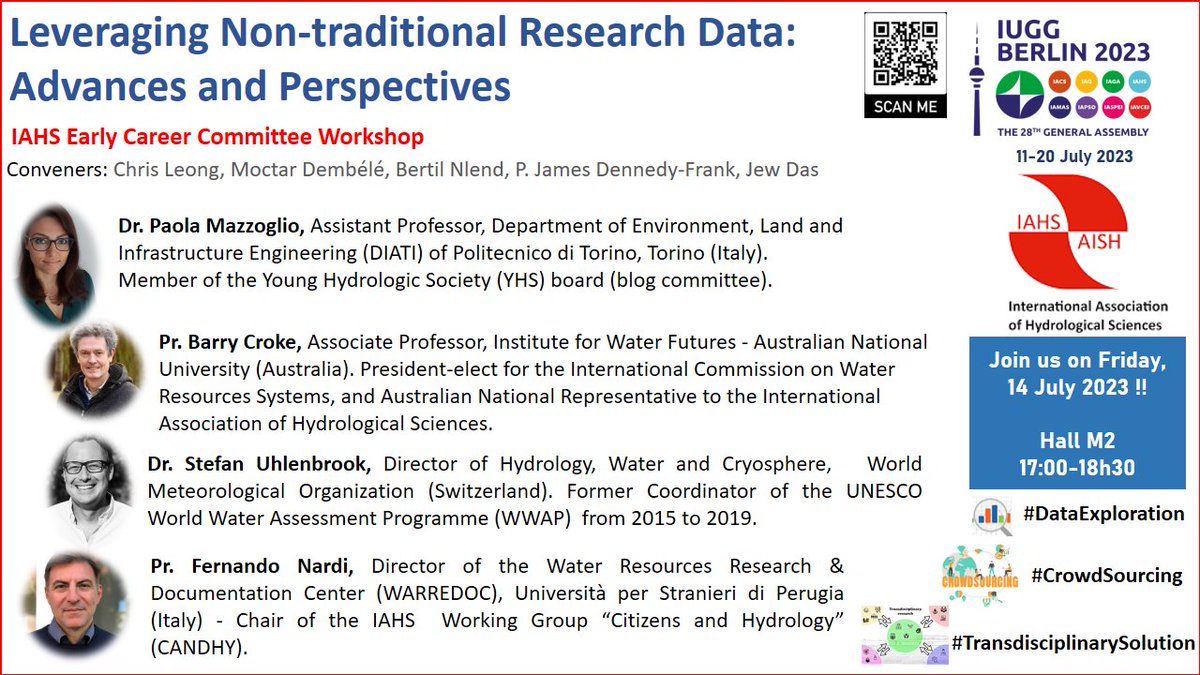
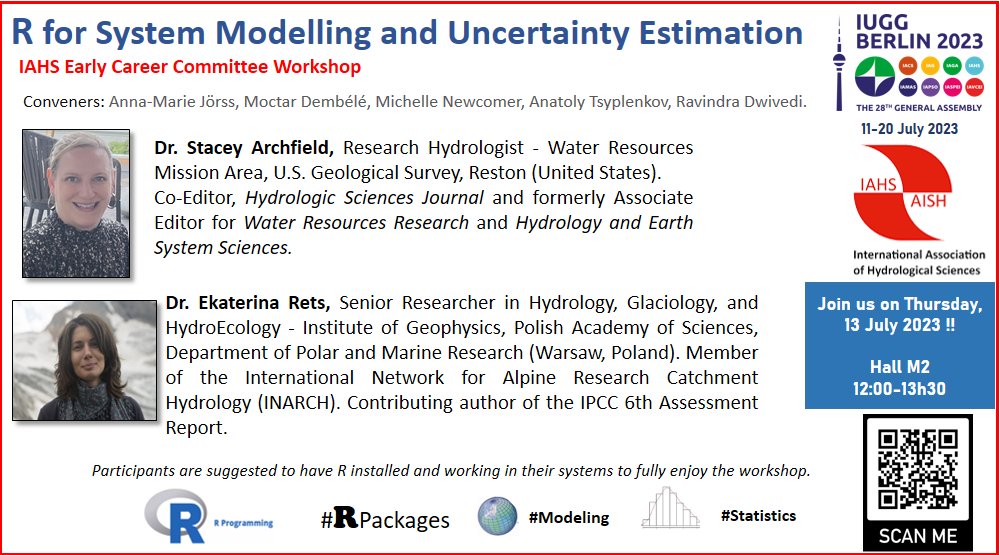
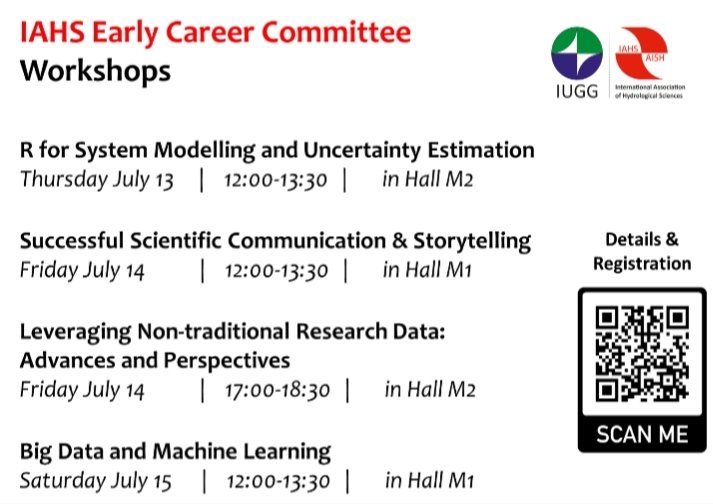
Join our #workshops at #IUGG2023 in Berlin. Four key sessions delivered by special guest speakers!!
Pre-Registration: https://t.co/UZ5OgpXvyu
Organized by the Early Career Committee (#ECC) of the #IAHS.
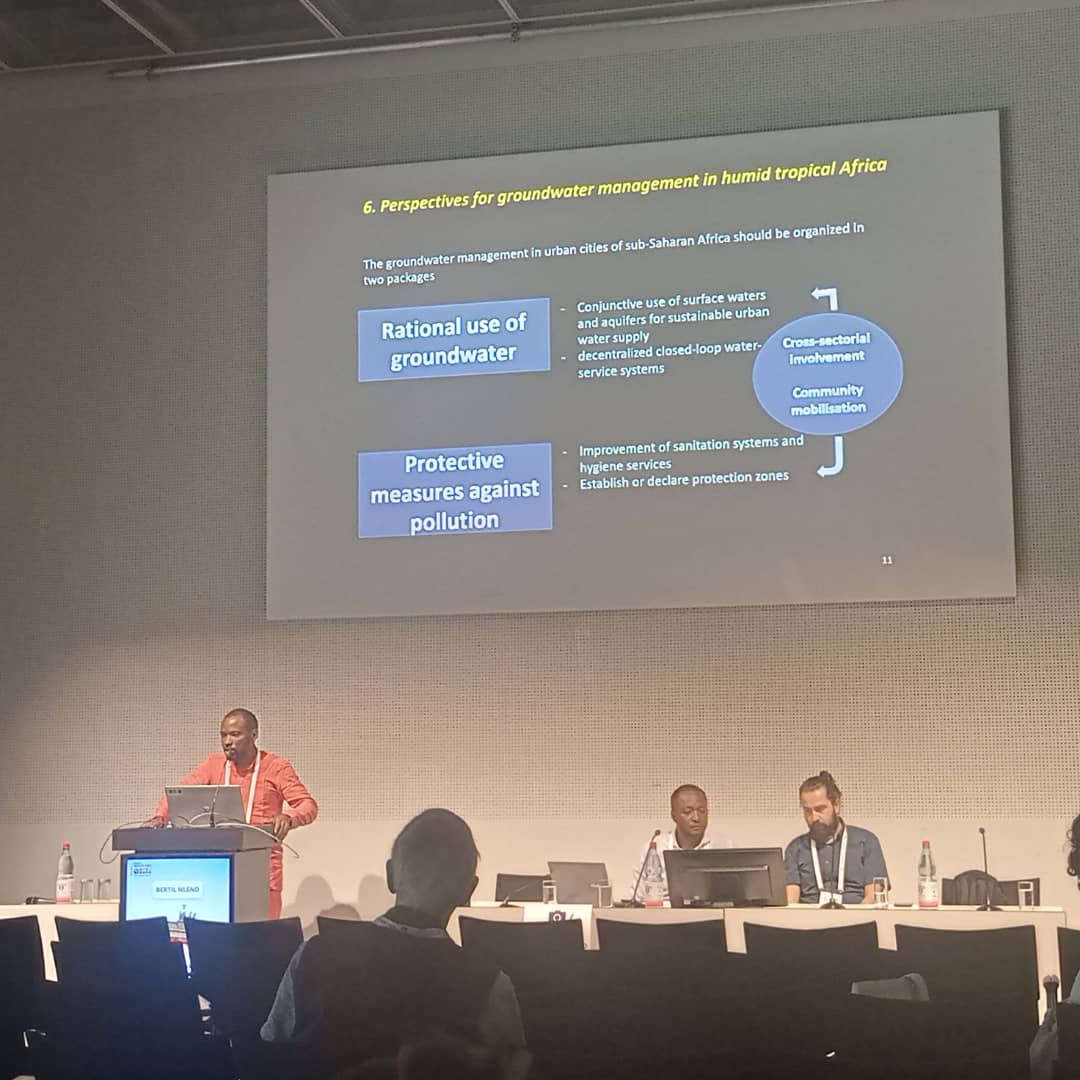
Excited and enthusiastic for @theIUGG General Assembly Berlin 2023 !! Come and join 🙋🏼♂️ our workshops organized by ECC-IAHS @IAHS_AISH Here is the final program. @HydroNewcomer@MoctarDEMBELE
Faculty face violent threats with shocking regularity. Here, I share my experience.
University leaders must to take threats seriously, and that means sharing our experiences and bringing ideas to the table.
#HigherEd@insidehighered
https://t.co/4EvdRrgcME
Atmospheric rivers (ARs) generate half of annual precip. in the W US and will increase with climate change...📢 but the impact of ARs on the integrated hydrologic cycle -especially groundwater- is largely unknown.
We explore in new @theAGU paper: https://t.co/UIIlEKuQ8t 🧵[1/7]