Maths - Me (& sometimes cats). Consultant; MaST; SLE; NPQLTD; NCETM PD Lead; School Development Lead; TfMastery Lead. All views & opinions shared are my own.
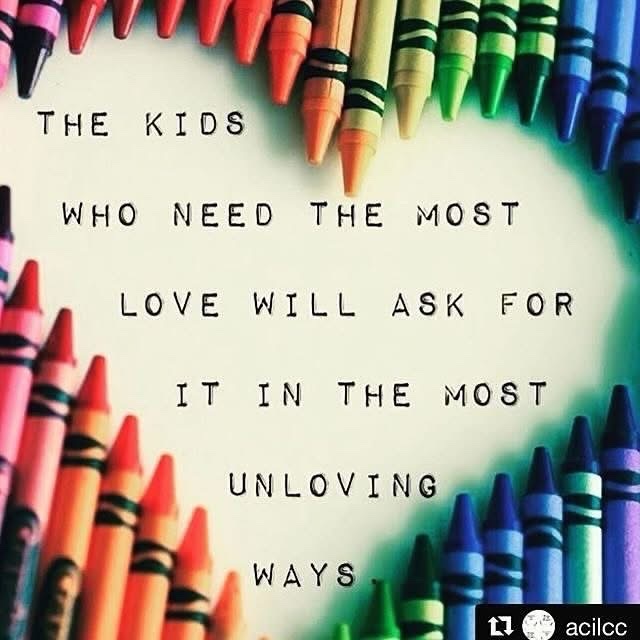
“Every child needs at least one adult who is irrationally crazy about him or her.”
A couple weeks ago I shared this wonderful quote from the developmental psychologist Uri Bronfenbrenner. And it’s true.
Every child needs at least one.
But how lucky are those who can count a whole collection of adults who feel the same way?
One of my favorite things on social media recently has been a series of videos shared to IG by gwynyth depicting not only her own interactions with her newborn son, but those of her father (aka Papa Brian).
Brian’s joyful rendition of Head, Shoulders, Knees and Toes is illustrative of the loving bond they share. Check out that eye contact. Those looks of sheer delight.
Frequently we discuss attachment and early relational health in terms of a parent (often a mother) and child. And while this relationship is indeed critical, the luckiest children have webs of secure, trusting relationships with multiple beloved caregivers.
We can each play a role in supporting the optimal development of the young children in our lives by engaging with love, care, and our full attention.
In a world where you can be anything, be like Papa Brian!
If you are looking for an open middle problem, where students can use many different strategies and get lots of practice, see Robert Kaplinsky's https://t.co/HDhbBG0kAQ. He calls them "challenging math problems worth solving."
#MathIsFigureOutAble#MTBoS#MathEd#Mathematics
Parents/grandparents: this post could save your family hundreds of dollars.
Did you know it’s possible for young children to have TOO MANY toys? 🧸 🎁
As Christmas approaches, grown ups often feel pressured to make the big day extra special - which can lead not only to over spending, but to more gifts than your little one can meaningfully engage.
In a 2018 study, researchers observed two different toddler play settings - one with 16 toys and the other with only 4.
What they found was that the children presented with fewer options actually engaged more deeply in play.
They stayed focused longer and used the toys available to them in more imaginative ways.
Which is just what we want, developmentally.
Parents participating in the study were asked, meanwhile, to estimate the number of toys available in their homes. Some self reported 90 or more.
90 different choices!
This holiday season I want to help both your baby and your credit rating… and assure you that this is a case where LESS can actually be more.
When purchasing toys, focus on quality, not quantity.
Here’s how:
As you consider an item, take a moment to brainstorm a list of its potential uses.
Is it something that your child might, with a little imagination, use in multiple types of play?
Does it lend itself to sustained engagement?
Will it help them to think, build, imagine, create, or problem solve?
If the answer is yes, you have a winner.
If the answer is no, leave it on the shelf.
Your little one doesn’t require dozens of gift wrapped boxes.
And buyer beware: they’re likely to be just as thrilled with the box as the item inside.
This little guy and his favorite plaything were shared by mariavmcauley on TT.
🚀 How can large trusts and Maths Hubs work together to transform maths teaching?
🔍 See how the Diocese of Salisbury Academy Trust is achieving consistent, high-quality maths teaching across 28 schools
🔗 Your trust could benefit too - explore the feature!
https://t.co/2SxpC402er
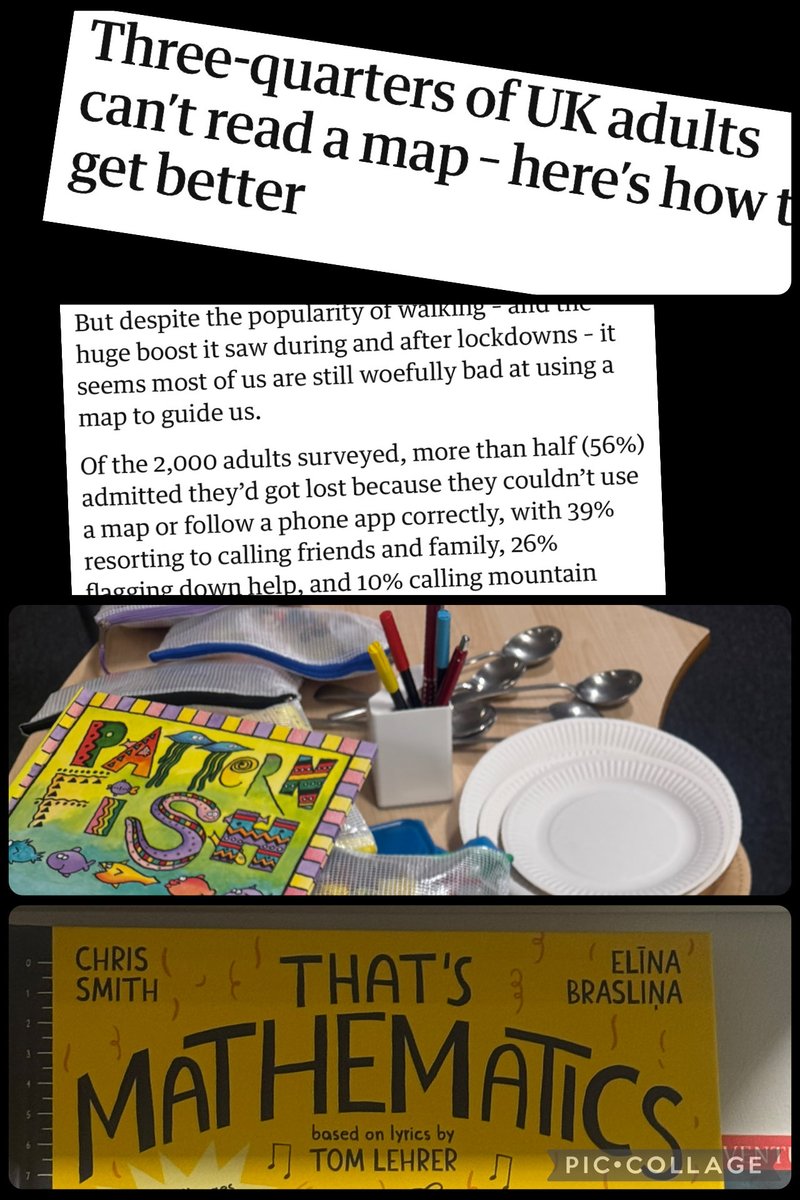
When on a programme to develop the specialist knowledge for teaching mathematics (SKTM) it’s important to engage in the mathematics as learners as well as teachers. Just one programme from @CentralMathsHub
3/4 of adults struggle to read a map! Spatial reasoning (such as map reading) underpins all areas of mathematics & yet we find it’s often under valued in schools, with arithmetic taking priority. @CentralMathsHub offer EYs & Primary SKTM programmes with SR focus
🧠 @ThinkingMaths joined a recent RISE webinar exploring the lifelong impact of early maths along with @CentralMathsHub Debbie Sullivan
They discussed approaches to teaching early maths, supporting children to meet ELGs + what leaders should know about key evidence and tools
🎥 Find out more
https://t.co/ETzbyQaZsY
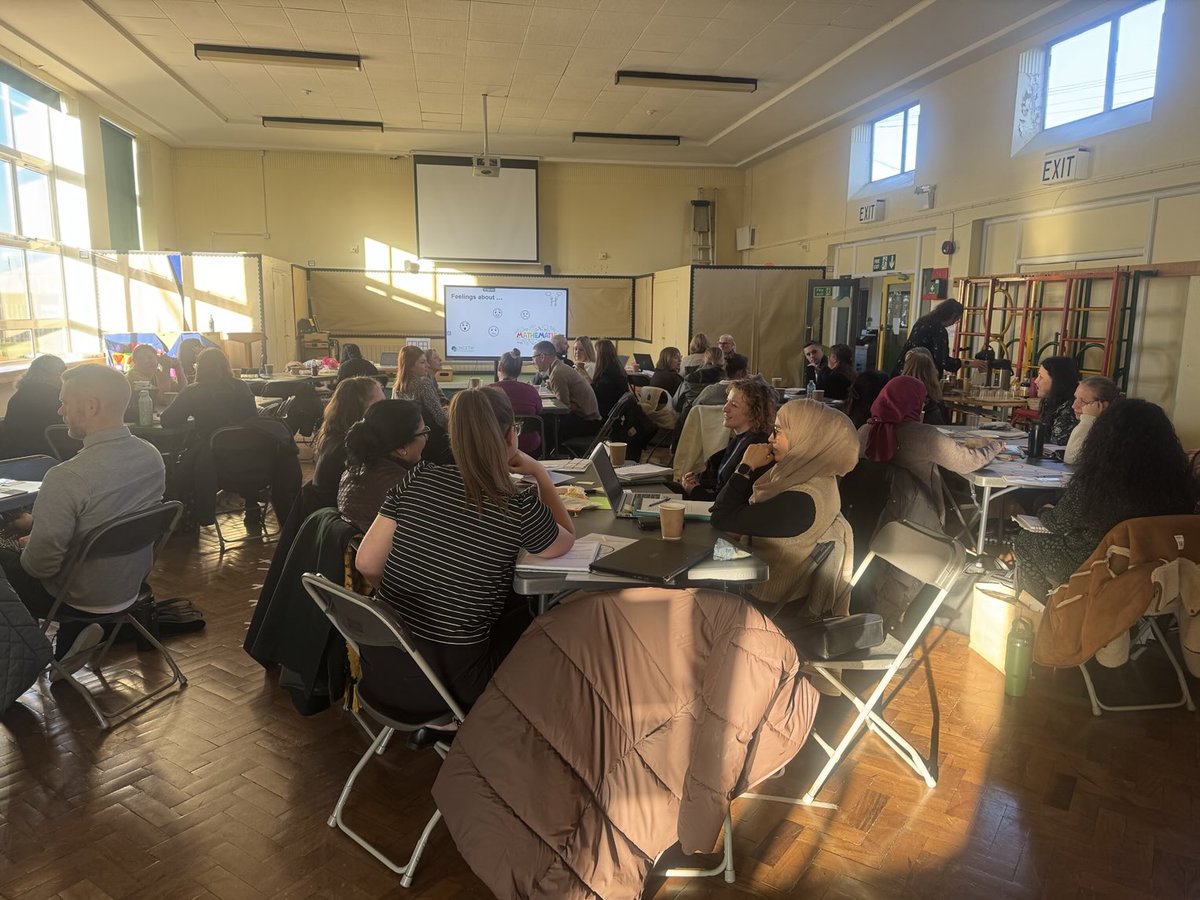
What gets praise in the maths classroom … quick, correct answers, or mathematical learning behaviours? @CentralMathsHub Thank you @HodgeSchool for being super hosts.
Can the Ready Progress Criteria & supporting resources be useful for diagnostic assessment? One of the things we plan to explore on our SEND in mainstream Work Group. @CentralMathsHub @HodgeSchool
Thank you @HodgeSchool for hosting our SEND in Mainstream Work Group today. A great day exploring strategies to apply in the classroom. @CentralMathsHub
Your face is your baby’s most important information source.
Infants use faces for a whole host of purposes - not least of which are gauging our moods and assessing their safety.
I just love this video shared recently to TT by kuuipodawn.
In it, we get a glimpse of baby assessing not only what mom is up to as she washes dishes in the sink - but what mom thinks of it.
Is this safe?
Is it scary?
Is it fun?
Like a little detective, our hero cycles back and forth between checking out mom’s actions and mom’s face in an effort to assess the full picture of just what happens at the sink.
What a keen observer she is! And kudos to mom for providing a new vantage point for her learning.
🪄 Mastering Number isn’t just transforming maths in mainstream primary classrooms - it’s working in special schools too.
At @Rocklandsstaffs, pupils with complex needs are building confidence, fluency and joy in maths 🤩
👉 Read their story https://t.co/P92Ufb1Kth
Out Now - This Worked for Me Too! Building on the success of 'This Worked for Me', Experienced teachers share their insights, reflections, and practical advice on strategies, lessons, and resources that have proven effective in their teaching of KS3/4 https://t.co/Ny04uQaBYE
📍 40 Maths Hubs cover the whole of England
They bring together teachers & leaders to share ideas, test approaches & improve maths teaching
It’s not about 'joining', it’s about connecting 🤝
💡What could your hub offer you?
https://t.co/1xtzL72WE5
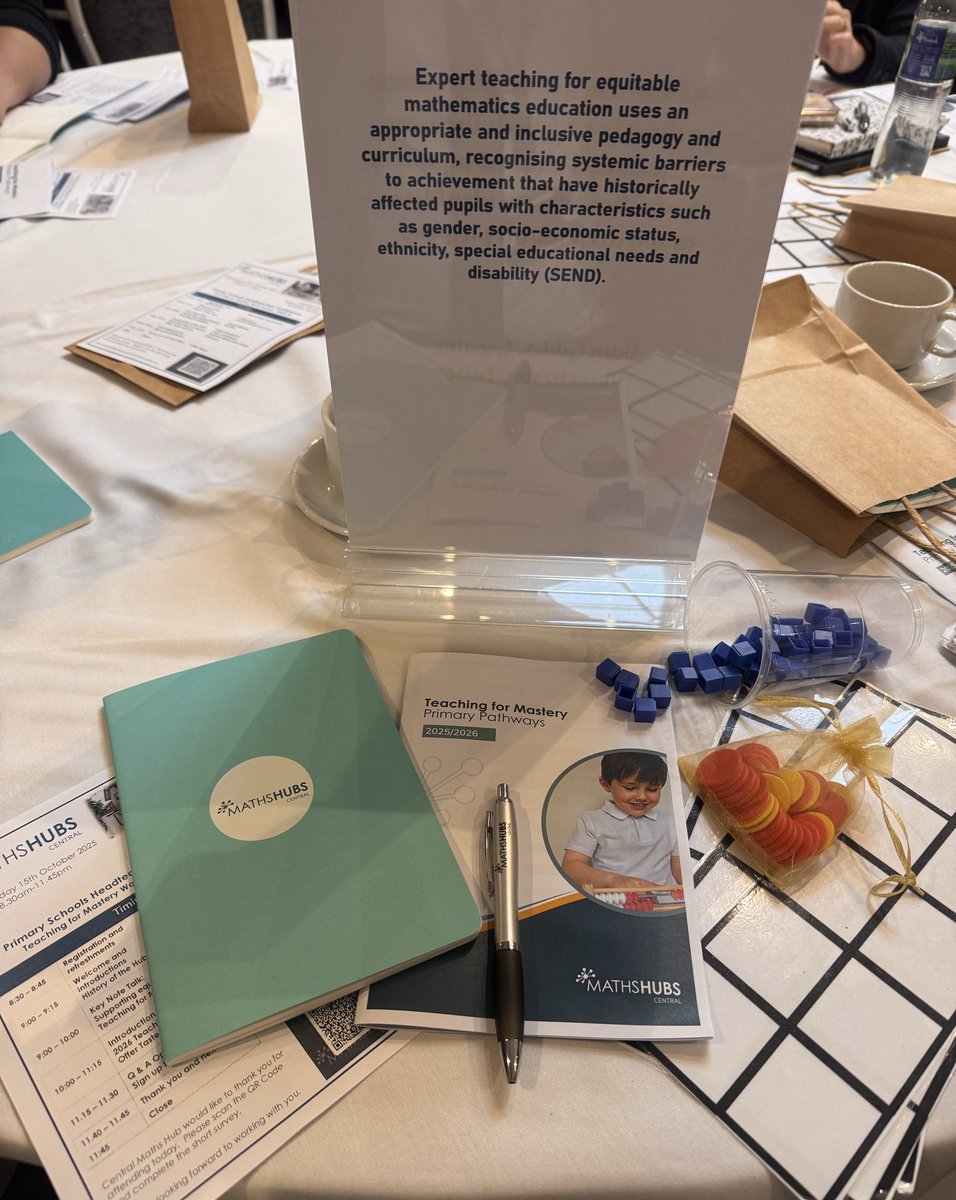
Pupil Premium is a label, a starting point. Low family income is a state in which families exist. It isn't static. It impacts learning, opportunity, wellbeing, confidence. Family stressors exacerbate. We mitigate LFI through great teaching & learning, enrichment & pastoral care.
What a thrill to watch your child take their first steps.
But I want to spotlight something else about this video (shared on IG by sean.nicol): the sheer perfection of the support system created by its adults.
They teach us a lesson about learning that extends far beyond walking.
If you watch closely, you’ll find that mom and grandpa have created a scenario in which baby is challenged to the limits of her ability AND provided the supports needed to guarantee her success.
From the moment grandpa lets go, mom’s waiting arms are close enough that baby’s safety is ensured.
But watch what mom does as the baby finds success: She slowly retracts her arms and even begins to lean backward ever so subtly - extending baby’s runway while maintaining this safety net.
As a result, what might have been journey of 1-2 steps was extended to 5-6.
Simply fantastic.
This is how all learning takes place: just beyond the limits of our prior success - and with scaffolding from caregivers, teachers, and more capable peers who help propel us just a little bit further than we’ve ever gone before.
Is you child working to master something new?
How might you adapt the lessons of this video to scaffold their success?