Q&A about chronic hypophosphatemia (x-linked, autosomal, or #TIO) from a decidedly patient-focused POV. #XLH patient, not a doctor, not giving medical advice.
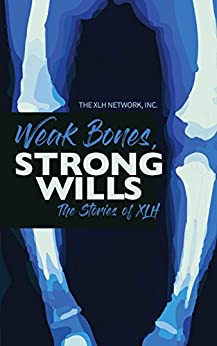
Q: Where can I find more about hypophosphatemia from the patient perspective? A: Voice of the Patient report for the EL-PFDD on hypophosphatemia; Patient Perspective in Journal of Endo Society, and collection of essays in Weak Bones, Strong Wills. Links below.
100% certain. For coverage of this 100% certainty, read my discussion with @froomkin on how newsrooms must have plans for this moment of disinformation. It isn't just about accuracy. It is about ensuring that we don't feed the disinformation beast. 1/
As we approach the launch of the #RareDiseaseDay campaign, we're excited to share that our 2025 resources are now live on our website! 📚🎉
You can find them using the following link: https://t.co/lLgsmLrUvN
[People living with rare diseases get a PhD in their condition]. You have to become the expert to create that plan” - Charlene Rigby @GlobalGenes#rarehealthequity#raresummit
@JBMRPlus The biggest and best innovation you could introduce to peer review would be to incorporate patient feedback, not so much for the science per se, but for pointing out researchers' misconceptions about the lived experience, which undermine their conclusions. #ListenToPatients
“How did the discussions with your patient partner impact you?” 💬 The feedback that we’ve received from medical students who’ve participated in our RARE Compassion Program at the Ross University School of Medicine has been inspiring and promising! #RARECompassionProgram
@DeannaPortero Yeah, I opted out yesterday when I heard about it. Thought it was a fake warning at first, but confirmed that I'd been opted in, which I never would have done voluntarily.
And that's just off the top of my head. What we don't need is one more literature review or retrospective study of the multiply-confirmed symptoms. ASK US DIRECTLY WHAT WE CARE ABOUT, not filtered through clinicians or other third parties. #ListenToPatients
Has anyone asked #XLH (and other chronic hypophosphatemia) patients what we would like scientific answers to? Because most of the research I'm seeing is repetitive and doesn't address our real issues. #ListenToPatients
We desperately need to know more about burosumab dosing, and how it can be tailored for individual patients, instead of automatically applying the one-size-fits-all model, that doesn't work for clothing and even more so doesn't work for health care.
We desperately need pain treatment, and more understanding of bone pain. (There is some work going on with respect to pain management, but not actual treatment.)
We need to know the age at which XLH patients are forced into early retirement or underemployment. We need to know what physical (and energy) limitations are restricting our ability to work. We need to know more about the effects of childbearing on our bones.
We desperately need to know more about the dental symptoms. We desperately need to know more about muscle function symptoms. We desperately need to know if, in fact, we have a higher risk of cardiac issues due to FGF23 excess.
We desperately need a treatment for enthesopathy (which would also be valuable to more common disorders). XLH is the perfect community to study for this process that's so poorly understood, since virtually all of us have at least some of it by age 30.
While it's good to have more data confirming that the #XLH patient's symptoms and experiences are the same around the world, these piecemeal collections of data are just repeating what we already know. We need a comprehensive natural history study to find out what we DON'T know.
A new study in #JBMRPlus collected information on Japanese and South Korean patients with X-linked hypophosphatemic rickets/osteomalacia to better understand the disease progression, life quality and current treatments @ASBMR @OUPMedicine
Read more here: https://t.co/UzeVp4T6LL


![Cleverlychangin's tweet photo. [People living with rare diseases get a PhD in their condition]. You have to become the expert to create that plan” - Charlene Rigby @GlobalGenes #rarehealthequity #raresummit https://t.co/zsNn3HHQJf](https://pbs.twimg.com/media/GYaRJSLaMAE_TKV.jpg)







![Cleverlychangin's tweet photo. [People living with rare diseases get a PhD in their condition]. You have to become the expert to create that plan” - Charlene Rigby @GlobalGenes #rarehealthequity #raresummit https://t.co/zsNn3HHQJf](https://pbs.twimg.com/media/GYaRJSRaMAgbmPo.jpg)


