Present at the 2027 Iowa Science of Reading Summit! Do you have expertise in elementary or secondary strategies, writing, learning disabilities, data-based decision-making, or leadership and admin? Submit a presentation proposal by January 8: https://t.co/B5uHXjlC81
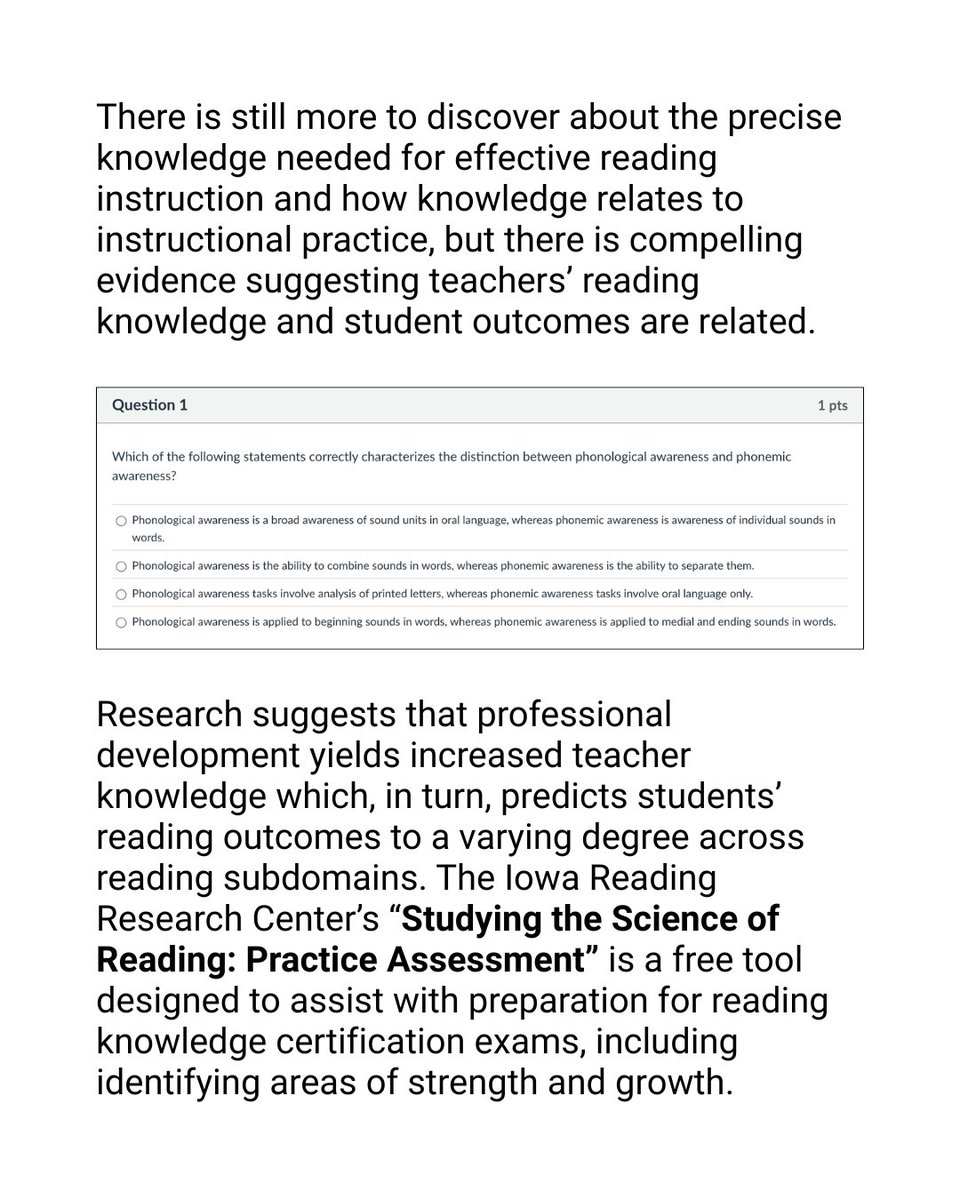
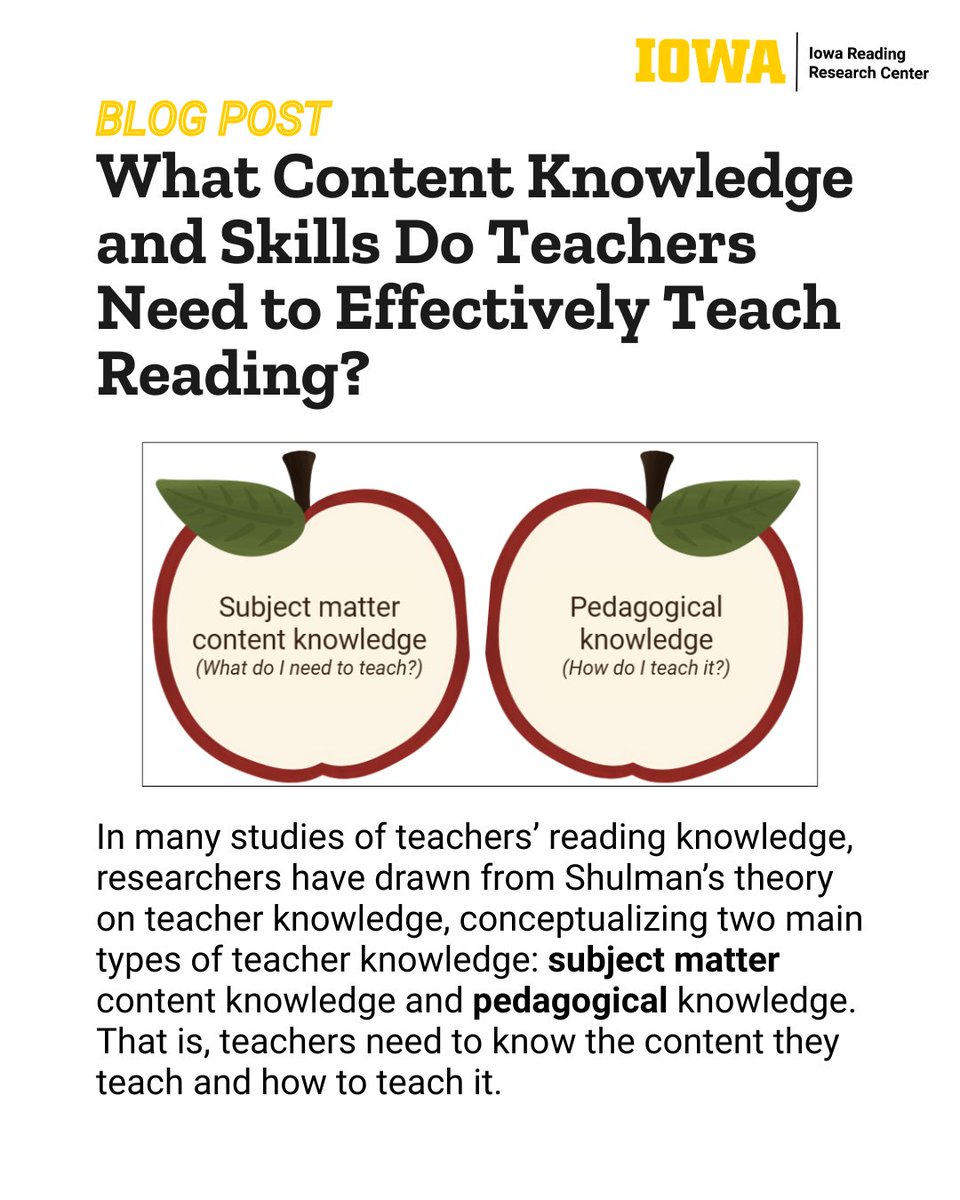
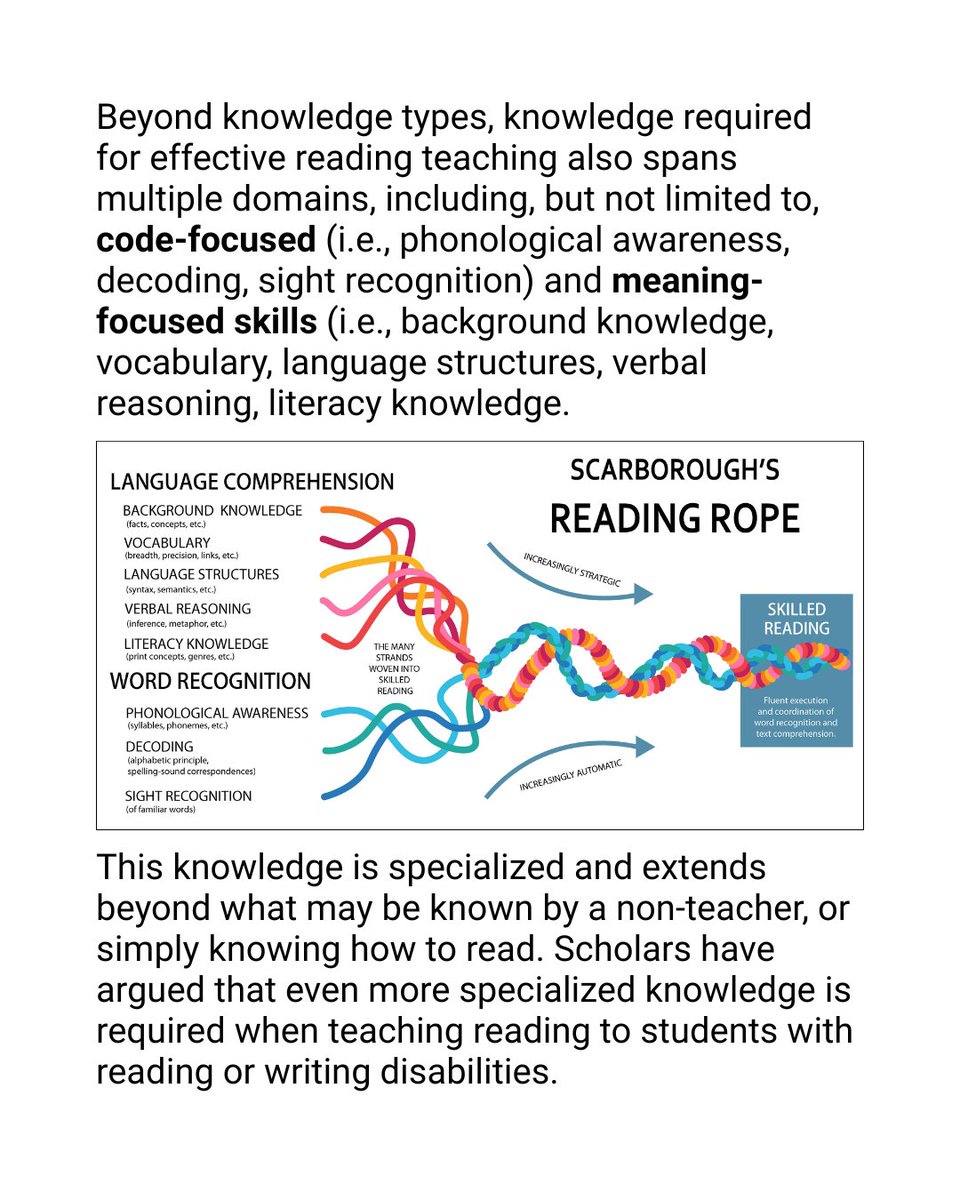
How does teacher knowledge of reading contribute to student learning? This blog post provides an overview of the research on teacher knowledge, the assessments used to measure it, and its impact on student literacy success: https://t.co/5MTYUn8OaO
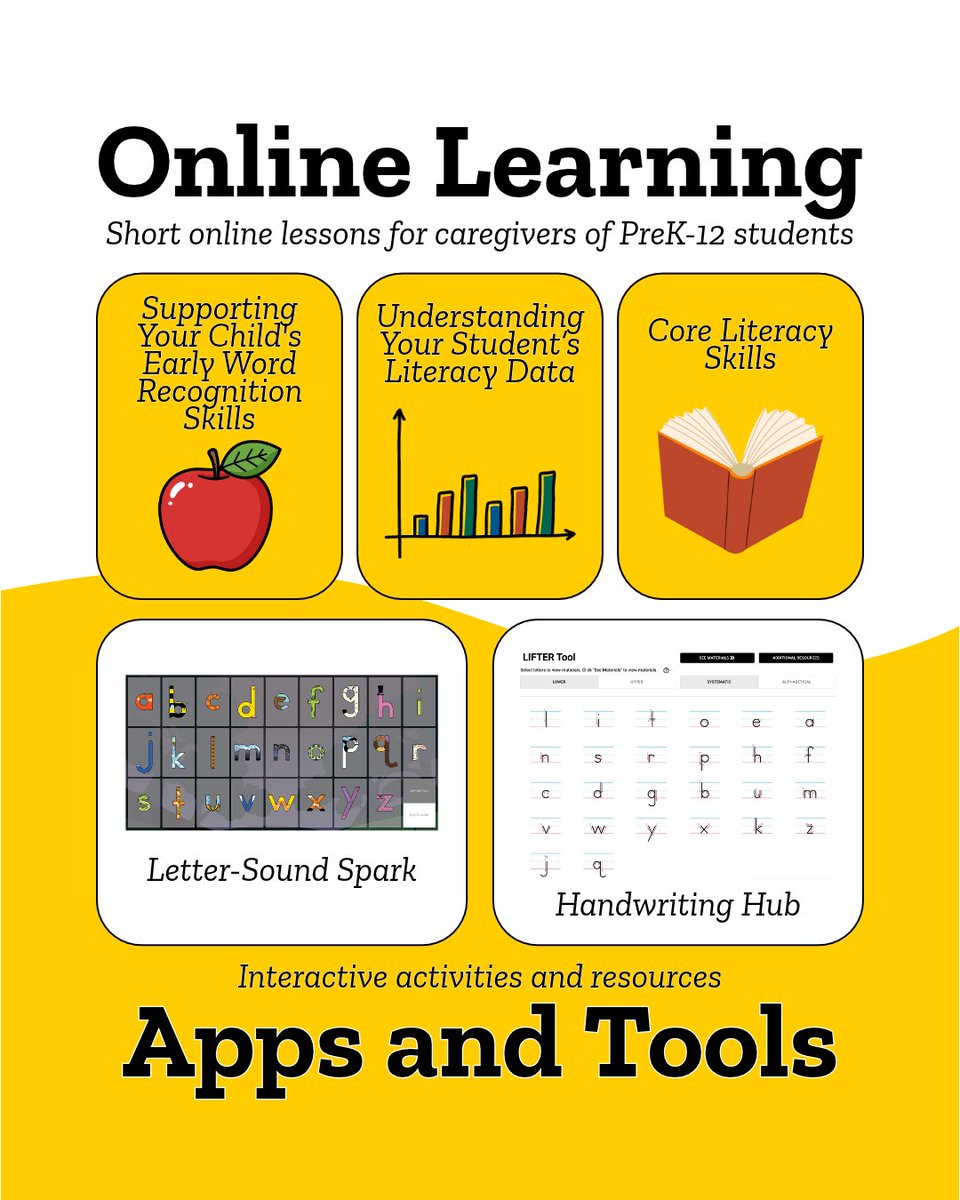
It’s National Family Literacy Month! For free children’s literacy resources designed for parents and caregivers, visit the IRRC’s Caregivers Resource Hub: https://t.co/y7RfDKnCMu
Need help planning your next literacy lesson? Check out our collection of free example lesson plans for elementary and middle school students! https://t.co/9Z2SGUC5XE
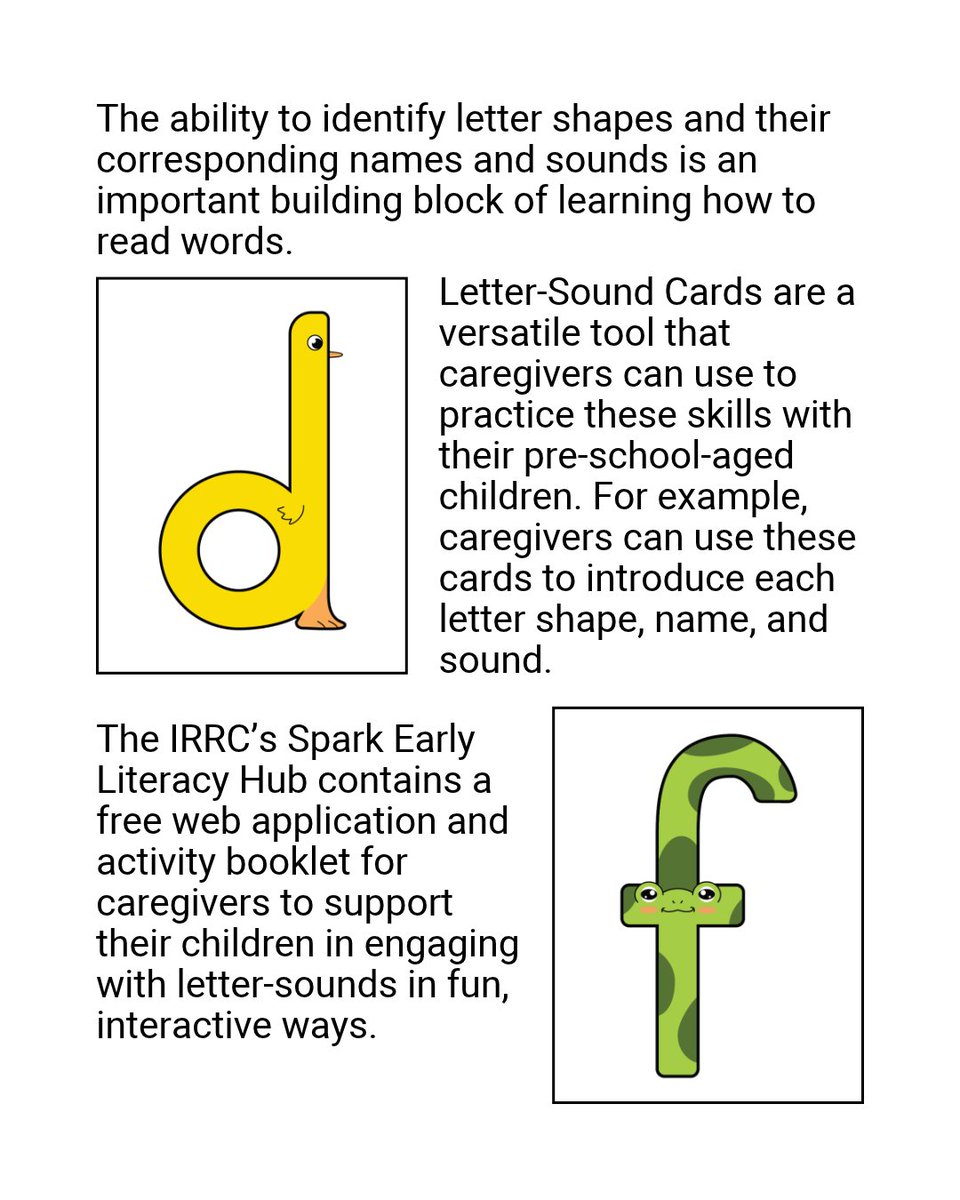
Learning the alphabet is not just about learning the names and shapes of letters. It’s also important for children to learn letter-sounds! To access free resources to support children’s early literacy skills, visit the Spark Early Literacy Hub: https://t.co/TQhI6jdFxQ
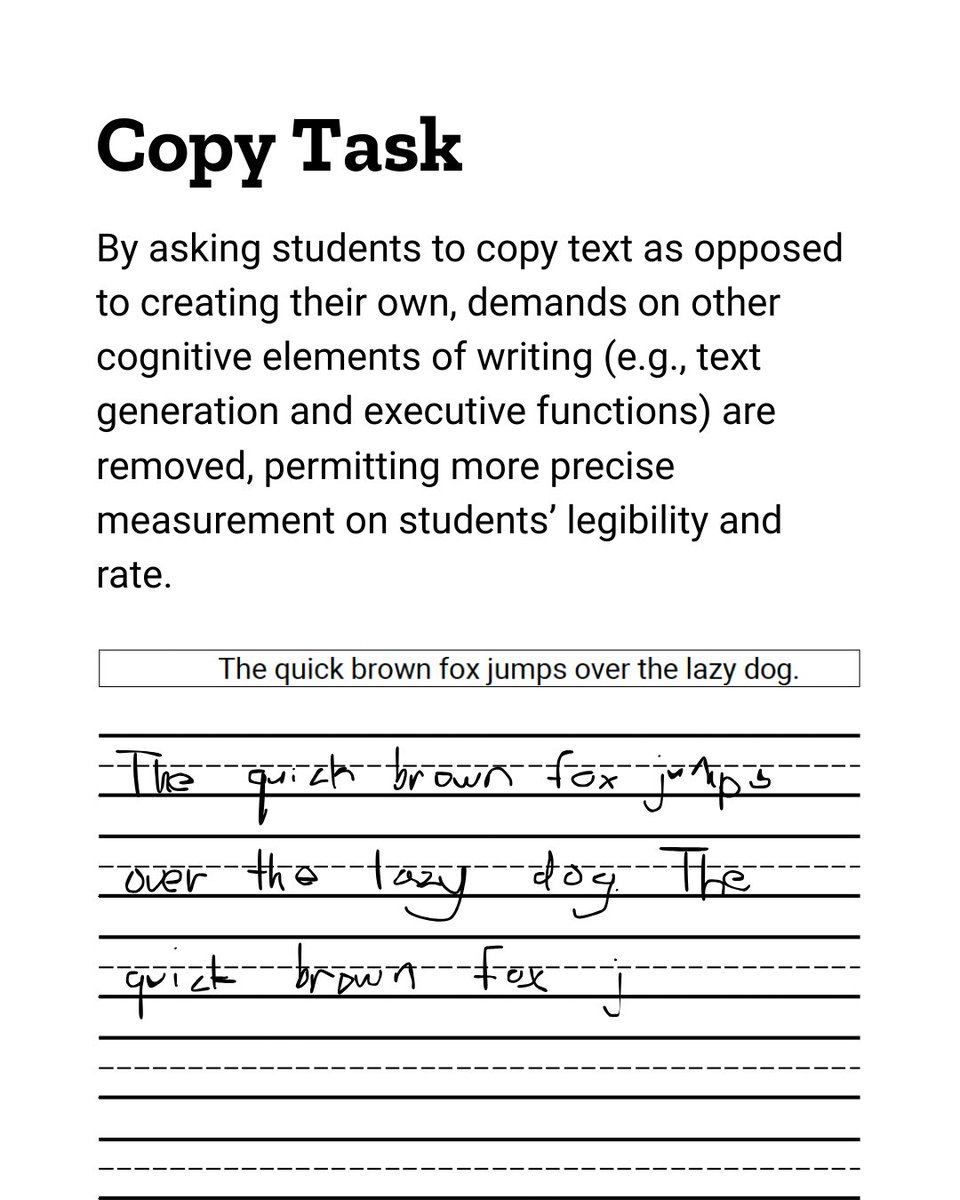
How do you assess student handwriting? Take our free eLearning module to learn about two assessments designed to determine whether your students can quickly retrieve letters from memory and write them legibly: https://t.co/nVDqvioFUL
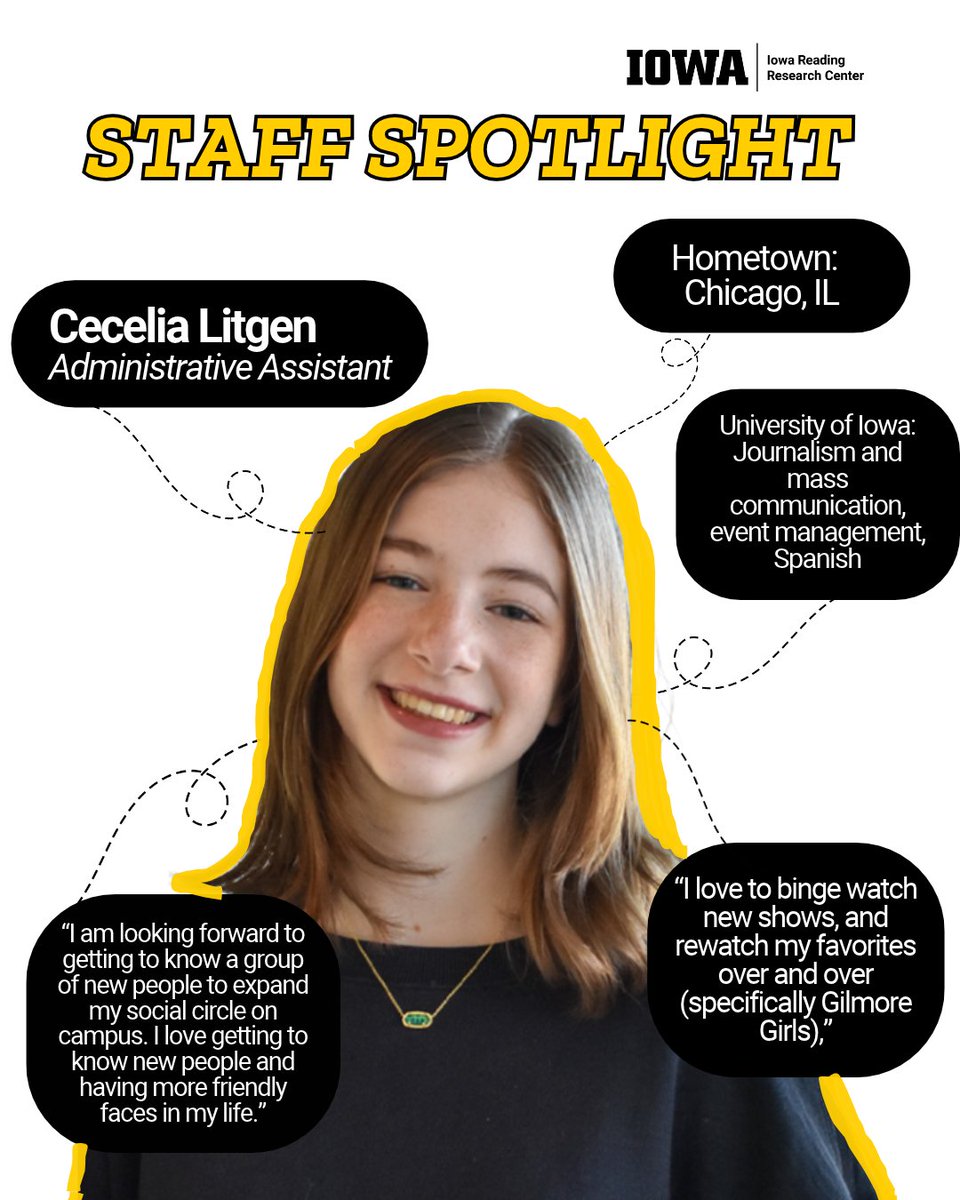
Staff Spotlight! Cecelia Litgen is a student administrative assistant at the Iowa Reading Research Center. At the university, she studies journalism and mass communication, event management, and Spanish.
Research indicates that explicit morphology instruction supports student gains in vocabulary and reading. These morpheme cards represent high-utility morphemes that frequently appear across disciplines. Visit the IRRC’s Morpheme Lab for more: https://t.co/huSvyYFpBu
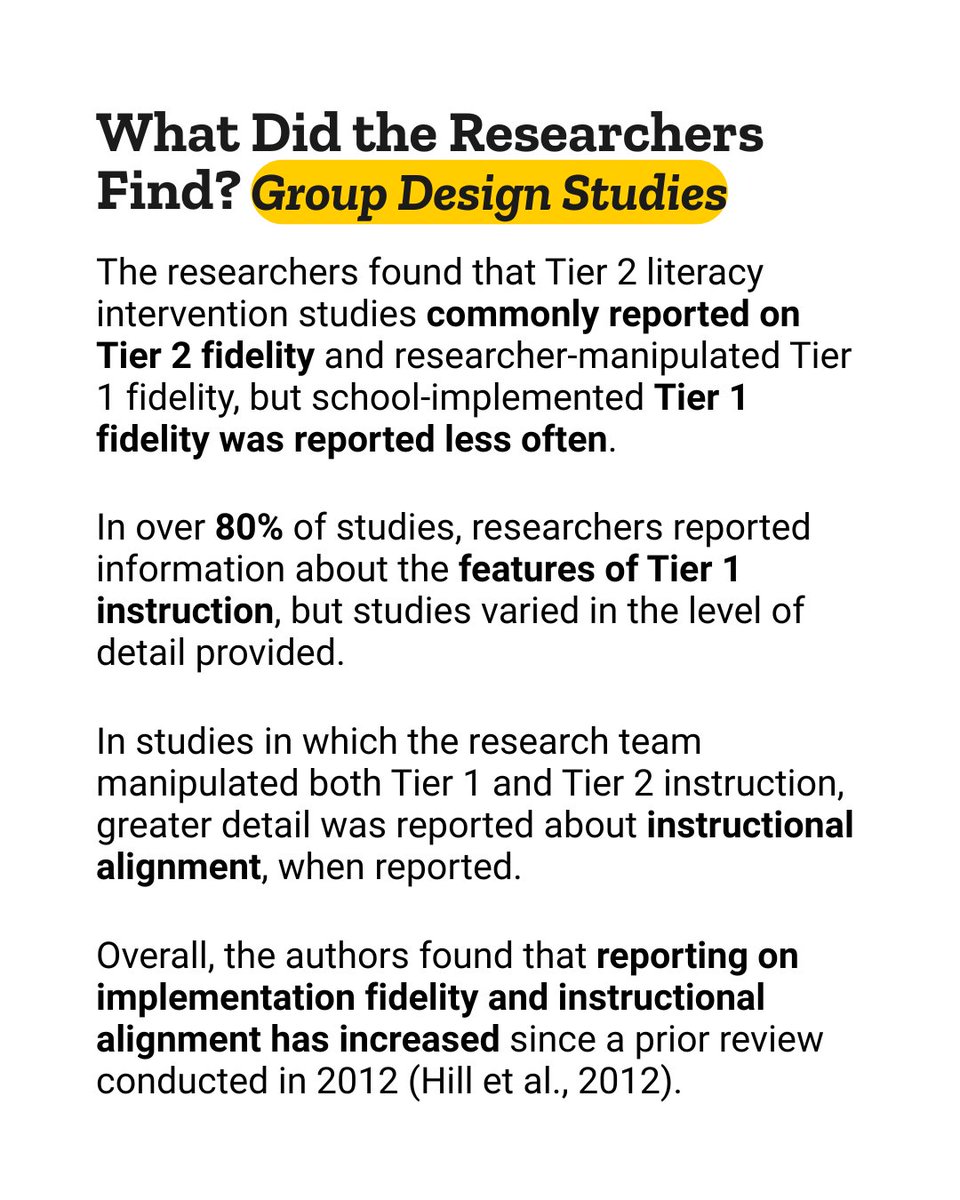
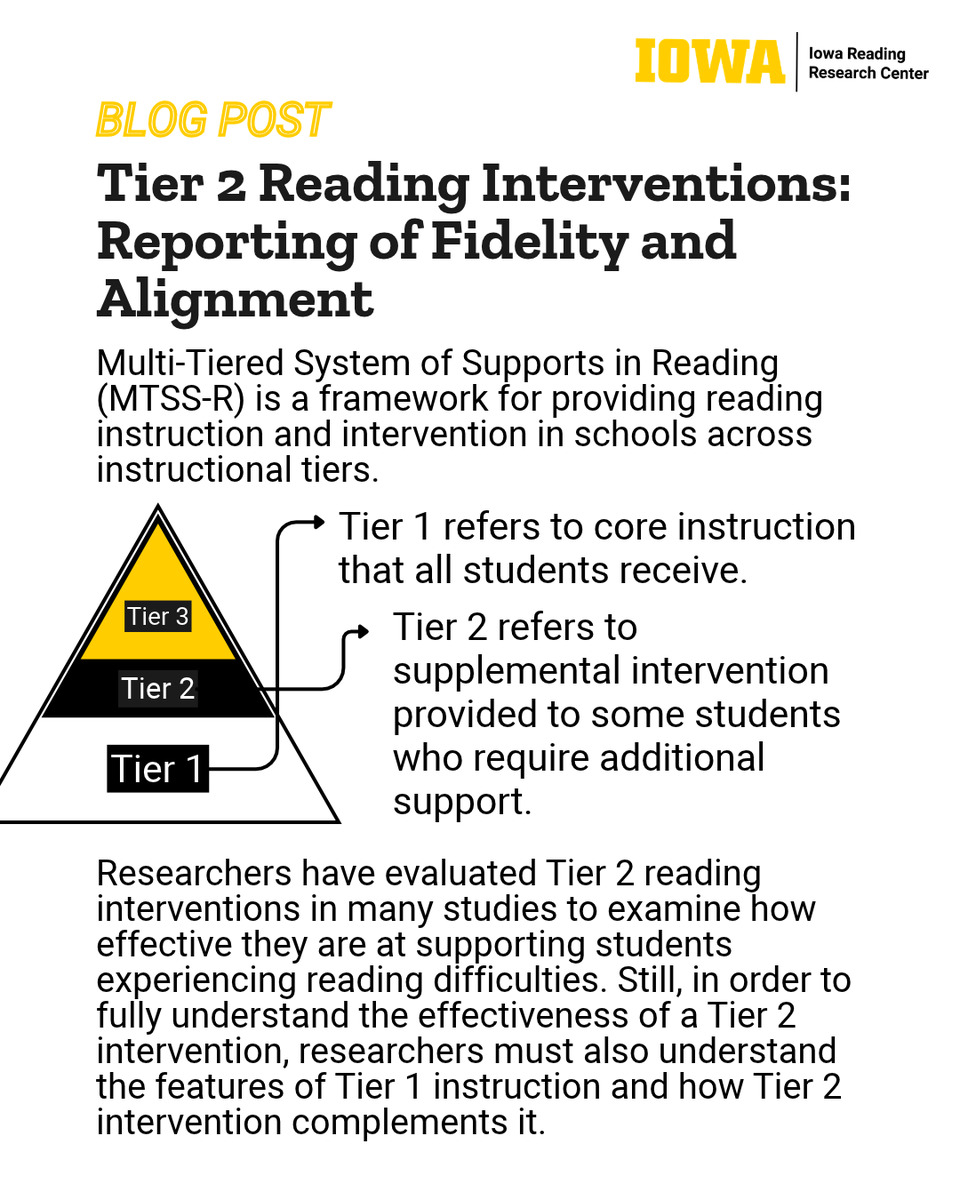
In order to understand the effectiveness of a Tier 2 intervention, researchers must also understand the features of Tier 1 instruction and how Tier 2 complements it. Young et al. (2026) reviewed group design studies of Tier 2 interventions to see how these elements are reported on: https://t.co/eoAD8CiuFc
Understanding and recognizing learning disabilities is the first step to ensuring a supportive learning environment for all students. Access these free resources and more on the IRRC’s Learning Disability Hub: https://t.co/VBguSWYf9R
What would you like to see next from the IRRC? We are seeking feedback from practitioners, caregivers, and our partners to guide our future planning priorities. Fill out this survey by 12/1 to share your suggestions and feedback: https://t.co/kP1CQG4fE3
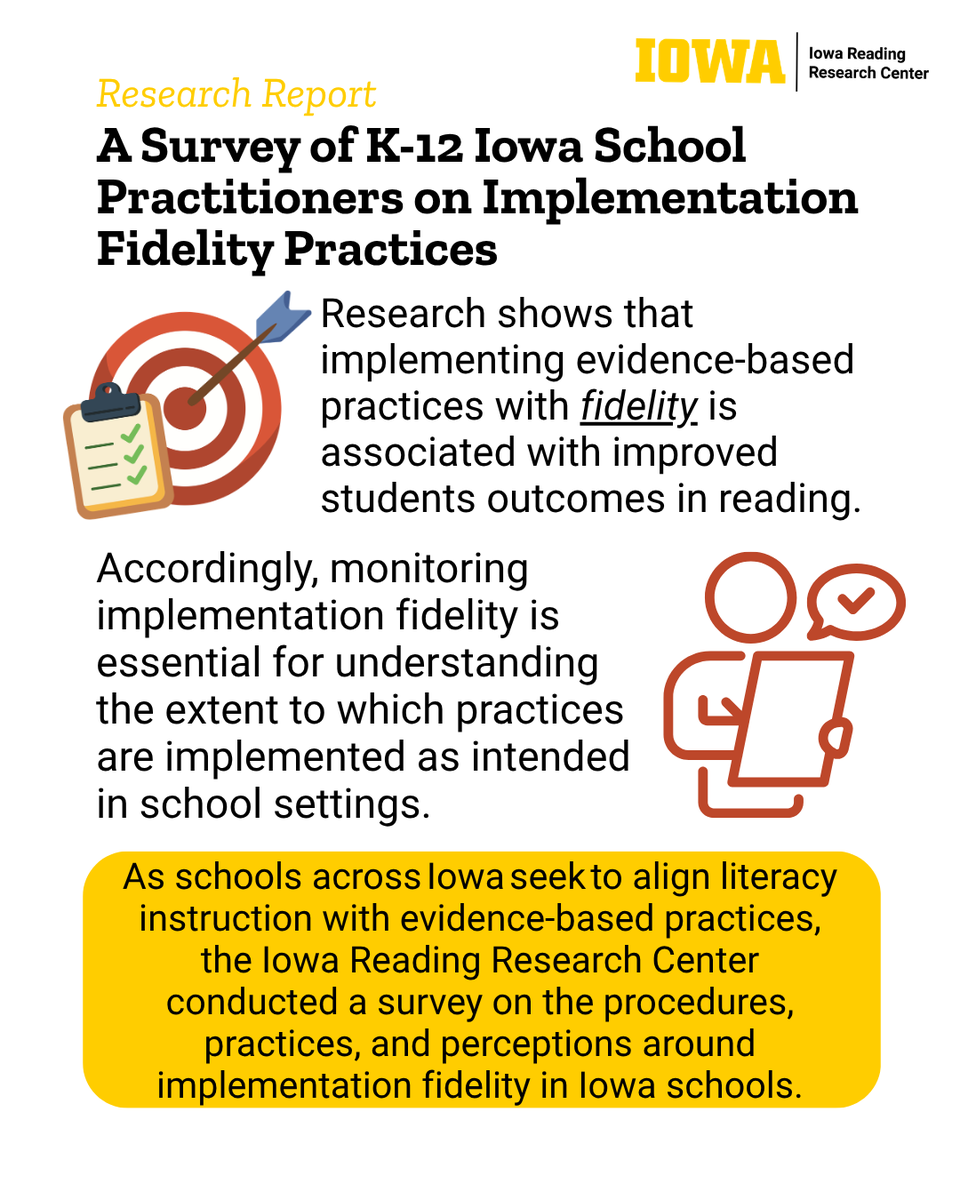
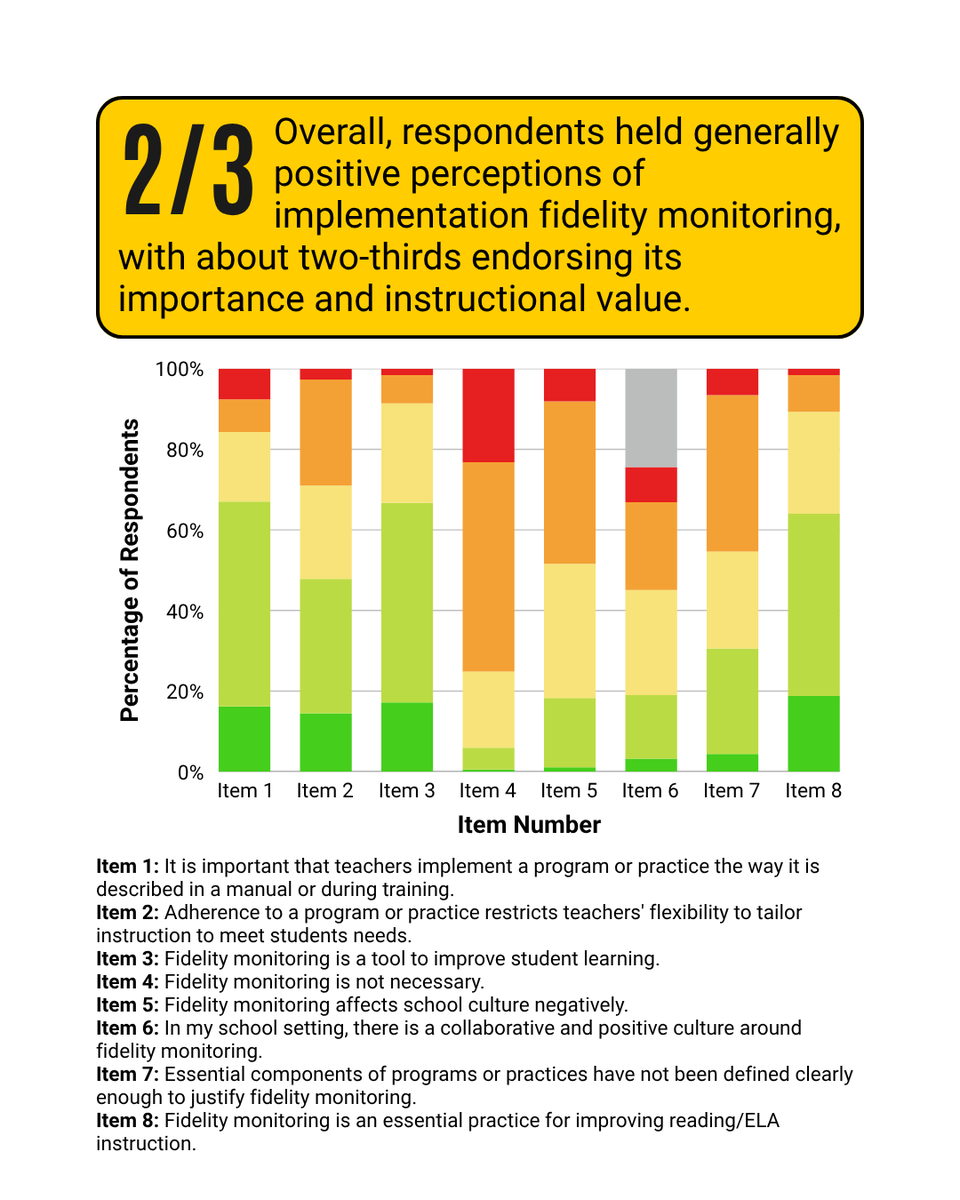
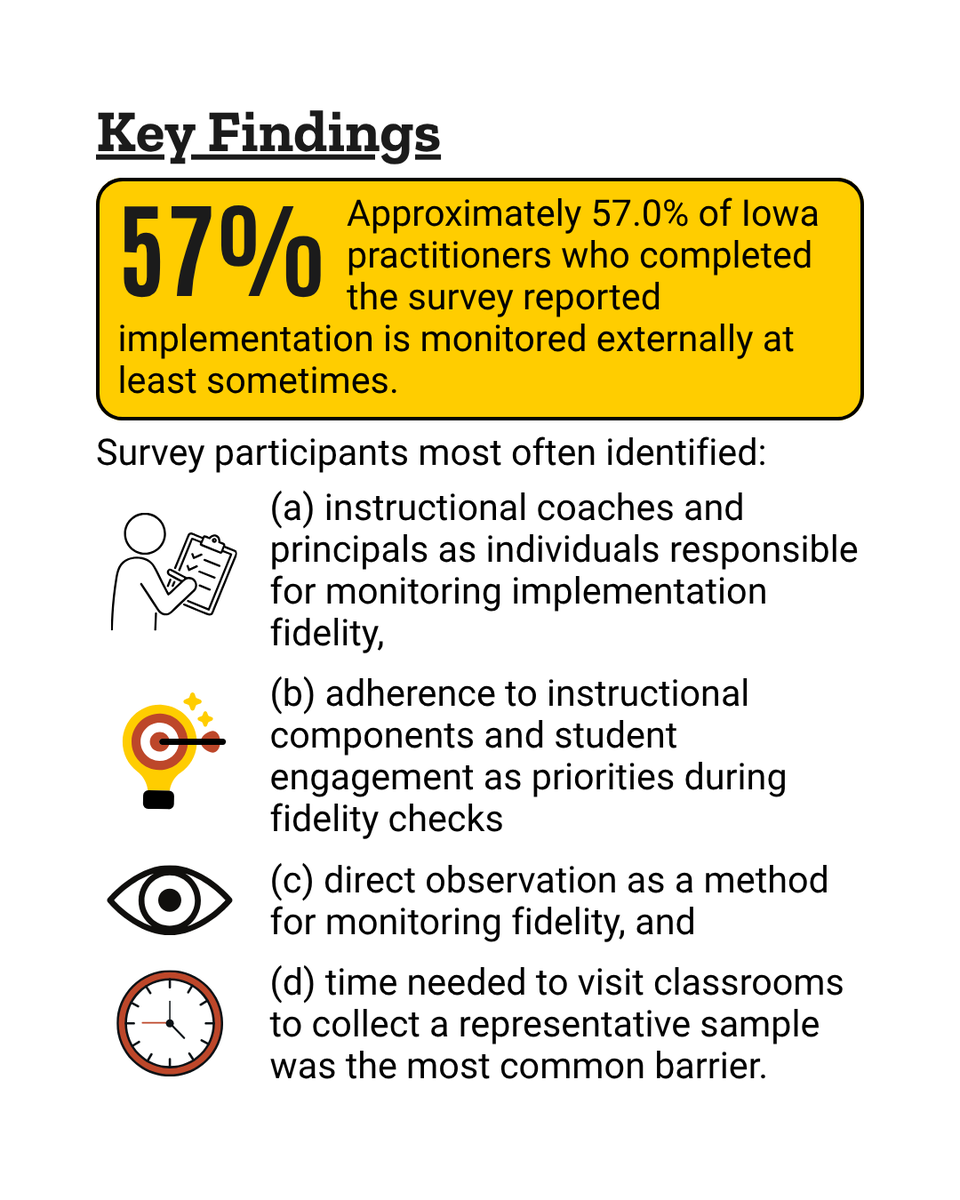
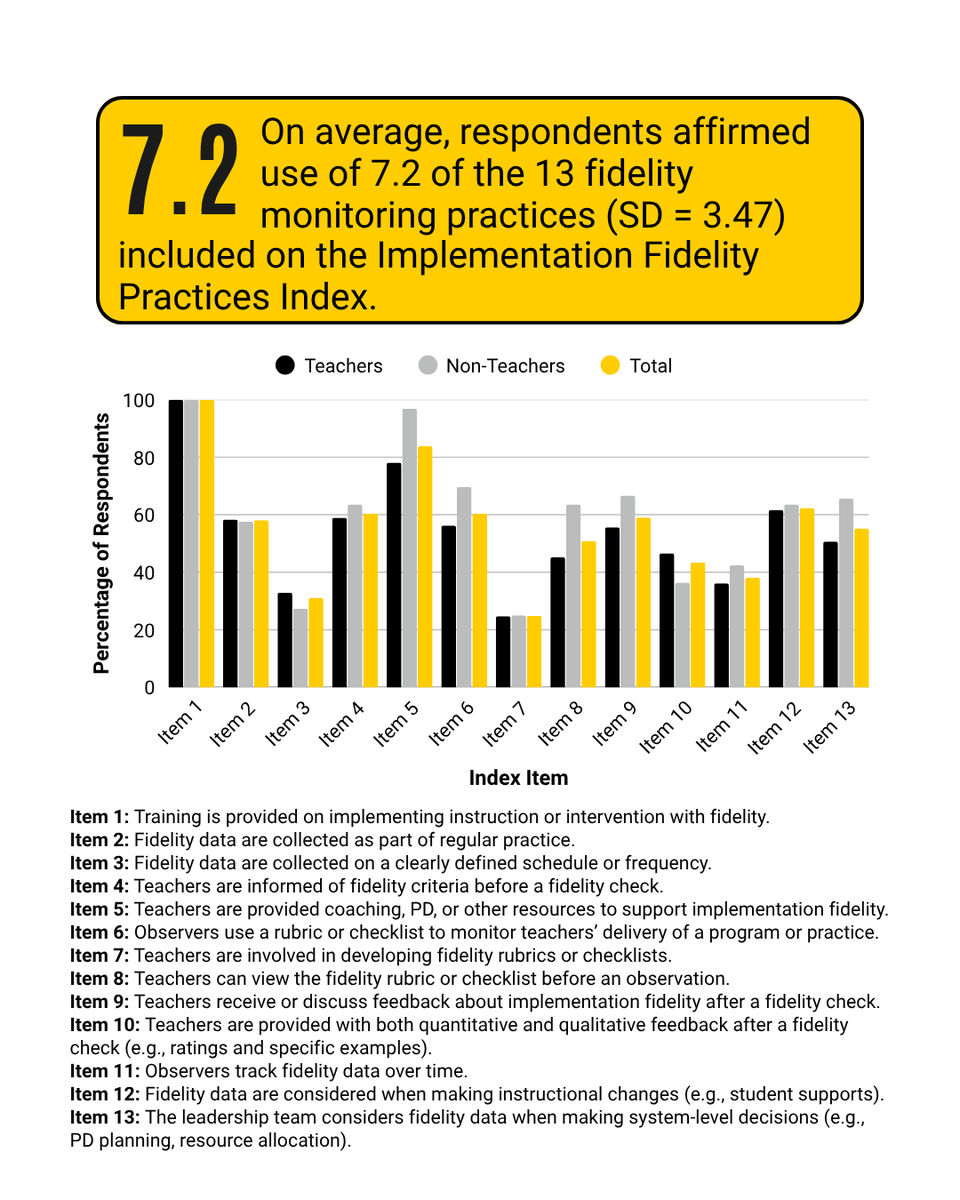
Student reading outcomes can improve when evidence-based practices are implemented with fidelity. What procedures, practices, and perceptions do Iowa practitioners have around implementation fidelity? Read about the IRRC’s latest survey addressing these questions: https://t.co/9hM5uyMZCu
We are looking for presenters for the 2027 Iowa Science of Reading Summit! Do you have expertise to share regarding elementary or secondary strategies, writing, learning disabilities, data-based decision-making, or leadership and admin? Submit a presentation proposal by January 8! https://t.co/6lJo8tAfE9
Friday Reads Recommendation! “I Must Betray You” by Ruta Sepetys is a historical fiction set in the midst of the 1989 Romanian Revolution. After reading, your students might be inspired to write their own story! Get them started with the IRRC’s free writing prompts: https://t.co/MdcHTJnaIx
Staff Spotlight! Casey Coghlan is a graduate assistant for Project Skyword, which aims to examine the effectiveness of a personalized reading intervention program. Previously, Casey worked as a behavior technician at ChildServe, where he helped deliver ABA therapy to clients.
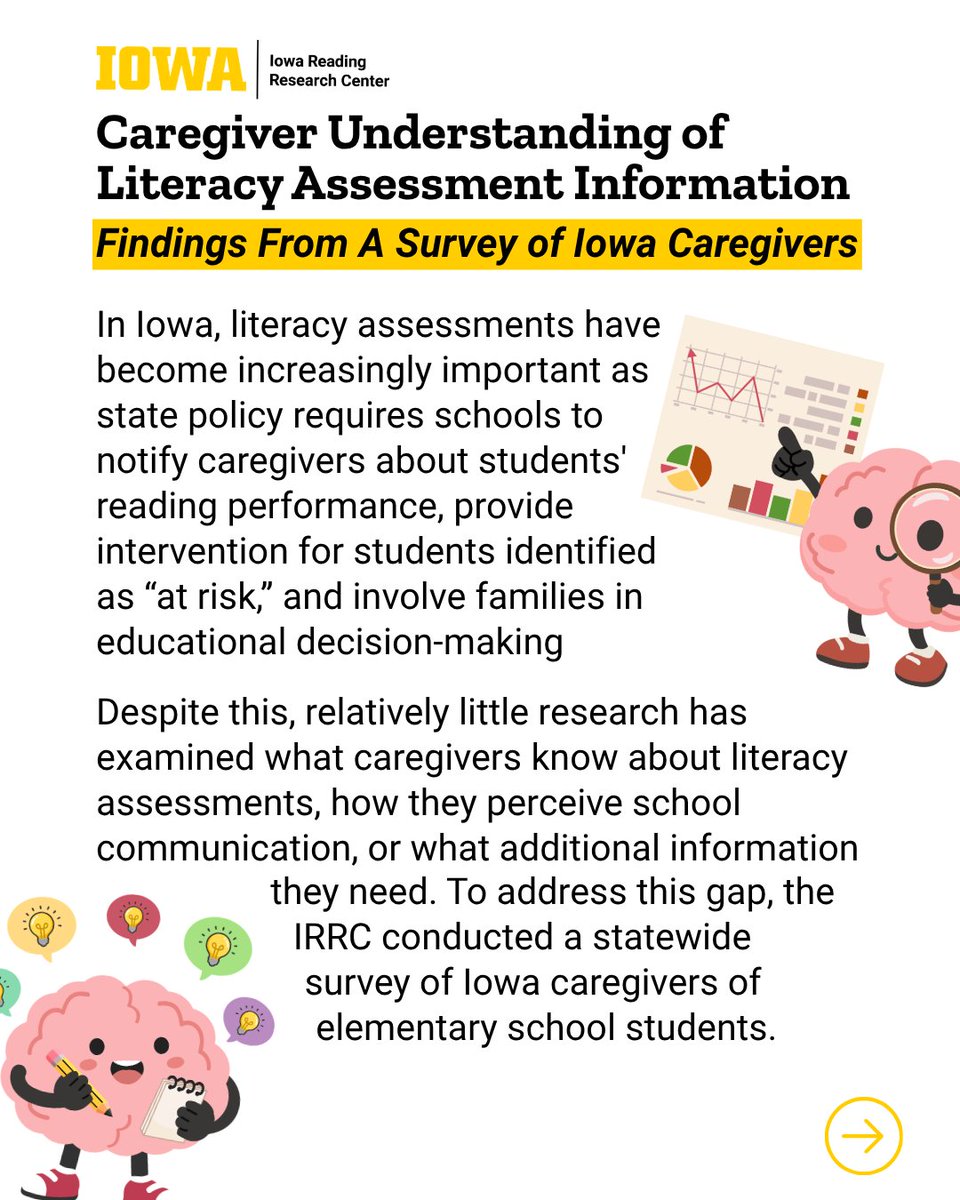
What do caregivers know about literacy assessments, how do they perceive school communication and support, and what additional info would they find helpful? The IRRC conducted a survey of Iowa caregivers to inform educators and policymakers as they strengthen family-school partnerships and improve communication about literacy assessment data: https://t.co/dFZvbmQkLF
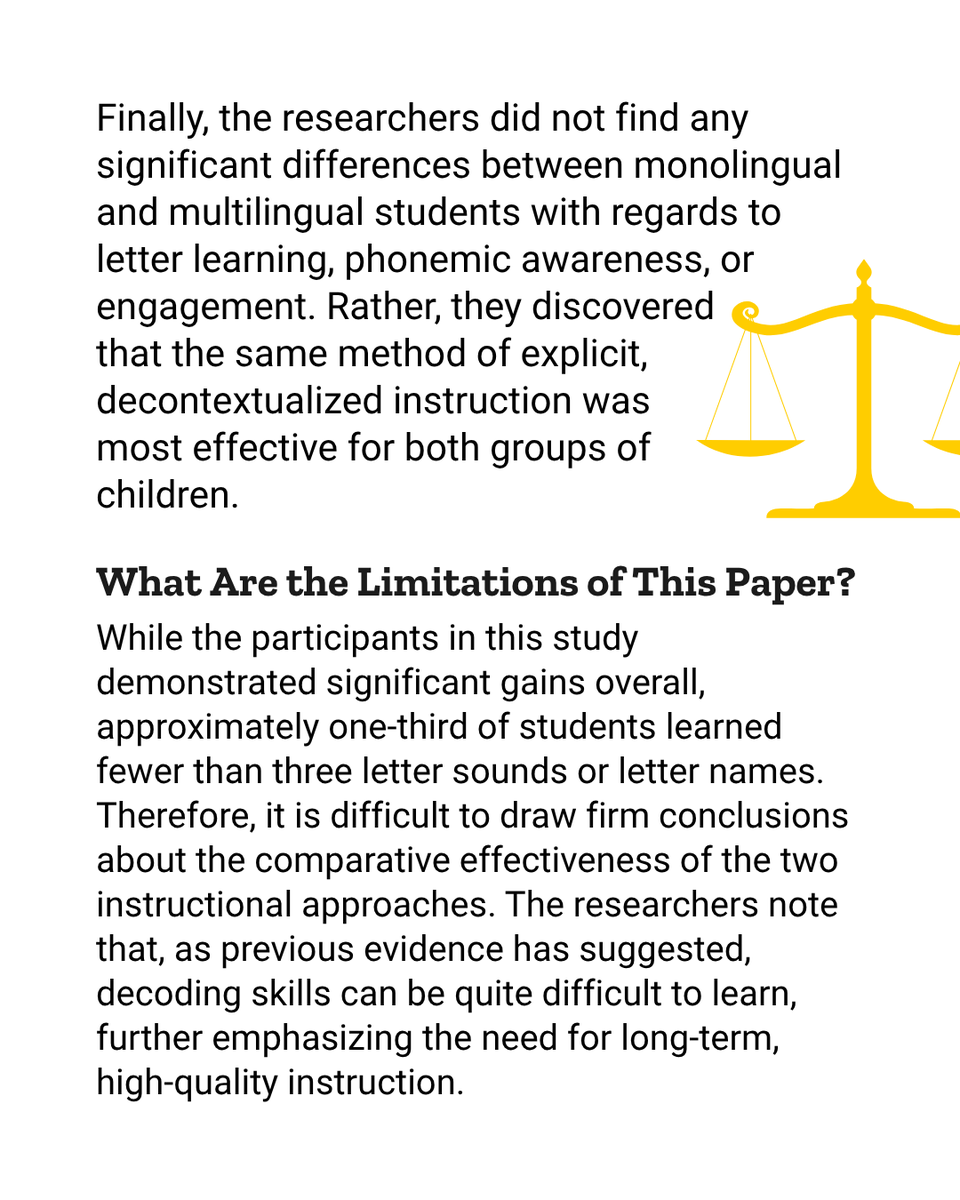
What are the benefits of teaching letter names and sounds outside of the context of meaning-focused activities such as read-alouds? Read our new blog post for a summary of findings from Roberts et al. (2019): https://t.co/1ExcWEvtK4
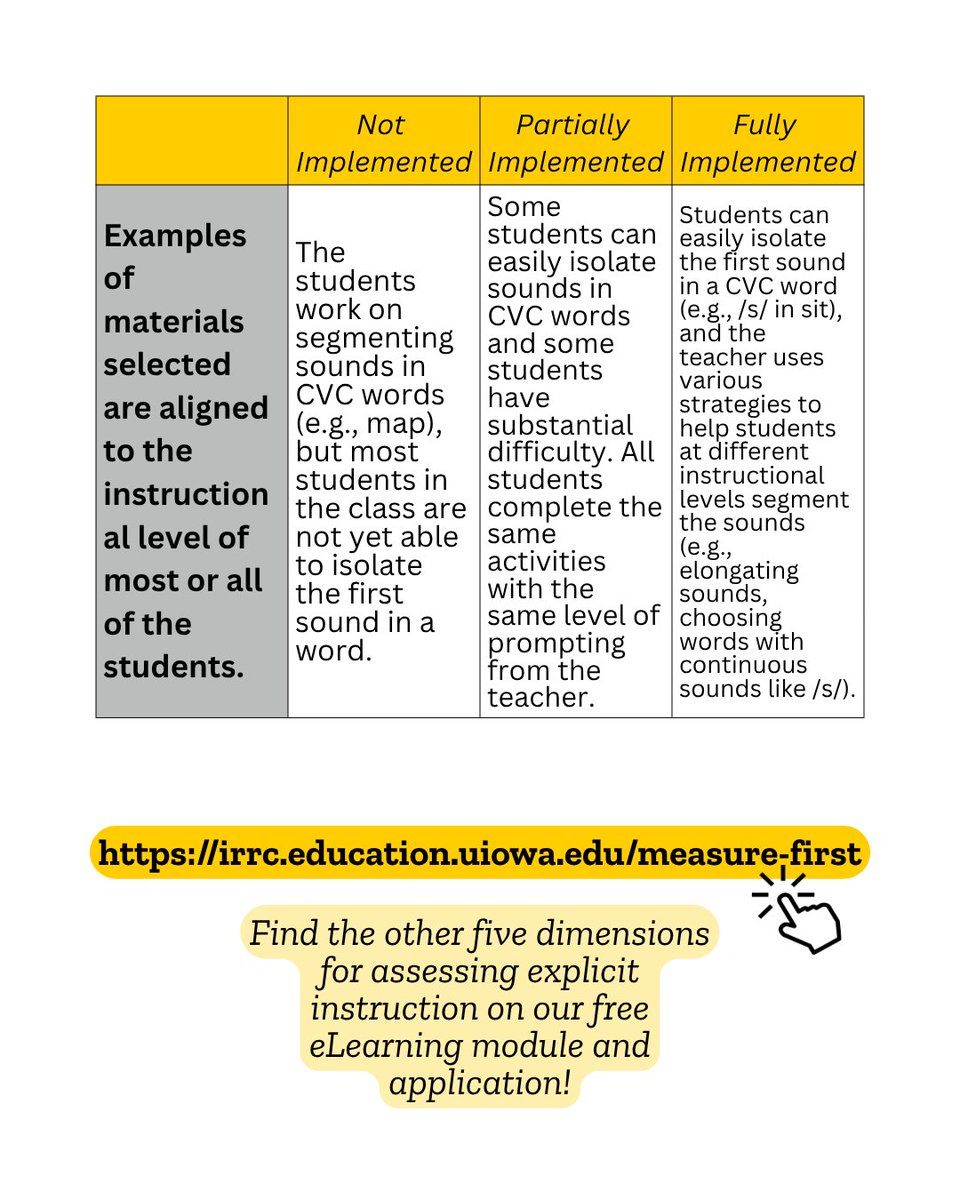
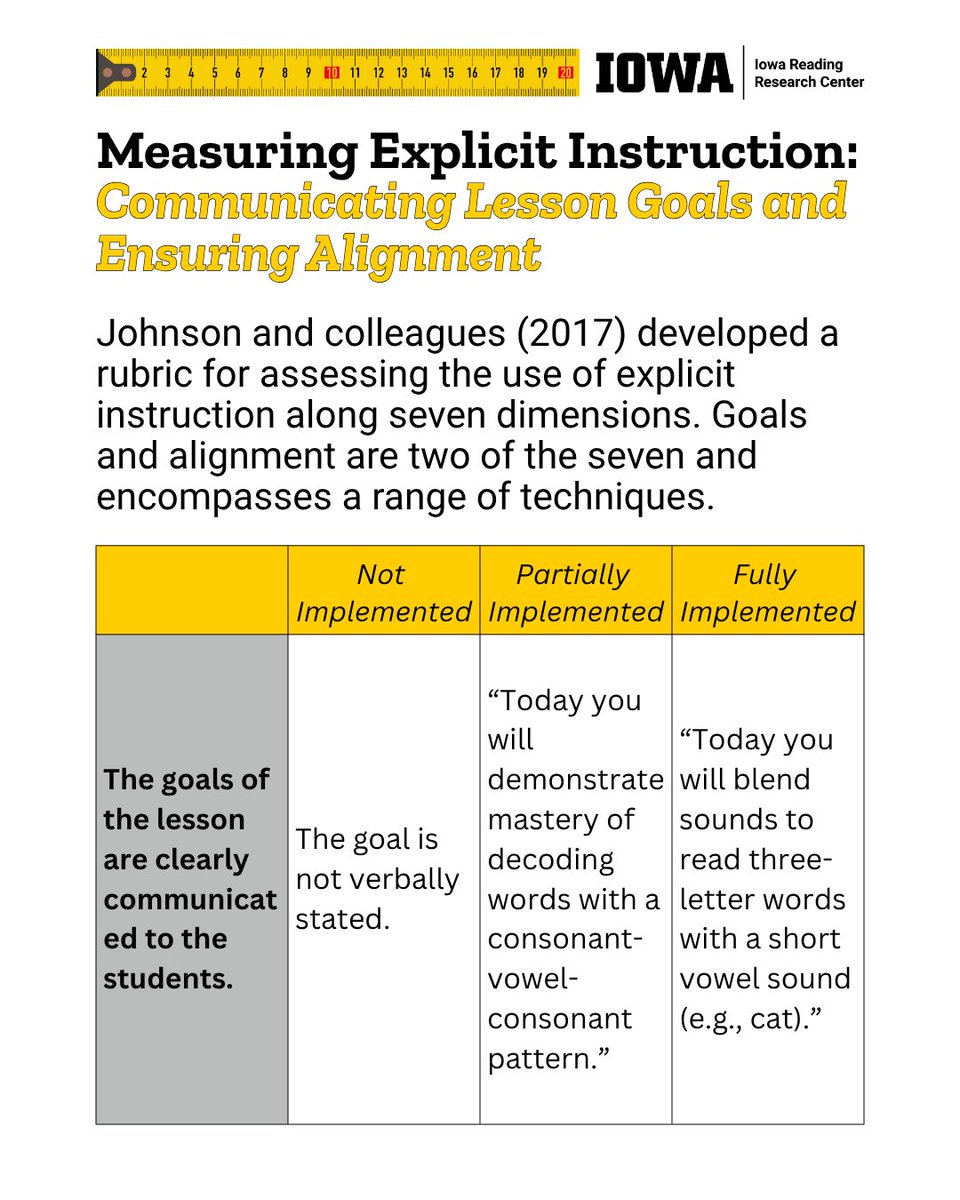
What explicit instruction practices should you look for when observing for fidelity of implementation? Our free eLearning module and app support instructional coaches and admins in observing explicit instruction: https://t.co/sJFLMYEoOE
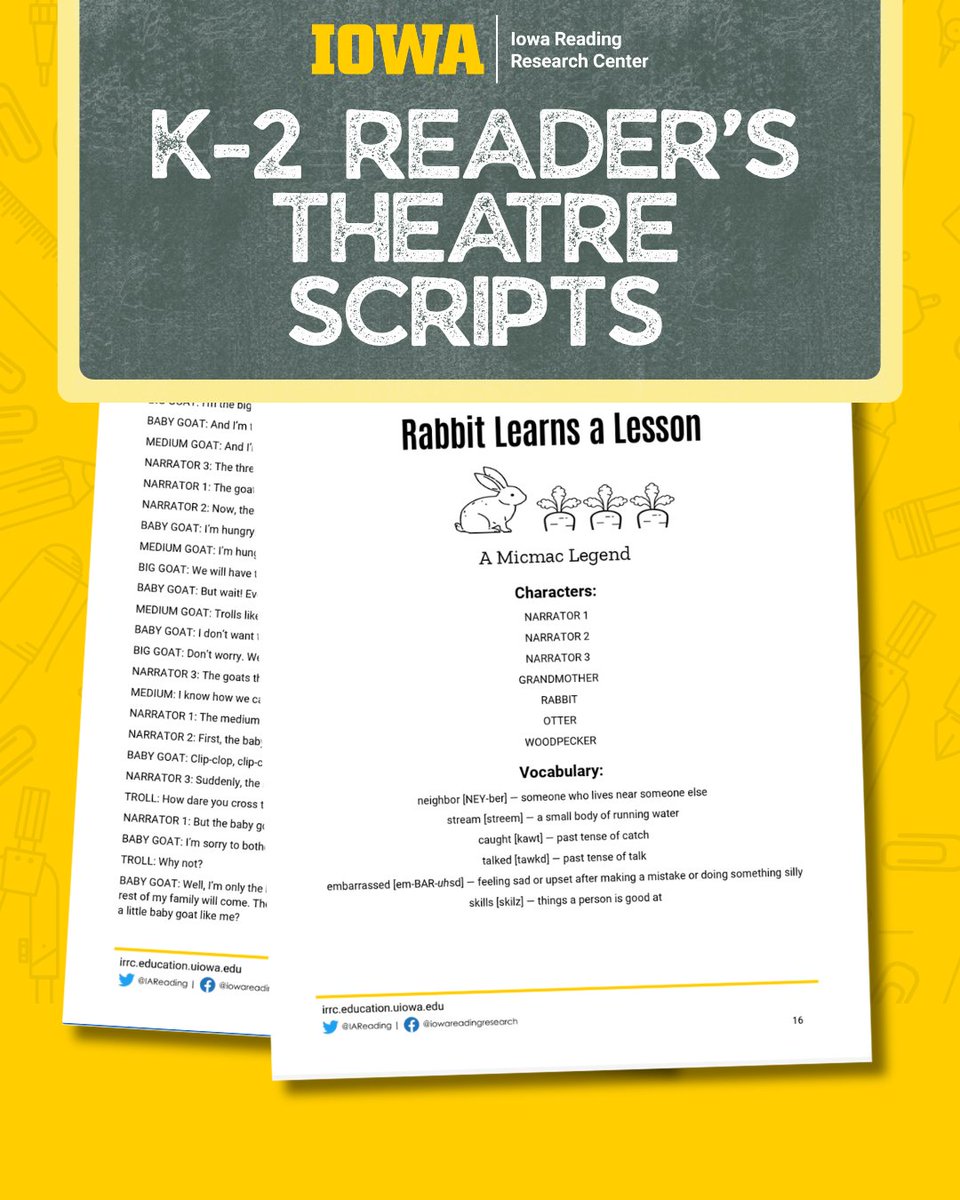
Reader’s theatre provides students an opportunity to practice their oral fluency skills. Visit our website to download free scripts, categorized by grade level and complete with vocabulary and idiom lists. https://t.co/bLWFTEPDEo