JOSI Reaches Q3 in SCImago Journal Rankings
Jurnal Optimasi Sistem Industri (JOSI) has reached an encouraging milestone: its inclusion in the Q3 quartile of Industrial and Manufacturing Engineering in the SCImago Journal & Country Rank (SJR).
https://t.co/kooathNKkl
Bagi universitas yang ingin meningkatkan reputasi internasional, memiliki jurnal yang terindeks di platform global seperti @DOAJplus , Scopus, dan Web of Science, serta memperoleh Peringkat 1 di Arjuna, adalah pencapaian yang sangat strategis.
https://t.co/N6EmiuuRCw
This is a great step in the right direction to ensure equity in scholarly publishing ✨
Read the full report via the link below, and explore the tools available for publishers, like the More Equitable Pricing Tool😄
Jurnal Optimasi Sistem Industri (JOSI) is fully aligned with the operational criteria for Diamond OA journals by DIAMAS project. This ensures our research is freely accessible without financial barriers.
https://t.co/IRyUWAxd1x #OpenAccess#Research#DIAMAS
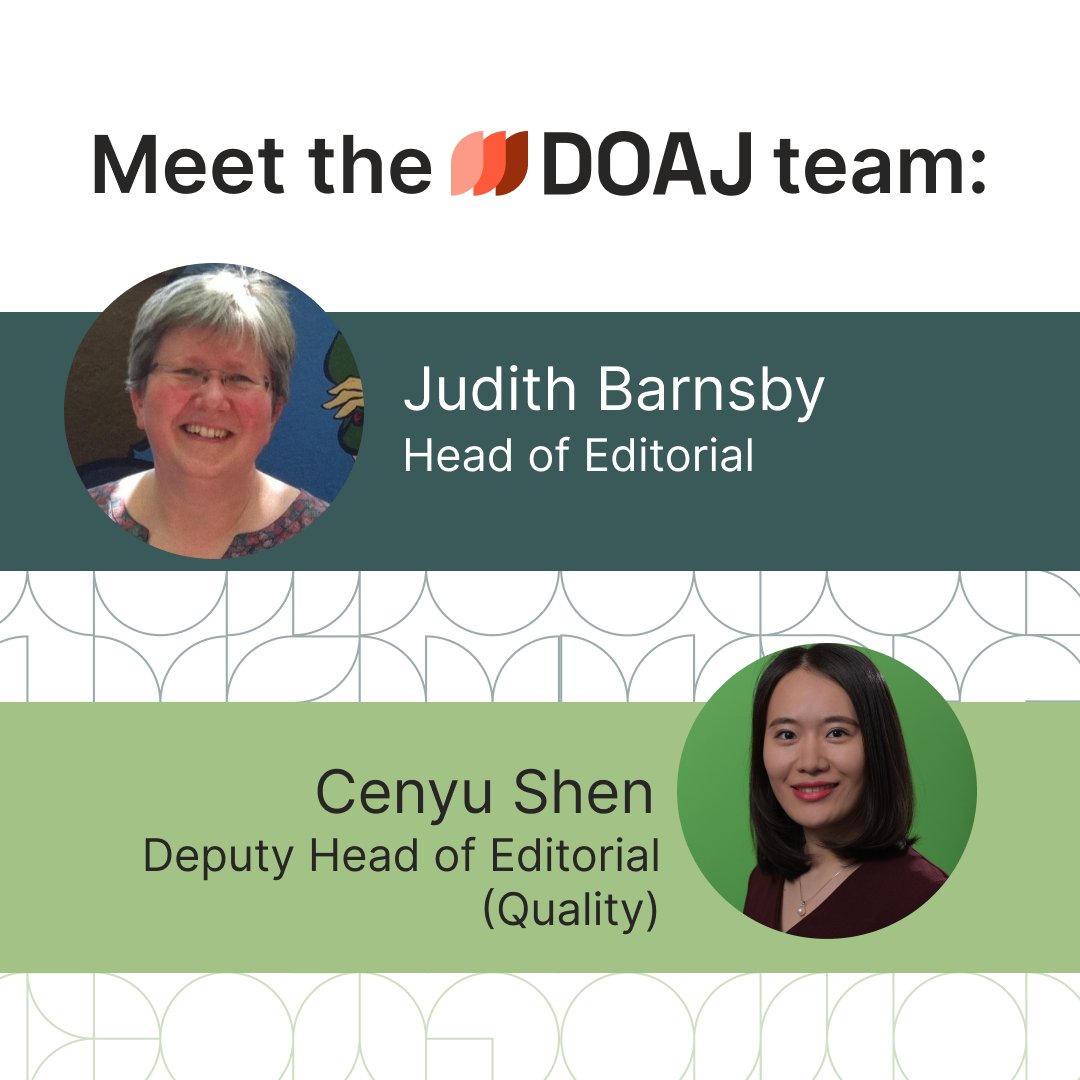
Read the first blog post in our "Meet the DOAJ team" series! In this post we talk to Judith Barnsby, Head of Editorial, and Cenyu Shen, Deputy Head of Editorial (Quality)💡
We hope this series gives some insight into the work and people behind DOAJ ❤️
https://t.co/lSIHk0zBdn
🚀 We are thrilled to announce that Jurnal Optimasi Sistem Industri has been awarded the prestigious @DOAJplus Seal! 🏅 This highlights our commitment to high standards in open-access publishing. 🌟
More at https://t.co/xynYh2ib61
🙏 #OpenAccess#AcademicPublishing#DOAJSeal
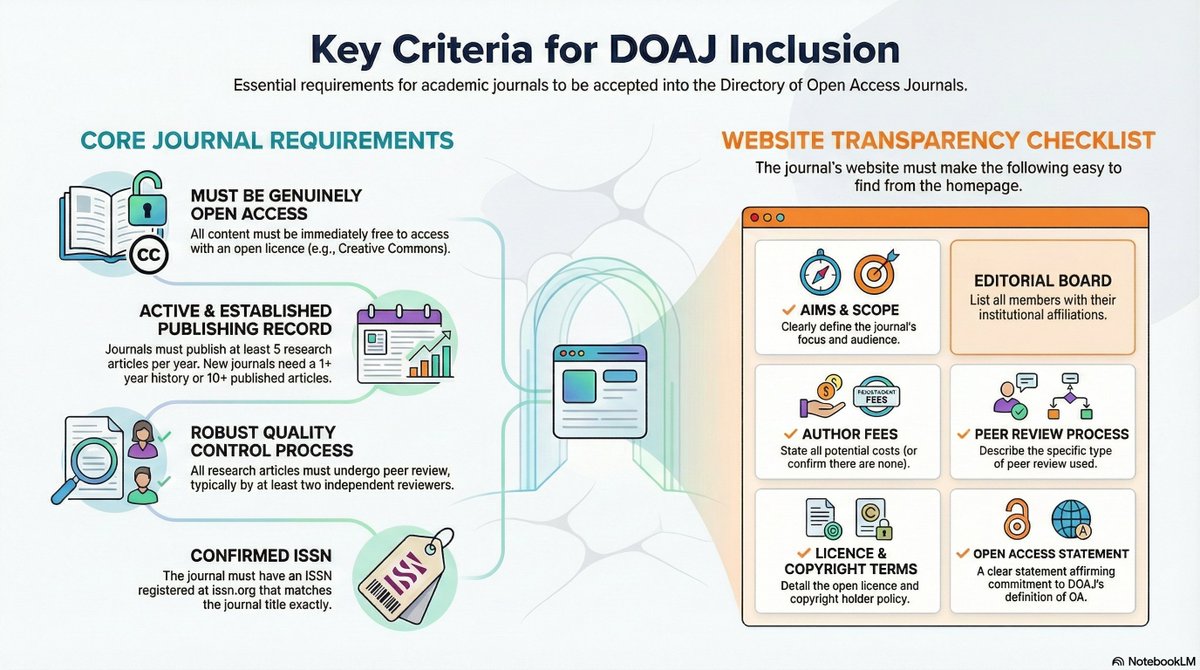
When you register your journal to be indexed and accepted, YOU must ensure the journal's information on the indexer is accurate and up-to-date. Refrain from blaming the indexer if your journal gets removed for not following the rules.
An effective open-access statement should provide clear, comprehensive information about how the journal's content can be accessed and used. The essential elements that should be included in an open-access statement are:
5. Clearly describe the rights users have to read, download, distribute, print, search, or link to the full texts of articles and for any other lawful purpose.
2. Detail the specific Creative Commons license or other open licenses under which the content is published. This should clearly describe what users can and cannot do with the articles (e.g., CC BY, CC BY-NC, etc.).