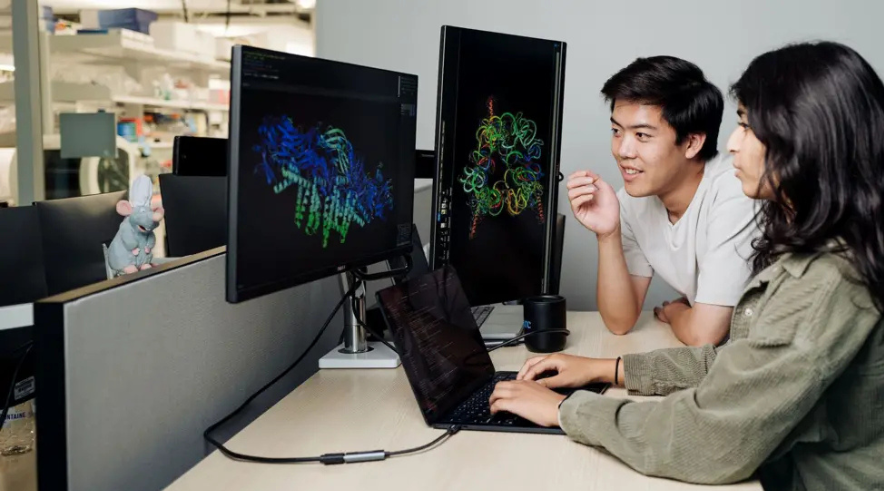
Scientists have used generative AI to design brand-new bacteriophages capable of killing E. coli.
The breakthrough could open new possibilities for phage therapy and tackling antibiotic-resistant infections, while also raising important questions around biosafety.
Read more: https://t.co/75RtmUVnsy
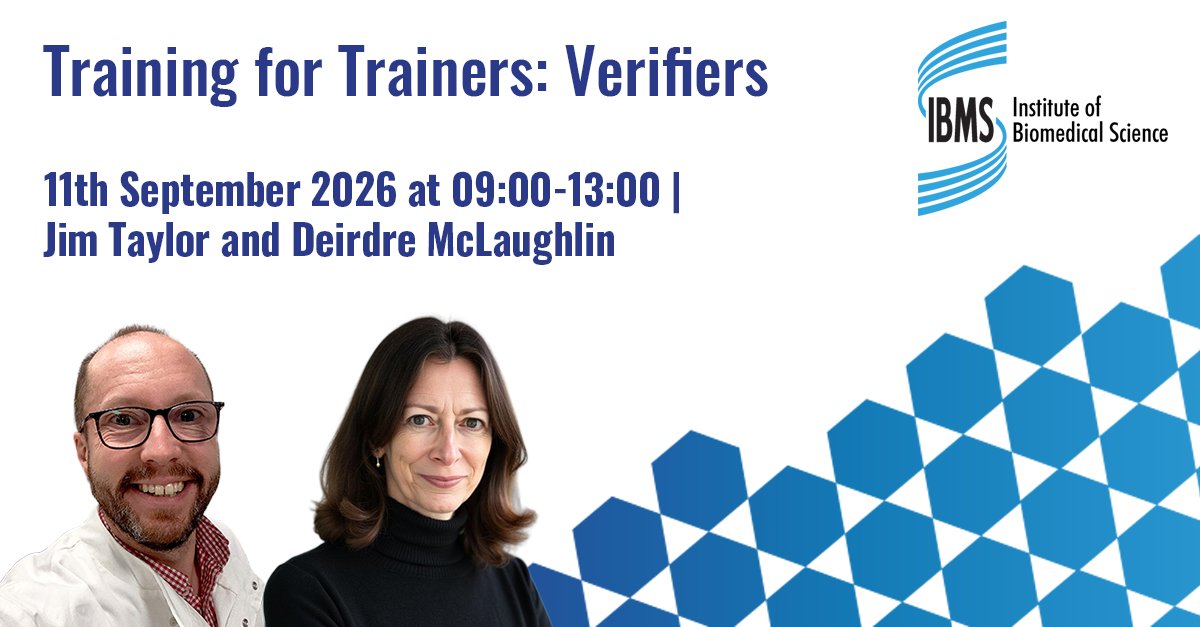
Our next Training for Trainers: Verifiers event will take place on 11th September at 9am. It will provide information on the updated registration training portfolio (V5) and how to use OneFile.
Register here: https://t.co/tZdGOc56gX
The BBC reports on a pioneering clinical trial in Oxford set to investigate an mRNA vaccine designed to help prevent cancers associated with Lynch syndrome.
Lynch syndrome is an inherited condition that significantly increases the risk of several cancers, including bowel, endometrial and ovarian cancers.
This exciting research highlights the growing potential of biomedical science and vaccine research to transform healthcare. While vaccines are best known for preventing infectious diseases, advances in immunology, genetics and molecular biology are creating new opportunities to prevent cancer in people at increased risk.
Read more about the trial: https://t.co/Yc9QJ2XvFb
During a Harvey's Lab Tour at Dumfries and Galloway Royal Infirmary, Alice and her sister Florence followed the journey of a blood sample through the Blood Sciences laboratory.
"We had a very special moment when Sue told Alice that the blood we were looking at was hers. It was quite emotional," said Biomedical Scientist Gayle Johnstone.
Read more about their visit here: https://t.co/AjpB6CKaUo
Researchers at the Johns Hopkins Kimmel Cancer Center have found that a single blood test could help predict whether patients with advanced lung cancer are responding to immunotherapy within weeks of starting treatment.
The findings highlight the growing role of circulating tumour DNA (ctDNA) in supporting earlier treatment decisions and advancing precision medicine.
Read more: https://t.co/BTdxZPBQgH
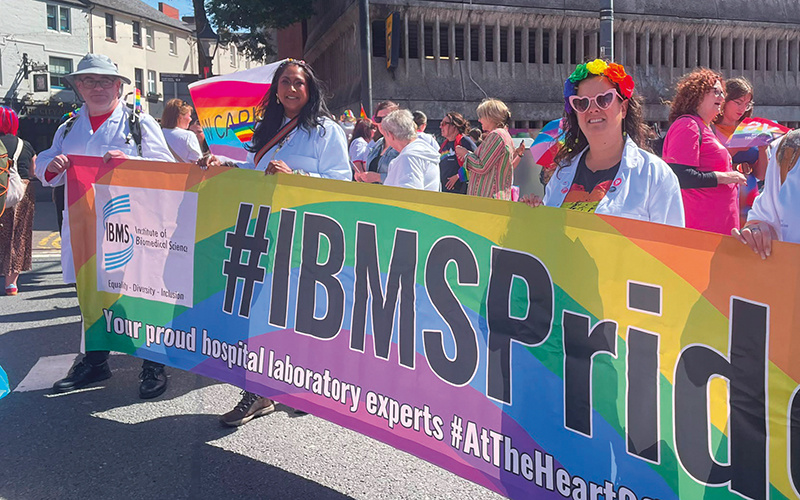
Saturday 13 June saw the return of Pride Cymru to the streets of Cardiff. Pride Cymru is a volunteer-led charity that works to promote the elimination of discrimination, be it on the grounds of sexual orientation, gender, race, religion or ability.
Hayley Pincott, STEM Ambassador Programme Co-ordinator at See Science/Gweld Gwyddoniaeth, writes about representing the profession at the event: https://t.co/WVKDeOTgyI
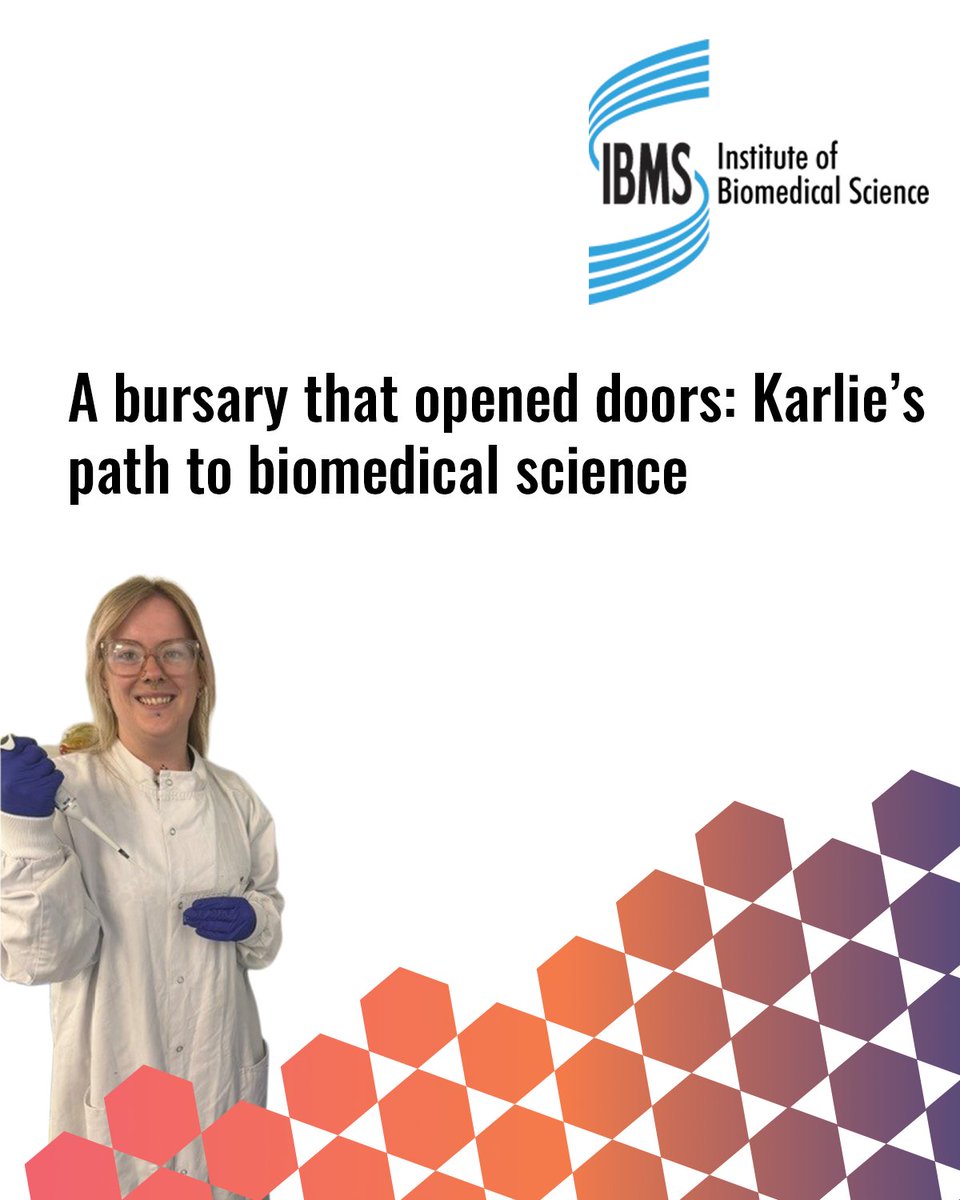
The Mary Macdonald Bursary was established to support biomedical science support staff in undertaking the IBMS Certificate of Achievement Part I or II qualification.
Karlie Fallon explains how winning the Mary Macdonald Bursary in 2015 helped her qualify as a Biomedical scientist.
Read more: https://t.co/7CrcS5YTg3
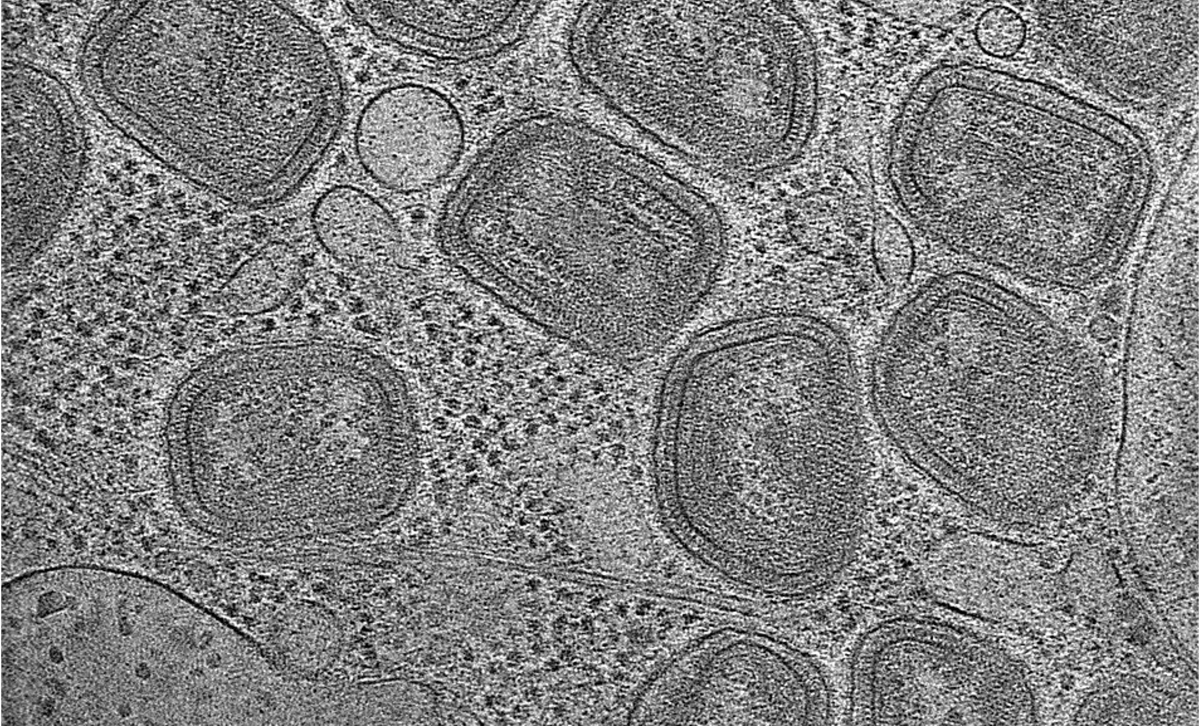
New research has revealed how poxviruses release their genetic material into infected cells, using advanced imaging and AI to uncover a potential target for future antiviral drugs.
Read more: https://t.co/FqTbq3ONSp
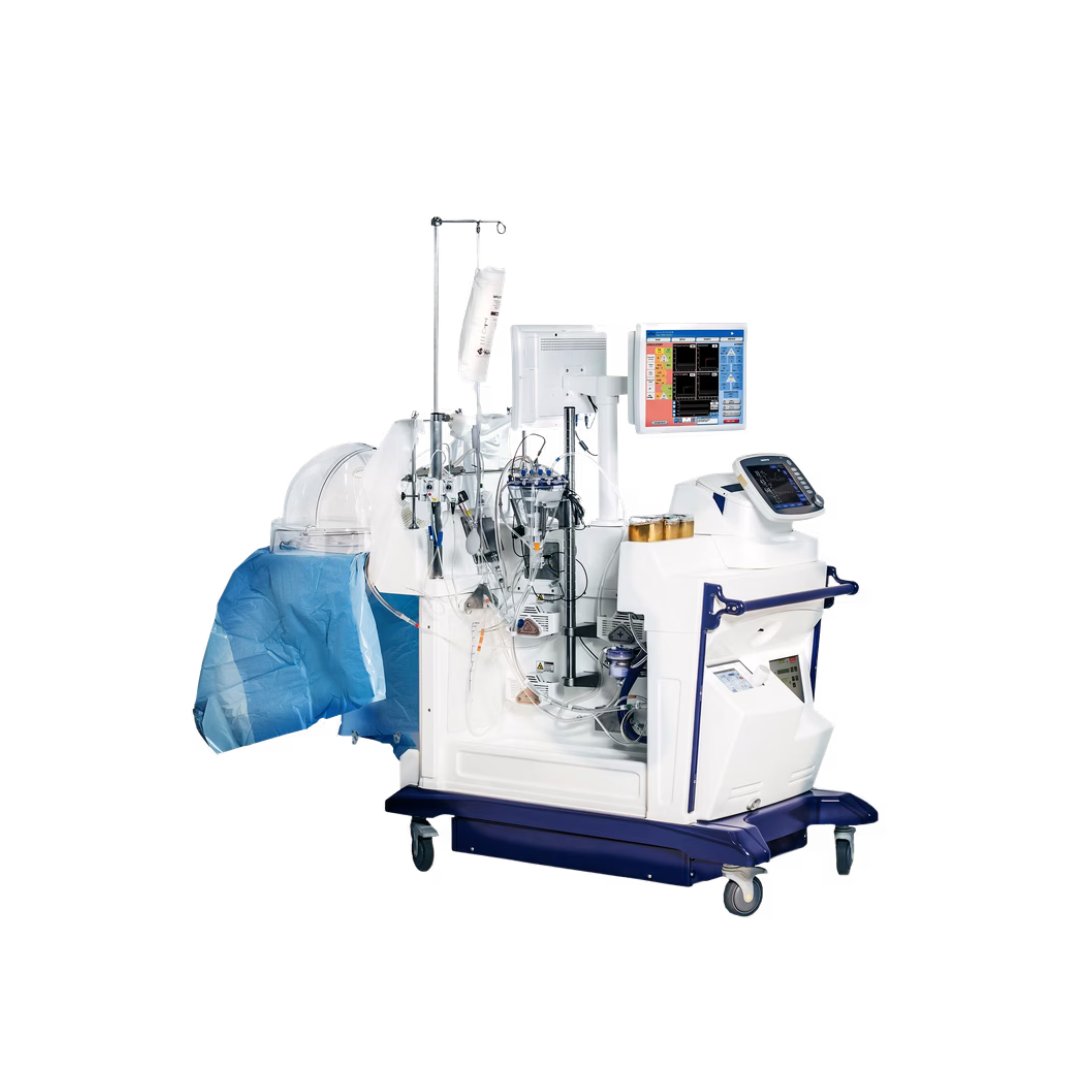
Only around one in five donated lungs are currently suitable for transplant.
Draft NICE guidance supports a new lung preservation system that could help recover more donated lungs for transplantation, giving more patients the chance to receive a life-saving organ.
Read more: https://t.co/S5dpr9Eand
Every biomedical scientist knows this feeling... 😅
What's your equivalent 'perfect sample' moment?
Thanks to Robert Raymant from Queen Elizabeth Hospital, Birmingham, for this meme.
Taken from the latest IBMS Quality SAP Webinar - Big Q, Little Q. Nigel Coles delivered a talk discussing the works of Joseph Juran and his own experience over the last 30 years of his career in quality management.
One of the themes discussed was quality management vs compliance management.
The full video is available on our website: https://t.co/aokDKEju5T
Congratulations to Alexia Lawrence from North West London Pathology for passing her IBMS Specialist Diploma, and to Dionna Rixon from NHS Blood and Transplant Filton and Kiran Ahmed from Manchester University NHS Foundation Trust for passing their IBMS Registration Portfolios.
A significant achievement and a key milestone in their journey as biomedical scientists. 🧪🔬
Well done – the future of biomedical science is in excellent hands! 👏
If you've passed your IBMS Portfolio recently, get in touch by emailing [email protected]
Quality is central to the future of pathology. That's why it's encouraging to see the UK Accreditation Service (UKAS) welcome the Pathology Transformation Review 2026 and its recognition of accreditation's role in safe, effective and resilient services.
Read more: https://t.co/8CCyHu4ngj
New research published in BMJ Open suggests AI-assisted digital cytology could significantly improve the efficiency of NHS cervical screening services.
Building on this evidence, the IBMS has published a new position paper calling for the safe, evidence-led implementation of digital cytology, with biomedical scientists remaining at the heart of patient care.
Read more: https://t.co/qdES9WpGnT
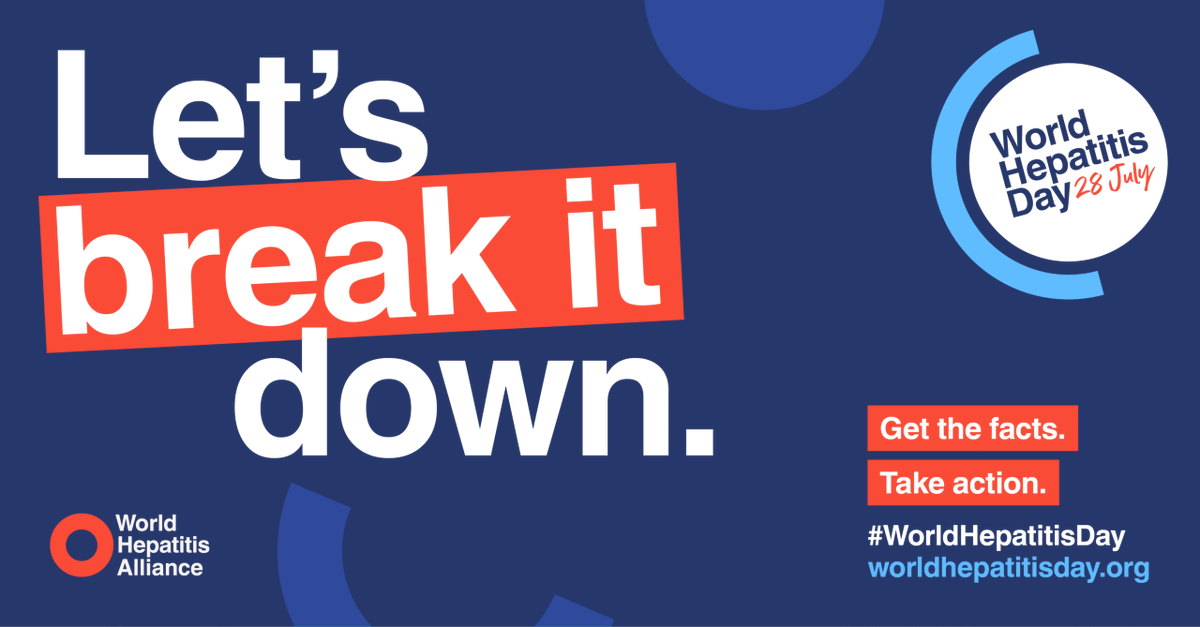
Today is #WorldHepatitisDay. This year’s Global theme is ‘Let’s Break It Down,’ calling on us all to break down the barriers that hold us back from a hepatitis-free world.
One of the key goals of this year's campaign is to end hepatitis stigma and ensure no one is left behind.
The UK government has committed to eliminating viral hepatitis as a public health threat by 2030
Biomedical scientists will play a key role in these efforts through testing and screening programs.
We have effective and affordable treatments, and a proven vaccine for hepatitis B. We already have everything we need to eliminate it.
Find out more about World Hepatitis Day here: https://t.co/rgTRkxsgpS
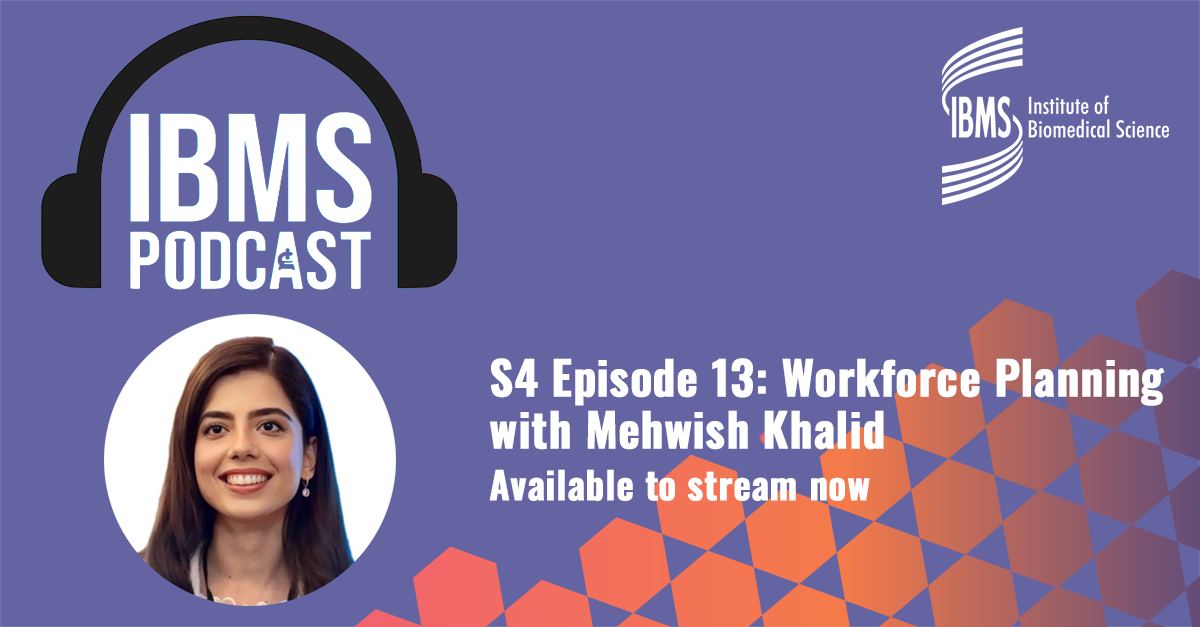
The latest episode of the IBMS Podcast is available. It features an in-depth conversation with Pathology Practice Educator Mehwish Khalid.
She talks about workforce planning, artificial intelligence, and raising the profession's profile.
Listen here: https://t.co/Eq2LHKLg8L
New research highlights concerns about formaldehyde exposure in NHS pathology laboratories.
Drawing on the largest UK assessment of its kind, Dr Magdalena Plesa and Dr Richard Yates investigate why exposure to this known carcinogen is not being adequately controlled, and the steps needed to better protect laboratory staff.
Read more: https://t.co/7hF7IFN13y
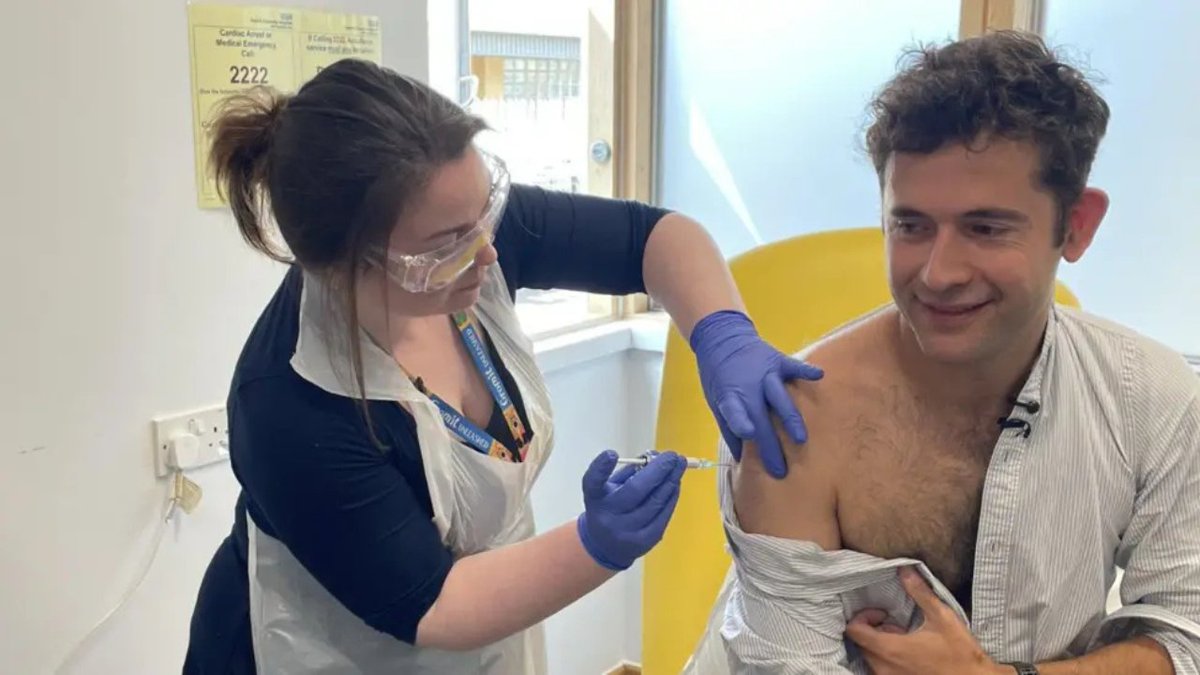
The first volunteer has received an experimental Ebola vaccine developed by researchers at the University of Oxford.
Using the same vaccine platform as the Oxford-AstraZeneca COVID-19 vaccine, the candidate entered human trials just eight weeks after development. The Phase 1 study will assess its safety and ability to generate an immune response against the Bundibugyo species of Ebola.
Read more: https://t.co/CWZeQDehTX
There’s always one in every lab… 👀🧪
Who sees a rack like this and simply *has* to put it right? 🔬✨
Thanks to Tatiana Ferreira from Infection Sciences in Jersey for the meme.