Iceland just lost its bug-free crown.
For all of recorded history, the island had zero mosquitoes. Too cold, too brutal, too Icelandic.
That streak ended in October 2025, when an insect enthusiast on a farm near Reykjavík spotted a strange fly at dusk and trapped it.
Two more followed. Scientists confirmed all three were mosquitoes, likely arrived by freight.
The species is a cold-hardy type that hides out in basements and barns to survive winter. Which means these ones might actually stick around.
Antarctica is now the only place on Earth believed to be mosquito-free.
One less refuge. Billions of mosquitoes. The map keeps shrinking.
Doctors watched a woman with late-stage Alzheimer's wake up and start telling stories from her own life. She'd barely said a word in five years.
The patient, a Japanese-American woman in her 80s, had been declining for a decade. For the last five years she communicated mostly in single syllables. She couldn't walk well, couldn't dress herself, couldn't control her bladder. Her family had watched her slip further away every year, the way millions of families do.
Then, under medical supervision and with her caregiver's consent, she was given 5 grams of psilocybin mushrooms. A big dose. She sweated heavily and sank into a deep, sleep-like state.
Around 19 hours later, she woke up and started talking.
Full sentences. Memories from her own life, flowing out for nearly four hours straight. In the days that followed she began recognizing family members again. She dressed herself. She walked more independently, held eye contact, smiled, even cracked jokes. Her bladder control came back. A second, smaller session a month later brought more of the same: humor, emotion, connection.
Now, the honest part. This is one patient. One case report, published in Frontiers in Neuroscience by researchers in Brazil. No brain scans, no standardized cognitive tests, no placebo. The disease itself wasn't reversed, and the gains were temporary. High-dose psilocybin also carries real risks, especially for frail elderly patients, so nobody should try this at home.
But here's why scientists are paying attention anyway. Alzheimer's this advanced was assumed to be a one-way street. This case hints that some of the brain's circuits may still be in there, quiet but not gone, waiting for something to switch the lights back on.
She was never really gone. We just couldn't reach her.
Source: Frontiers in Neuroscience case report by Brazilian neuroscientists, covered by ScienceAlert, The Conversation, and Vice.
One extra episode might not seem like much. But for a toddler's developing brain, it could matter more than most parents realize.
The claim that screen time "destroys" a child's brain is an exaggeration.
Current research does not support that conclusion.
What studies do show is that excessive screen time during the early years may be linked to delays in language development, attention, sleep quality, and social interaction.
One widely discussed study found that for children between 6 months and 2 years of age, every additional 30 minutes of handheld screen time per day was associated with a 49% higher relative risk of expressive speech delay.
That statistic is often misunderstood.
It does not mean every child will develop a speech delay.
It describes an increase in relative risk observed in the study, not a guarantee that screen time directly causes language problems.
Researchers believe the biggest concern isn't the screen itself.
It's what screens often replace.
Toddlers learn language by hearing conversations, making eye contact, playing, reading books, and interacting with parents and caregivers.
When those experiences are replaced by passive screen viewing for long periods, valuable opportunities for brain development can be lost.
Health experts recommend prioritizing face-to-face interaction, active play, and reading together while keeping recreational screen time limited and age appropriate.
Technology isn't the enemy.
But during the first few years of life, nothing teaches a child's brain better than real people.
What if repairing damaged lungs was as simple as breathing in a vitamin?
It may sound unbelievable.
But scientists are exploring exactly that.
Researchers have developed an inhalable form of vitamin D that delivers the nutrient directly into the lungs, where it could help reduce inflammation and support the repair of damaged tissue.
Unlike vitamin D tablets, which travel through the entire body, inhaled vitamin D is designed to reach the lungs directly.
That targeted approach could allow higher concentrations to reach injured areas while reducing unwanted effects elsewhere in the body.
Early laboratory studies have shown promising results, suggesting the treatment may help restore normal lung function and reduce the scarring seen in chronic lung diseases.
Scientists believe this approach could one day benefit people with conditions such as COPD, pulmonary fibrosis, or lung damage caused by severe infections.
However, this treatment is still experimental.
Most of the evidence so far comes from preclinical research, and human clinical trials are needed to confirm that it is both safe and effective.
While the findings are encouraging, inhaled vitamin D is not currently an approved treatment for damaged lungs.
Even so, the research highlights how a familiar vitamin could one day become part of an entirely new way to treat serious respiratory diseases.
Sometimes the biggest medical breakthroughs begin with something we've known about for decades.
Imagine destroying a tumor with extreme cold instead of a major operation.
It sounds like science fiction.
But it's already happening.
Doctors use a procedure called cryoablation, which destroys tumors by inserting a thin needle through the skin and freezing the cancerous tissue to extremely low temperatures.
An ice ball forms around the tumor.
The intense cold kills the abnormal cells while helping preserve as much healthy tissue as possible.
Unlike traditional surgery, cryoablation usually requires only a tiny needle puncture instead of a large incision.
That often means less pain, fewer complications, shorter hospital stays, and a faster recovery for many patients.
The treatment is already being used in Australia and many other countries for selected tumors, including certain kidney, liver, lung, bone, prostate, and breast cancers, depending on the patient's condition and the size and location of the tumor.
However, it isn't suitable for every type of cancer.
Doctors carefully determine whether cryoablation, surgery, radiation, or another treatment offers the best chance of success.
For the right patient, though, freezing a tumor can be just as remarkable as it sounds.
Sometimes the most powerful way to fight cancer isn't with a scalpel.
It's with ice.
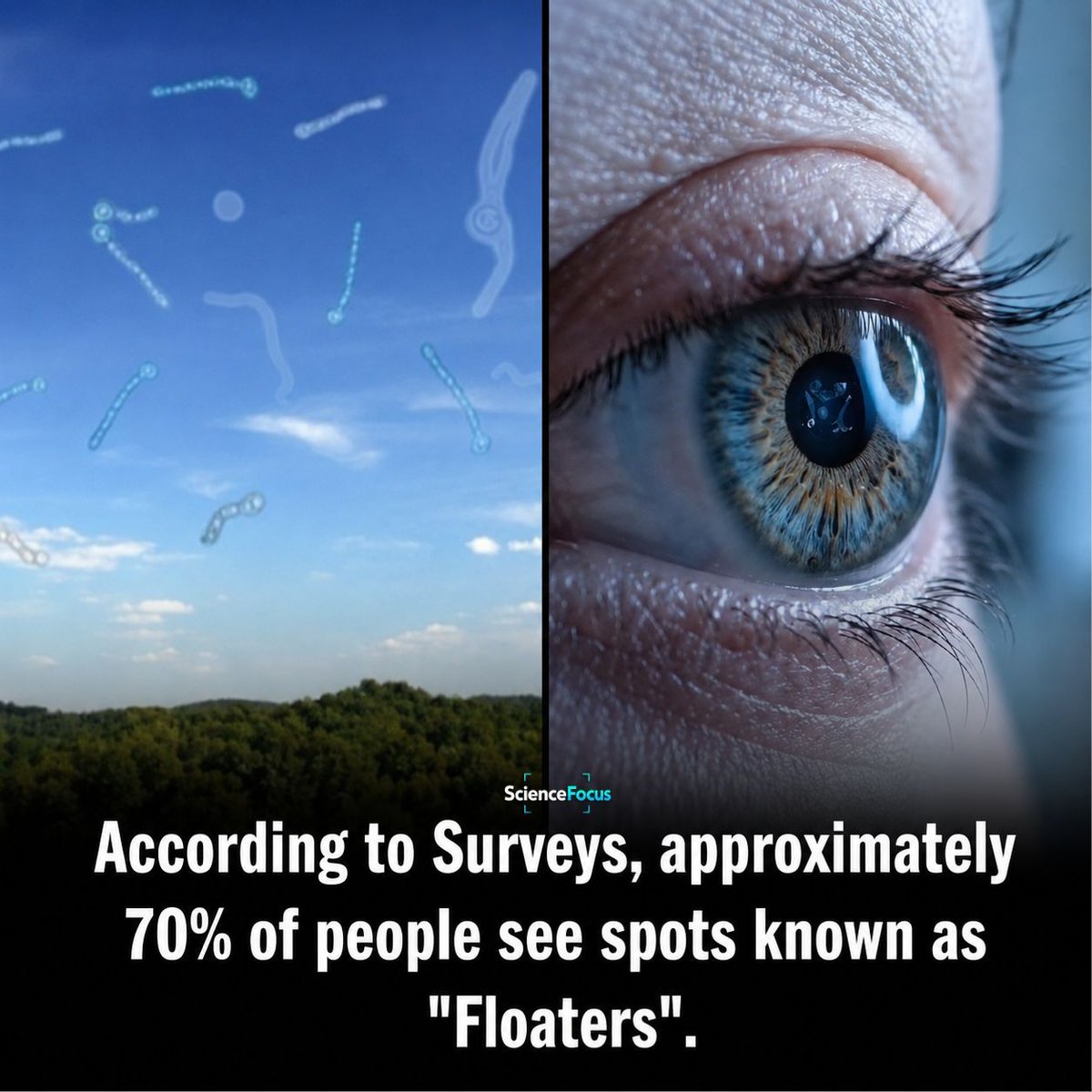
Those mysterious squiggly shapes drifting across your vision aren't your imagination. They're called eye floaters and most people will notice them at some point in their lives.
Eye floaters are tiny clumps of collagen or gel inside the vitreous, the clear substance that fills the inside of your eye.
As light enters the eye, these tiny particles cast shadows on the retina, making them appear as drifting dots, threads, cobwebs, or squiggly lines that seem to move whenever you try to look directly at them.
They're often easiest to see when looking at a bright blue sky, a white wall, or a computer screen.
Floaters become more common with age as the vitreous naturally changes and becomes more liquid. They can also occur after eye injuries, nearsightedness, or certain eye conditions.
In most cases, eye floaters are completely harmless and your brain gradually learns to ignore them over time.
However, a sudden shower of new floaters, flashes of light, or a dark curtain blocking part of your vision could signal a retinal tear or detachment, which requires immediate medical attention.
Most floaters are simply a normal part of how the eye ages and while they can be annoying, they're usually nothing to worry about.
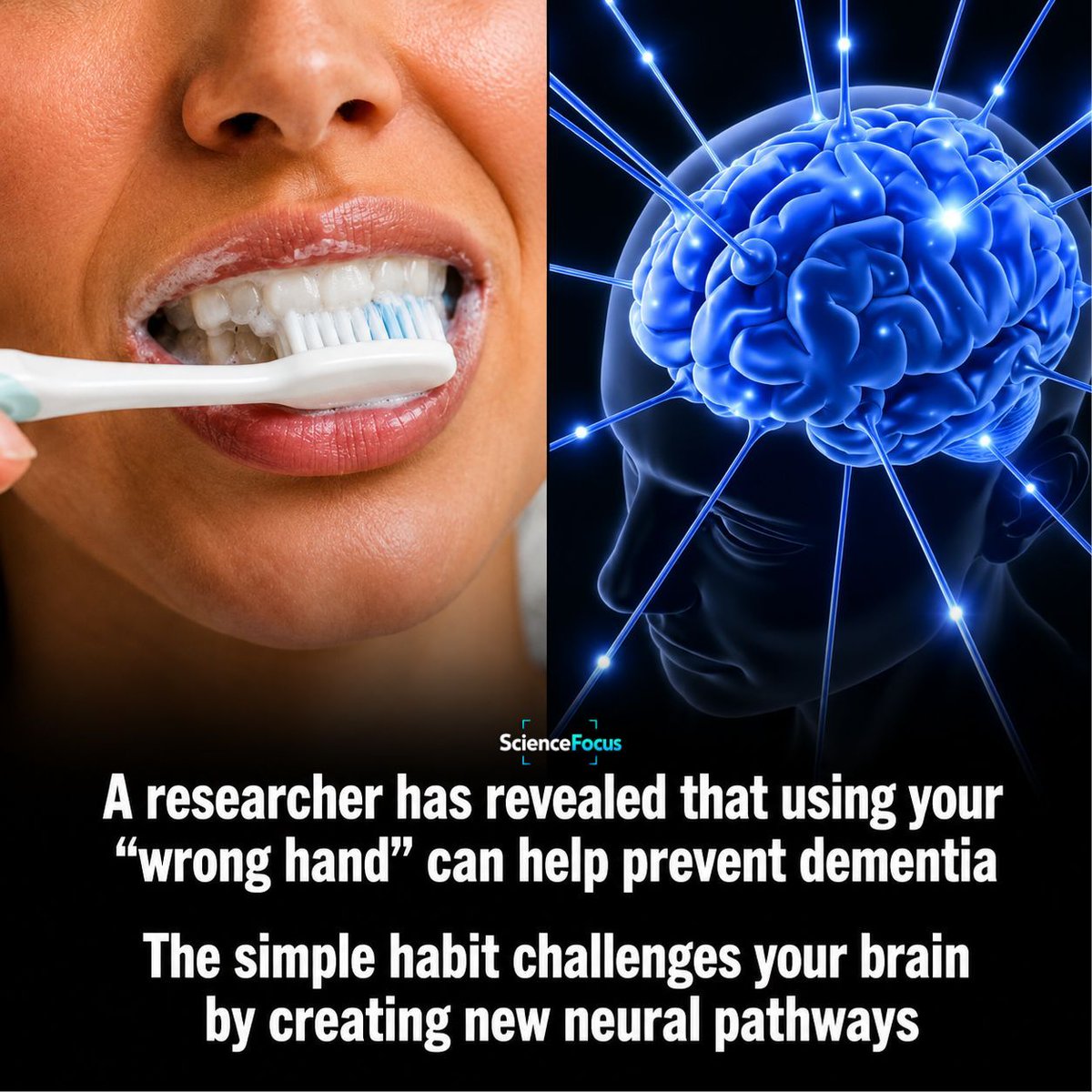
What if one tiny daily habit could give your brain an extra workout?
Researchers say using your non-dominant hand for simple everyday tasks may help keep your brain more engaged.
Brushing your teeth, eating with a spoon, opening doors, or using a computer mouse with your "wrong" hand forces your brain to step outside its normal routines.
That extra effort activates different neural circuits and encourages your brain to adapt, a process known as neuroplasticity.
Scientists believe regularly challenging the brain with unfamiliar activities may help strengthen cognitive flexibility, improve coordination, and keep the mind active as we age.
Some experts suggest these small mental challenges could contribute to long-term brain health when combined with proven habits like regular exercise, quality sleep, a healthy diet, and staying socially engaged.
However, it's important to understand that simply using your non-dominant hand has not been proven to prevent dementia on its own. Dementia is influenced by many factors, including age, genetics, cardiovascular health, and lifestyle.
Still, adding small, unfamiliar challenges to your daily routine is an easy way to exercise your brain and every healthy habit adds up over time.
Sometimes, the smallest changes are the ones that keep your mind sharp.
For decades, Huntington's disease was considered unstoppable. That may have just changed forever.
Scientists have successfully treated Huntington's disease for the first time, marking one of the biggest breakthroughs in modern neuroscience.
The experimental gene therapy targets the disease at its source instead of only managing symptoms.
In clinical trial results, patients who received the treatment experienced an average 75% slower disease progression over three years compared with similar untreated patients.
Huntington's disease is a rare inherited brain disorder caused by a single faulty gene. It gradually destroys nerve cells, leading to worsening movement problems, cognitive decline, behavioral changes, and eventually severe disability.
Until now, no treatment had been able to slow the disease itself.
The new therapy works by reducing production of the toxic huntingtin protein responsible for damaging brain cells.
Although more research and regulatory approval are still needed before the treatment becomes widely available, experts have described the findings as a historic turning point for families affected by the disease.
For thousands living under the shadow of Huntington's, this breakthrough offers something that has been missing for generations: real hope.
The future of surgery just took a giant leap forward.
For the first time, a surgical robot has successfully completed a highly realistic operation with little to no real-time human assistance.
Unlike traditional robotic surgery, where every movement is controlled by a surgeon, this new system was designed to make its own decisions, adapt to changing conditions, and carry out delicate surgical tasks with remarkable precision.
The robot relied on artificial intelligence, advanced imaging, and real-time feedback to navigate soft tissue and adjust its movements throughout the procedure.
That ability to adapt is one of the biggest challenges in robotic surgery.
Human tissue constantly moves, stretches, and changes shape, making autonomous surgery far more difficult than performing repetitive tasks in a controlled environment.
The procedure was performed in a realistic laboratory setting rather than on a human patient, making it an important research milestone rather than a clinical breakthrough.
Experts say years of additional testing, safety validation, and regulatory approval will still be required before autonomous surgical robots are used in hospitals.
Even so, the achievement marks a major step toward a future where AI-powered robots could assist surgeons, improve precision, reduce complications, and make advanced surgical care more accessible around the world.
The operating room of tomorrow may look very different from the one we know today.
Becoming a father doesn't just change your life... it changes your brain.
Scientists have discovered that the transition into fatherhood triggers measurable changes in the brain, reshaping regions involved in empathy, emotional bonding, decision-making, and caregiving.
Brain scans show that during the weeks and months after a baby's arrival, a father's brain begins to reorganize itself.
Some areas become more efficient through a natural process called neural pruning, while others grow stronger to support parenting, emotional regulation, and responding to an infant's needs.
These changes aren't signs of damage.
They're believed to be the brain adapting to one of the biggest responsibilities a person can experience.
Researchers also found that fathers who spend more time actively caring for their babies often show stronger changes in brain regions linked to attachment and nurturing.
In other words, the more involved a dad is, the more his brain may adapt to support that role.
This growing body of research suggests that fatherhood is far more than an emotional milestone.
It's a biological transformation that helps prepare fathers to connect with, protect, and care for their children in ways scientists are only beginning to understand.
The moment a baby is born, a father starts becoming someone new inside and out.
What if the biggest breakthrough in heart disease isn't a new surgery... but an enzyme?
Scientists are investigating enzymes that may help break down harmful material linked to arterial plaque.
Early research suggests these enzymes could reduce plaque buildup, improve blood flow, and support healthier arteries.
If proven effective in humans, this approach could completely change how cardiovascular disease is treated.
But there's an important catch.
Most of the promising results so far have come from laboratory and animal studies. Researchers are still working to confirm whether these treatments are safe and effective for people through larger clinical trials.
For now, the most reliable ways to slow or even partially reverse certain types of plaque remain well-established: lowering LDL cholesterol, controlling blood pressure, exercising regularly, eating a heart-healthy diet, avoiding smoking, and using prescribed medications when needed.
Even so, the idea of using targeted enzymes to help clear arteries is generating excitement across the medical community.
A future where heart disease is treated at its source may be closer than many imagined.
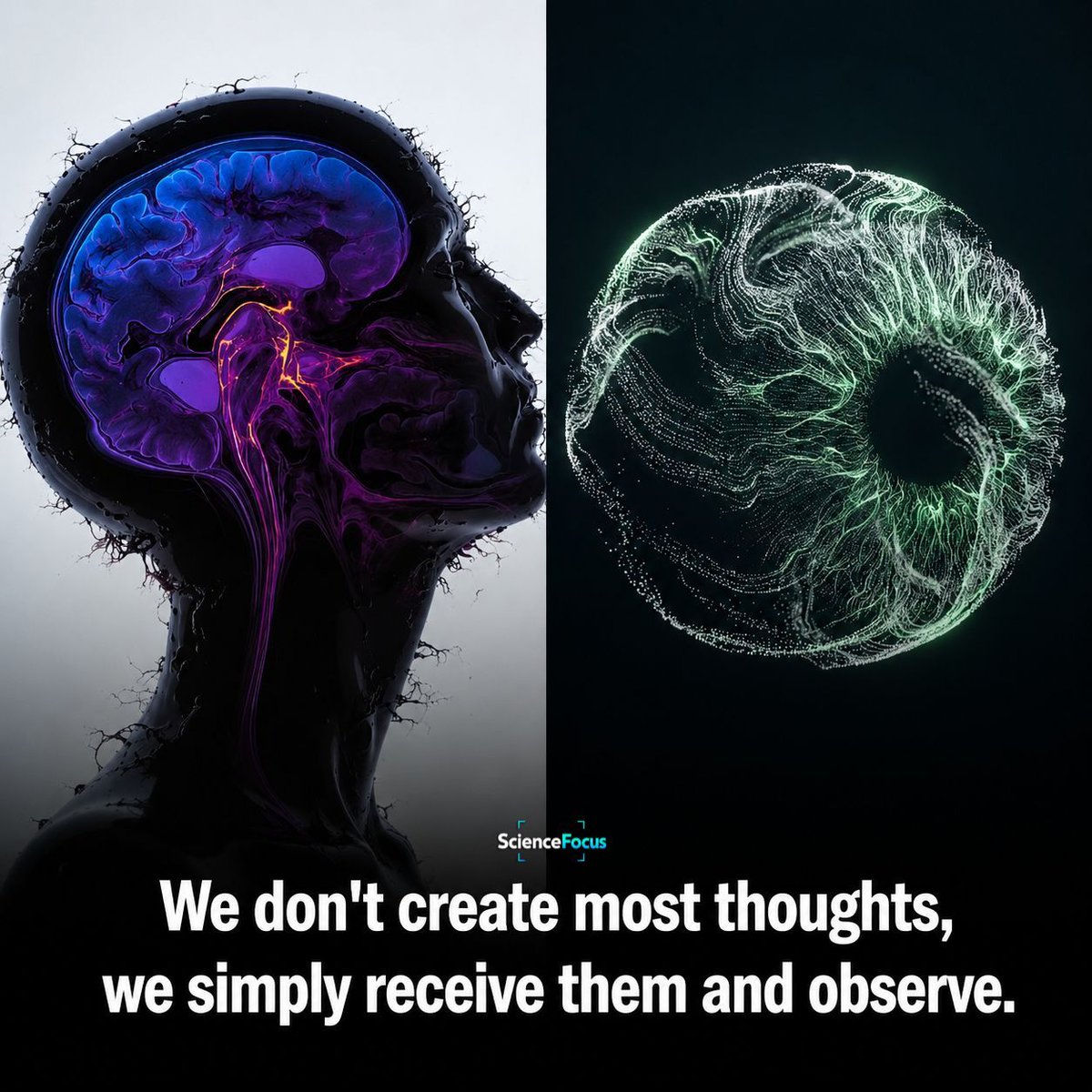
Your mind isn't creating every thought.
Many thoughts appear automatically.
Your brain constantly processes memories, emotions, habits, and your surroundings.
Most thoughts arise without conscious effort.
You notice them more than you create them.
Neuroscience suggests the brain often begins processing before you're even aware of a thought.
That doesn't mean you have no control.
You may not choose the first thought.
But you can choose whether to believe it, ignore it, or act on it.
Learning to observe your thoughts instead of reacting to them can reduce stress and improve mental clarity.
Sometimes, the most powerful response is simply to watch a thought pass by.
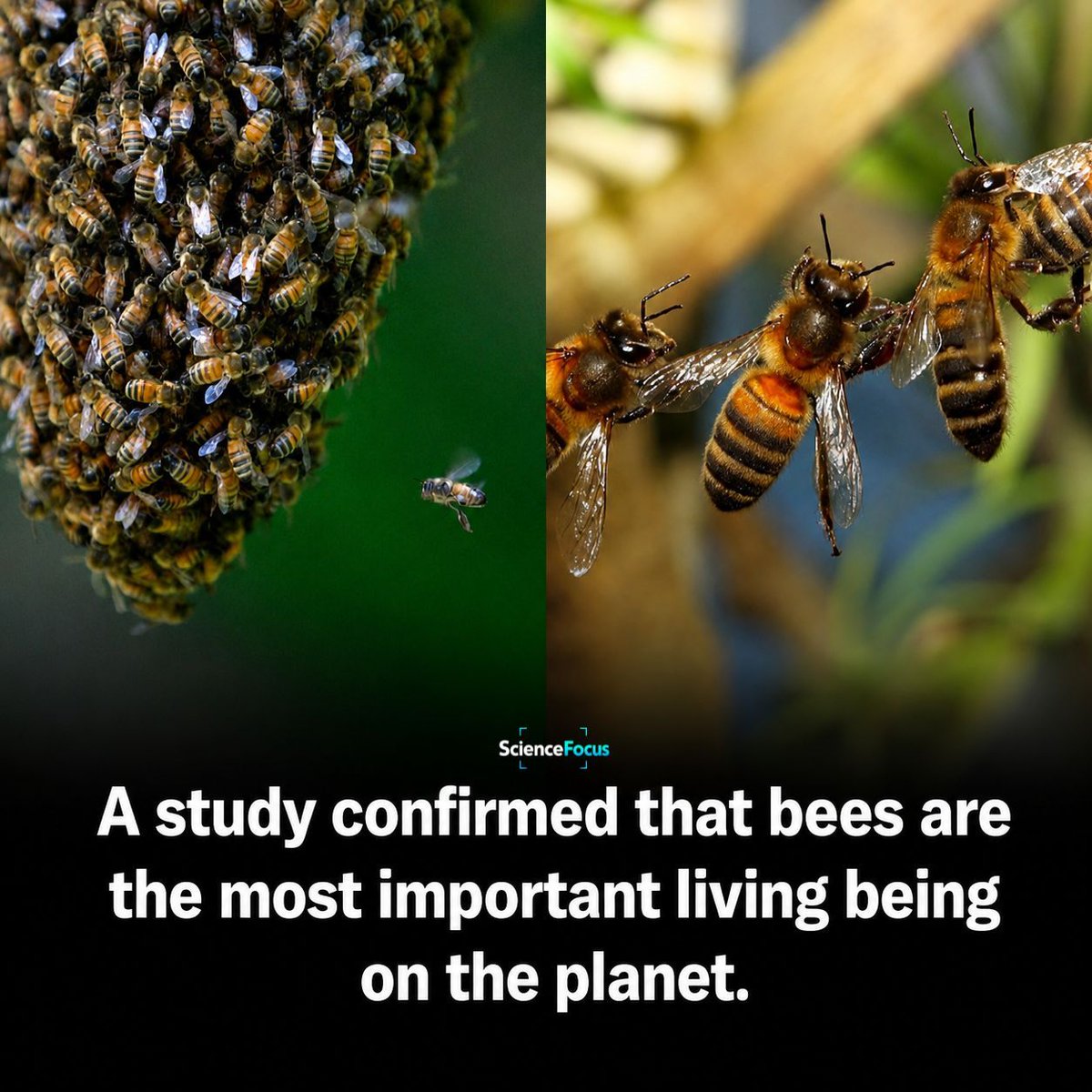
Bees may be the most important animals on Earth.
Not because they make honey.
But because they help feed the world.
Around 75% of the world's flowering crops depend, at least in part, on animal pollinators like bees.
Without them, many fruits, vegetables, nuts, and seeds would become far less abundant.
Bees also help wild plants reproduce.
That supports entire ecosystems and the animals that rely on them.
Calling bees the "most important living beings" is an opinion, not a scientific fact.
But scientists agree they are among the planet's most vital pollinators.
Protecting bees means protecting biodiversity, food security, and the future of agriculture.
AI could completely change how pancreatic cancer is found.
Doctors have developed an AI model that can detect pancreatic cancer long before it's usually diagnosed.
The system can identify warning signs up to 3 years earlier.
It analyzes tiny changes in CT scans that are nearly impossible for doctors to spot with the naked eye.
In testing, the AI detected many future cancer cases before symptoms appeared.
That could give patients valuable time to begin treatment earlier.
Pancreatic cancer is one of the deadliest cancers because it's often found too late.
Catching it earlier could greatly improve the chances of successful treatment.
The technology is still being tested and isn't yet part of routine hospital care.
If future studies confirm the results, it could become a major breakthrough in cancer detection.
Earlier diagnosis has the potential to save thousands of lives.
Your brain doesn't care what's true. It cares what's repeated.
That might sound unbelievable.
But neuroscience points to something fascinating.
Your brain is constantly changing.
Every thought you repeat strengthens the neural pathways connected to it.
This ability is called neuroplasticity.
It's how the brain learns.
It's also how habits are formed.
The more often you think something, the easier it becomes for your brain to think it again.
Over time, those thoughts start feeling automatic.
Not because they're true.
Because they're familiar.
Scientists have also studied something called the illusory truth effect.
It shows that when people hear the same idea again and again, they're more likely to believe it.
Even when the idea isn't accurate.
Your brain often mistakes familiarity for truth.
That's why negative self-talk can become so powerful.
If you constantly tell yourself you're not smart enough...
Not good enough...
Or that you'll never succeed...
Your brain builds stronger pathways around those beliefs.
Eventually, they can feel like facts.
Even when there's little evidence to support them.
The good news?
The same process works in your favor.
Repeating realistic, constructive thoughts can gradually create new mental pathways.
That doesn't mean pretending everything is perfect.
It means challenging false beliefs instead of reinforcing them.
Small changes matter.
One healthier thought.
Repeated consistently.
Can slowly compete with years of negative thinking.
Your thoughts become stronger with repetition.
Choose carefully which ones you practice.
Your brain works the night shift while you sleep.
Falling asleep doesn't simply switch your brain off.
It starts one of the most important jobs of the day.
Protecting what you've learned.
While you're asleep, your brain repeatedly reactivates patterns of neural activity linked to recent experiences.
Scientists call this memory replay.
It's like your brain quietly rehearsing important moments.
Again.
And again.
This replay helps move memories from short-term storage into more stable, long-term memory.
That's why sleep isn't just about resting.
It's part of the learning process itself.
Studies show that both deep sleep and REM sleep play different roles in strengthening memories.
Deep sleep is especially important for facts and skills.
REM sleep appears to help connect ideas, solve problems, and process emotional experiences.
Skip enough sleep...
And your brain has less time to organize what happened during the day.
You might study for hours.
But without enough sleep, you're more likely to forget what you learned.
Researchers have even found that the same groups of neurons active while learning something during the day often become active again during sleep.
Almost like the brain is reviewing its notes.
This process doesn't happen by accident.
It's one of the reasons sleep is considered essential for memory, learning, creativity, and decision-making.
So if you want to remember more...
Don't just study harder.
Sleep better.
Sometimes the smartest thing you can do is close your eyes.