"Digital citizenship, put simply, is the use of mobile & internet technologies to participate in civic & political life". 👩💻 The free-to-download book documents and discusses examples from Namibia, Zambia, Nigeria, Ethiopia and Kenya.
Chang’an: 3D Printing Cyberpunk Town on Pearl River Delta. It emerged from its unique labor development practices that leverage the advanced digital fabrication capacity, open learning content on the Internet, and collaborative business models. https://t.co/ZJCdVk7iac
Digital Citizenship in Africa: With contributions from scholars across the continent the book illustrates how citizens have been using VPNs, encryption, and privacy-protecting browsers to resist limits on their rights to privacy and political speech. https://t.co/r0psPw8NbP
Seeding change: How Indigenous villages in Brazil built Nhandeflix, their own streaming platform. An Indigenous-centred content platform that works on their own intranet. https://t.co/J8tw4z5egt
Porto Digital Is the Quixotic Tech Hub That Actually Worked: nearly a quarter century after it was launched, Porto Digital has turned Recife into a bona fide center for Brazil’s emerging tech and creative economy sectors https://t.co/XUY5x0LVWk
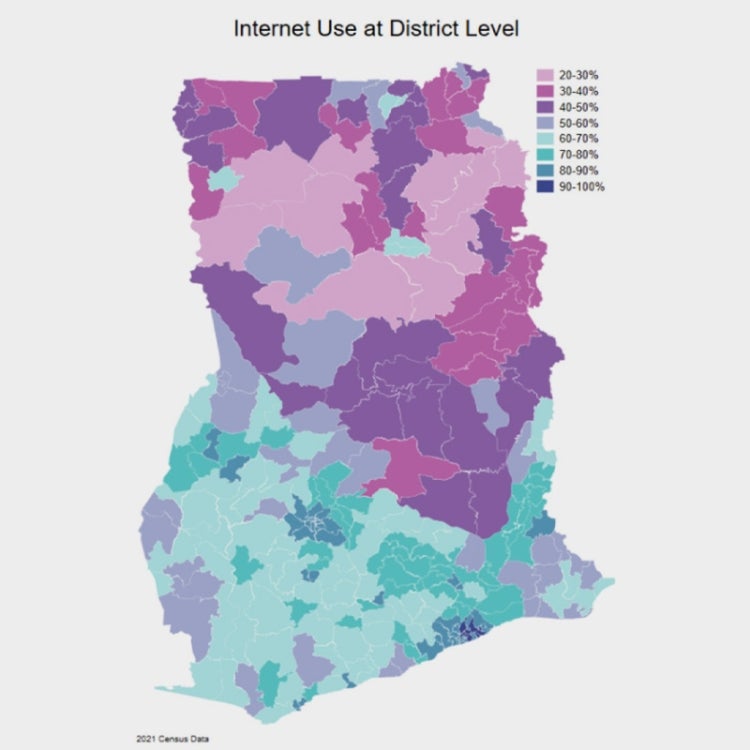
Ten Facts About Digital Technology Adoption in Ghana. Fact 6: Mobile money adoption rates exhibit significant spatial disparities. A significant rural-urban gap in mobile money usage exists: 72% in urban vs 47% in rural areas. https://t.co/Qrdj0GkNn0
How is the Indonesian development sector using generative AI? @thekopernik "taking the pulse" mapping identified 10 use cases (as well as risks) https://t.co/VbuyRNlPoP
How TikTok influencers exploit ethnic divisions in Ethiopia. TikTok does not publicly disclose how many staff members or content moderators it employs for reviewing content in these languages. https://t.co/1EvIlhMB4H
More CCTV, more crime: India’s most-surveilled cities are the least safe - The lack of regulation around the use and the storage of data collected through CCTVs poses a serious threat to citizens and CCTV does not lead to lower crime rates. https://t.co/qDannXJNqA
"Smart City": Cameroon launches video surveillance with live facial recognition in largest city. Already, 3k CCTV cameras have been installed. "With the analytical processing of data by artificial intelligence, crowds will no longer be anonymous" https://t.co/Hj5ph6lPlh
An algorithm intended to reduce poverty might disqualify people in need. According to a new report by the Human Rights Watch, an algorithmic welfare distribution system for Jordan, funded by the World Bank, unfairly and inaccurately quantifies poverty. https://t.co/bDiex8i6Ko
Study: E-filing sheds a new light on Tajikistan's taxation landscape. While the process has increased efficiency, it's also revealed disparities in tax contributions and systemic corruption previously obscured by manual processes. https://t.co/IAXpQPYzse