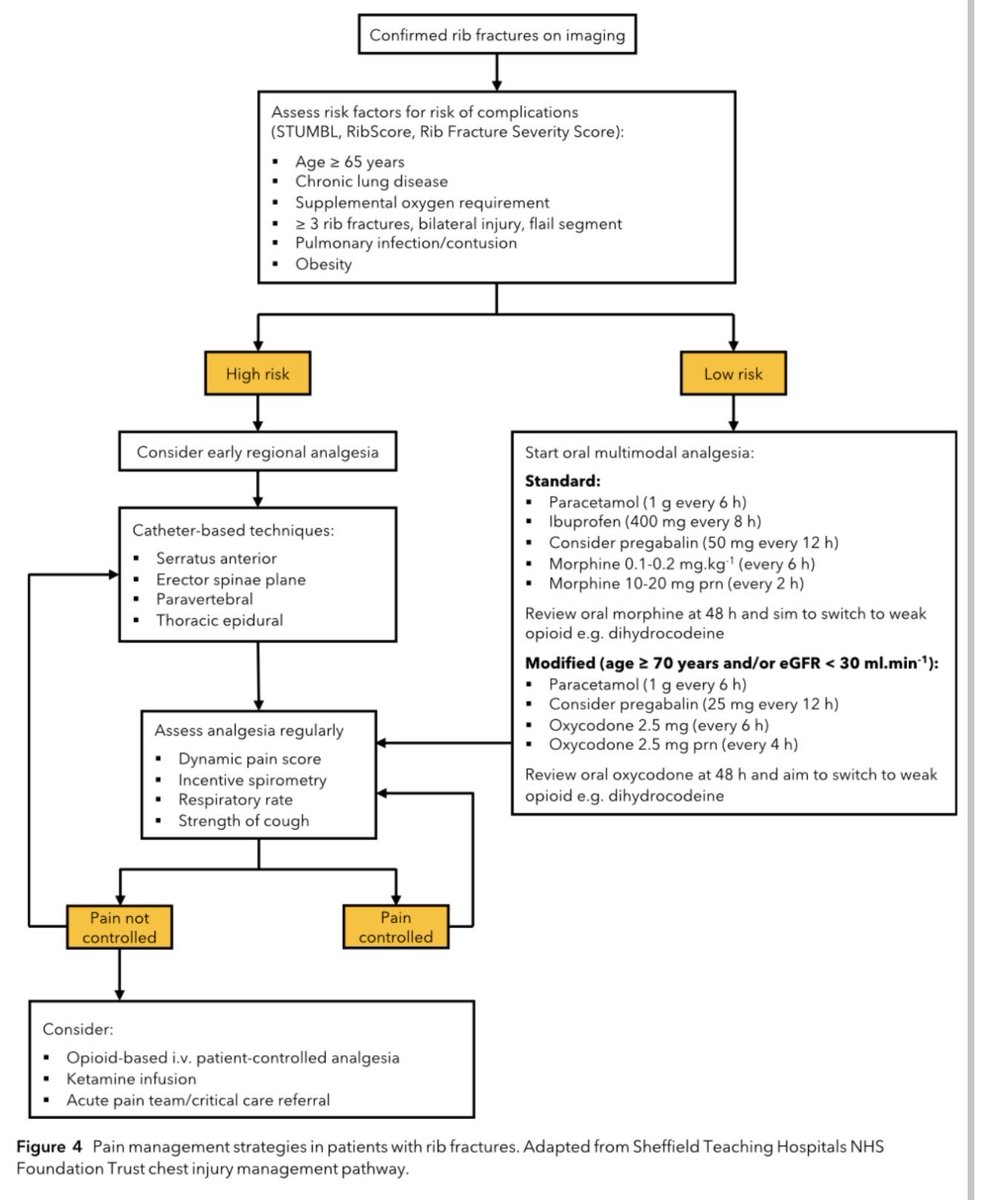
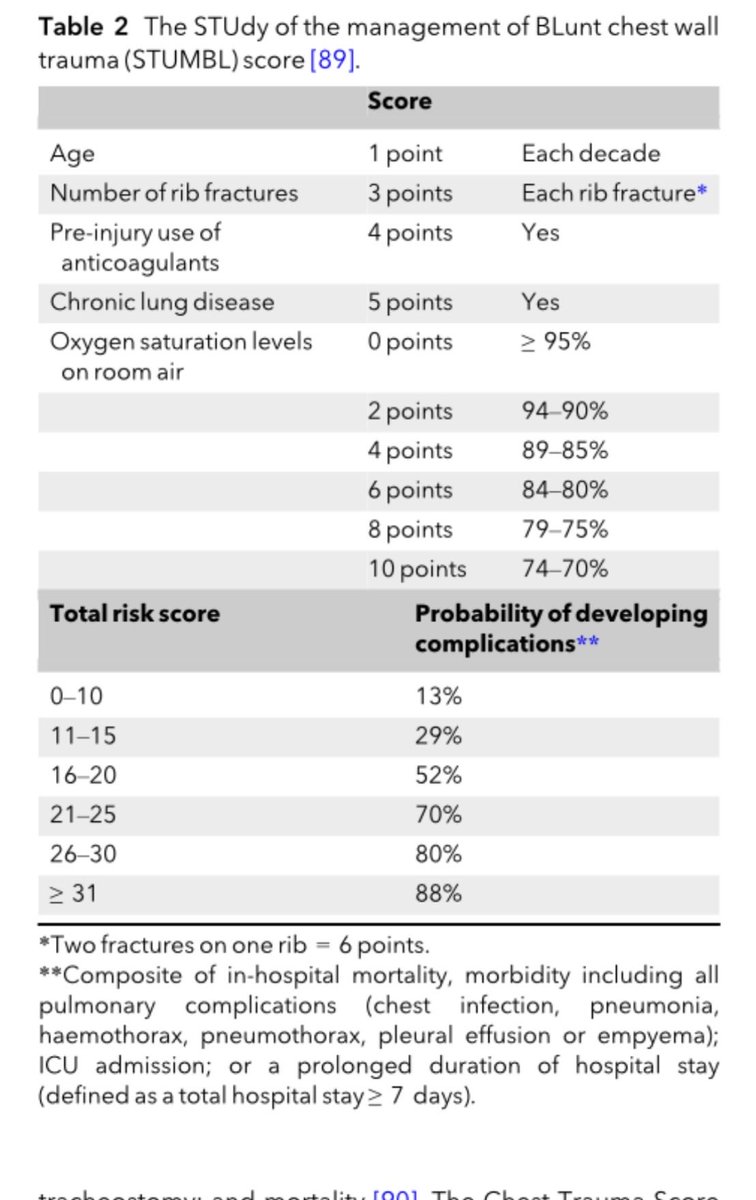
Managing major thoracic trauma? 🫁 Keep these clinical pearls from Kaur et al. (2026) in mind:
1️⃣ Don't underestimate "trivial" trauma, especially in elderly patients.
2️⃣ Success relies on a multidisciplinary approach (Surgery, ICU, PT, Rehab).
3️⃣ Aggressive supportive care (airway, ventilation, pain) is as vital as the primary intervention.
Kaur et al.
🔗 https://t.co/CTqEDPMMt4
#Trauma #Anesthesia #CriticalCare
Sakurada et al: Association of Impaired Hematoma Clearance After Aneurysmal Subarachnoid Hemorrhage with Delayed Cerebral Ischemia, Hydrocephalus, and Long-Term Outcomes
Link: https://t.co/wXkiaD9NnB
@neurocritical#neurocritcare
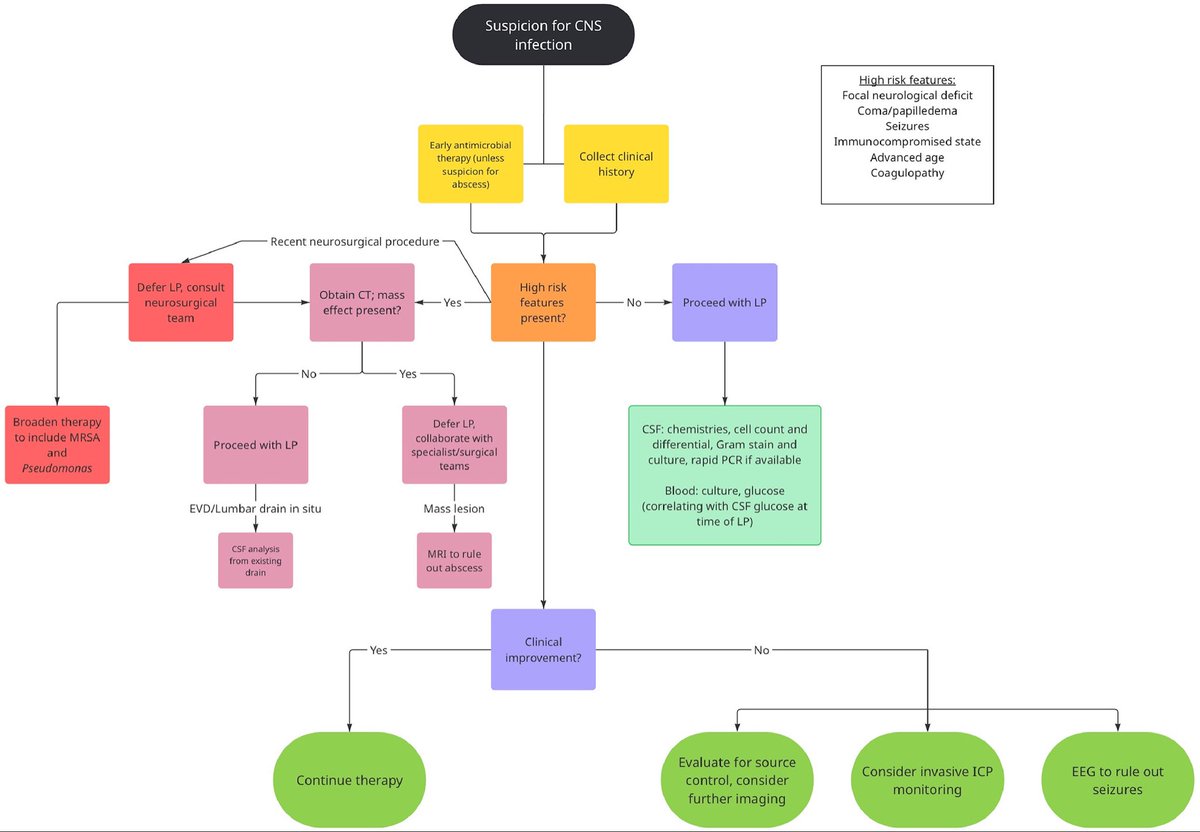
Managing CNS infections (meningitis, encephalitis, abscesses) in the ICU? 🏥
Key takeaways from the latest review by Busl, Ordway, & Sonneville:
1️⃣ Prioritize the first hour for treatment initiation.
2️⃣ Recognize the limits of CSF-based diagnostics.
3️⃣ Use non-CSF pathways for brain abscesses.
Real-life case examples included!
Busl et al.
Read article here: https://t.co/MoYKnpu42y
#NeuroCriticalCare #ICU #FOAMed
📝 Case Report: Dual-phase computed tomography demonstrated acute #cardiac tamponade developing within seconds in a hemodynamically stable patient with type A #aortic dissection, highlighting the need for immediate surgical readiness.
https://t.co/meZ75xTf0a
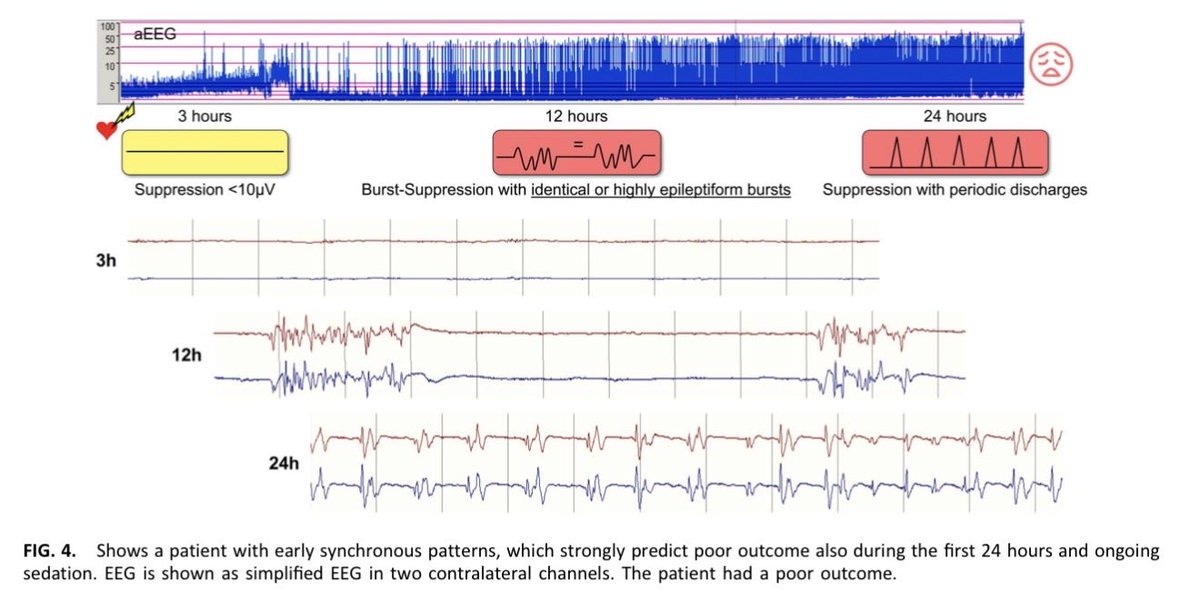
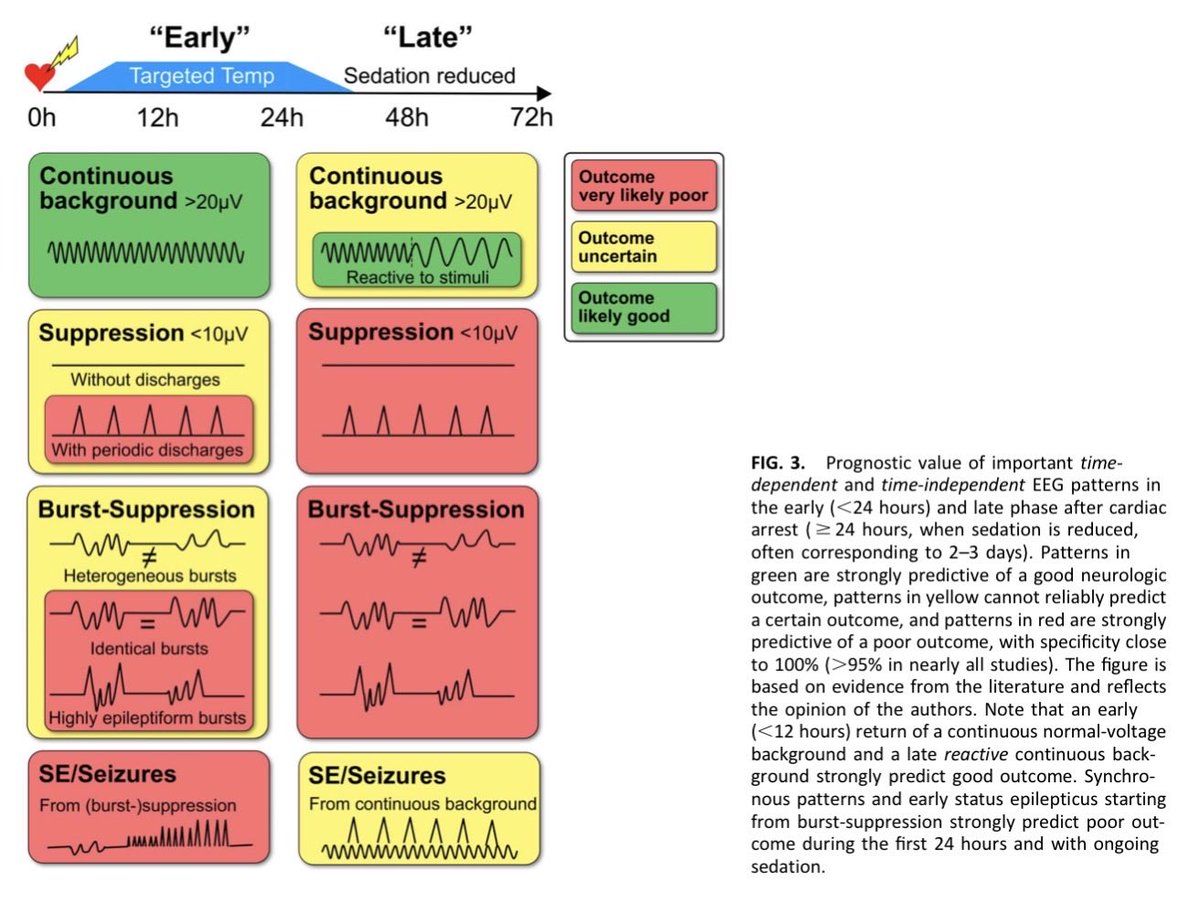
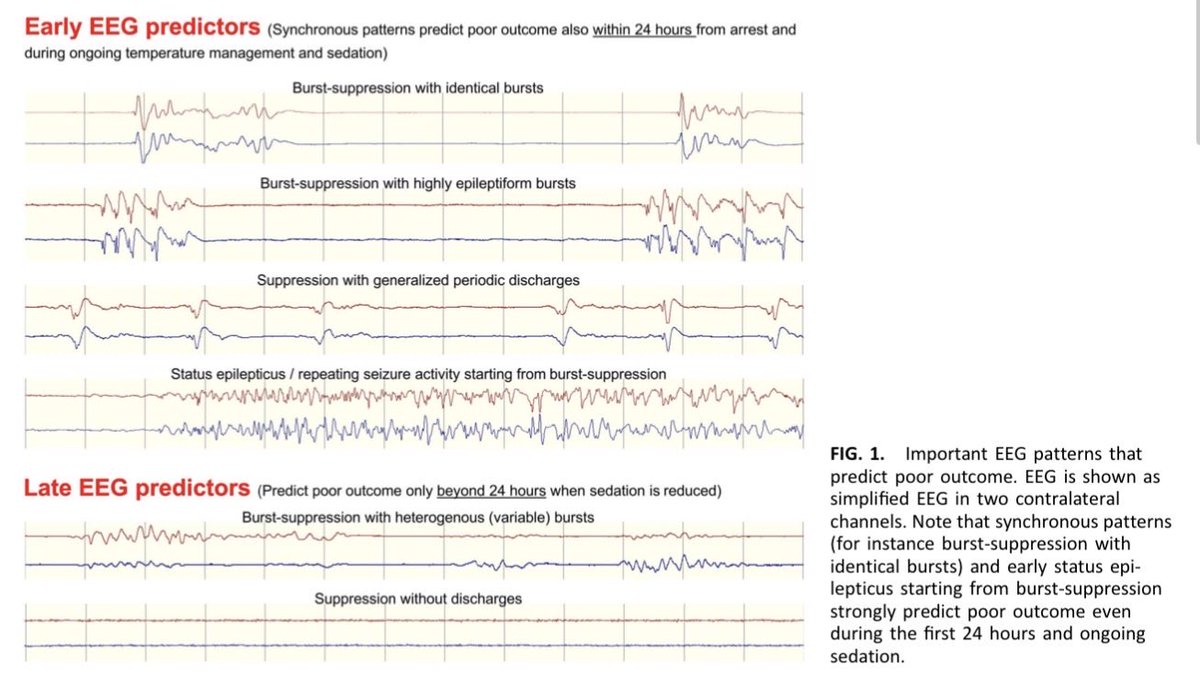
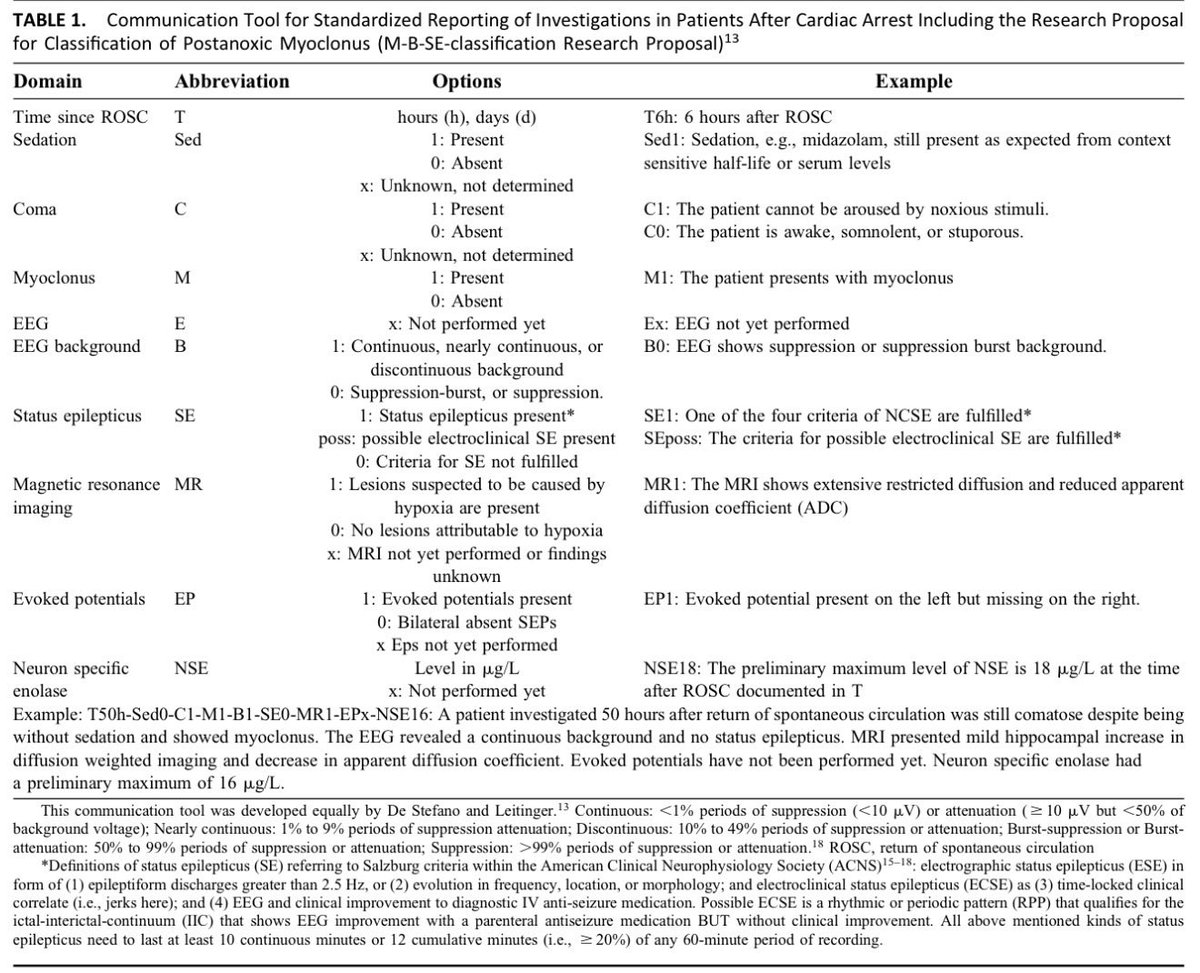
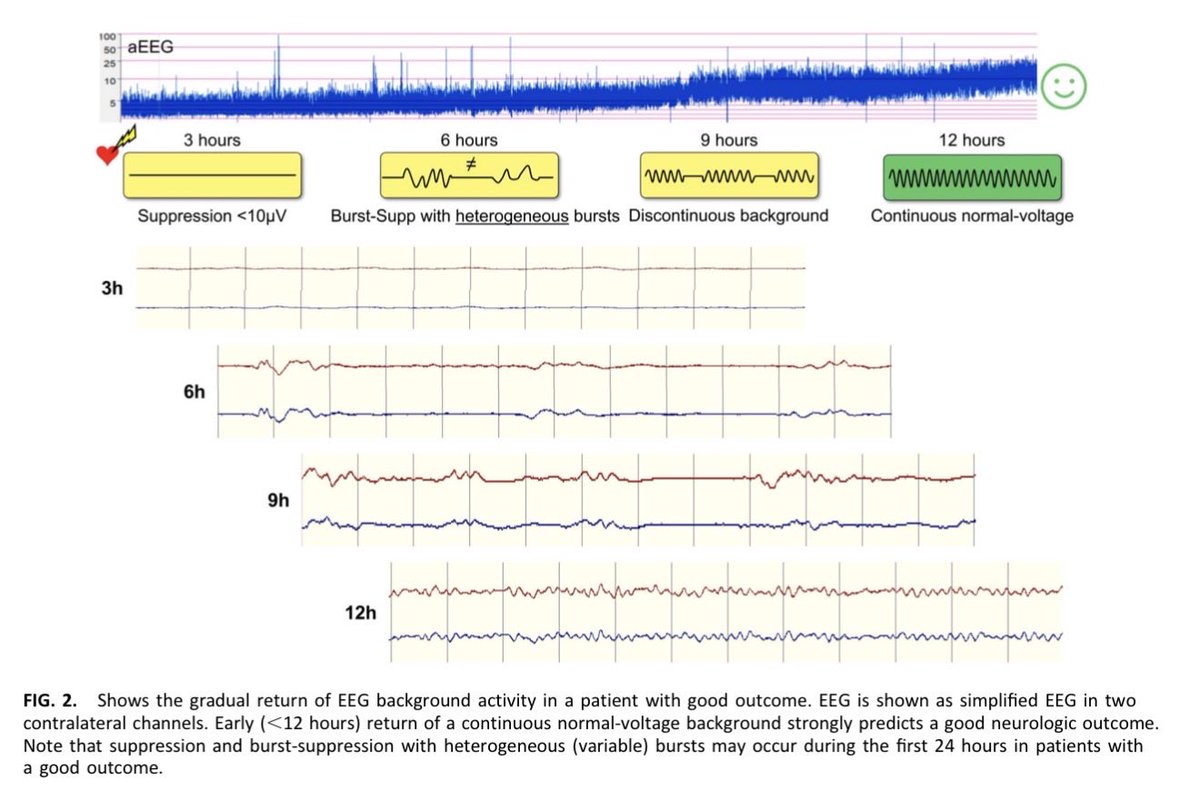
Is myoclonus in hypoxic-ischemic encephalopathy an infallible marker of poor prognosis? Recent research in J. Clin. Neurophysiol. (2026) suggests otherwise.
EEG monitoring (continuity & status epilepticus) is essential to avoid false-positive predictions and premature withdrawal of care. 🫀🧠
Leitinger et al.
read full article here: https://t.co/bhAZt5ds1L
#Neurology #NeuroCriticalCare #FOAMed #EEG
Prognostication after cardiac arrest: What does the latest evidence say about HIE? 🧠⚡
New review in J Clin Neurophysiol emphasizes:
✅ cEEG is king: Early continuous monitoring beats routine EEG for both good/poor outcome sensitivity.
✅ SSEP utility: Bilateral N20 absence = near 100% specificity for poor outcomes.
✅ New thresholds: Very low cortical SSEP amplitudes (~0.5 µV) are showing strong prognostic value.
Westhall et al.
Full details can be found in the article: https://t.co/7GZBcF4IV5
#NeuroTwitter #FOAMed #ICU #HIE #NeuroCritCare
Are BNP and NT-proBNP more than just heart failure markers in the ICU? 🫀
A new review explores their growing role in critical care:
✅ Useful for differentiating respiratory failure & assessing volume status.
✅ Strong predictors of mortality & AKI in sepsis/ARDS.
Essential reading for clinicians looking to refine their multimodal monitoring strategies.
Olarewaju et al.
Read the full review here: https://t.co/4LtXFK7Afe
#CriticalCare #ICU #FOAMed
New review in Management of Toxic Epidermal Necrolysis (TEN) in the ICU.
Key takeaways:
✅ Supportive care is the cornerstone.
✅ Prompt withdrawal of the suspected drug is critical.
✅ No immunomodulatory treatment has proven mortality benefits.
✅ Multidisciplinary care in specialized centers is essential.
Windsor et al.
Read more: https://t.co/mRbF8hPF3g
#MedEd #ICU #Dermatology #CriticalCare #FOAMed
Meta-analysis indicates #Prasugrel provides optimal balance of efficacy and safety for patients after #PCI, with lower major adverse cardiovascular events and stent thrombosis compared with ticagrelor and clopidogrel. https://t.co/IT5wEVgub5
An international consensus process established a football-specific standardized on-pitch concussion assessment protocol (#FOCUS) to address the need for rapid, evidence-informed evaluation of suspected concussion during match play.
https://t.co/UElm1aBqzO
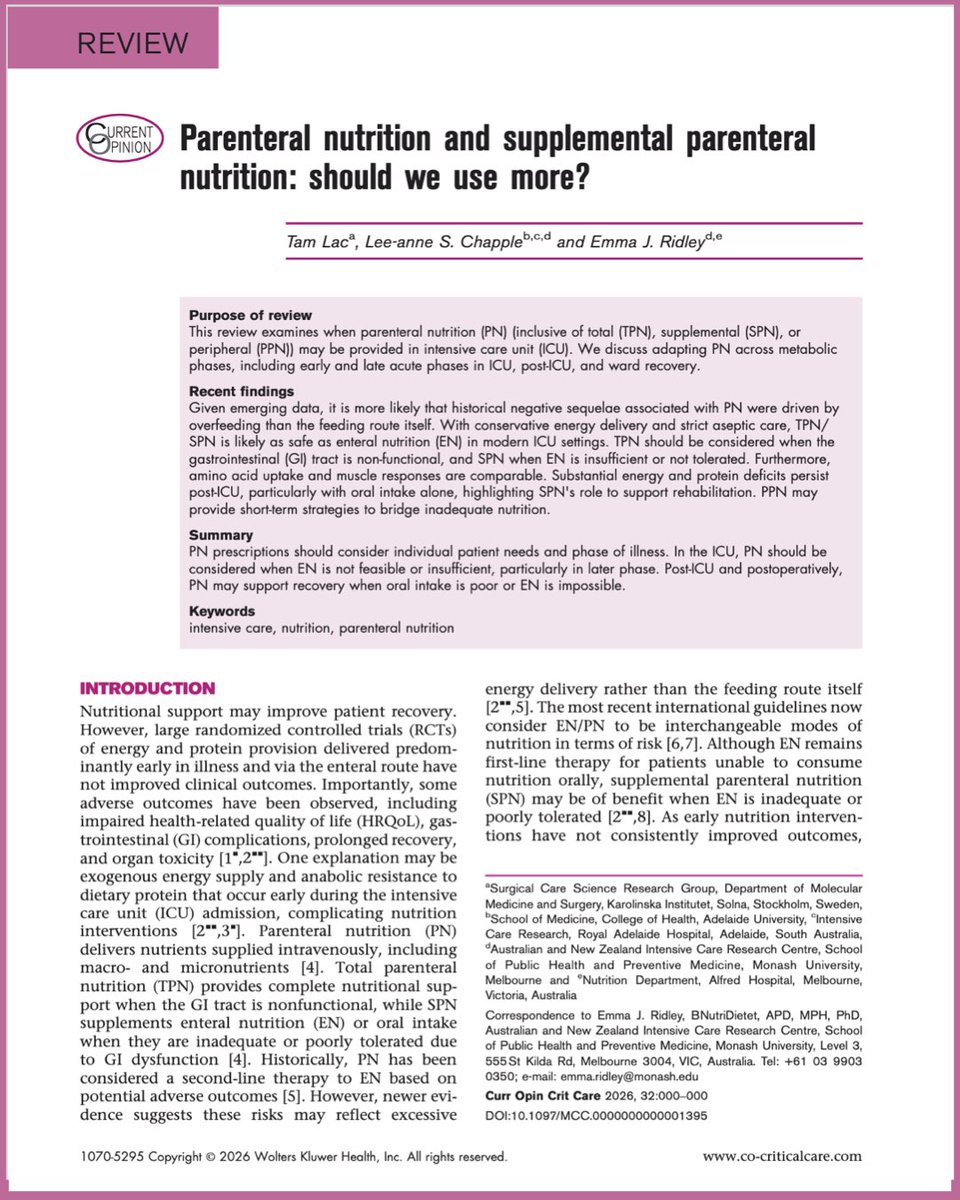
📚 NEW REVIEW-Parenteral Nutrition and Supplemental Parenteral Nutrition: Should We Use More?
For years, parenteral nutrition (PN) was often viewed as a “last resort.” It is definitely time to rethink that approach!
This outstanding review examines the evolving evidence and highlights several important concepts:
🔹 Modern data suggest many historical concerns about PN were likely driven by overfeeding, not the intravenous route itself.
🔹 When the gastrointestinal tract is not functional, total parenteral nutrition (TPN) remains essential.
🔹 Supplemental parenteral nutrition (SPN) should be considered when enteral nutrition alone cannot meet energy and protein requirements—particularly during the later phases of critical illness.
🔹 The review emphasizes phase-specific nutrition, recognizing that nutritional strategies should evolve from the early acute ICU phase through ward recovery and post-ICU rehabilitation.
🔹 Recovery doesn’t end at ICU discharge. Significant nutrition deficits often persist, and thoughtfully using SPN may help bridge this gap to support muscle recovery and functional outcomes.
This paper reflects an important shift in critical care nutrition: moving away from one-size-fits-all nutrition toward personalized, phase-specific metabolic support.
Congratulations to Tam Lac, Lee-anne Chapple, and Emma Ridley on an excellent and thought-provoking review.
📖 Read the paper here: https://t.co/clIhpygzNj
🙋♂️ I’d love to hear your thoughts:
❓Are you using supplemental parenteral nutrition early (day 2-3) when enteral nutrition alone is insufficient, or are you still waiting until day 7?
I’m honored to serve as Guest Editor for the new Nutrition & Metabolism issue of Current Opinion in Critical Care, bringing together leading experts to explore the latest advances shaping nutrition therapy in critical illness. Stay tuned for more cutting-edge articles from issue about to be published in full!
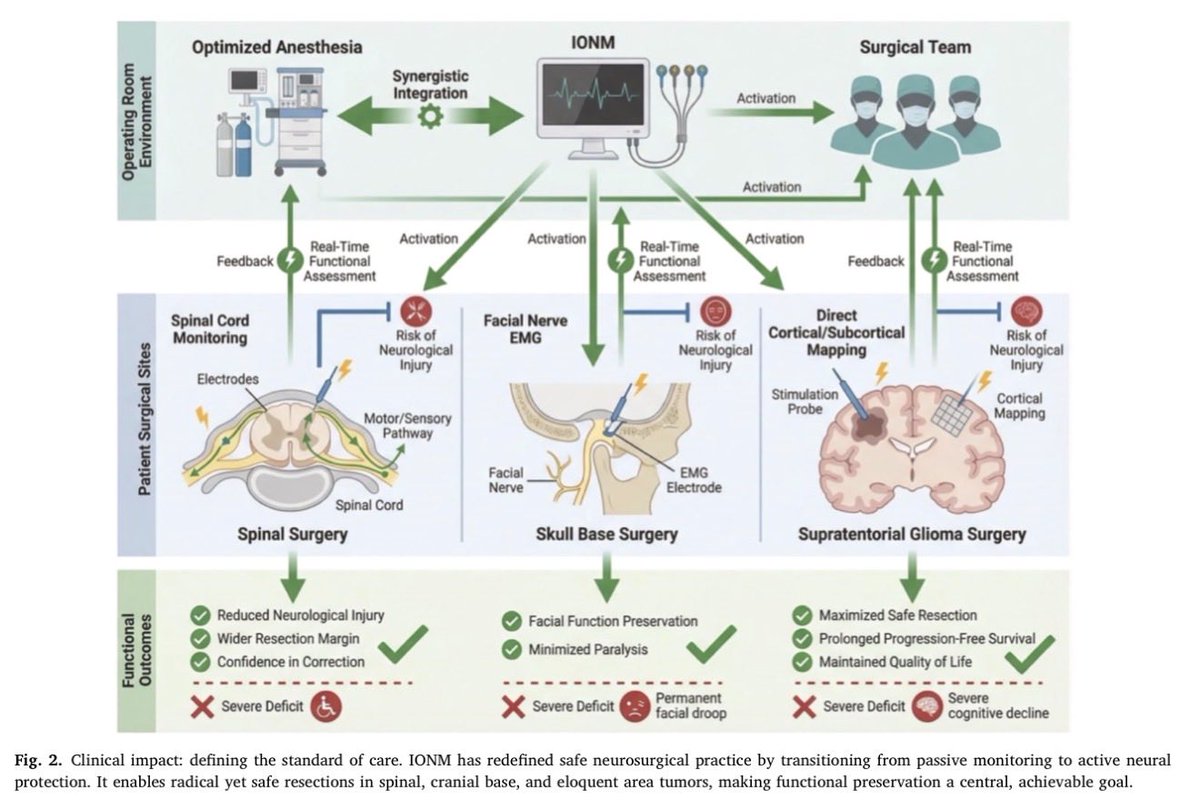
Intraoperative neurophysiological monitoring (IONM) has become the gold standard for high-risk neurosurgery, using multimodal monitoring (MEPs, SSEPs, EMG) and TIVA to safeguard patient function. 🧠🏥
✍️ By: Sun, Y. et al.
🔗 https://t.co/ba9o3DBWoB
#Neurosurgery#IONM#MedTech #AIinMedicine #Neuromonitoring
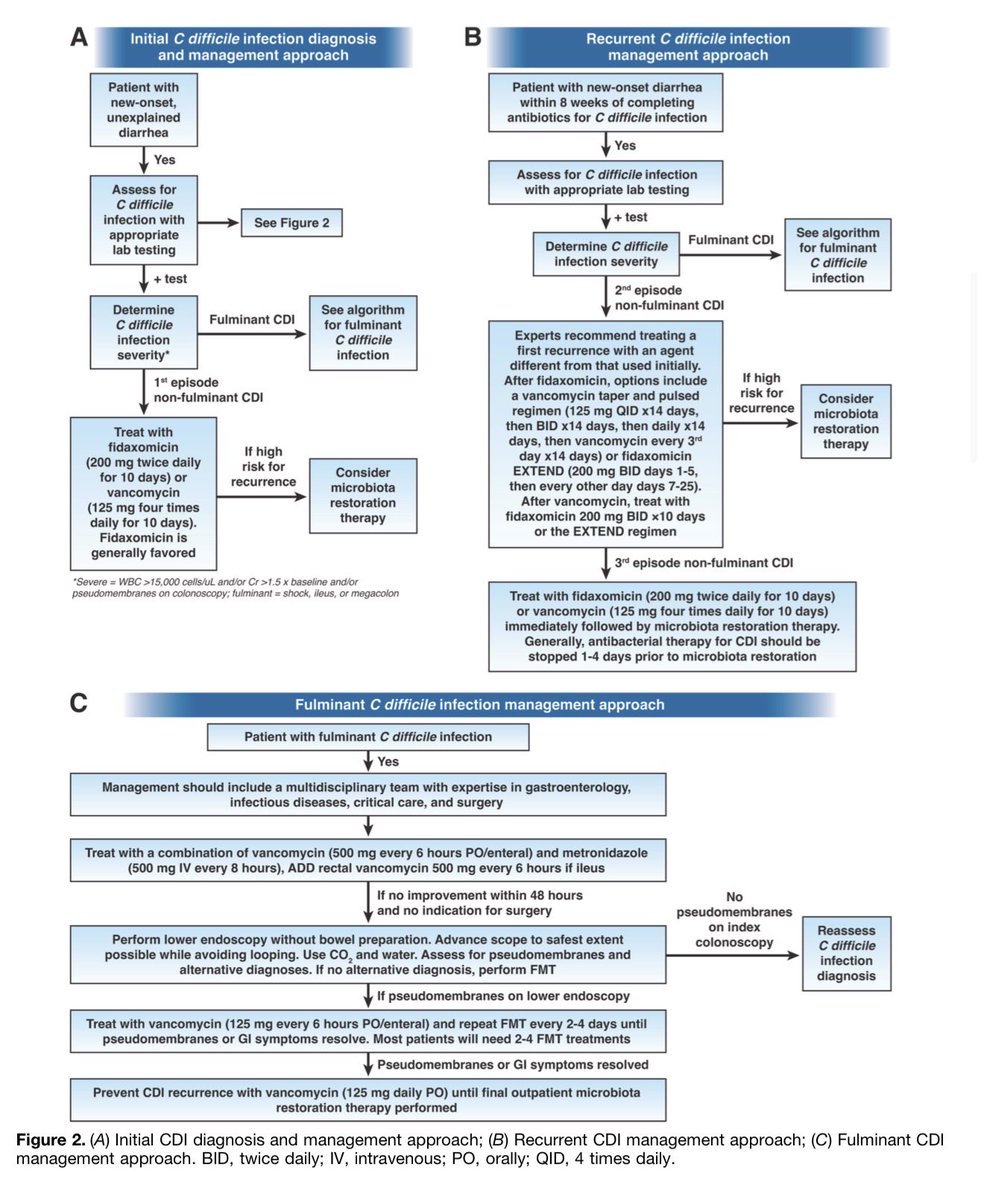
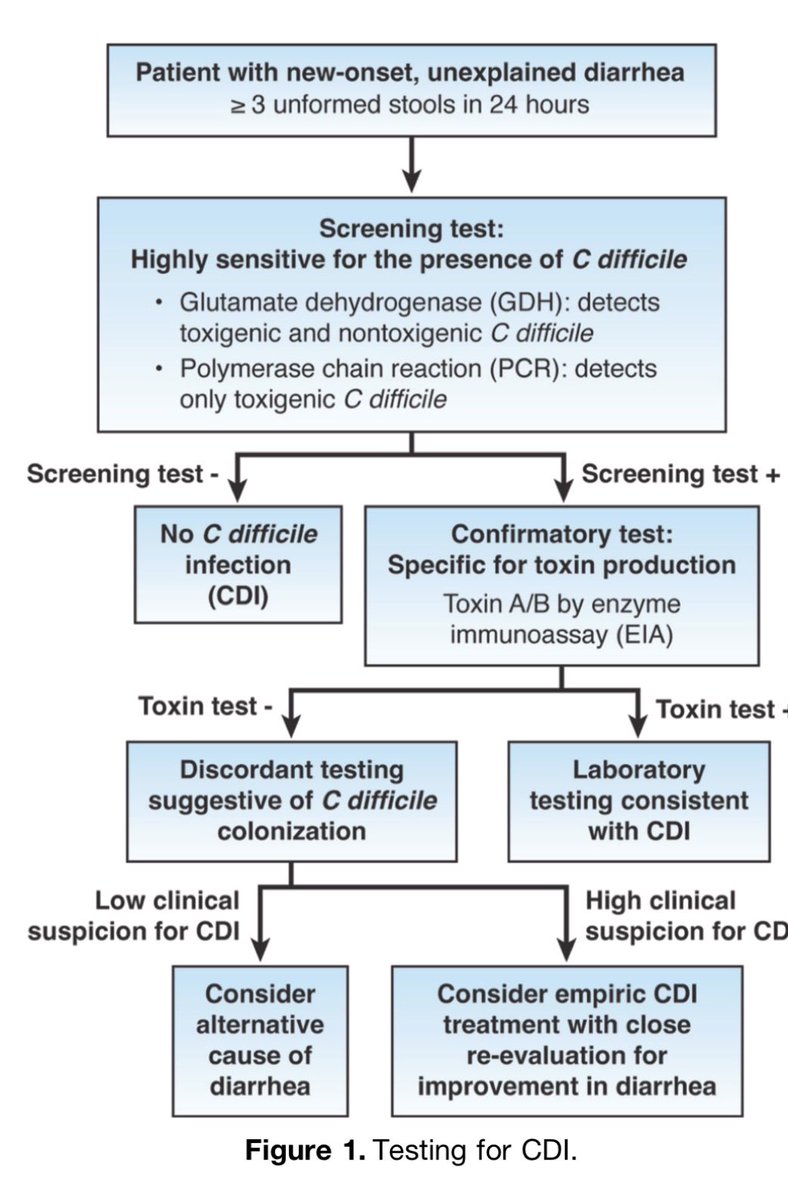
New AGA Clinical Practice Update: Expert guidance on managing Clostridioides difficile infection (CDI) in adults is now available. 🚽This update focuses on best practices for treating this common, often recurrent, and potentially fatal condition.
Fischer et al.
https://t.co/6Yc4yhWoAo
#Gastroenterology #MedEd #CDiff #AG
Understanding the WHO Critical Pathway for Deceased Organ Donation
Every deceased organ donor follows a structured pathway to ensure ethical, legal, and medically appropriate organ donation. The goal is to identify eligible donors, maximize organ utilization, and maintain public trust.
Two pathways exist:
🟦 Donation after Brain Death (DBD): The patient fulfills legal brain death criteria while circulation is maintained with life support.
⬜ Donation after Circulatory Death (DCD): Organs are donated after irreversible cessation of circulatory and respiratory function.
Both pathways progress through the same stages:
🔺Potential donor: A patient with devastating brain injury or circulatory failure who may be suitable for donation.
🔺Eligible donor: Death has been legally confirmed and the individual meets medical criteria.
🔺Actual donor: Organ recovery has begun or at least one organ has been retrieved.
🔺 Utilized donor: At least one recovered organ has been successfully transplanted.
Not every potential donor becomes a utilized donor. Common barriers include: - Failure to identify or refer a donor.
- Medical unsuitability or organ dysfunction.
- Hemodynamic instability before organ recovery.
- Lack of a compatible recipient.
- Family refusal or legal restrictions.
The WHO critical pathway standardizes deceased organ donation worldwide, helping improve donor identification, optimize organ utilization, and ensure that donation occurs only after death has been legally established.
Reference: Domínguez-Gil B, Delmonico FL, Shaheen FA, et al. The Critical Pathway for Deceased Donation. Transplant International. 2011;24:373-378.
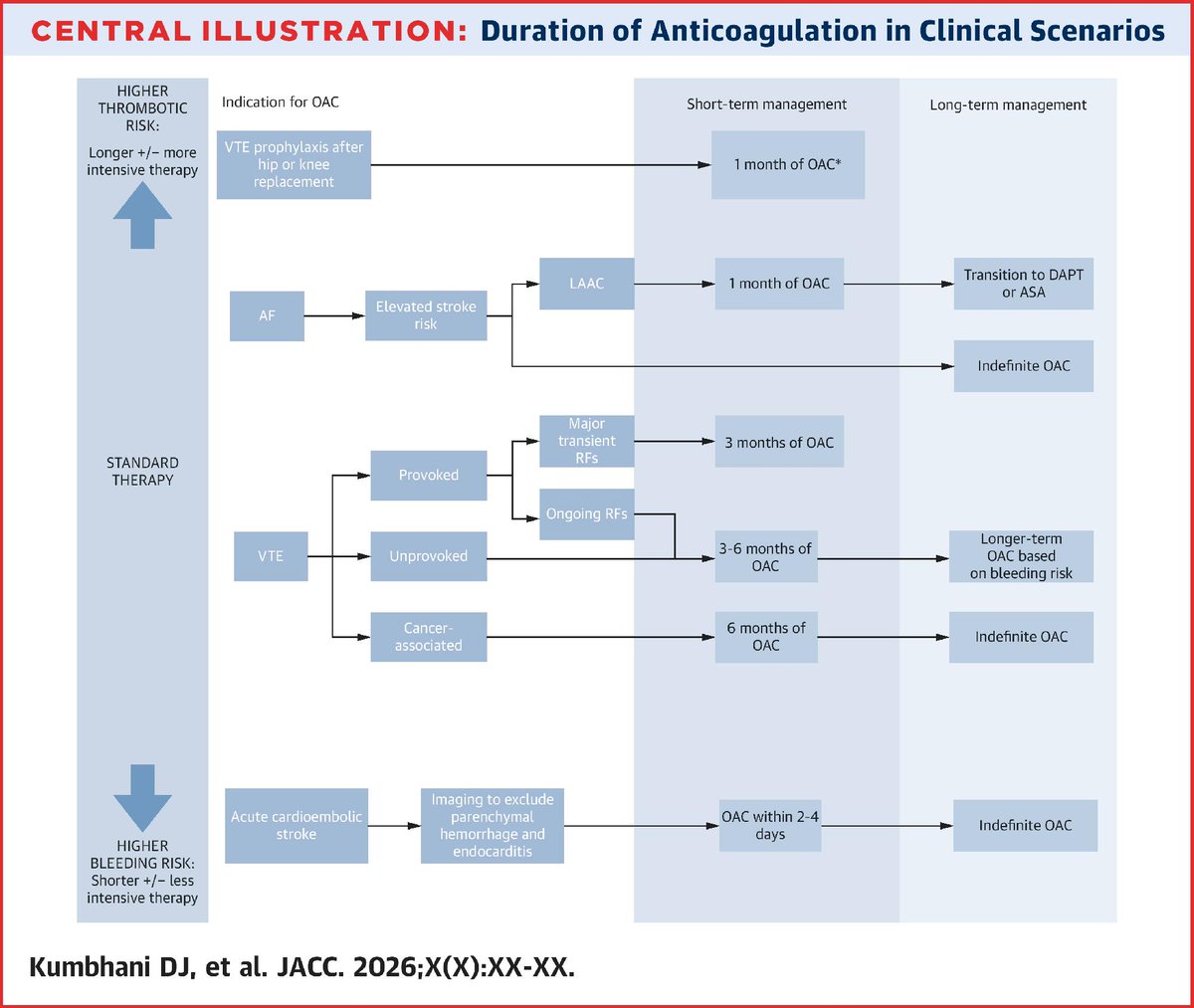
Despite strong evidence for their efficacy & safety, DOACs remain underused & at times inappropriately dosed, especially in high-risk pts. New ACC Scientific Statement provides guidance for primary & secondary prevention of thrombotic events https://t.co/l1Y0FmToIL #JACC#cvPrev
Qu et al: Malignant Cerebral Edema after Large-Core Anterior Circulation Stroke in the Thrombectomy Era: Prediction and Neurocritical Care Pathways
Link: https://t.co/l5GnGC8fTB
@neurocritical#neurocritcare