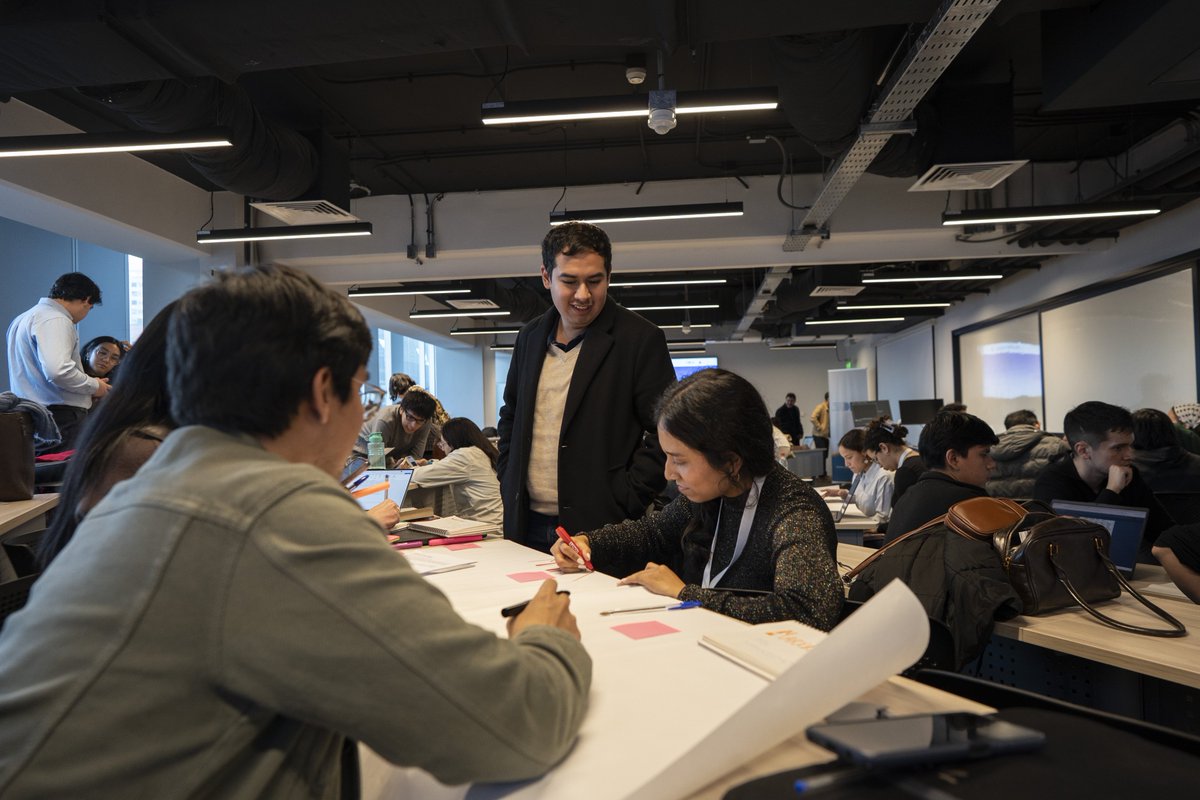
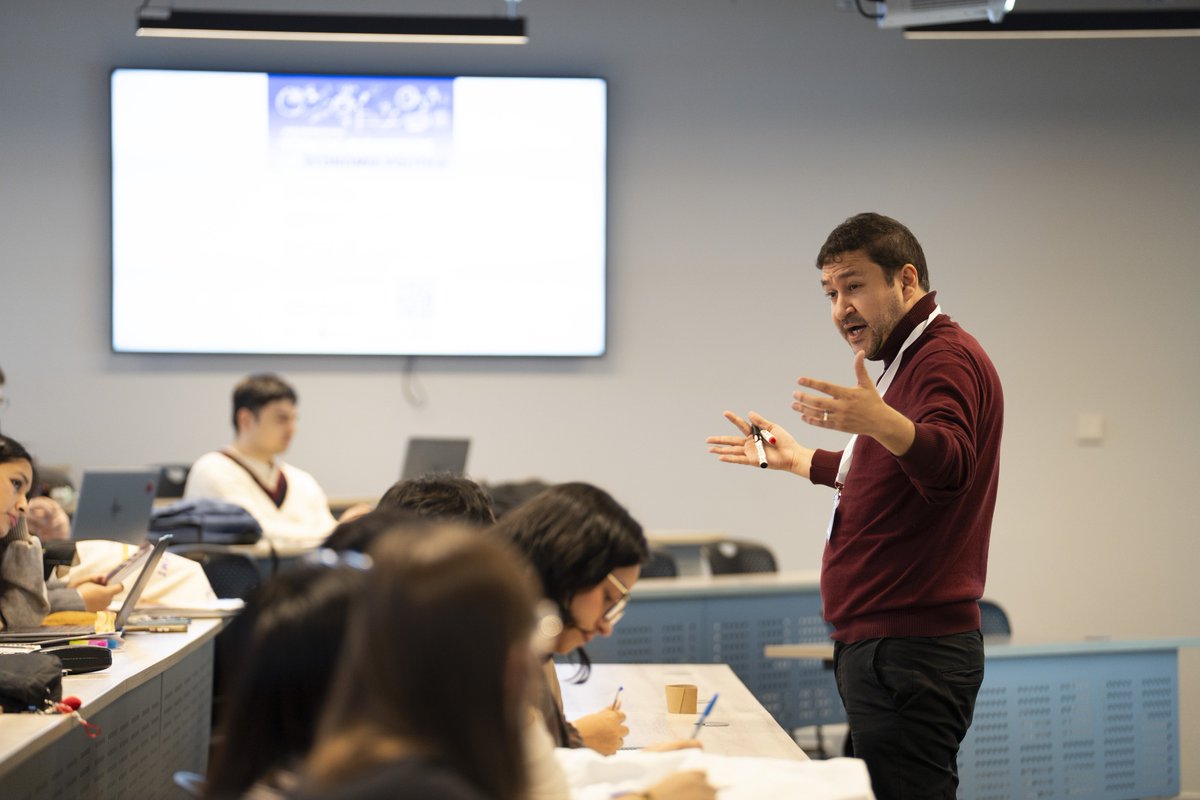
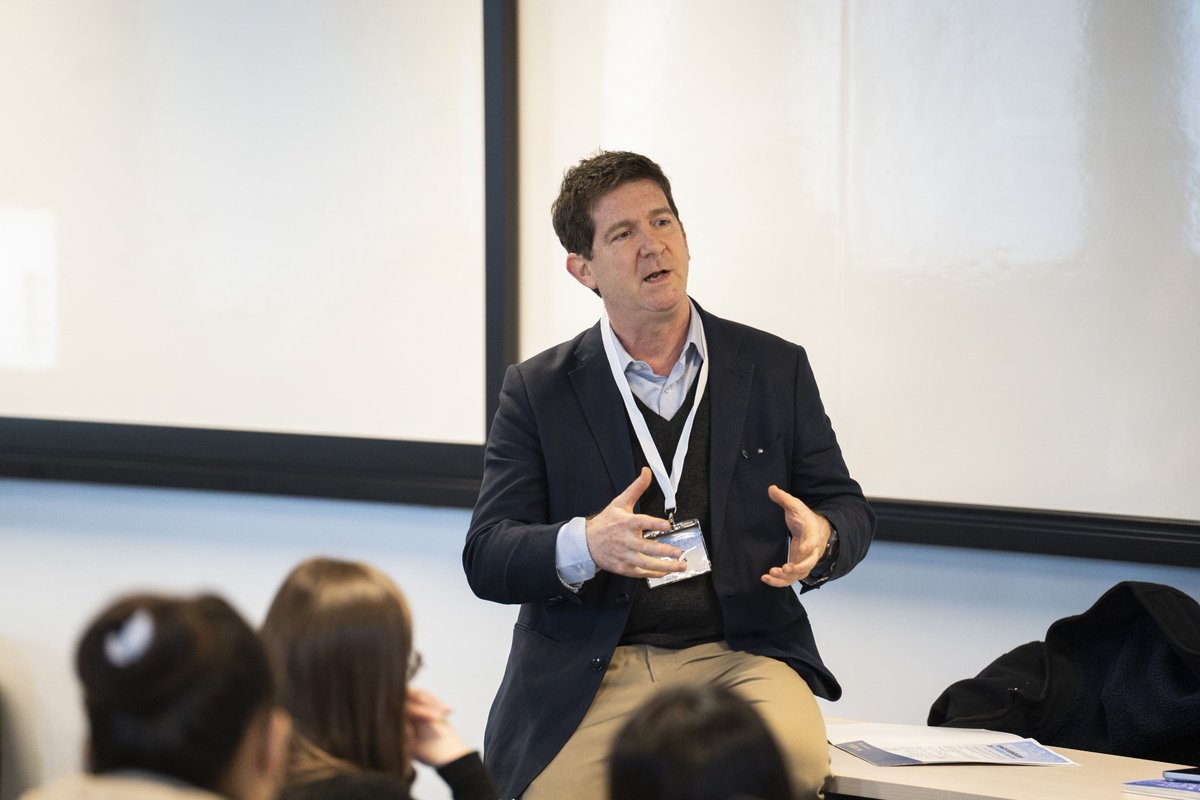
@ieiuchile Lo hicimos junto a @nico_grau , exministro de Economía de Chile, quien compartió su experiencia en la aplicación de políticas industriales con las y los estudiantes para cerrar una semana de formación e intercambio.
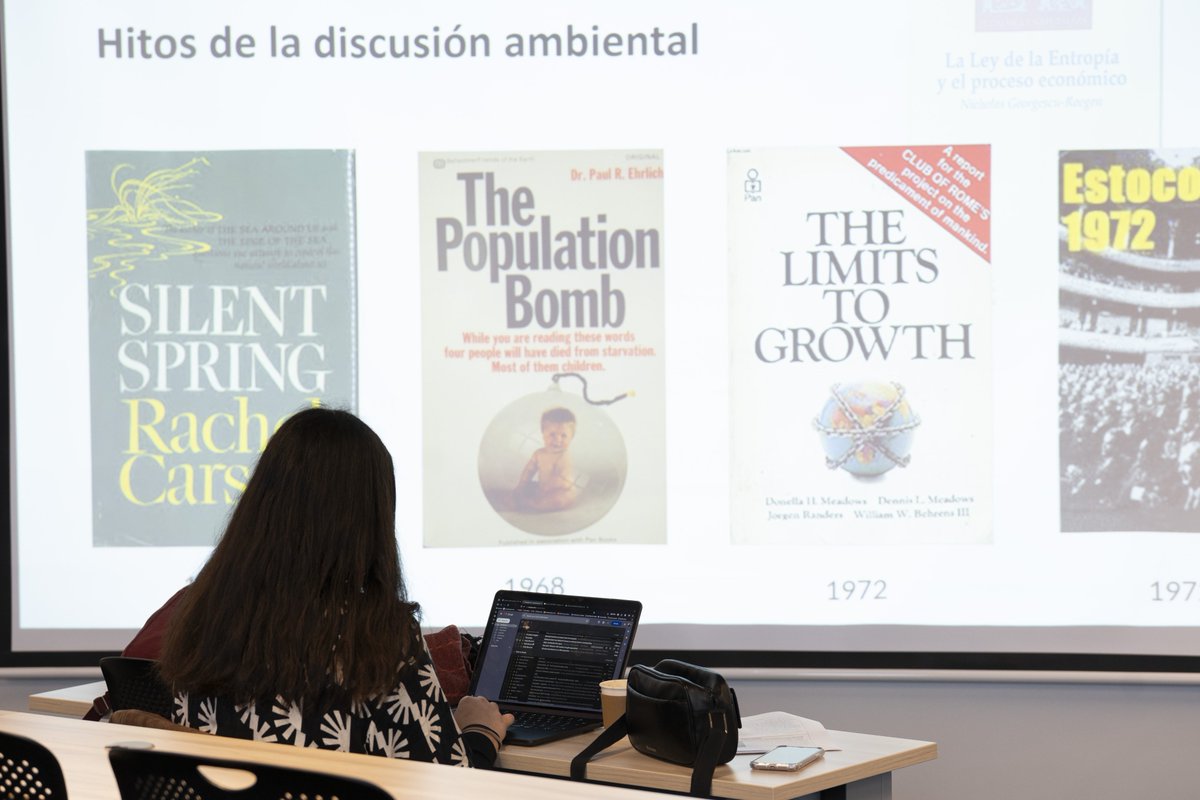
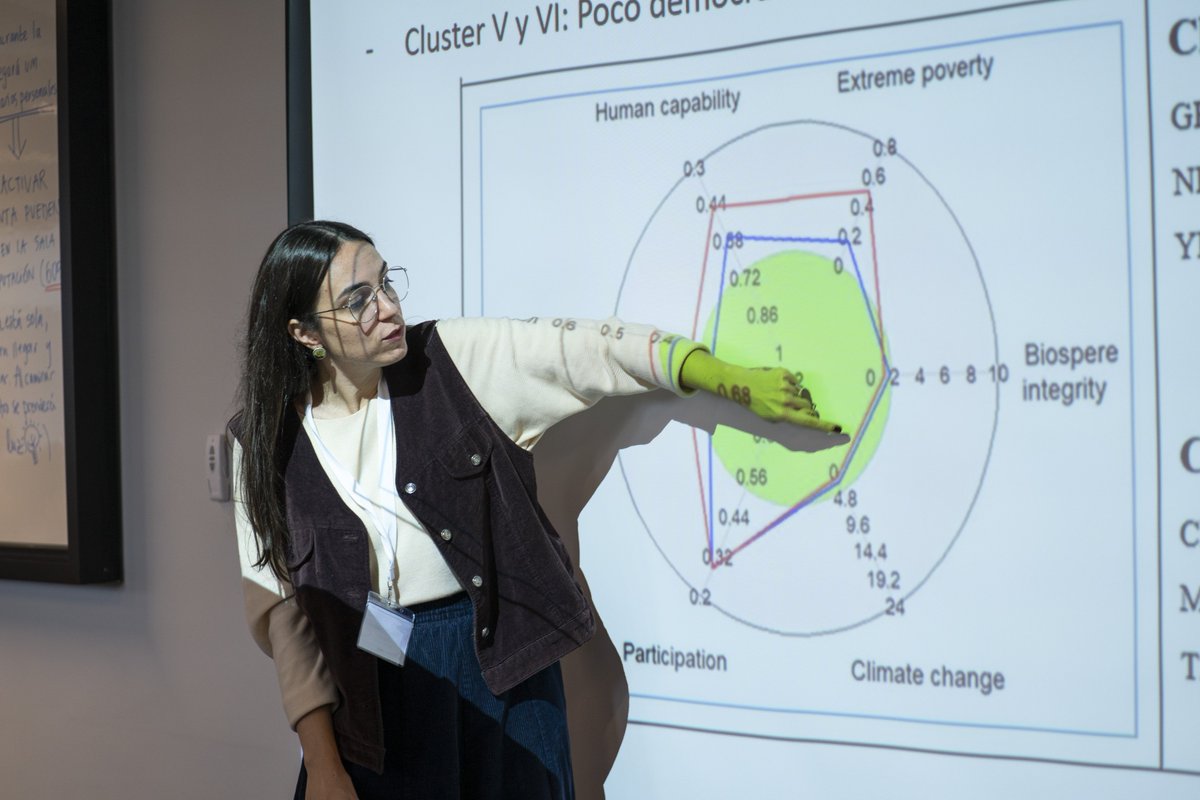
🎓 Escuela de Tópicos Avanzados de Economía Política | Chile 🇨🇱 | Día 4
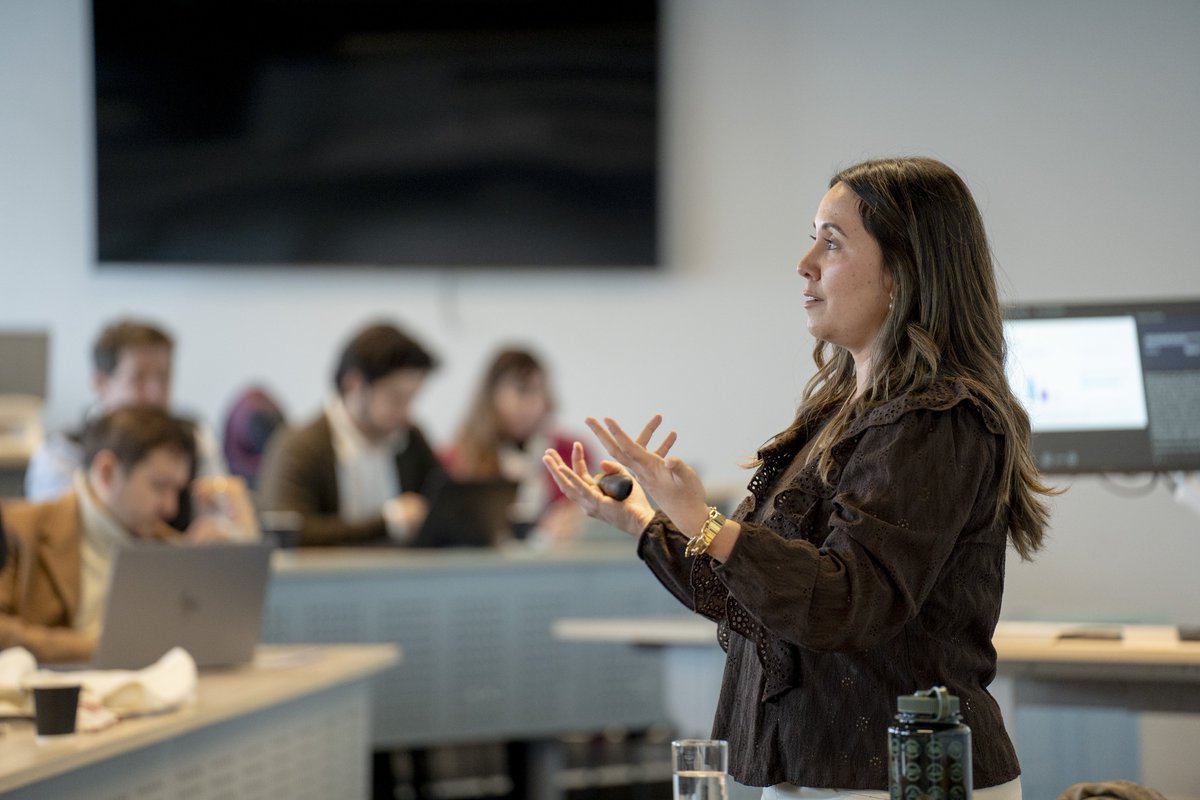
Hoy exploramos la economía política feminista junto a Amparo Bravo Arias, distintas teorías del imperialismo con Ignacio Silva y la perspectiva decolonial junto a Belén Villegas.
#EscuelasIDEAS2026
🎓 Escuela de Tópicos Avanzados de Economía Política | Chile 🇨🇱 | Día 3
Seguimos abriendo preguntas y sumando herramientas para pensar la economía política desde la región.
🎓 Escuela de Tópicos Avanzados de Economía Política | Chile 🇨🇱 | Día 2
Abordamos la teoría de la firma y el cambio tecnológico en clave neoschumpeteriana con @fsossdorfg y los principios fundamentales de la macroeconomía postkeynesiana con Esteban Pérez Caldentey.
🎓 Escuela de Tópicos Avanzados de Economía Política | Chile 🇨🇱 | Día 1
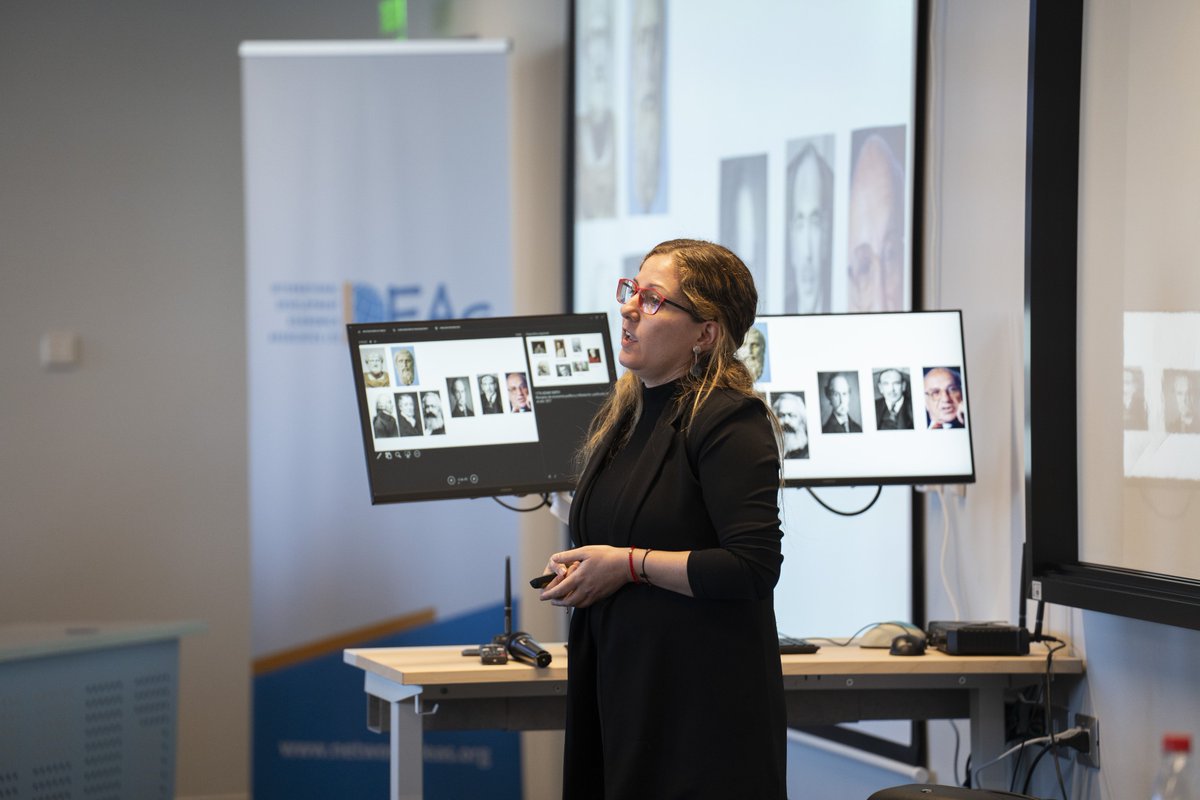
Este lunes exploramos los fundamentos de la economía política, las teorías del comercio internacional, la historia del pensamiento económico latinoamericano y las distintas escuelas del pensamiento económico
Una primera jornada con distintas perspectivas y herramientas para abordar los desafíos de la región, junto a Martín Abeles, Nicole Cerpa, Miguel Torres, @florpizzo y Amparo Bravo Arias.
@ieiuchile@uchile La inauguración estuvo a cargo de Martín Abeles, en representación de IDEAs, y @jmahumadaf , del Instituto de Estudios Internacionales de la Universidad de Chile
#EconomíaPolítica
🎓 ¡Seguimos pensando desde la región!
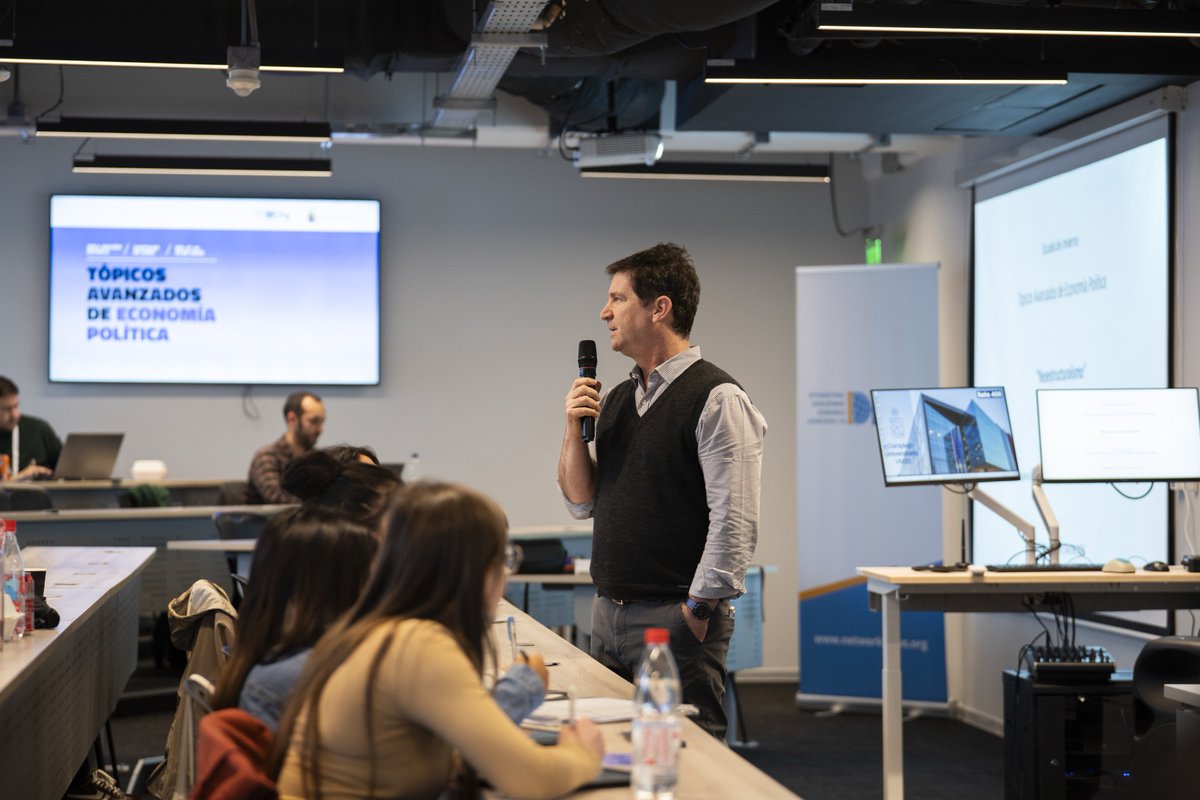
Hoy comienza en Chile la segunda Escuela del Ciclo de Escuelas de Tópicos Avanzados de Economía Política – América Latina y el Caribe 2026.
Junto al @ieiuchile de la @uchile recibimos a 52 estudiantes de 🇨🇱 🇧🇴 🇵🇪
#EscuelasIDEAS2026
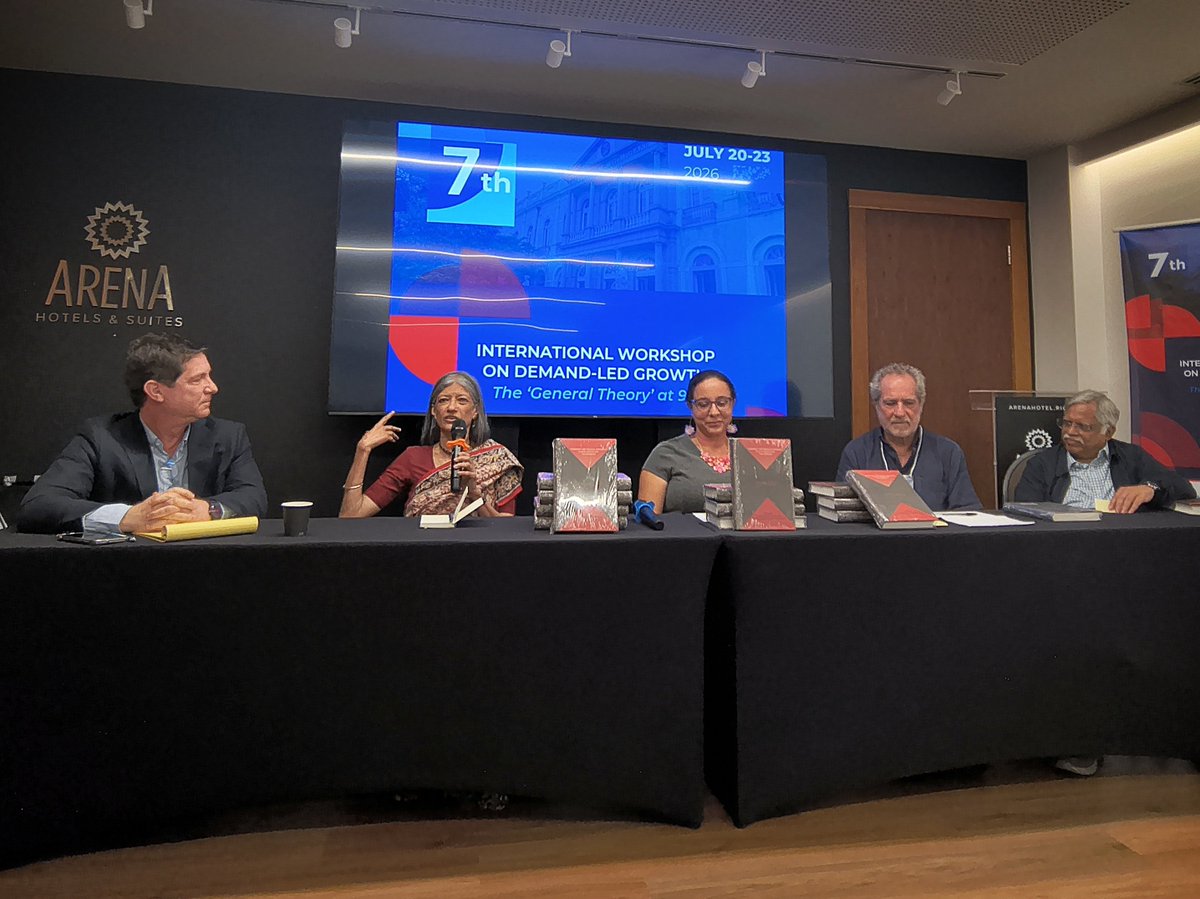
La presentación contó con la participación de C.P. Chandrasekhar, Carlos Medeiros, Jacqueline Laguardia, Jayati Ghosh y Martín Abeles.
⬇️ Descarga: https://t.co/ZX8YmcZWWR
Sus capítulos analizan críticamente la tendencia a la primarizacion y la creciente dependencia financiera en las economías de América Latina y el Caribe.
📕 ¡Nuevo libro! Commodity and financial dependence in Latin America and the Caribbean: The dilemma of the rentier state in the twenty-first century
⬇️ Descarga: https://t.co/ZX8YmcZWWR
✍🏻Editado por: @carlosaguiarde de @ufrj y @JacquelineLagua de @UWI_StAugustine
📖𝐍𝐄𝐖 𝐁𝐎𝐎𝐊: Commodity and financial dependence in Latin America and the Caribbean: The dilemma of the rentier state in the twenty-first century
⬇️Download: https://t.co/DkvCqUWQZJ
✍🏻Edited by: @carlosaguiarde of @ufrj, and @JacquelineLagua of @UWI_StAugustine
📄Overview: The developmental priority in the region so far has been the expansion of raw material production without any relevant processing. This regional evolution runs counter to ongoing transformations in the global economy, even in countries rich in natural resources.
Industrialising natural resources is one of the most obvious strategies that Latin American countries, especially those rich in copper, lithium, rare earths, and other minerals, could use to diversify their productive structures. The challenges facing the continent necessarily include resuming a growth rate that enables reductions in high structural unemployment and income inequality, a shift in the productive structure towards higher-value-added and technology-intensive activities, and a reduction in emissions through reduced deforestation and an energy transition. As discussed in the chapters of this book, these challenges, while general to the development process, have historical particularities on the continent, shaped by development trajectories of financial and commodity dependence. The green transition is both a challenge and an extraordinary opportunity to restructure production and mitigate the climate change that is already affecting vulnerable populations.
The purpose of this book is to investigate in detail this evolution, the current impasses, and the emerging opportunities in Latin American economies. Methodologically, the authors follow a historical-structuralist perspective, covering, albeit with varying emphases, macroeconomic, historical, and sociopolitical dimensions in line with their specialisations and fields of research.
📺 Ya disponible: https://t.co/nQCPJN8nPq
@Jayati1609 brindó la 9.ª Conferencia Conmemorativa Godley-Tobin: “Descolonizar la economía keynesiana: Macroeconomía para el Sur Global”, organizada por @ROKE_Elgar , en Río de Janeiro.
📺Watch: https://t.co/MrofBrKzkv
@Jayati1609 delivered the 9th Godley-Tobin Memorial Lecture: “Decolonising Keynesian economics: Macroeconomics for the Global South”. The lecture yesterday was organized by @ROKE_Elgar and held during the 7th International Workshop on Demand-Led Growth in Rio de Janeiro, Brazil.
El programa contó con las contribuciones de C. P. Chandrasekhar, Jayati Ghosh y Martín Abeles, junto con autoridades del IPEA y responsables de políticas públicas de instituciones brasileñas como los ministerios de Hacienda y de Planificación y Presupuesto, y el BNDES.
Financiamiento para el desarrollo | Financiamento do desenvolvimento | Development finance
Río de Janeiro, Brasil 🇧🇷 — IDEAs e IPEA organizaron el taller “Navegando la incertidumbre global: desafíos para el financiamiento internacional del desarrollo.
Economistas, investigadores y responsables de políticas públicas debatieron sobre incertidumbre global, desigualdad, cambio climático y la necesidad de reformar la arquitectura financiera internacional.