At 78 years old, one Massachusetts farmer decided the British would not pass his stone wall without a fight.
On April 19, 1775, as the redcoats retreated from Lexington and Concord through Menotomy, Samuel Whittemore took position behind a wall with his musket, two pistols and sword. He shot one grenadier dead, then dropped two more with his pistols.
The soldiers closed in, shot him in the face, bayoneted him repeatedly and clubbed him with their muskets until they left him for dead in a pool of blood. Hours later, townsmen found him still conscious and trying to reload his weapon.
Before the fight he had told the militia, “If I can only be the instrument of killing one of my country’s foes, I shall die in peace.” He lived another eighteen years, scarred but unbroken and died at 96.
Before dawn on this day in 1811, a battle lights up the darkness near the Tippecanoe River and a sleeping camp turned into a battlefield.
U.S. forces under Territorial Governor William Henry Harrison had marched roughly a thousand men toward Prophetstown, the heart of Tecumseh’s growing confederation in what is now Indiana. Tecumseh himself was away in the South recruiting more tribes. His brother Tenskwatawa, known as the Prophet remained in command and ordered the attack.
Hundreds of warriors struck Harrison’s camp around 4 in the morning. They drove in the sentries and hit the lines hard. American regulars and militia picked up their bayonets, formed under fire and held. After roughly two hours of close fighting the warriors broke and withdrew. Casualties were heavy on both sides. The Americans counted about 62 dead and more than a 1,000 wounded. Native losses were also severe, though exact numbers unknown.
The next day Harrison’s men found Prophetstown abandoned and burned it. Tenskwatawa’s promise of spiritual protection had failed. The confederation’s momentum was broken. Frontier settlers grew more convinced that British agents were arming and encouraging the tribes, and the clash fed the rising anger that would help ignite the War of 1812 less than a year later.
The name of the fight outlived the day. Decades afterward Americans still cheered the slogan “Tippecanoe and Tyler too”, a Whig campaign cry in 1840 for William Henry Harrison and his running mate John Tyler that carried Harrison to the presidency.
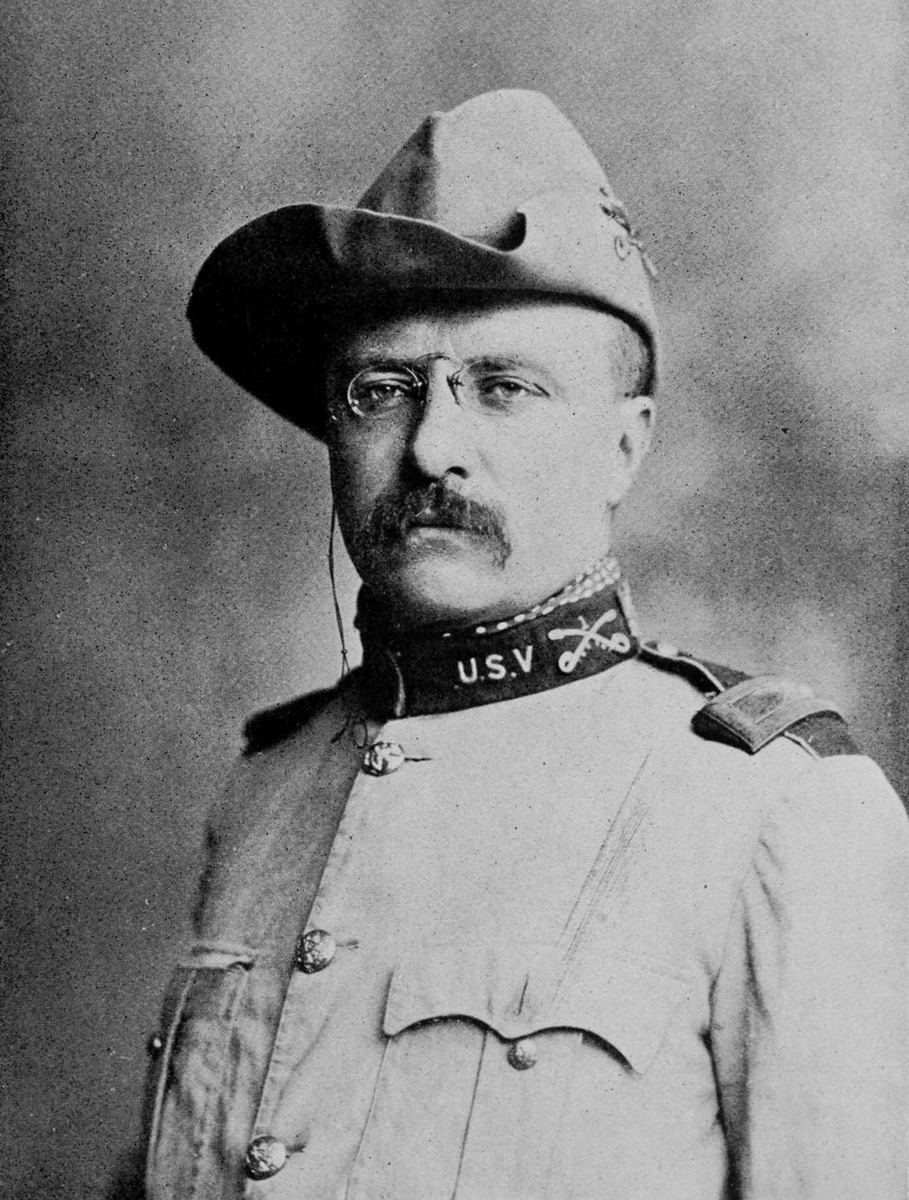
In his 1916 book Fear God and Take Your Own Part, Theodore Roosevelt argues that standing up against injustice requires courage and a willingness to fight for what is right, even if it means going to war. He states:
“Wrongdoing will only be stopped by men who are brave as well as just, who put honor above safety, who are true to a lofty ideal of duty, who prepare in advance to make their strength effective, and who shrink from no hazard, not even the final hazard of war, if necessary in order to serve the great cause of righteousness.”
“Nothing in this world can take the place of persistence... Persistence and determination alone are omnipotent. The slogan 'Press On!' has solved and always will solve the problems of the human race.”
-Calvin Coolidge
“And ye, O peoples, to whom God gave the liberty to choose your own magistrates, see to it, that ye do not forfeit this favor, by electing to the positions of highest honour, rascals and enemies of God.” ~ John Calvin
FREE FURNITURE RAFFLE:
If you RT or QT this post in the next 96 hrs you're entered to win a free one. @grok will pick the winner at 7:45 ET on Halloween.
Handcrafted from American black walnut, built with traditional joinery, delivered before Christmas.
GentlemanLoafer dot com