Just realized that the police officer that sprayed pepper spray into Dr. Besigye’s car then was Mukiibi the same rogue officer who unleashed all sorts of violence on Bobi wine and his team in the previous elections.
Perhaps that is how he earned promotion!
Expect to see a statement very soon regarding the re-opening of NTV and Daily Monitor!
And if all goes well, we may watch Mwasuze Mutya on Monday next week!
We love you our lord bishop. This man is too much. And his fathet and group are pushing that he becomes the president. The day he will be the reign of terror will fall on uganda
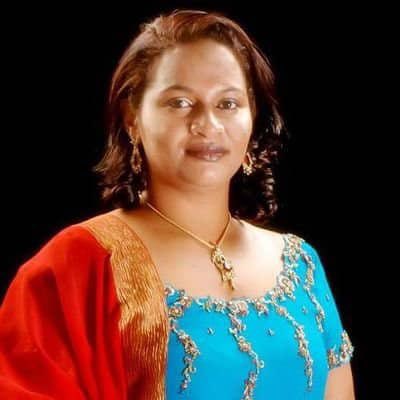
On Anita Among’s list is this Muchotala woman Rany Ismail who played a heavy task in laundering money at parliament. Surprisingly, the cobweb of the IGG has not yet netted her like her accomplices. She’s employed at the office of the Leader of Govt Business
#KJNews
World Bank warns: Uganda running out of jobs
By the end of 2025, Uganda faced an estimated jobs deficit of 1.64 million, while about 90% of the country’s workforce remained in the informal sector.
“Closing this gap is not just an economic priority; it is the defining development challenge of the next decade.”
https://t.co/hqDF1rKZNG
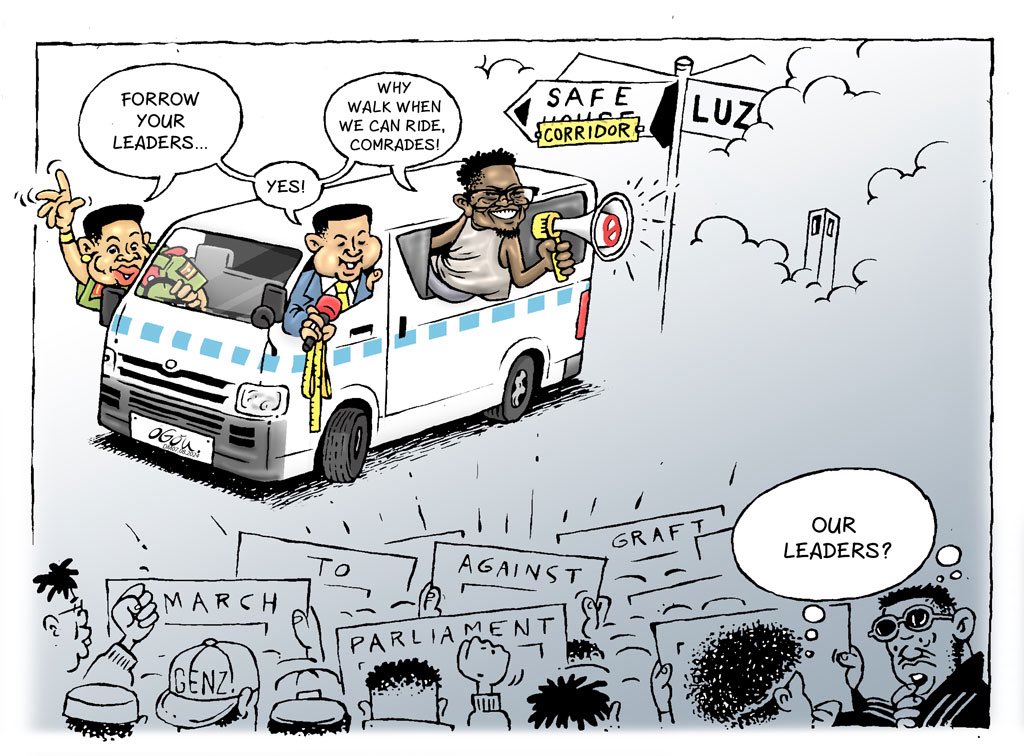
For years, Ugandans have watched President Museveni's government rely on abductions, intimidation, and force to silence critics. Now, a disturbing question is emerging: Has Uganda's politics of fear crossed the border into Kenya?
Watching KTN's news bulletin yesterday felt eerily familiar.
The station aired shocking footage of masked men abducting protesters from the streets of Kenya. Even more alarming were allegations that a specialized security unit is behind the operations.
Had someone removed the KTN logo from the screen, many Ugandans would have sworn the report was about Kampala—not Nairobi.
The tactics looked painfully familiar: masked operatives, unexplained arrests, fear on the streets, and a government insisting everything is lawful while critics accuse it of crushing dissent.
For many Ugandans, these are scenes they have lived with for years.
That is why some observers are asking whether the authoritarian methods long associated with Uganda are beginning to appear elsewhere in the region.
If true, it would represent a troubling development for East Africa's democratic future.
In this commentary, I compare KTN's explosive report with Uganda's long history of enforced disappearances and crackdowns on dissent, examine the striking similarities between the two countries, and ask whether the politics of fear that has defined Museveni's Uganda is beginning to cast a shadow beyond its borders.
YouTube - https://t.co/xy6rFoHzaq
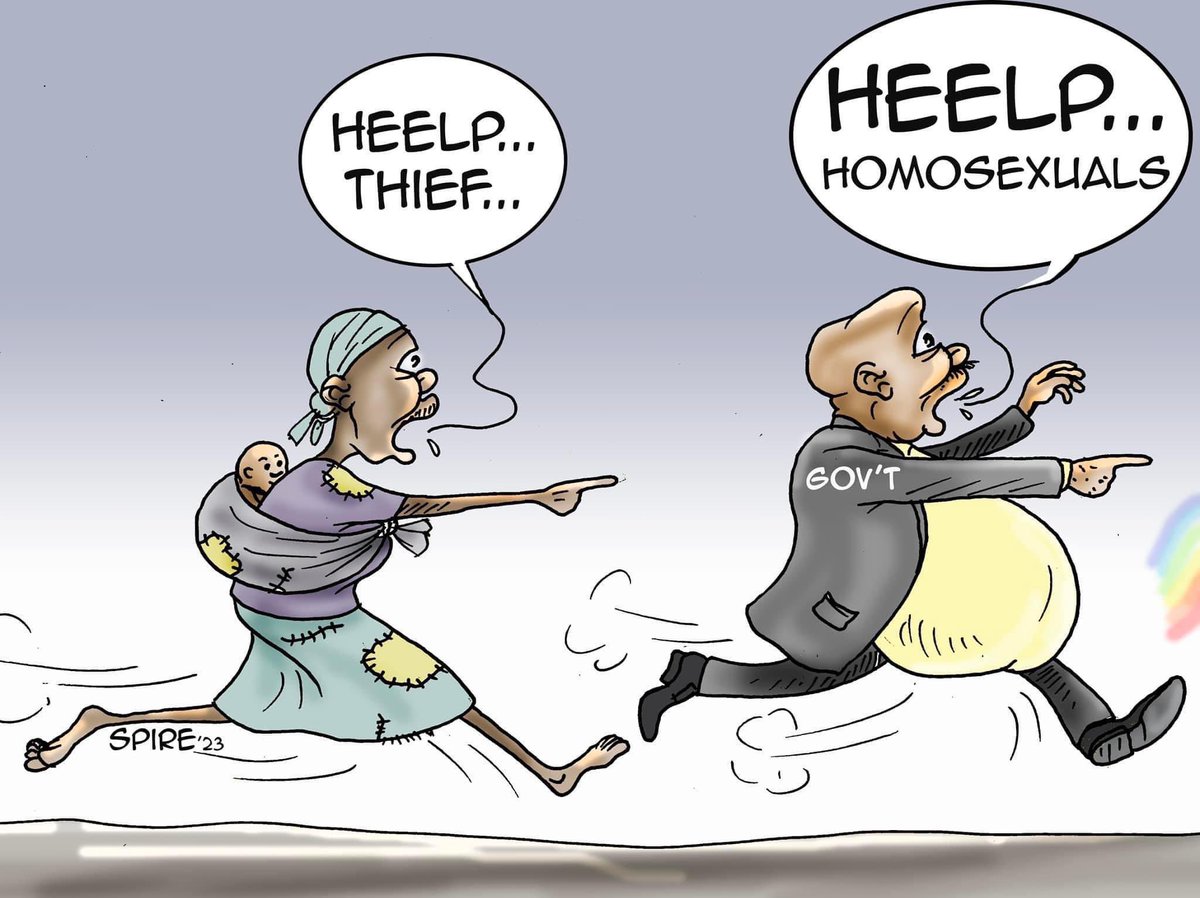
It is true that many Ugandans are against homosexuality. The thieving politicians quickly realised that they can use it as a shield to hide their theft. The strategy then was aggressively support the passing of the AHA law so that any time they’re called out they can hoodwink their masters and the public that they were being persecuted because of the law. It is also the reason they would never respond to the corruption allegations but instead cry persecution. And since many of the revelations came from civil society, they took advantage of government’s own paranoia and blackmailed it into thinking foreigners/homosexuals were directly funding campaigns to fight leaders close to the president and destabilise the country. These are old basic techniques in mass Manipulation and Propaganda books, but they will always find some believers. However, as with anything overused, the homosexuality/imperialist card lost its teeth in Uganda. Anyone can see through the torn veil.
The inadvertent bad side of this propaganda card is that, when real Imperialism comes out to bite, we are like ‘the boy who cried wolf’. It eats us as everyone thinks it’s the usual politicking. and running from accountability.
. @NUP_Ug supporters charged with unlawful drilling return today to Kawempe Magistrates Court for review of their bail application.
#FreeAllPoliticalPrisonersUg